

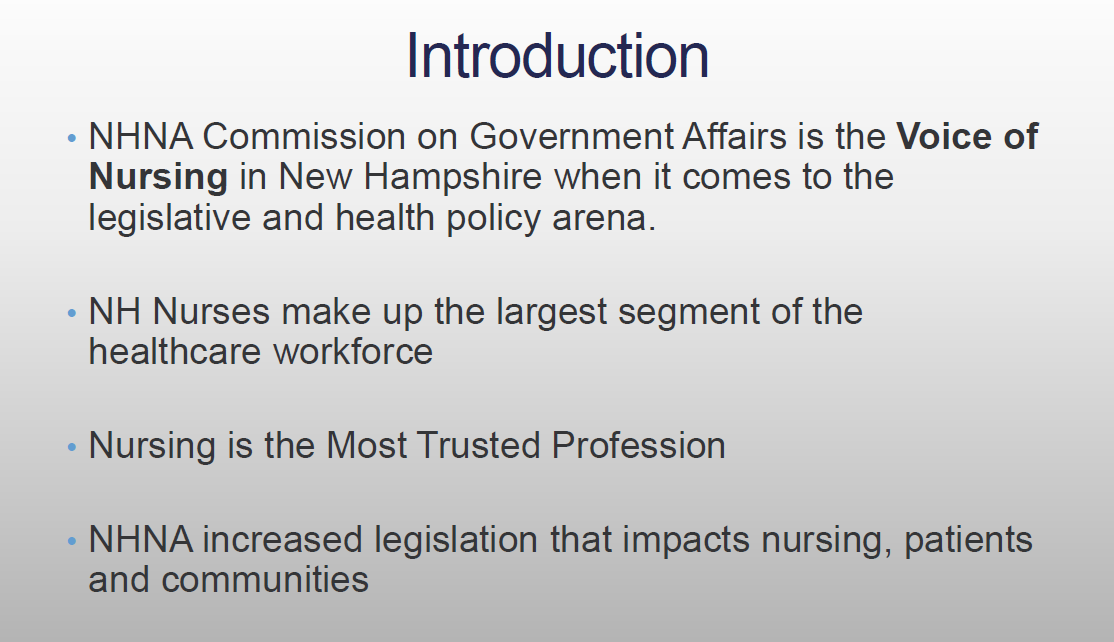
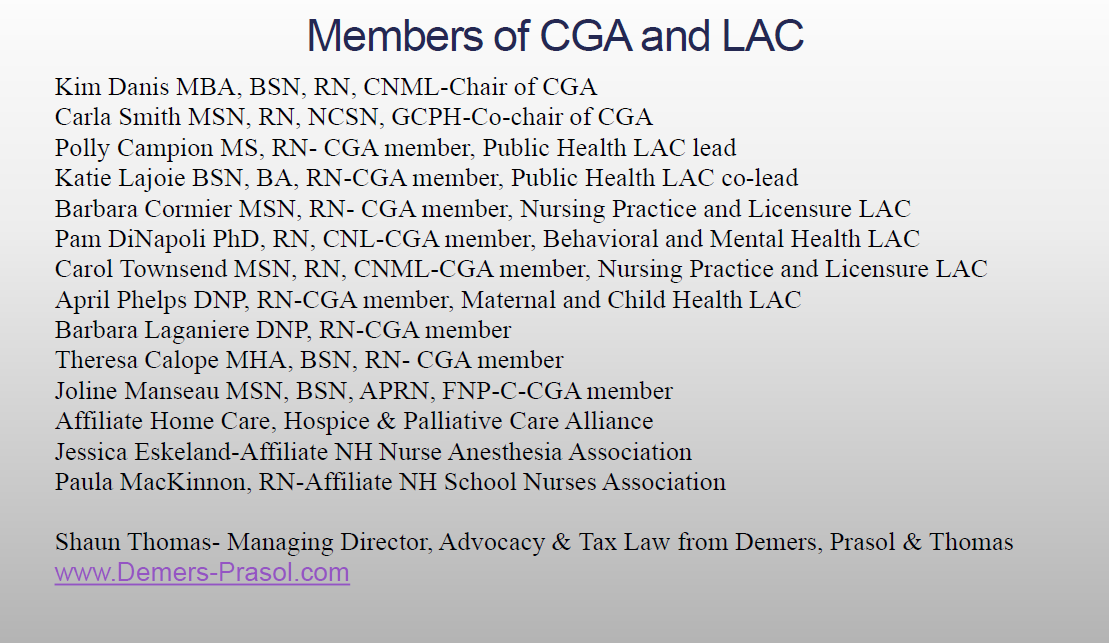
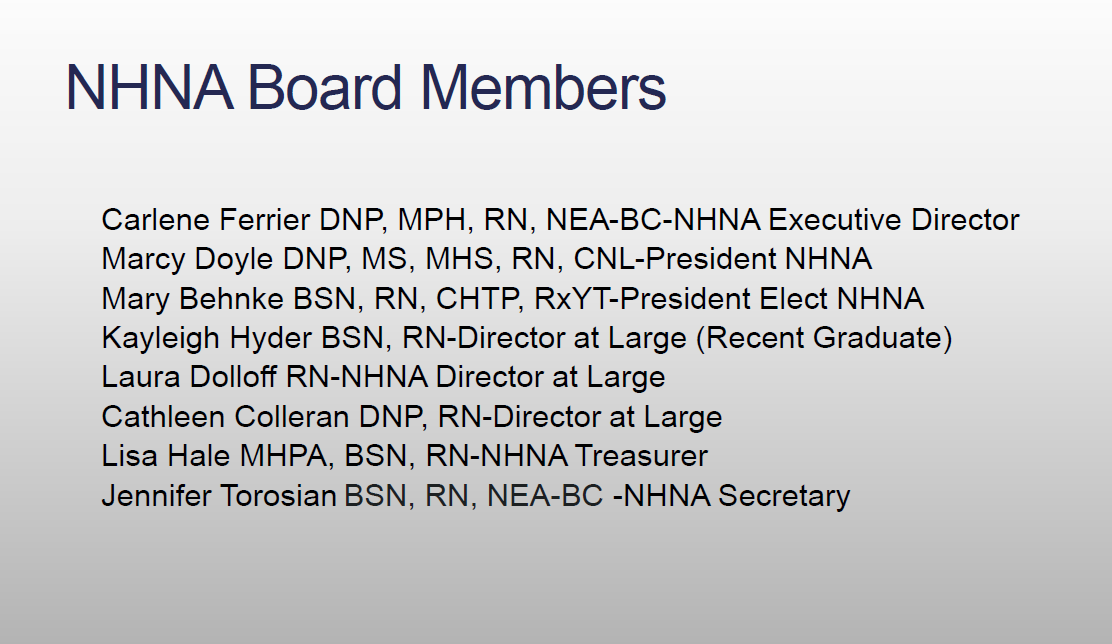


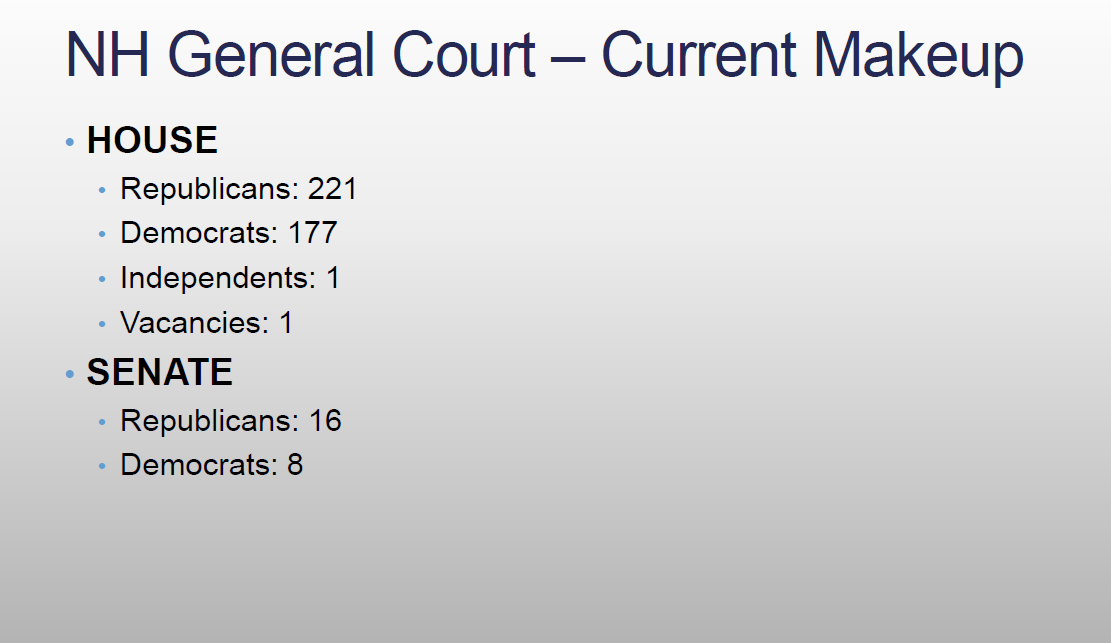
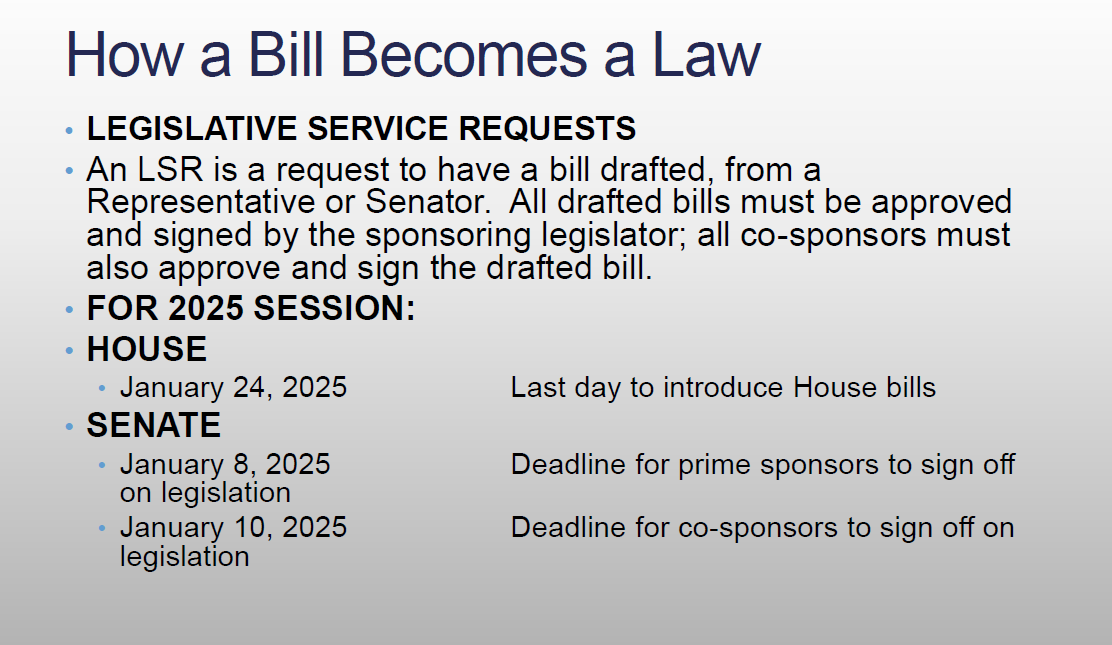
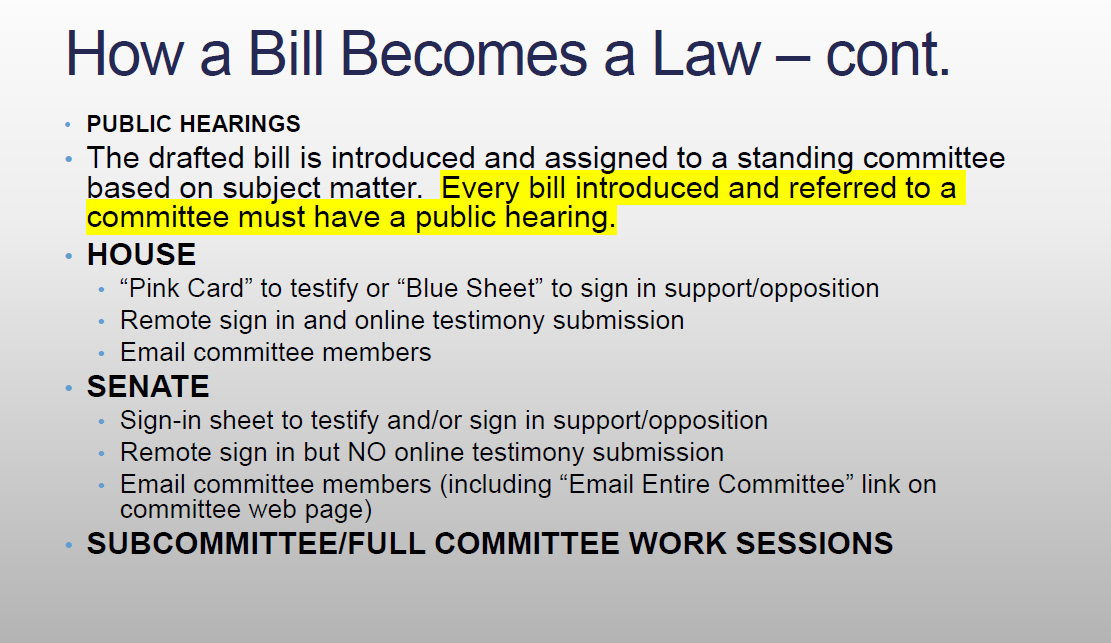

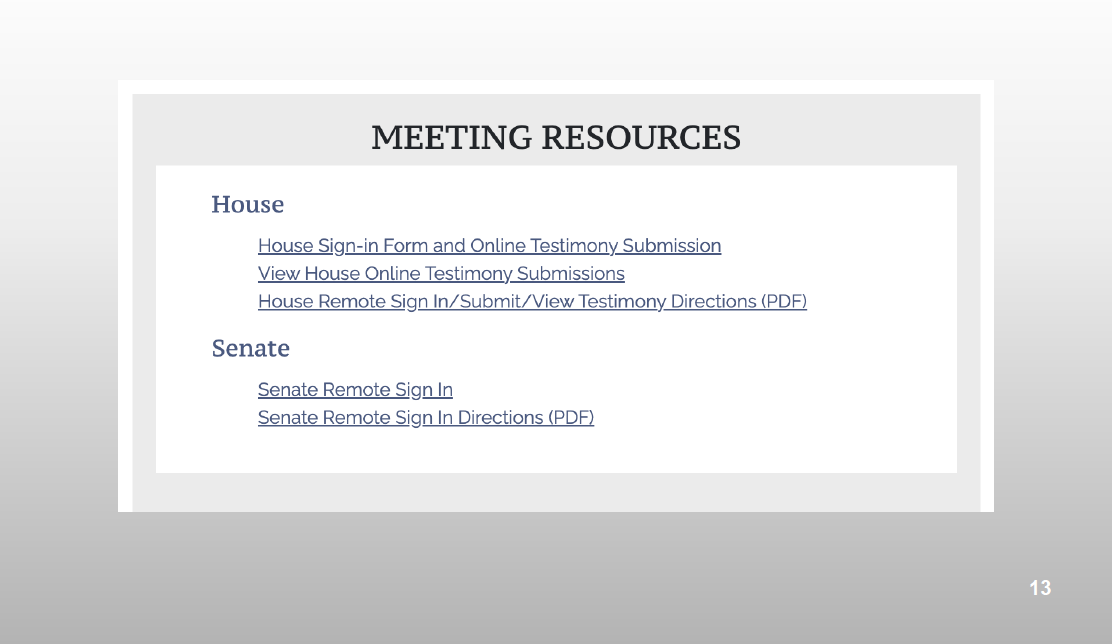
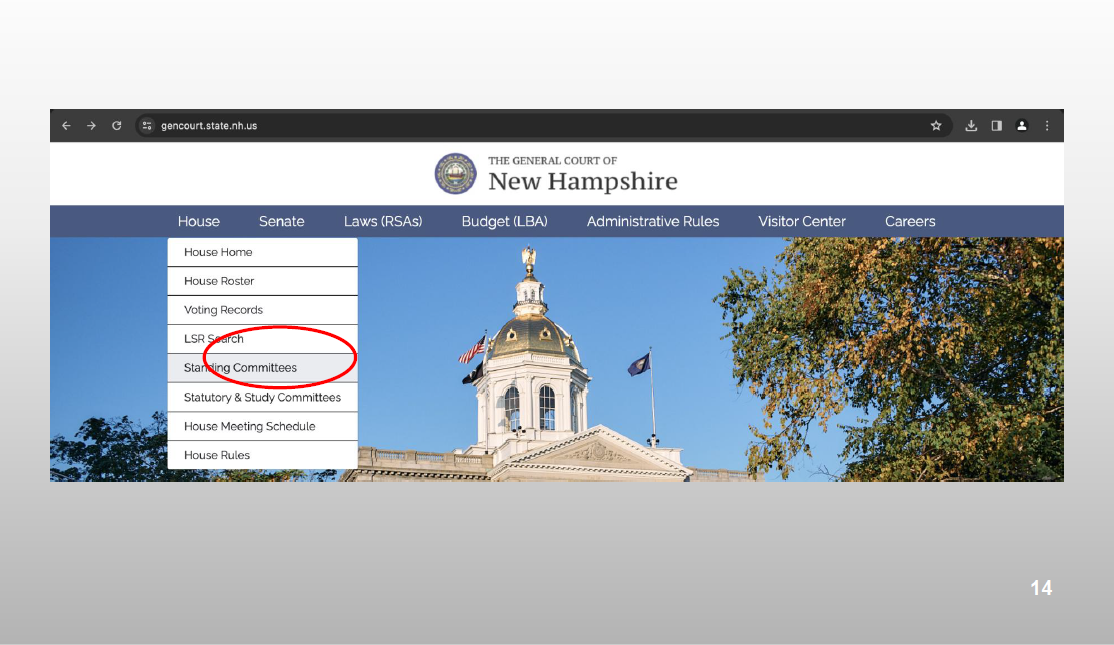
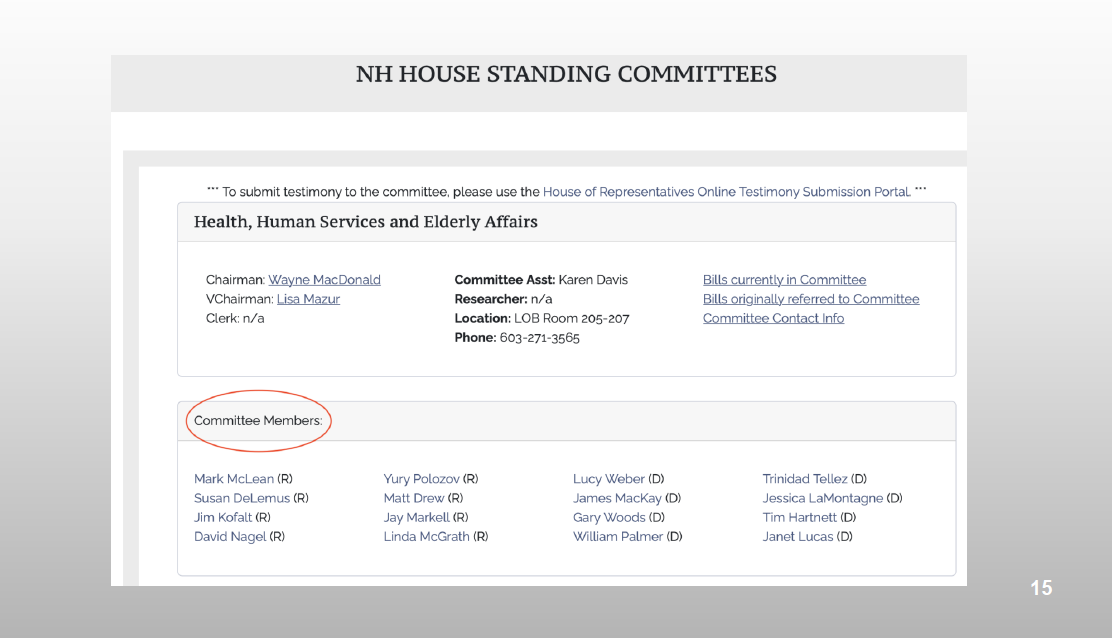
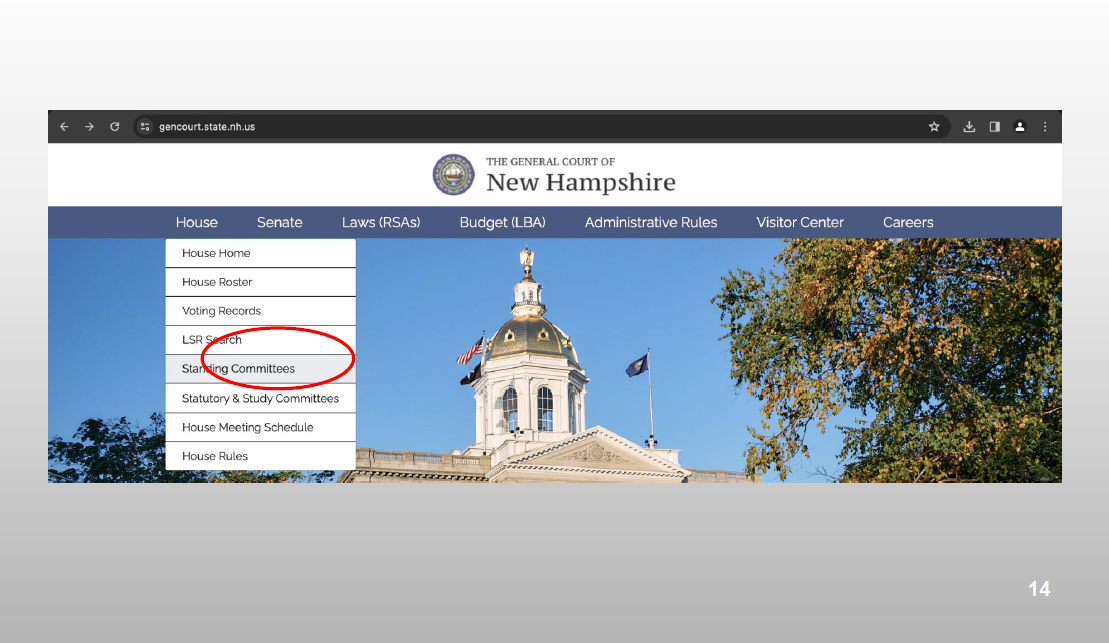
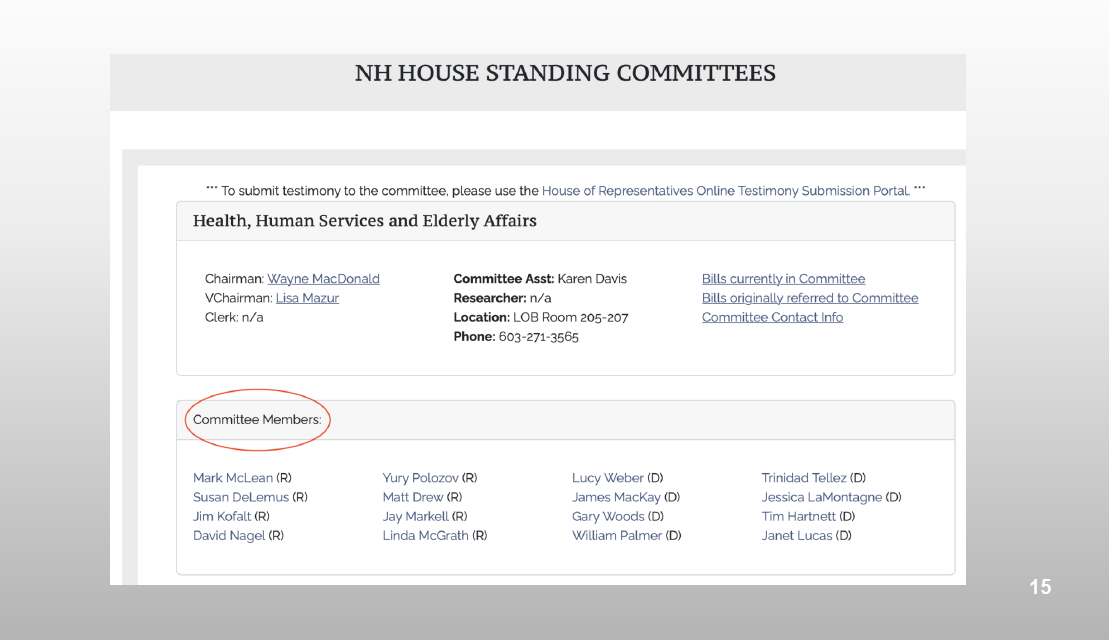
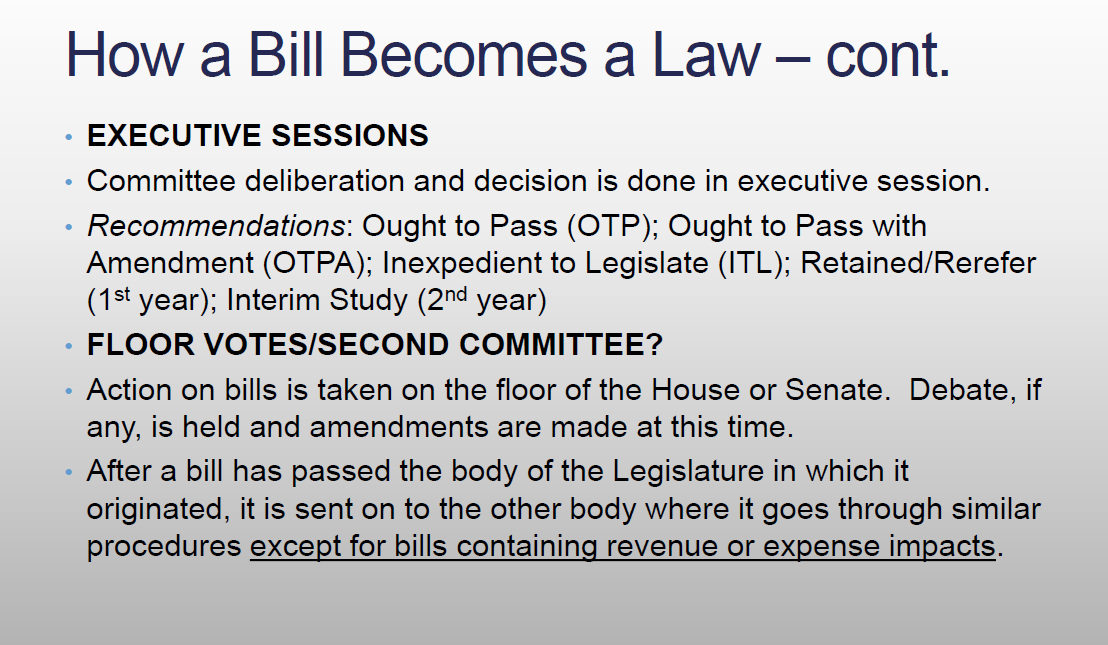

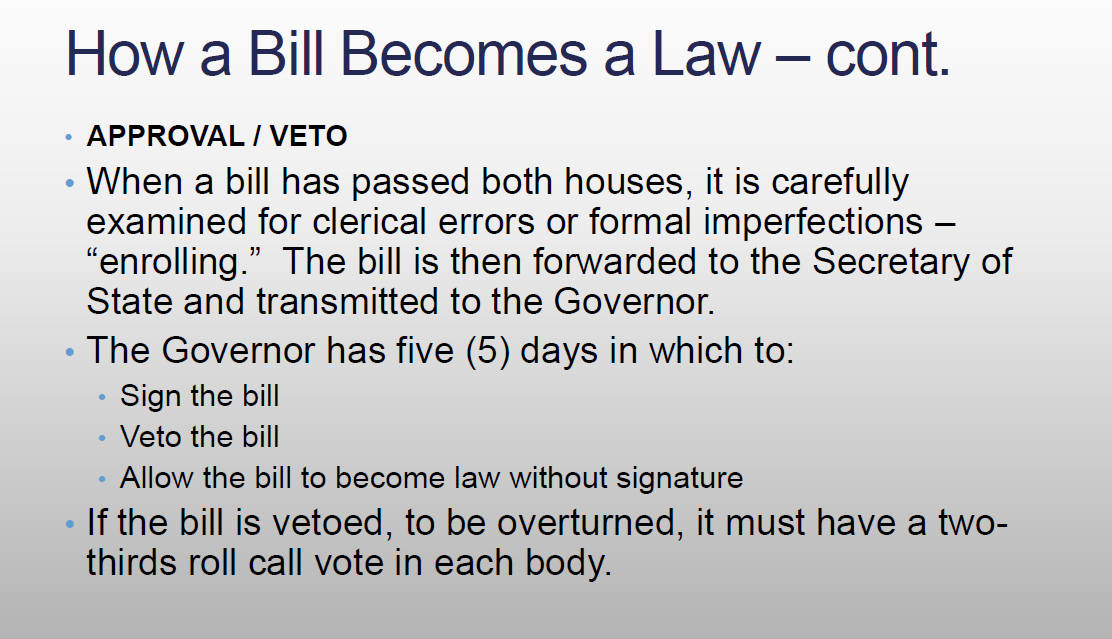
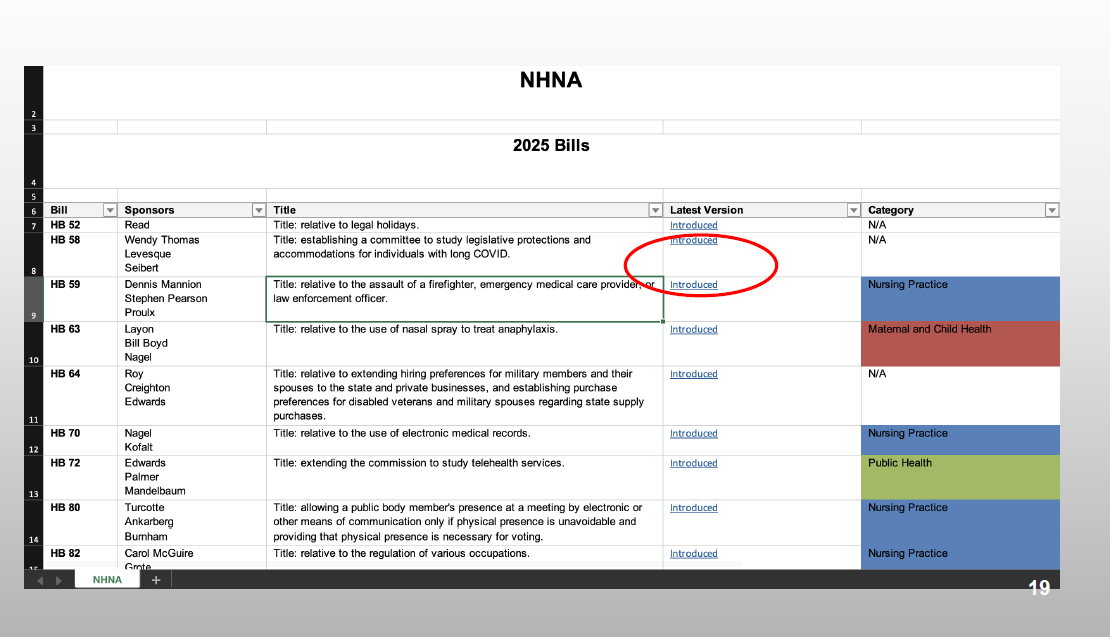
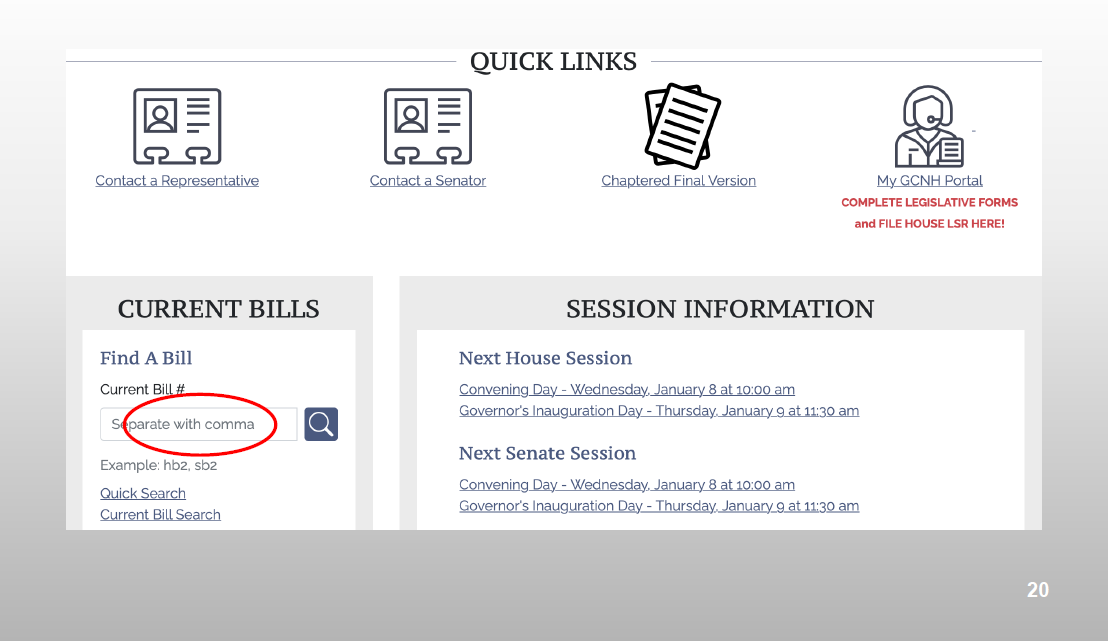
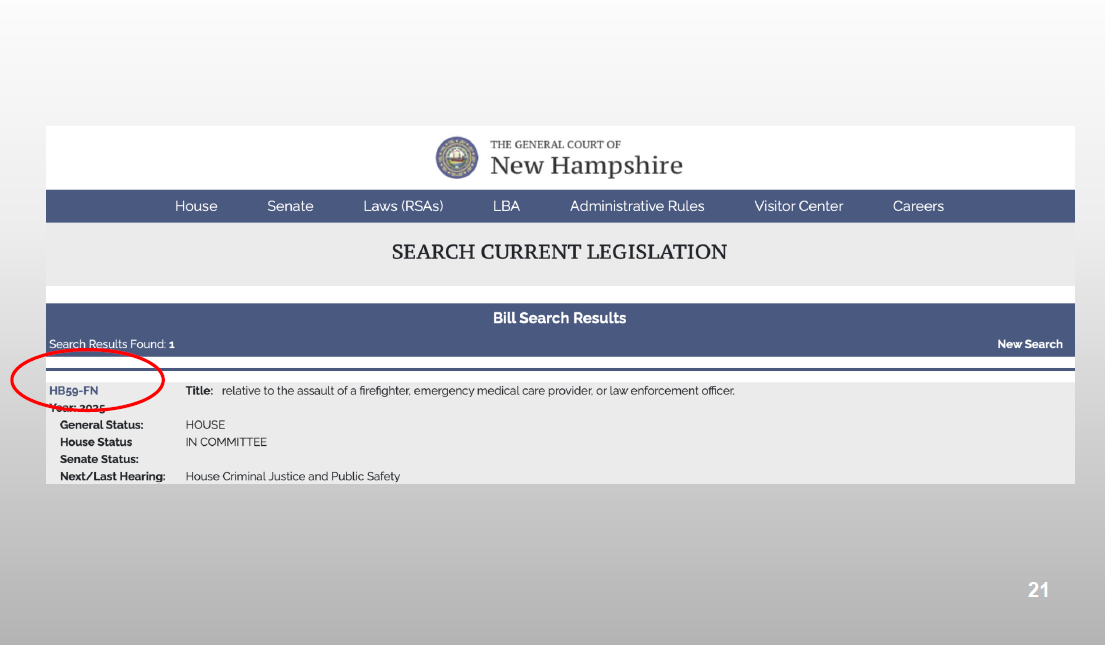

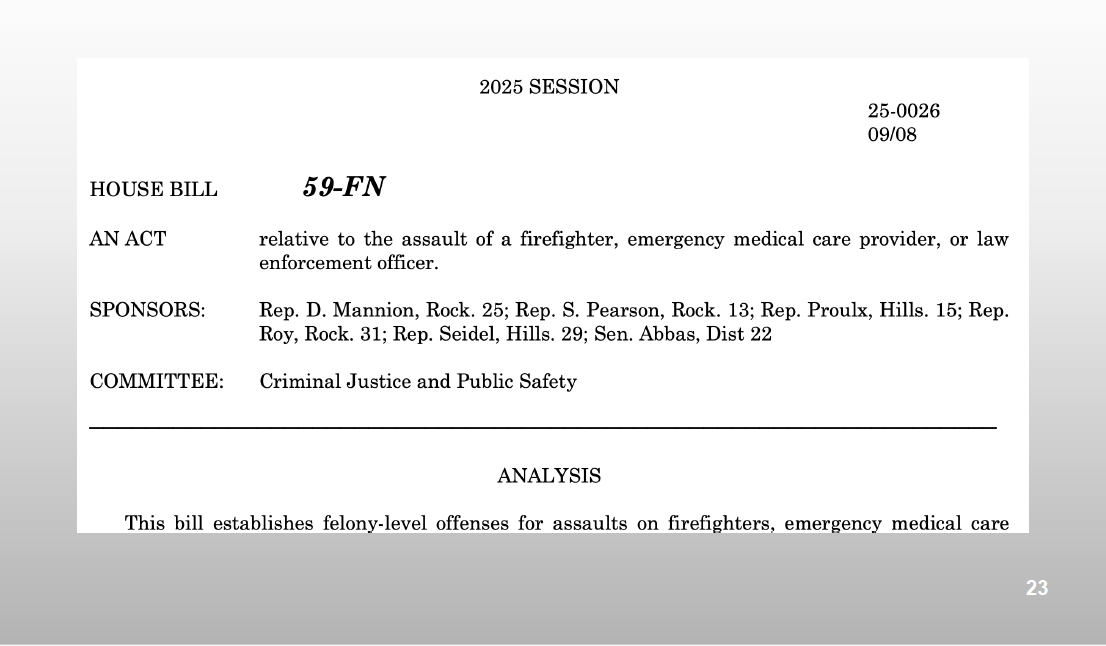
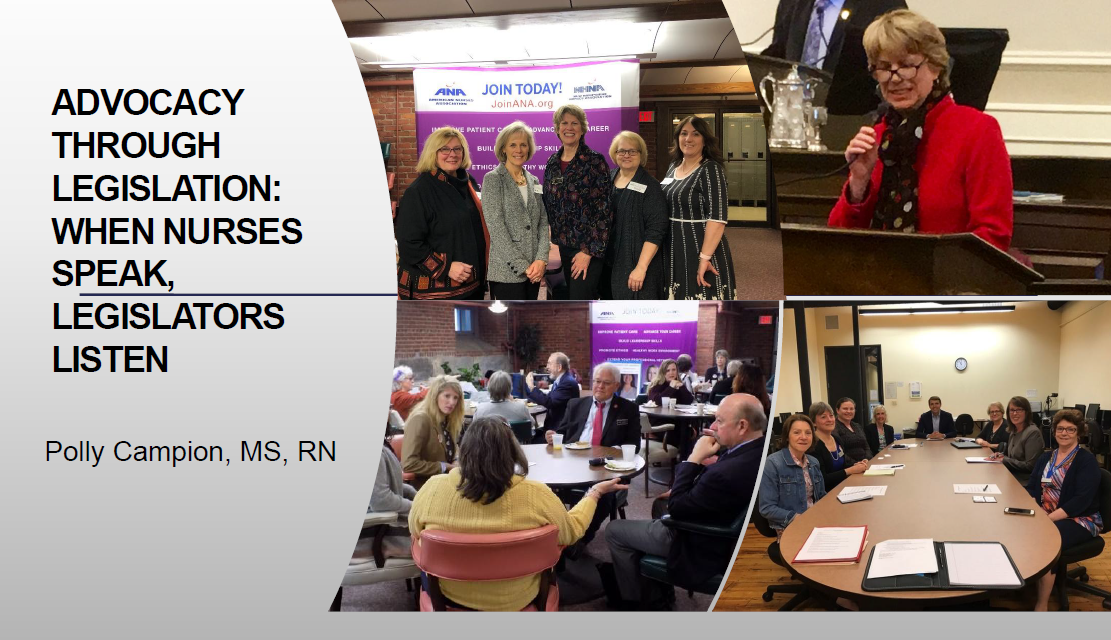
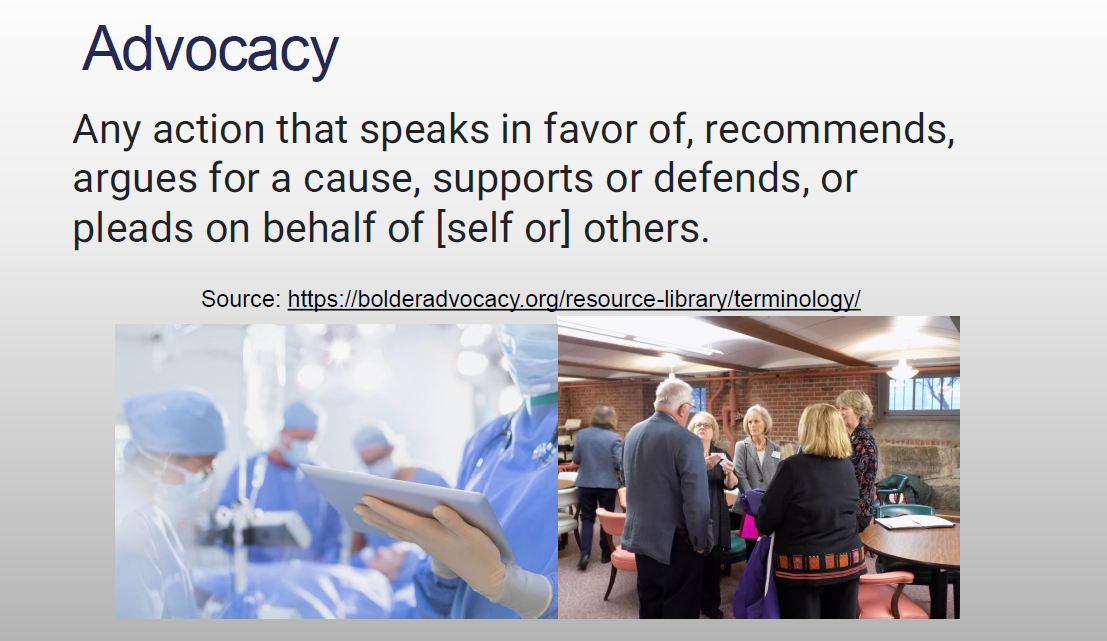
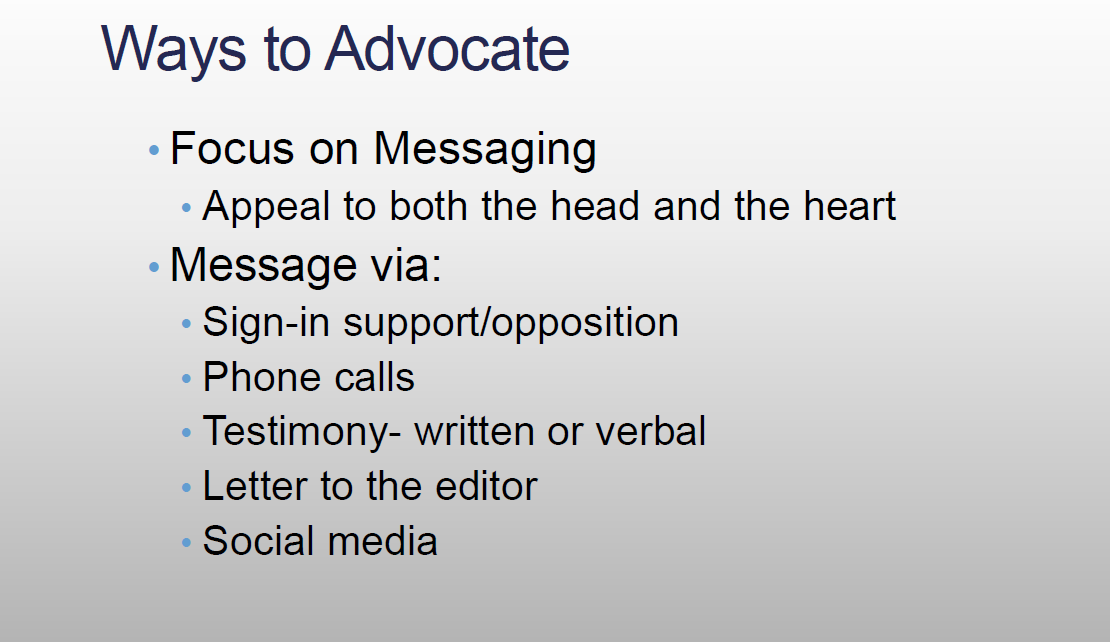

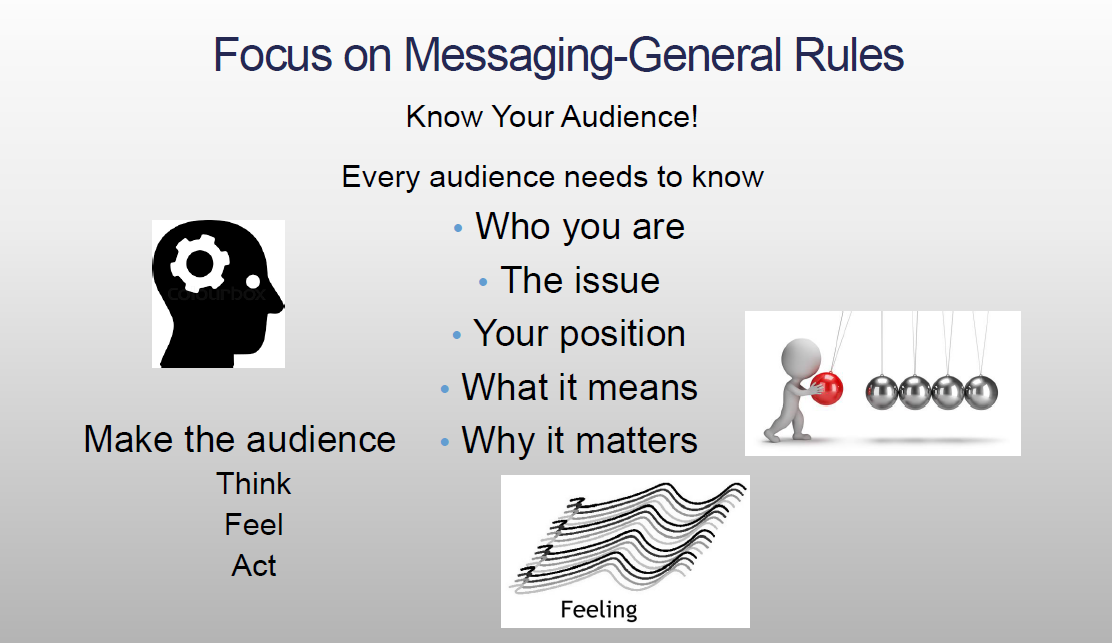
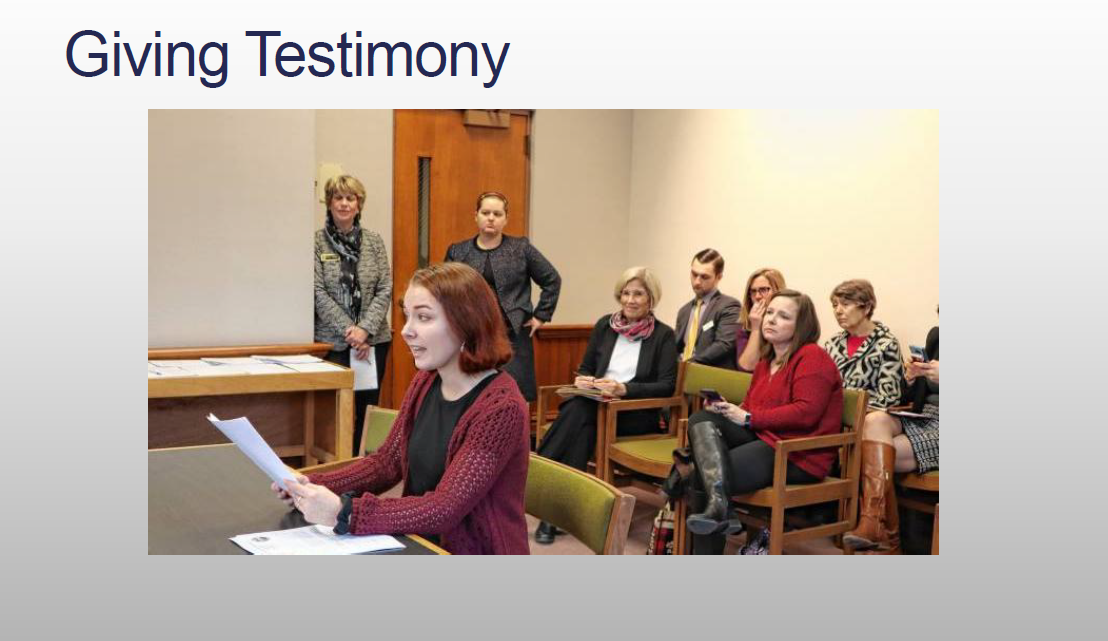
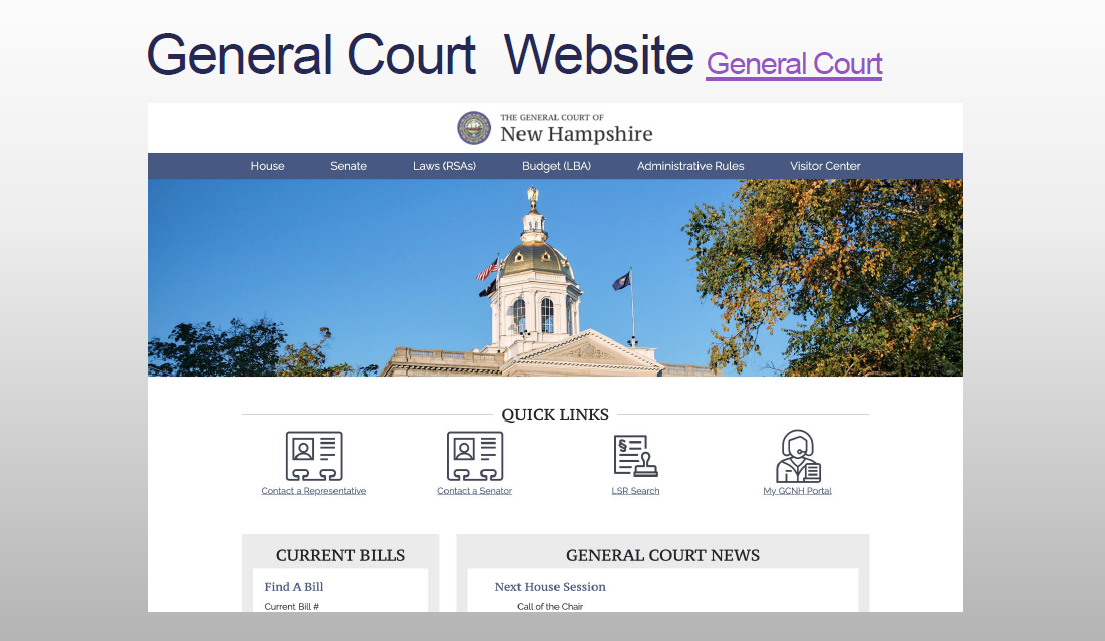

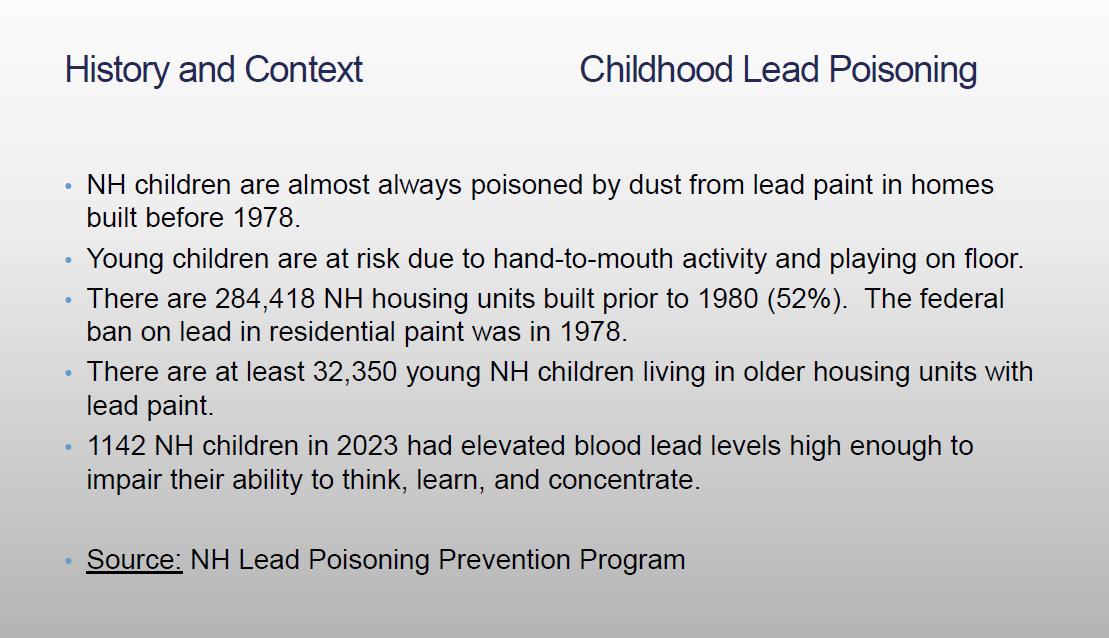
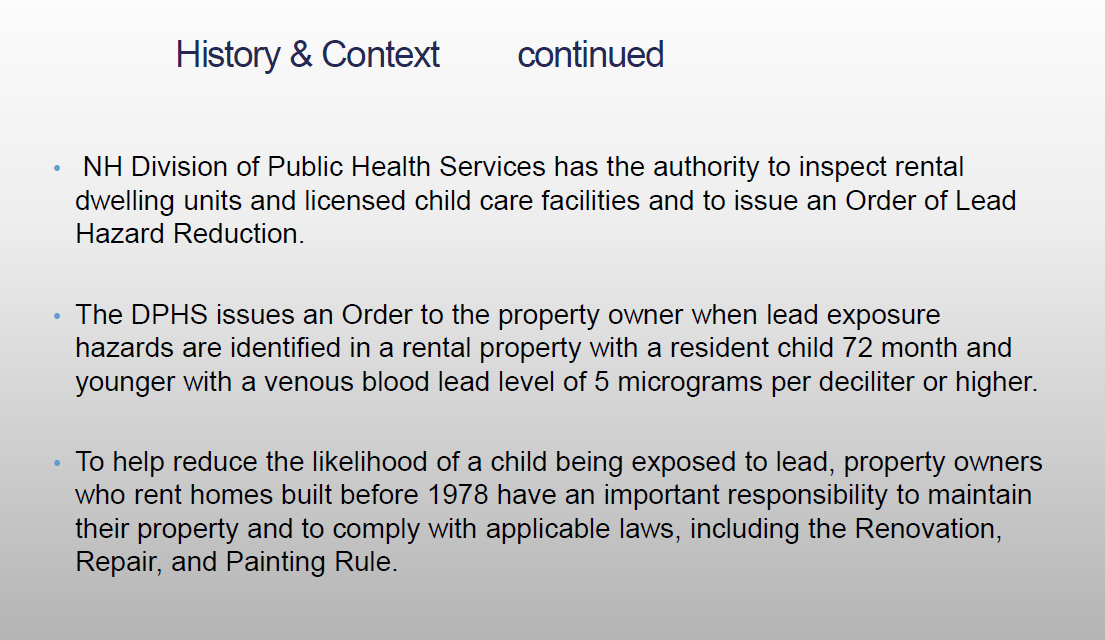
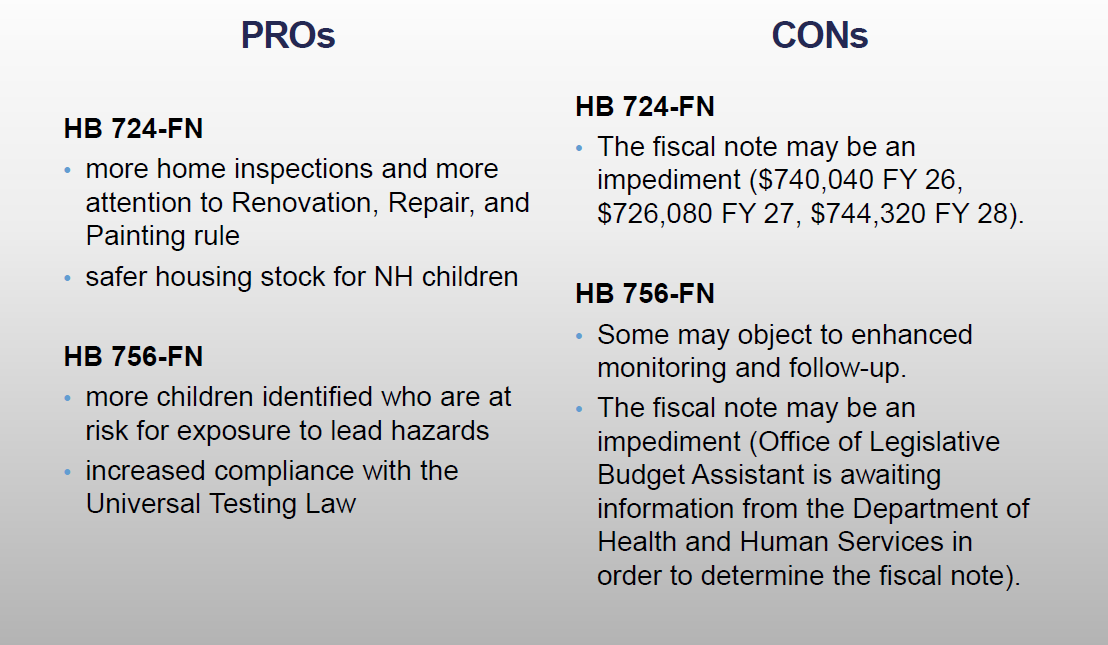
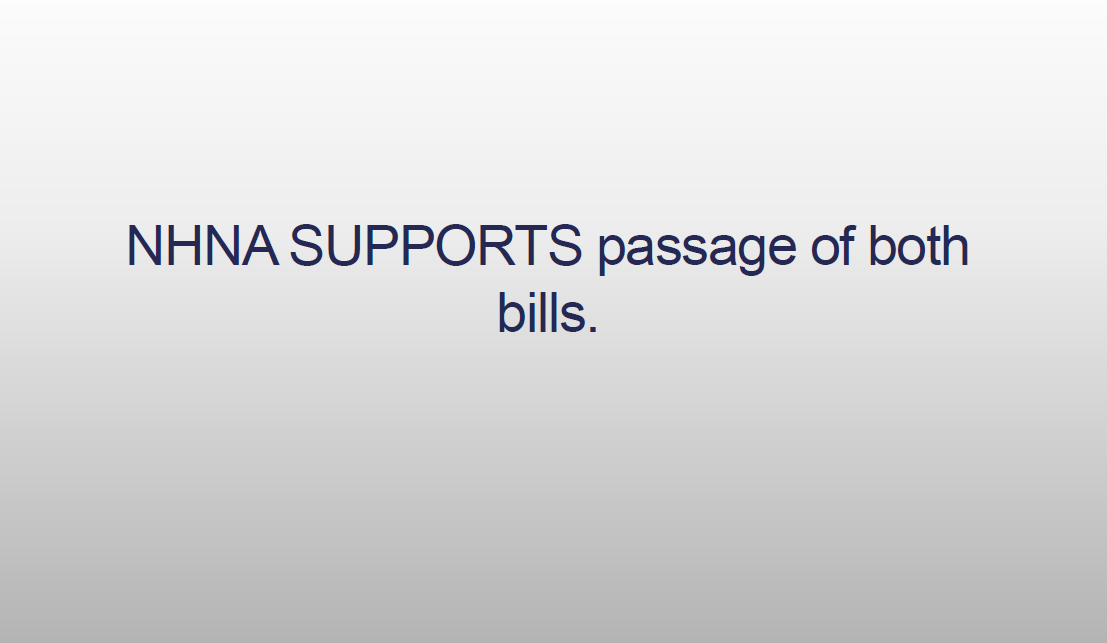
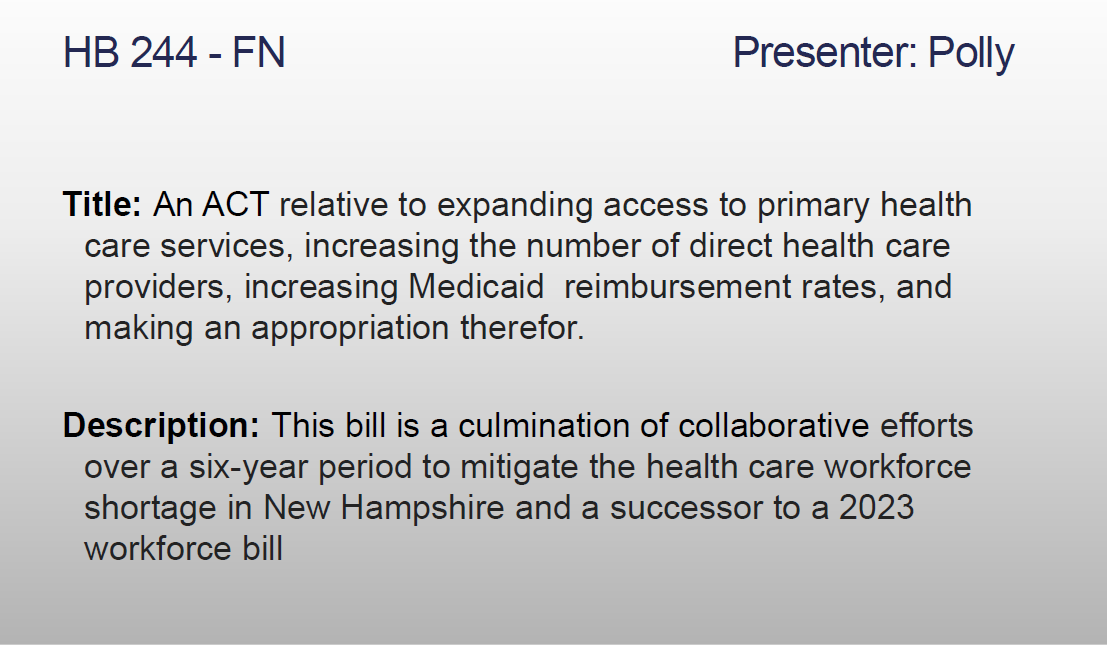
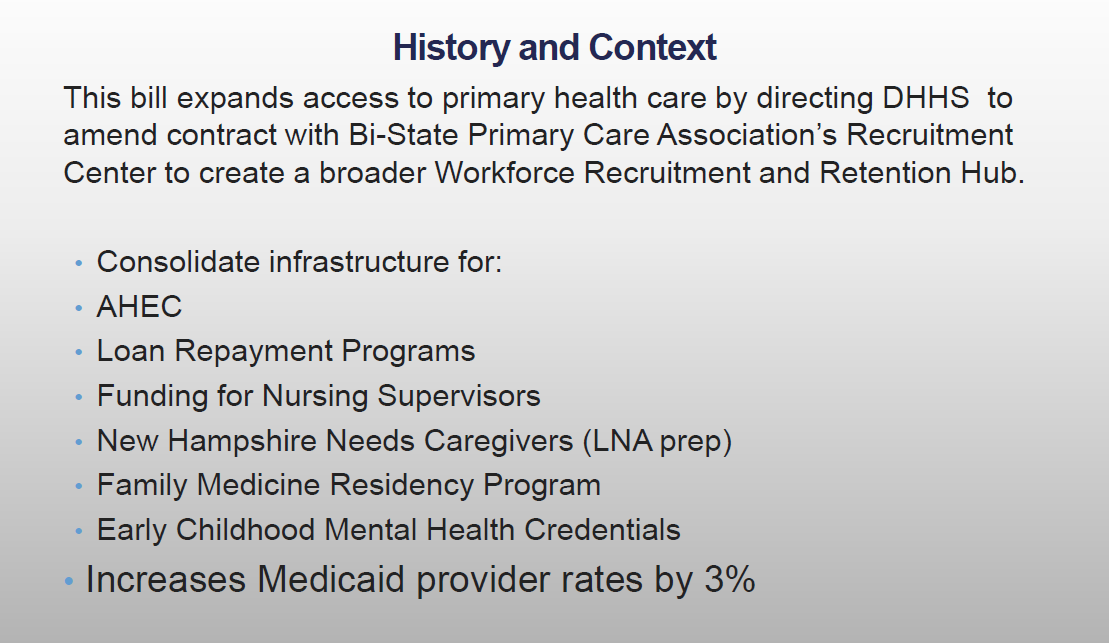

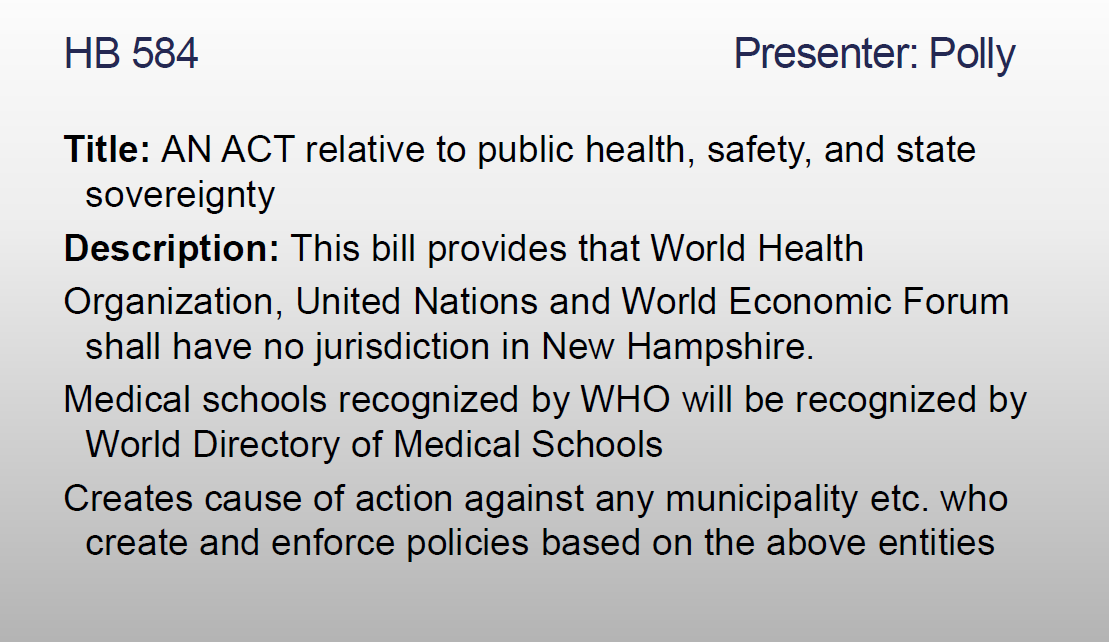

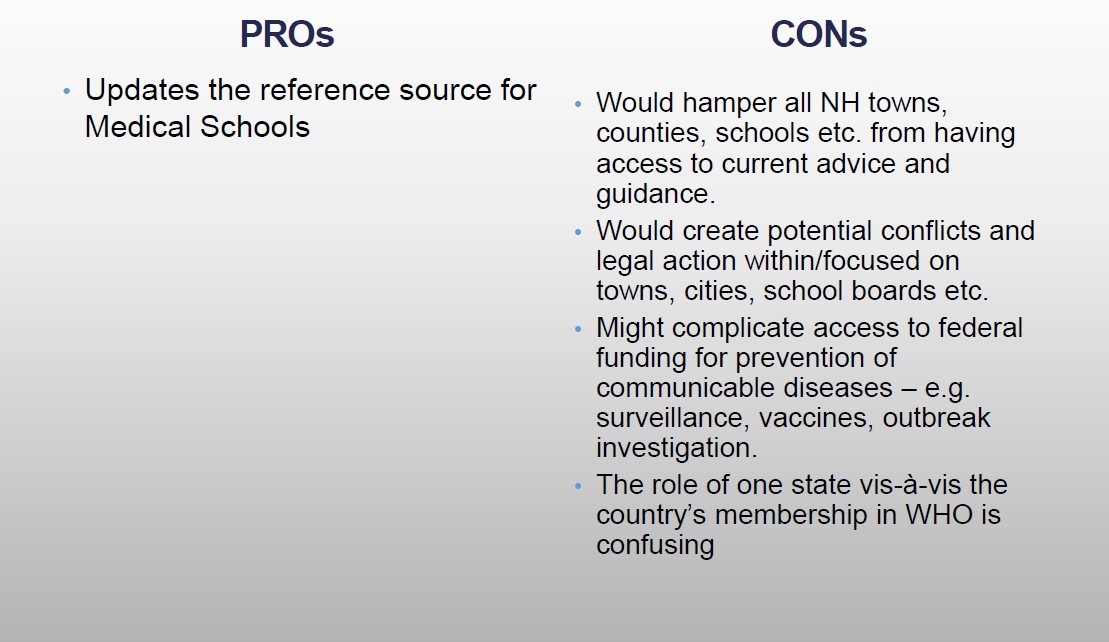
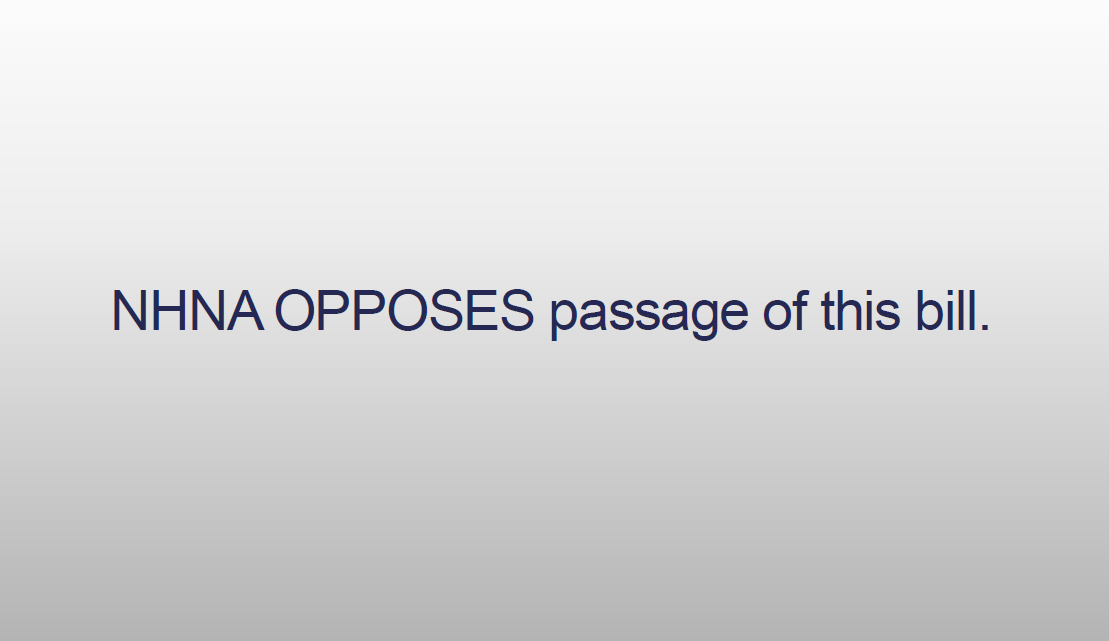
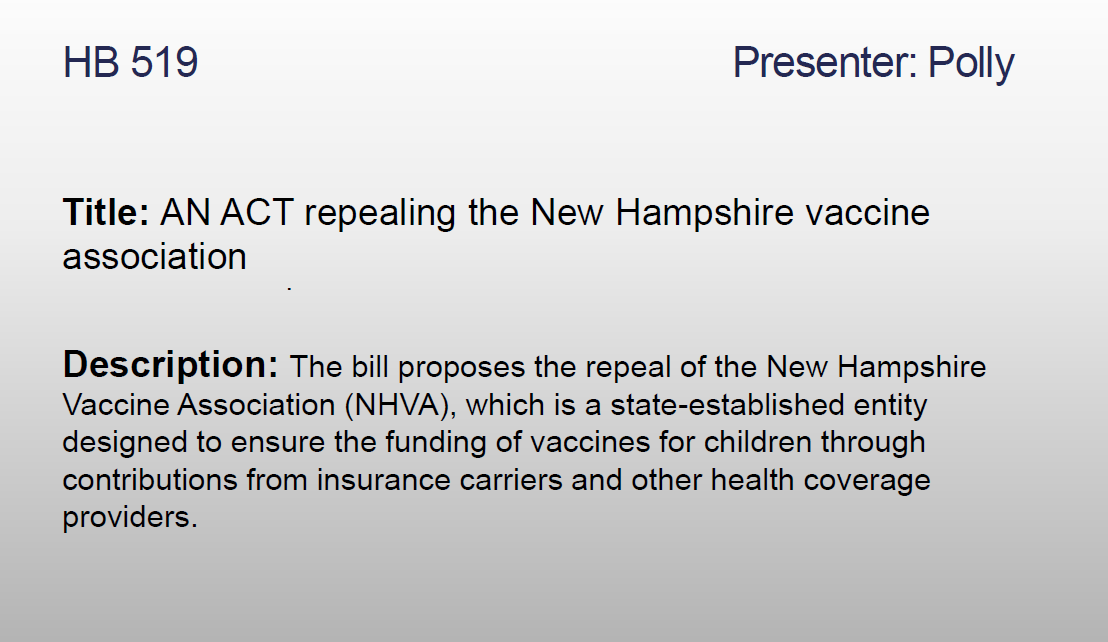
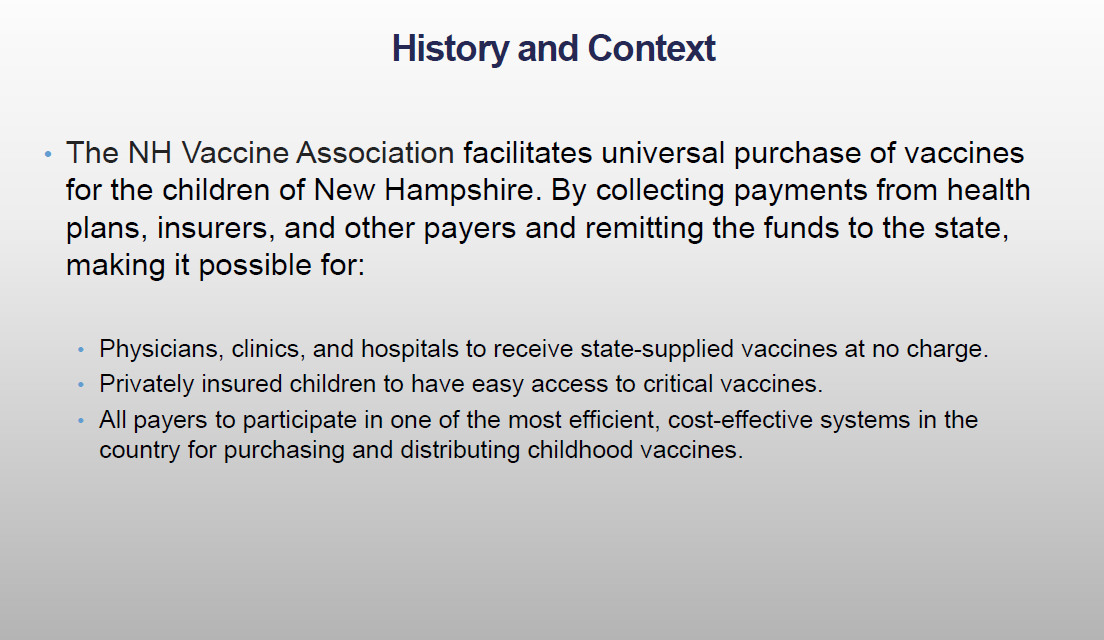
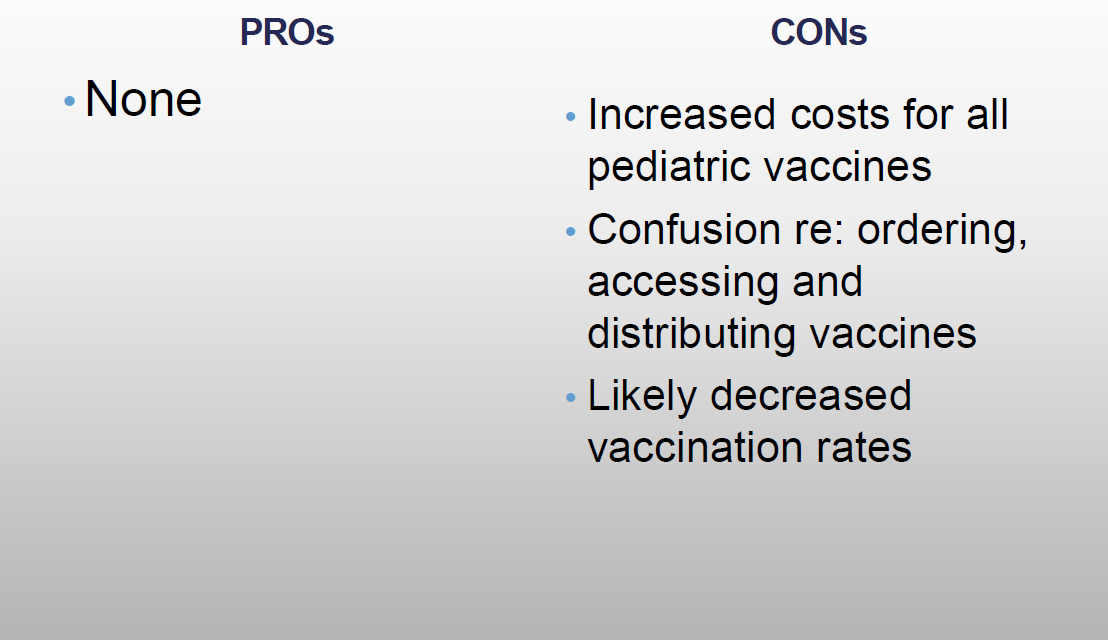
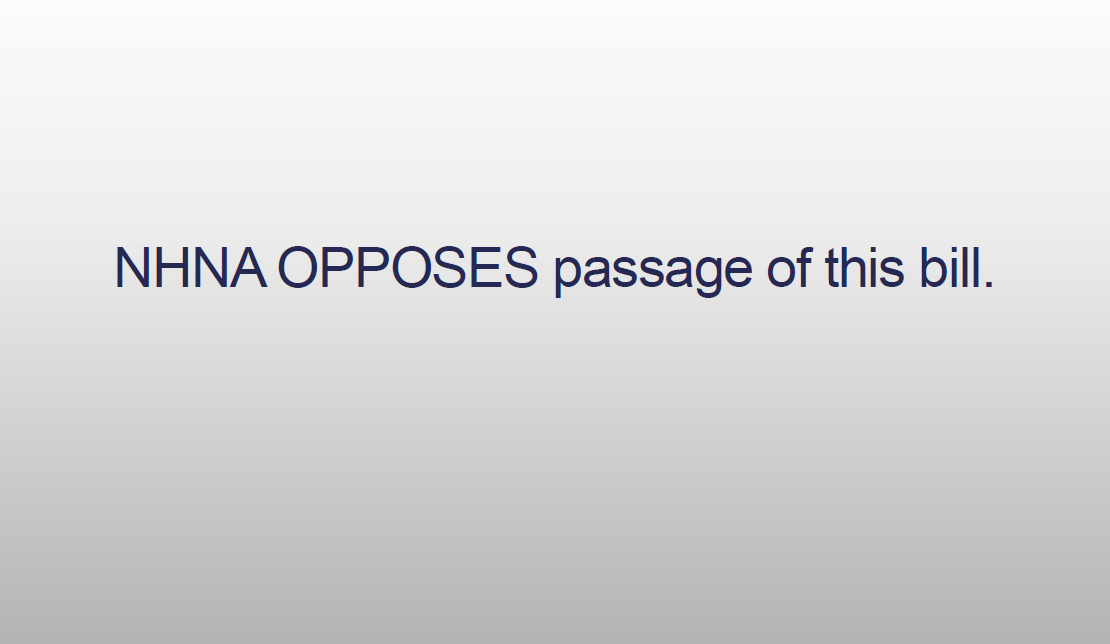

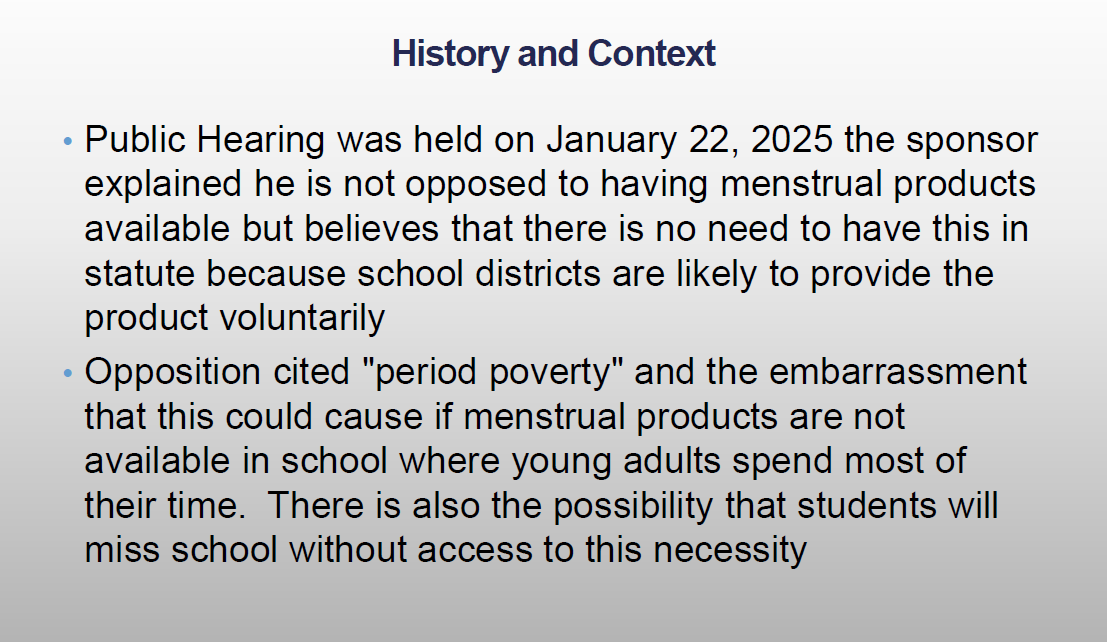
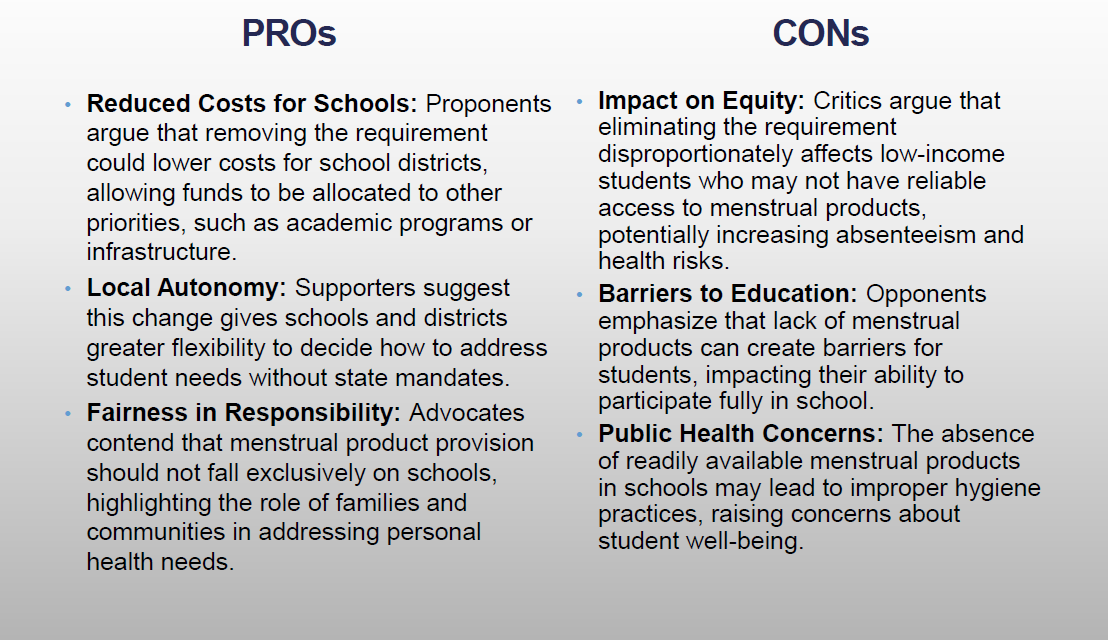

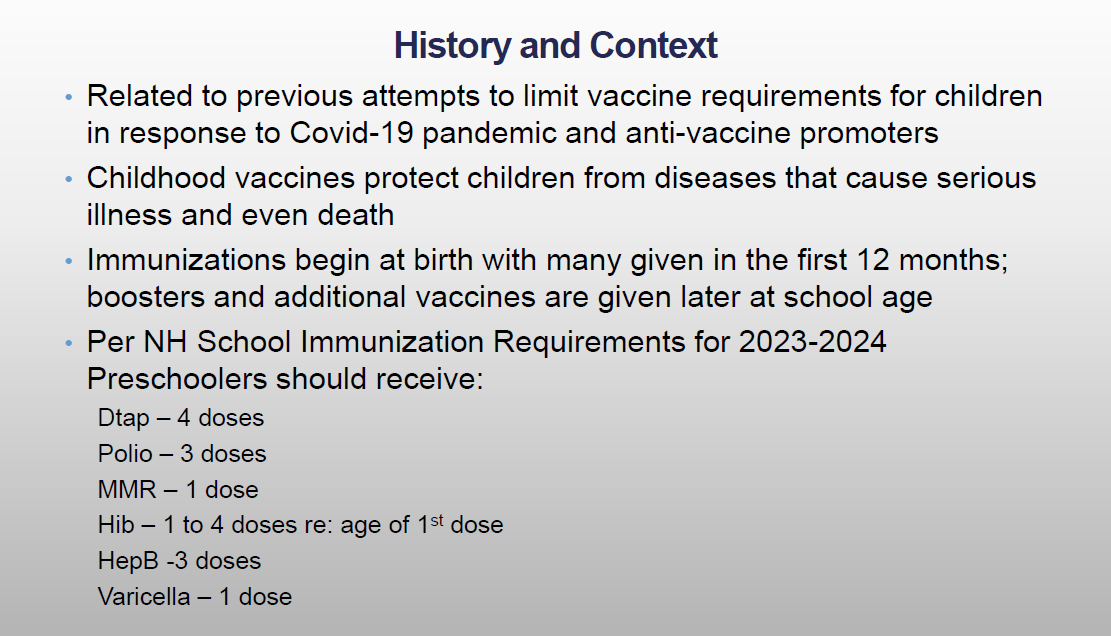
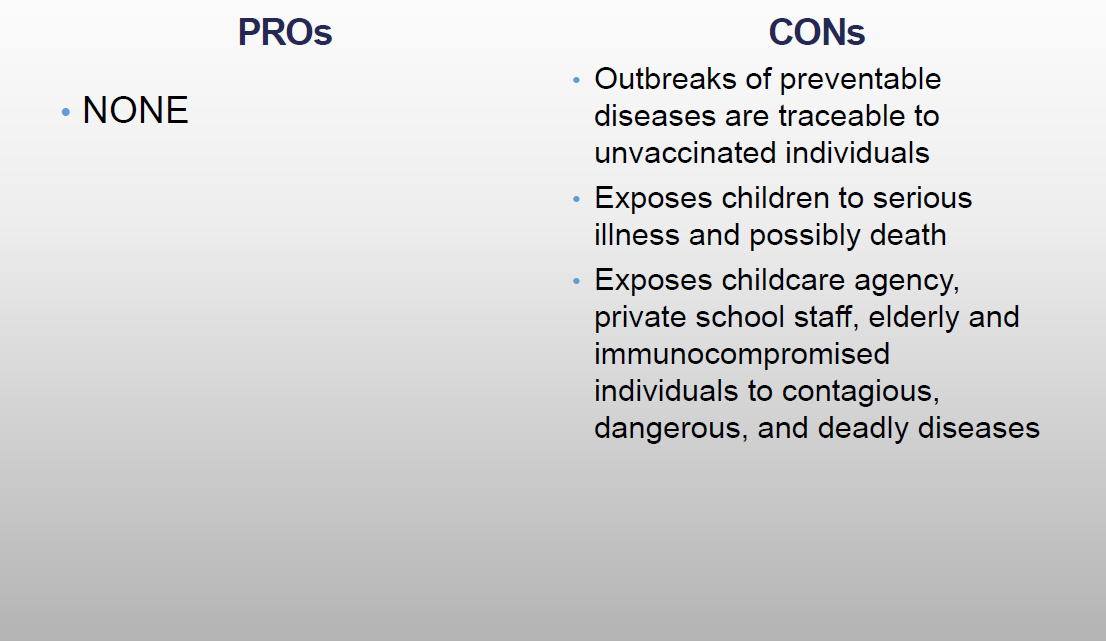
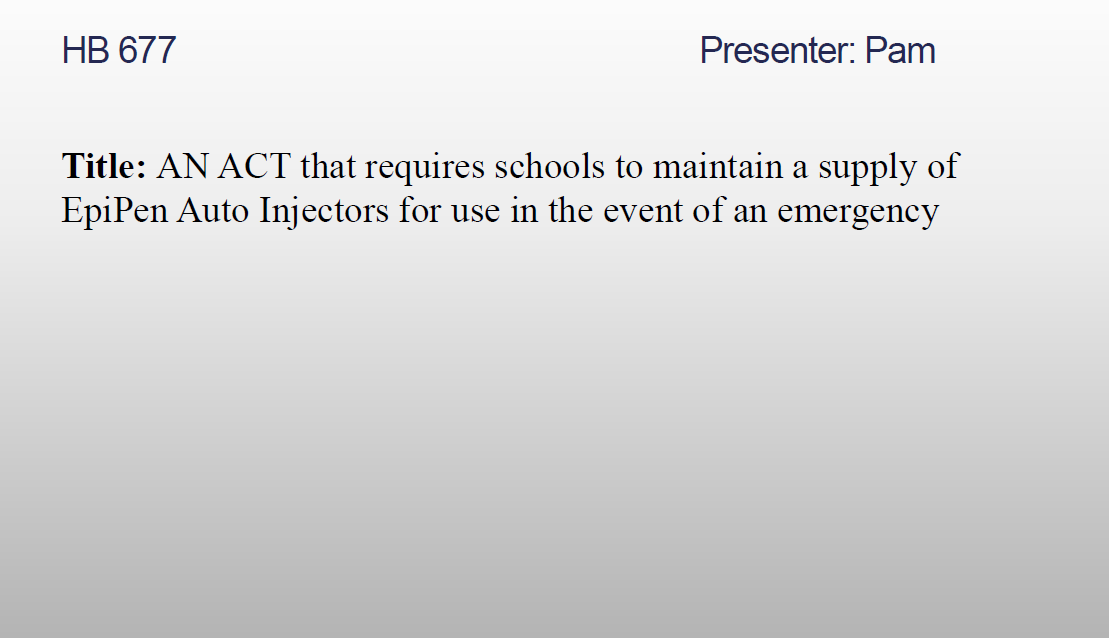
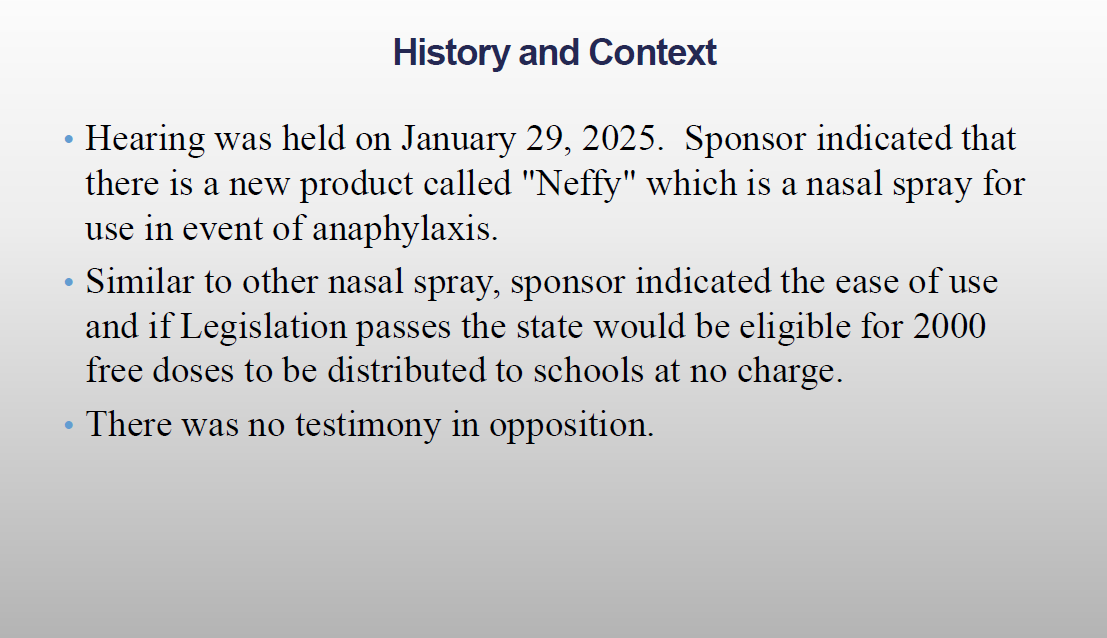
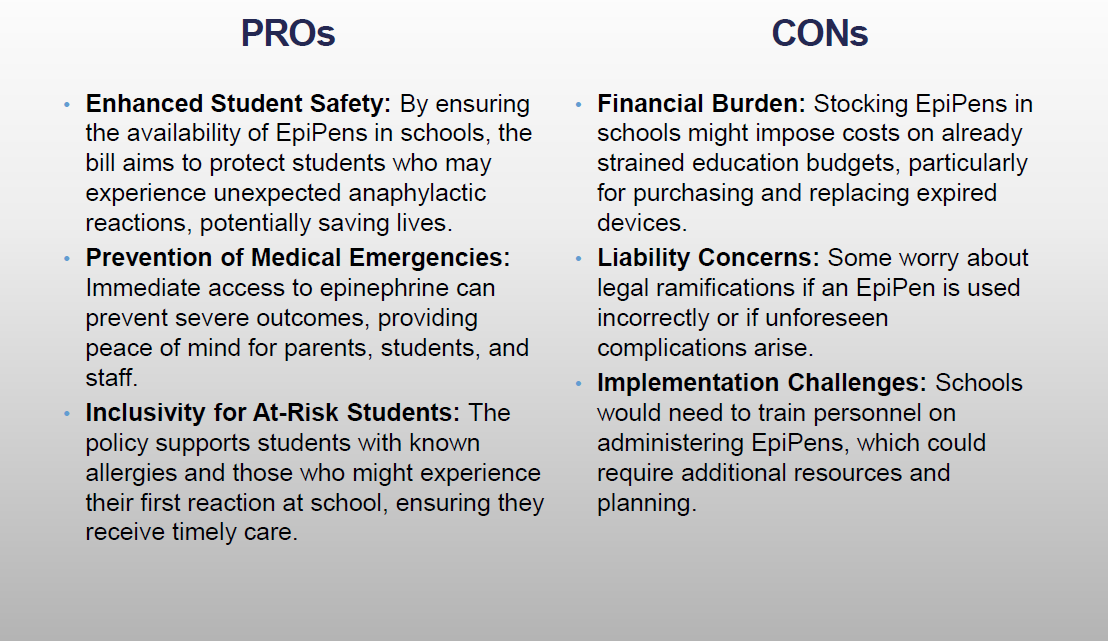

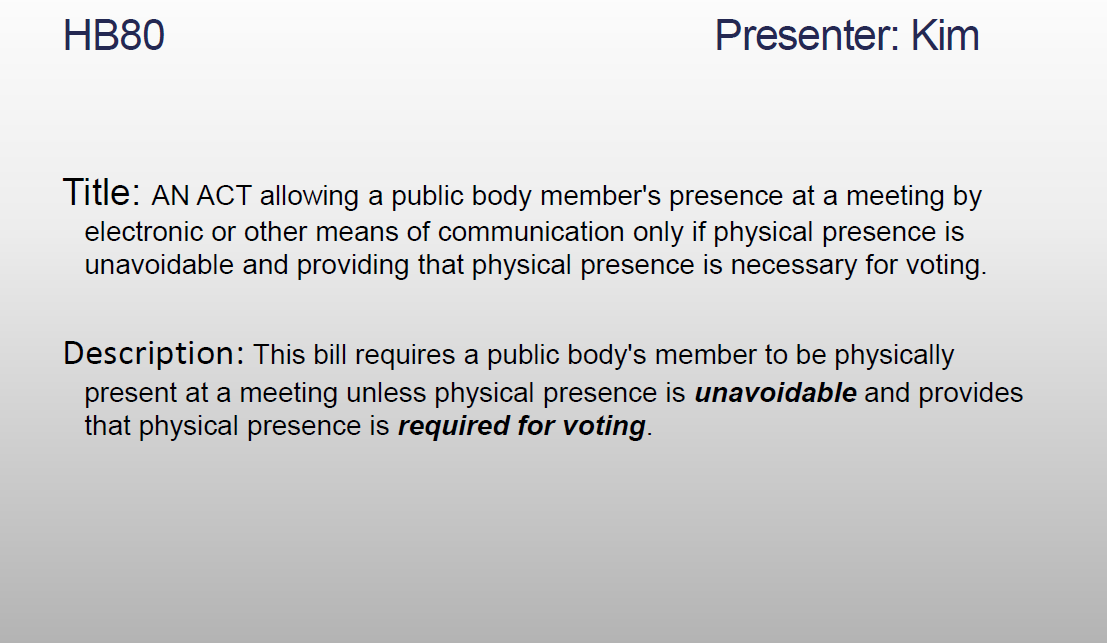
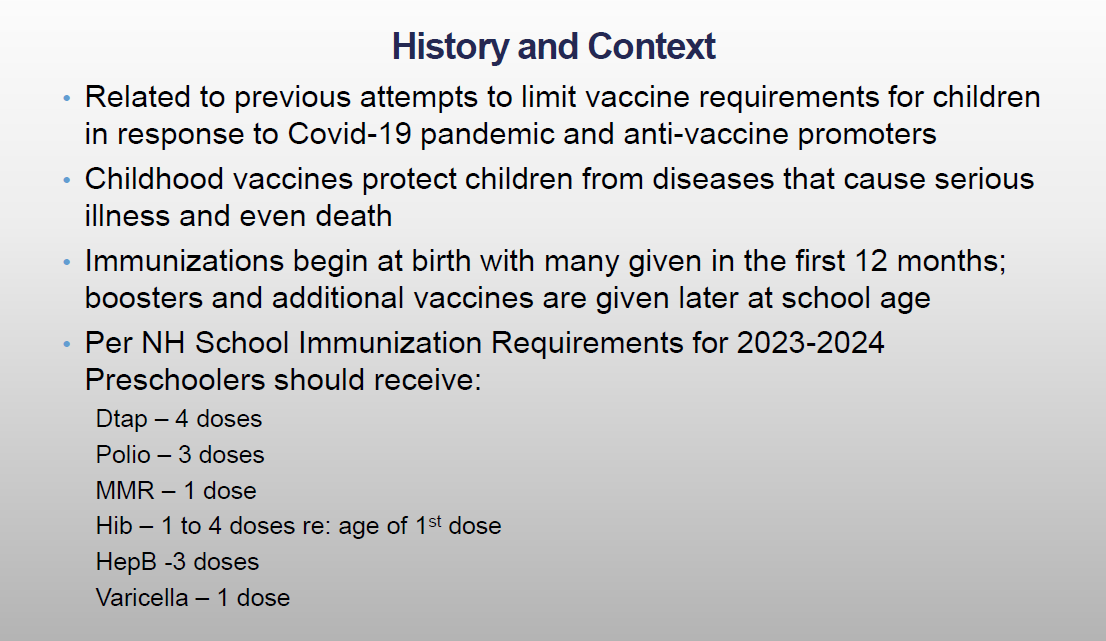

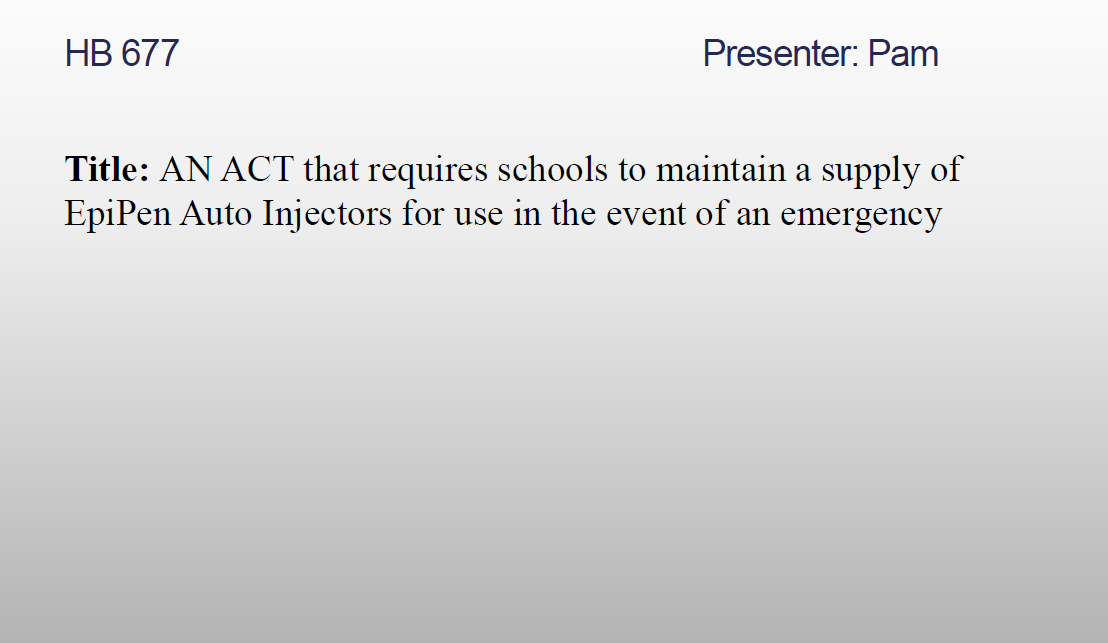

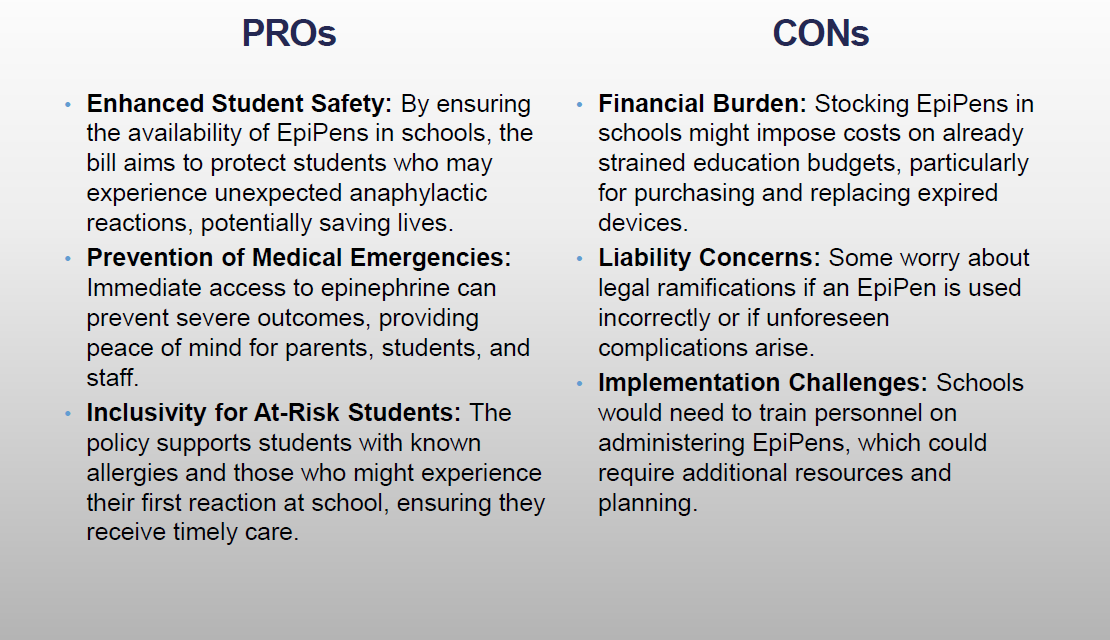
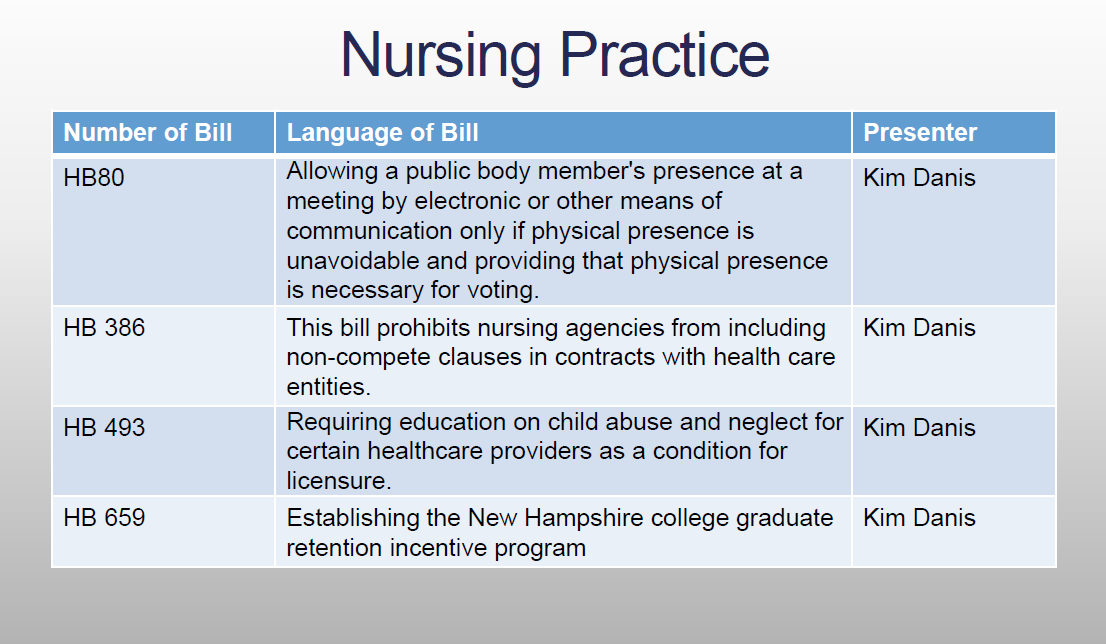
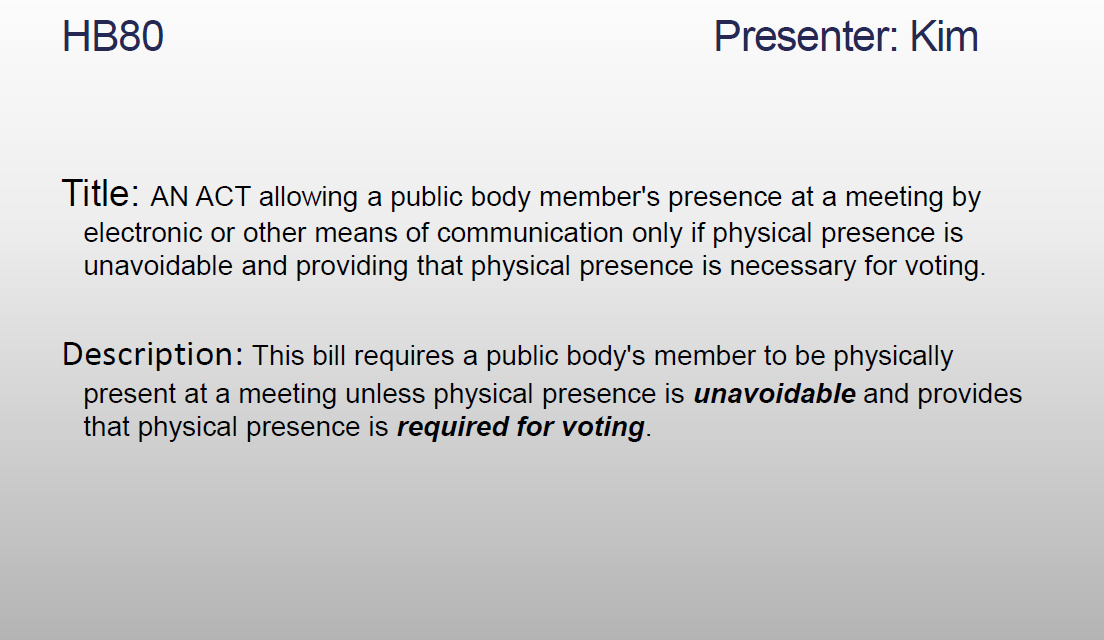

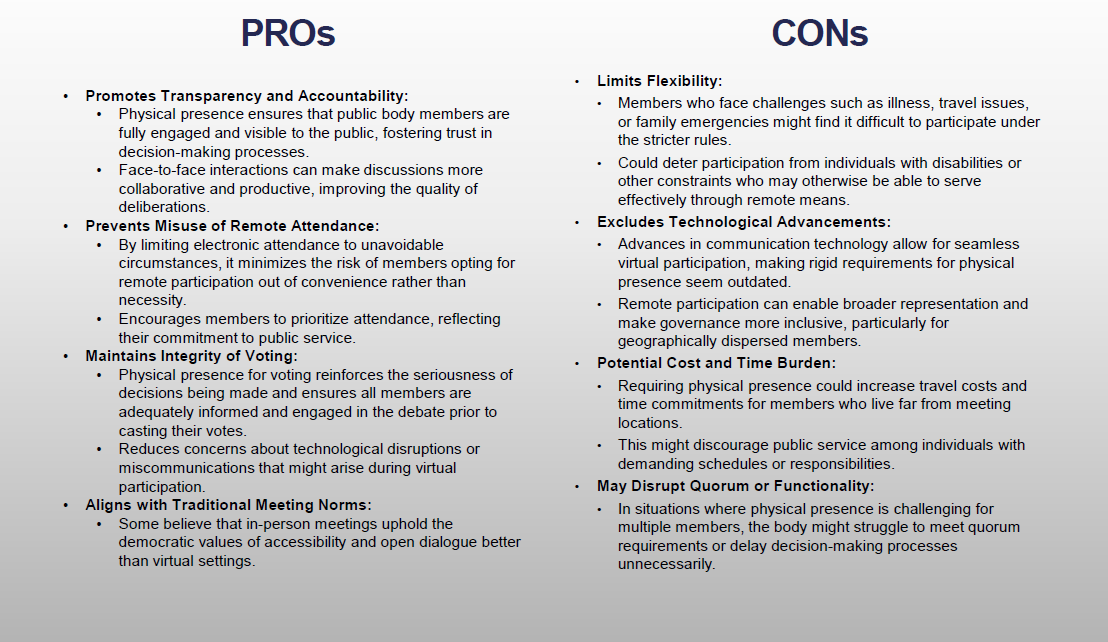
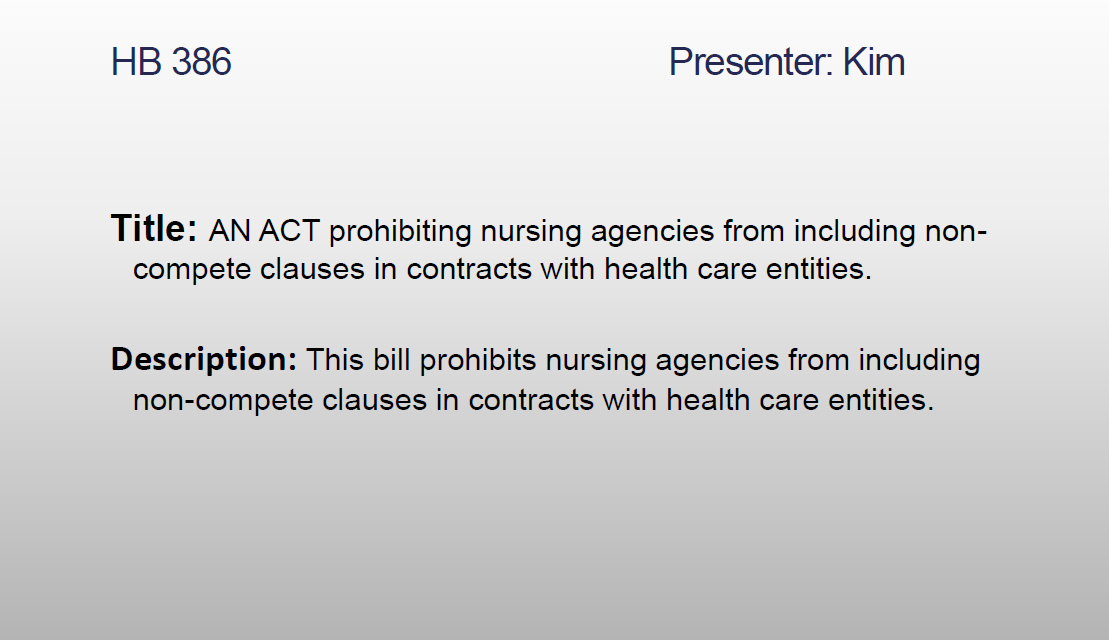
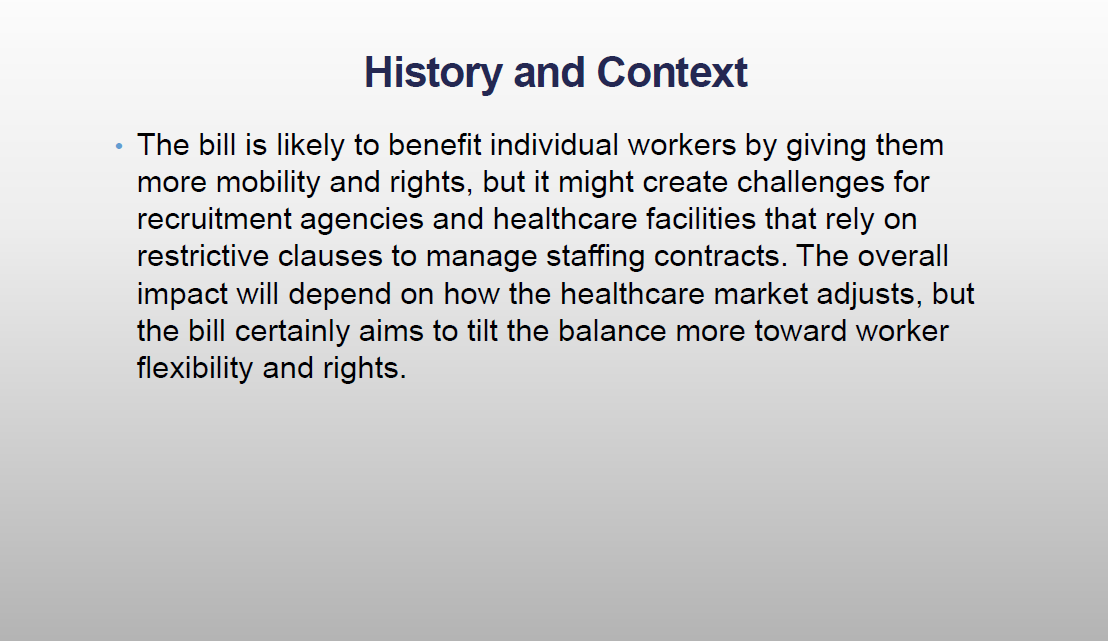
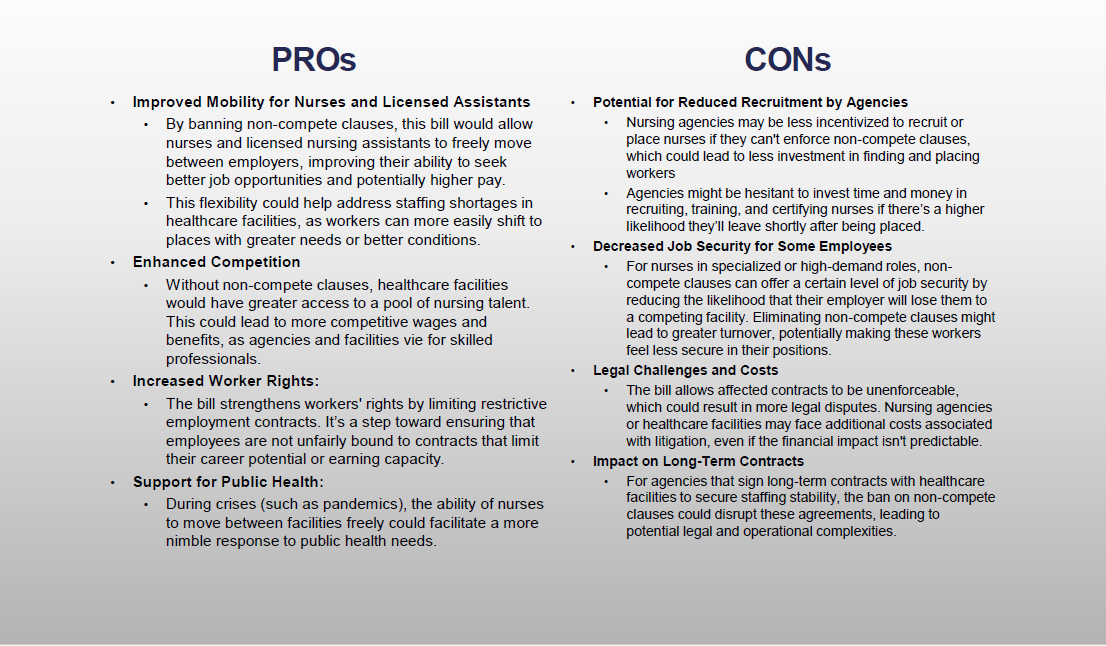
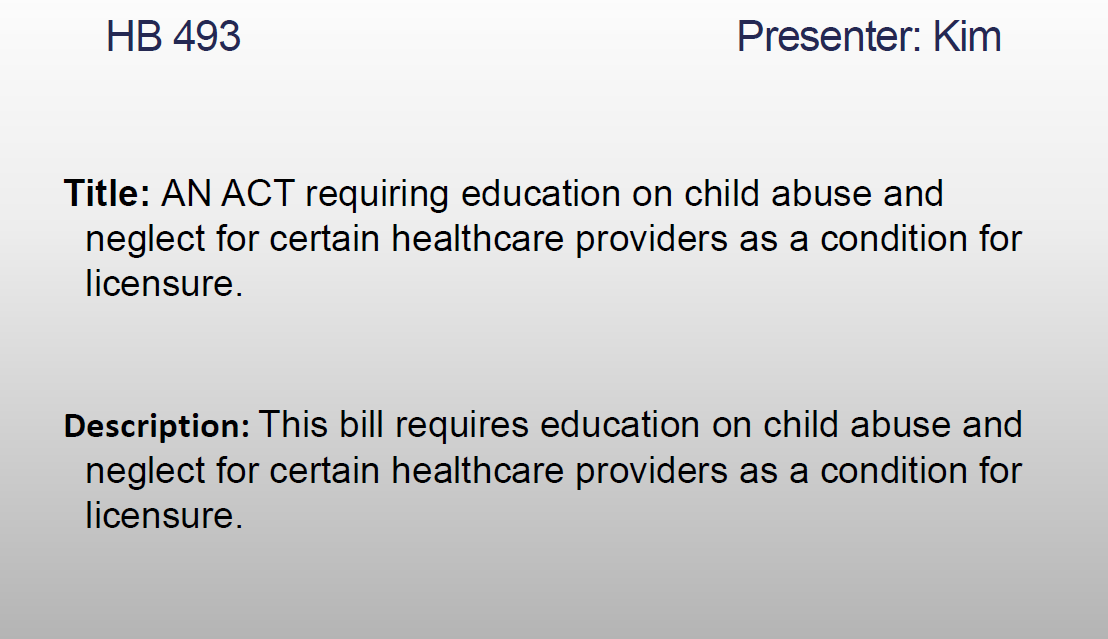


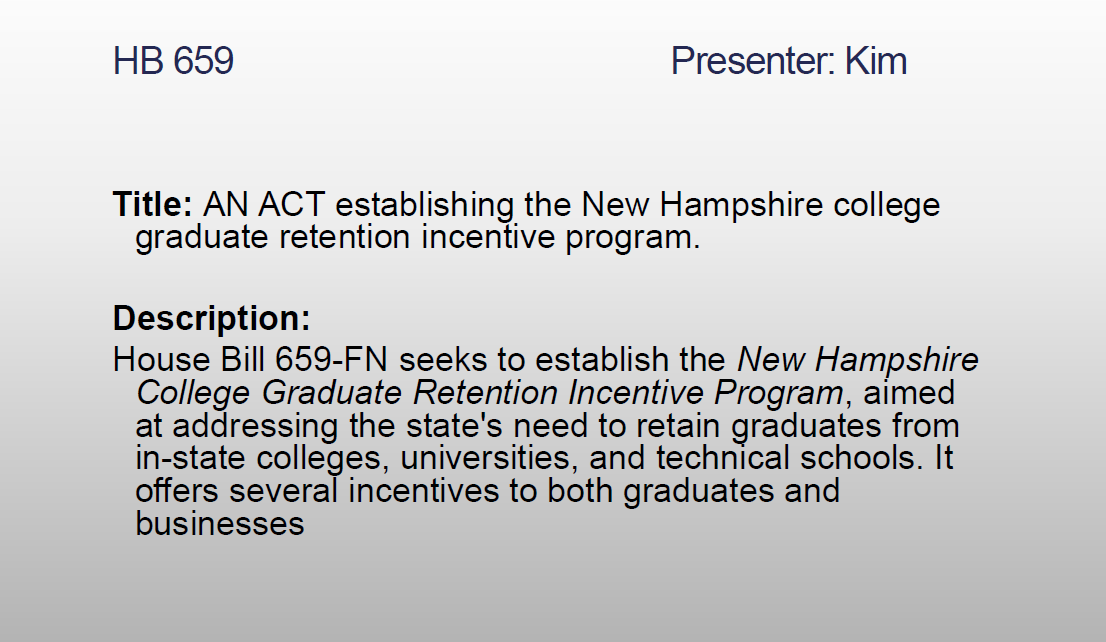
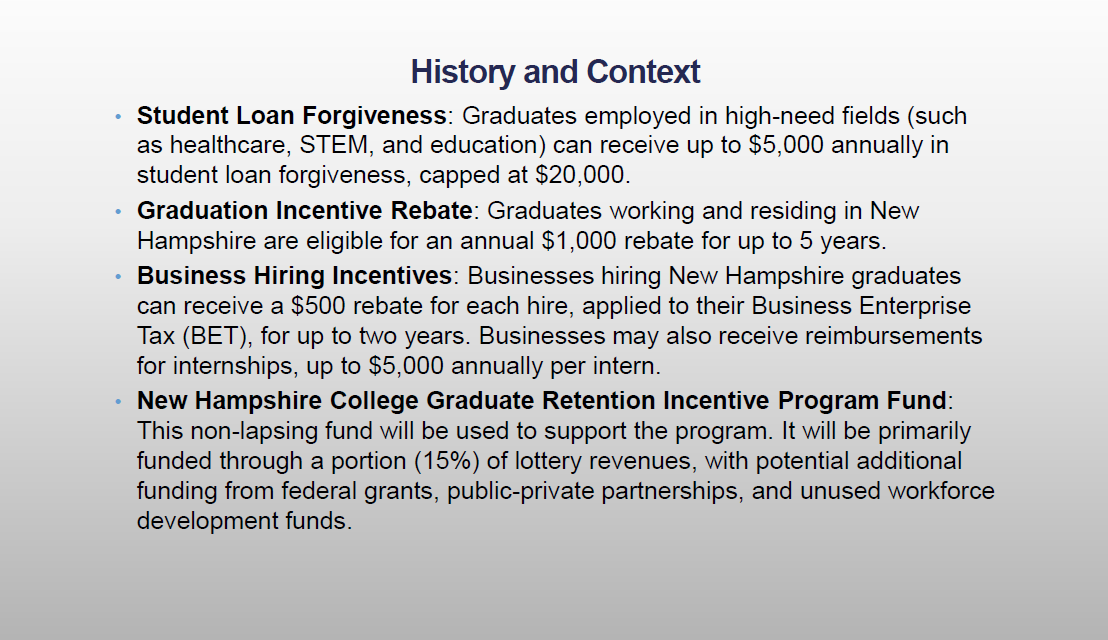
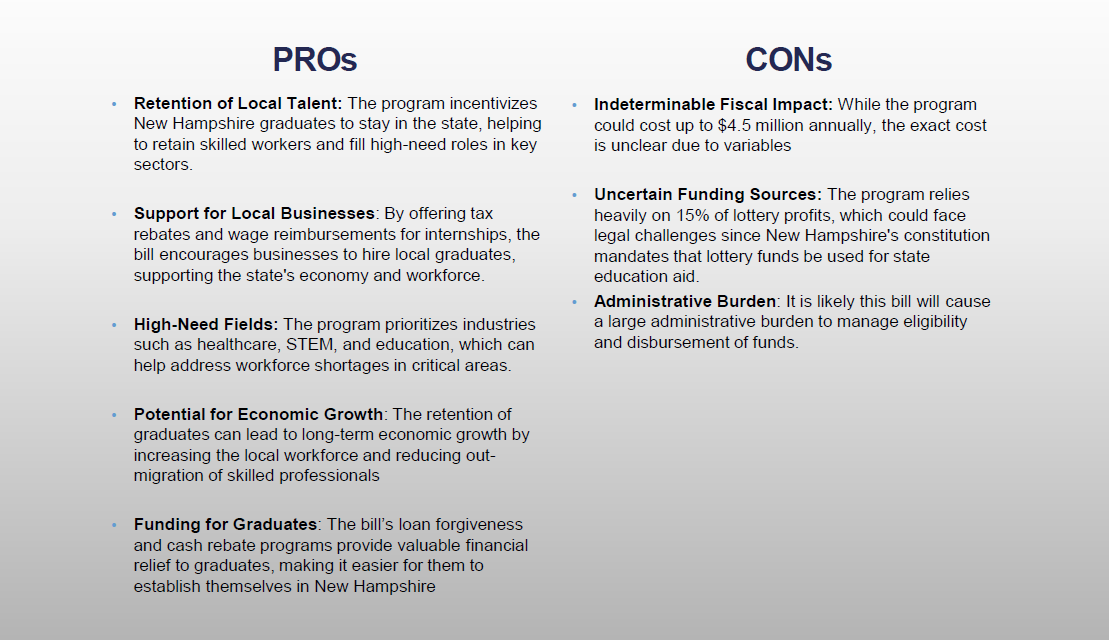
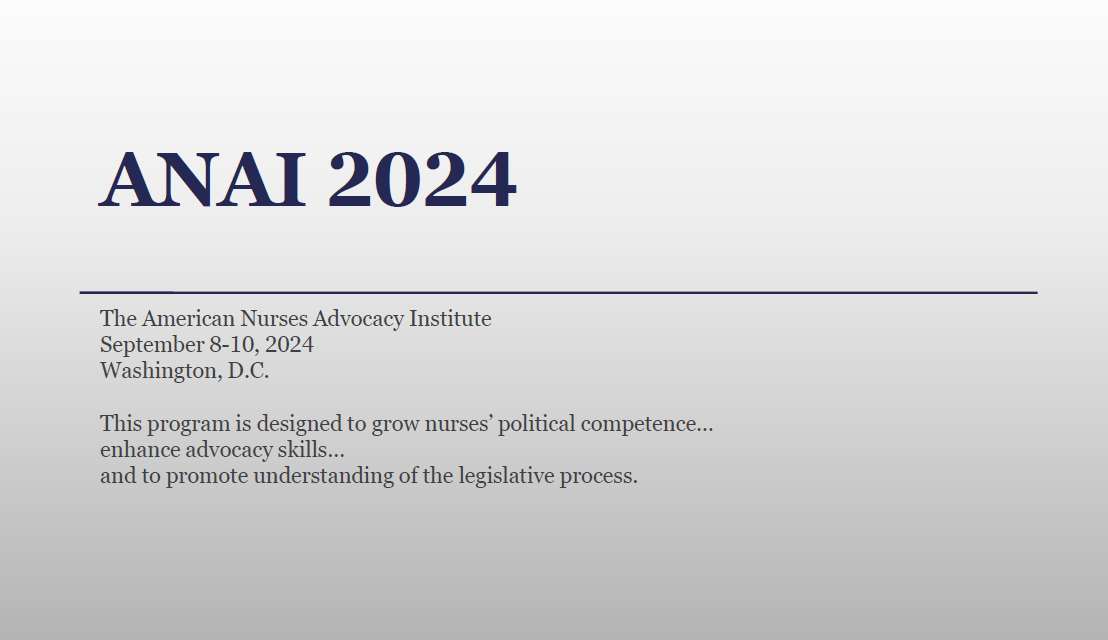
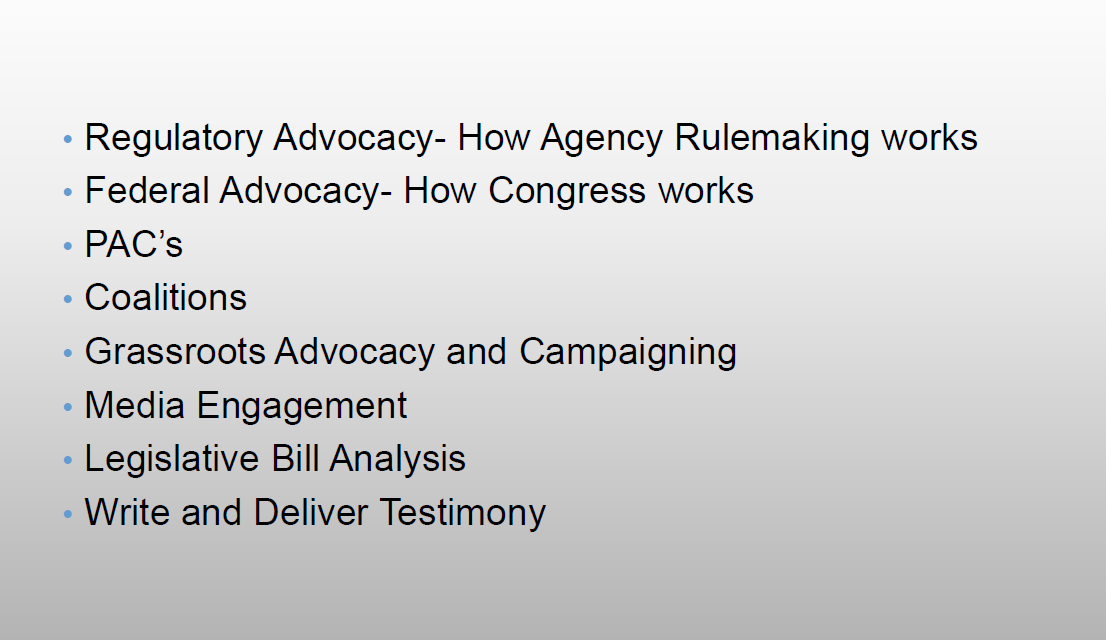
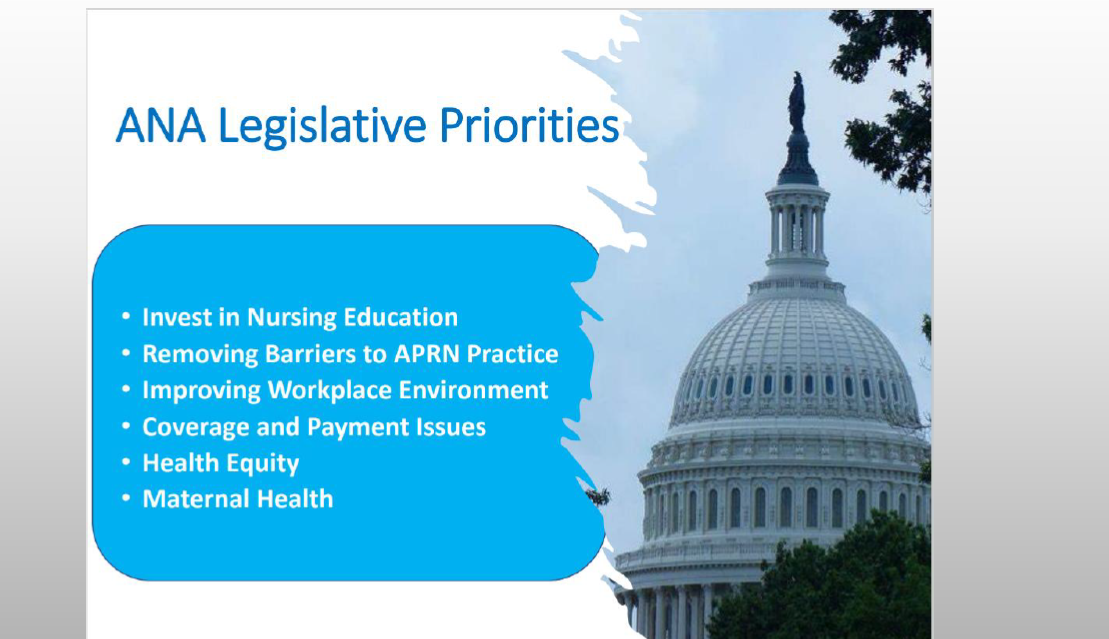
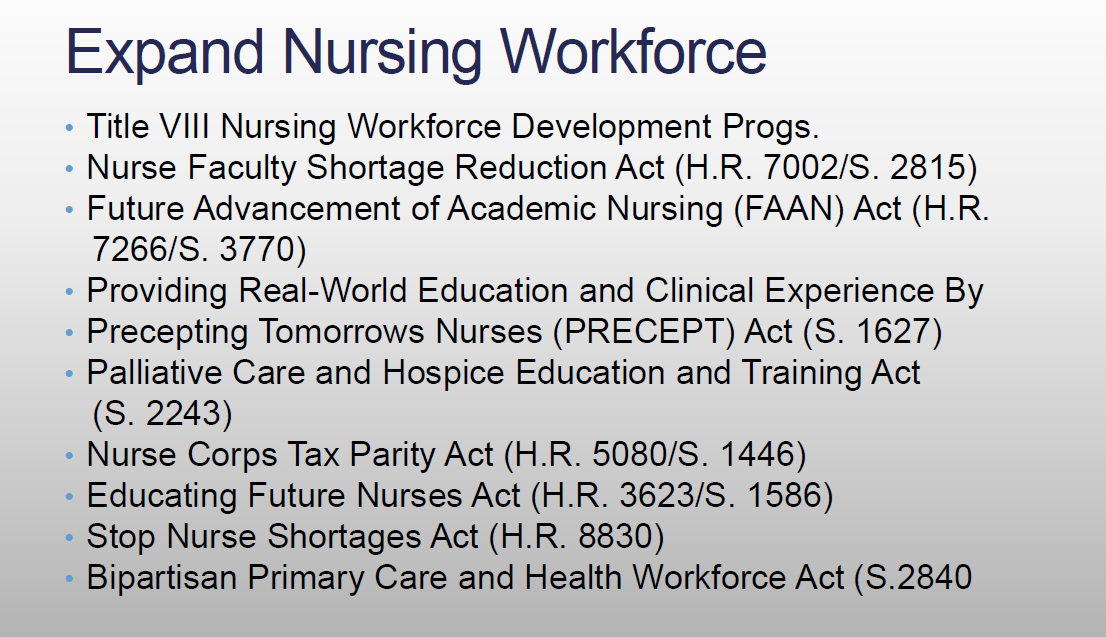
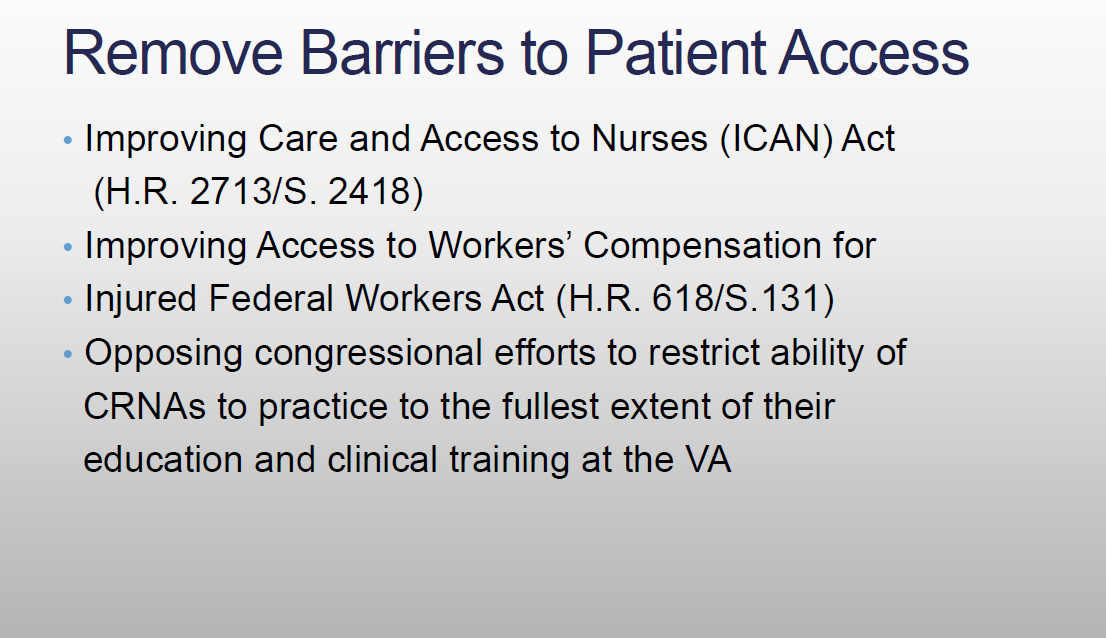

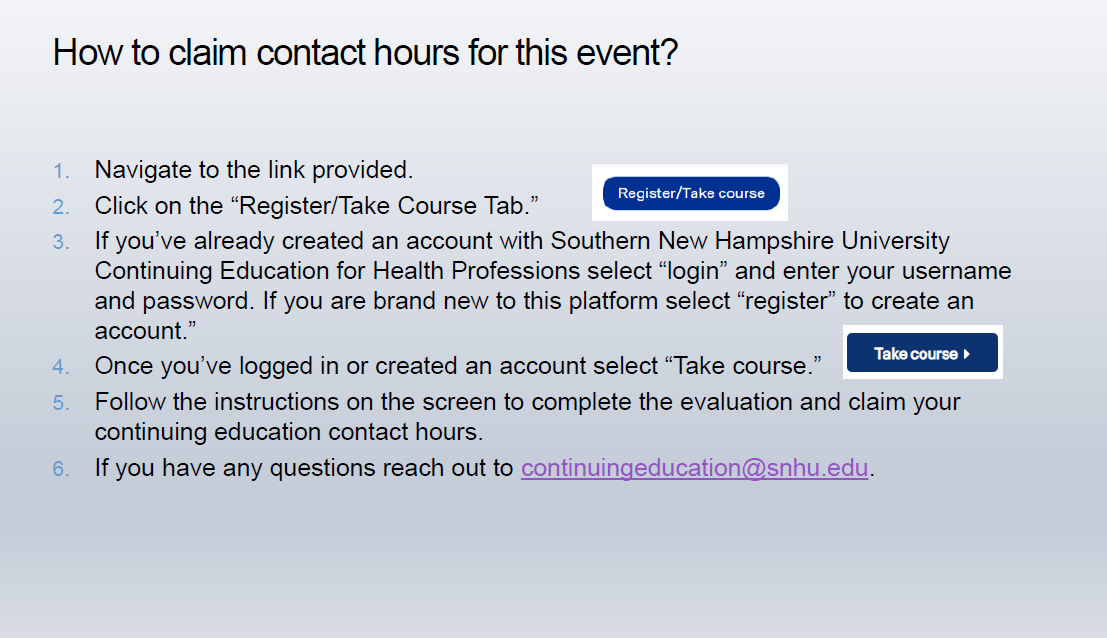
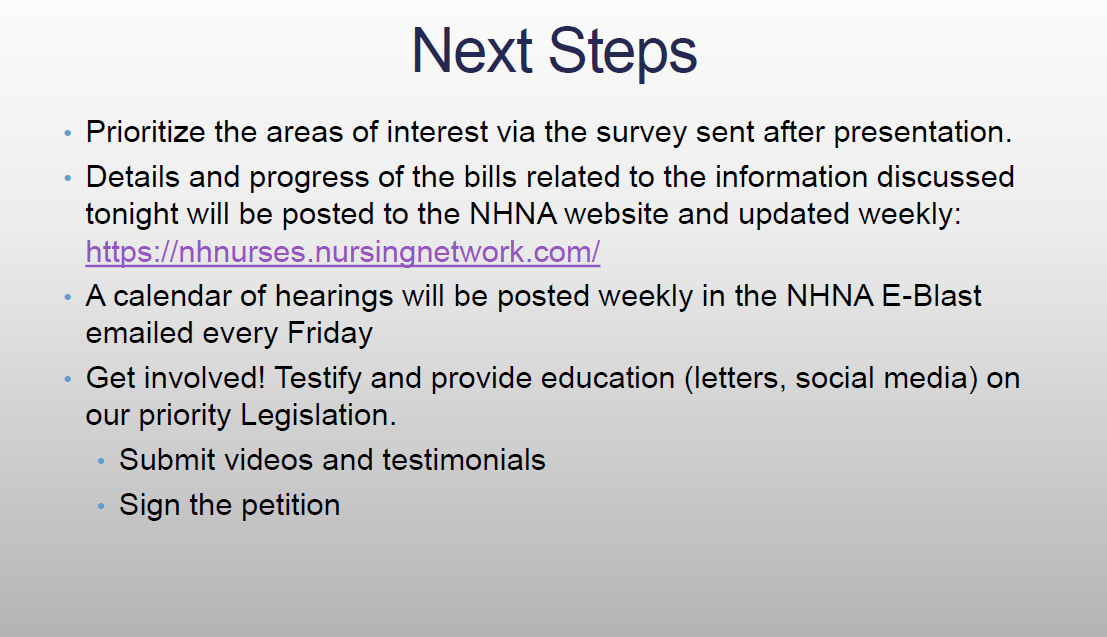
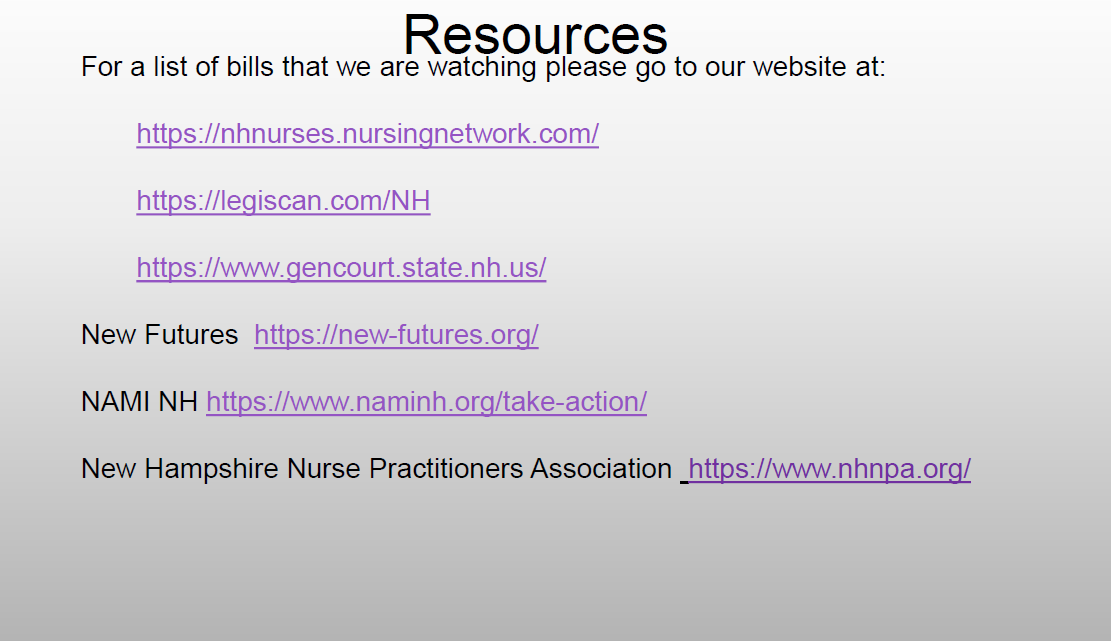

Full slides from our Legislative Town Hall Forum are below. Scroll through to read in it's entirety.
Please look for our weekly Policy Alerts to take action!


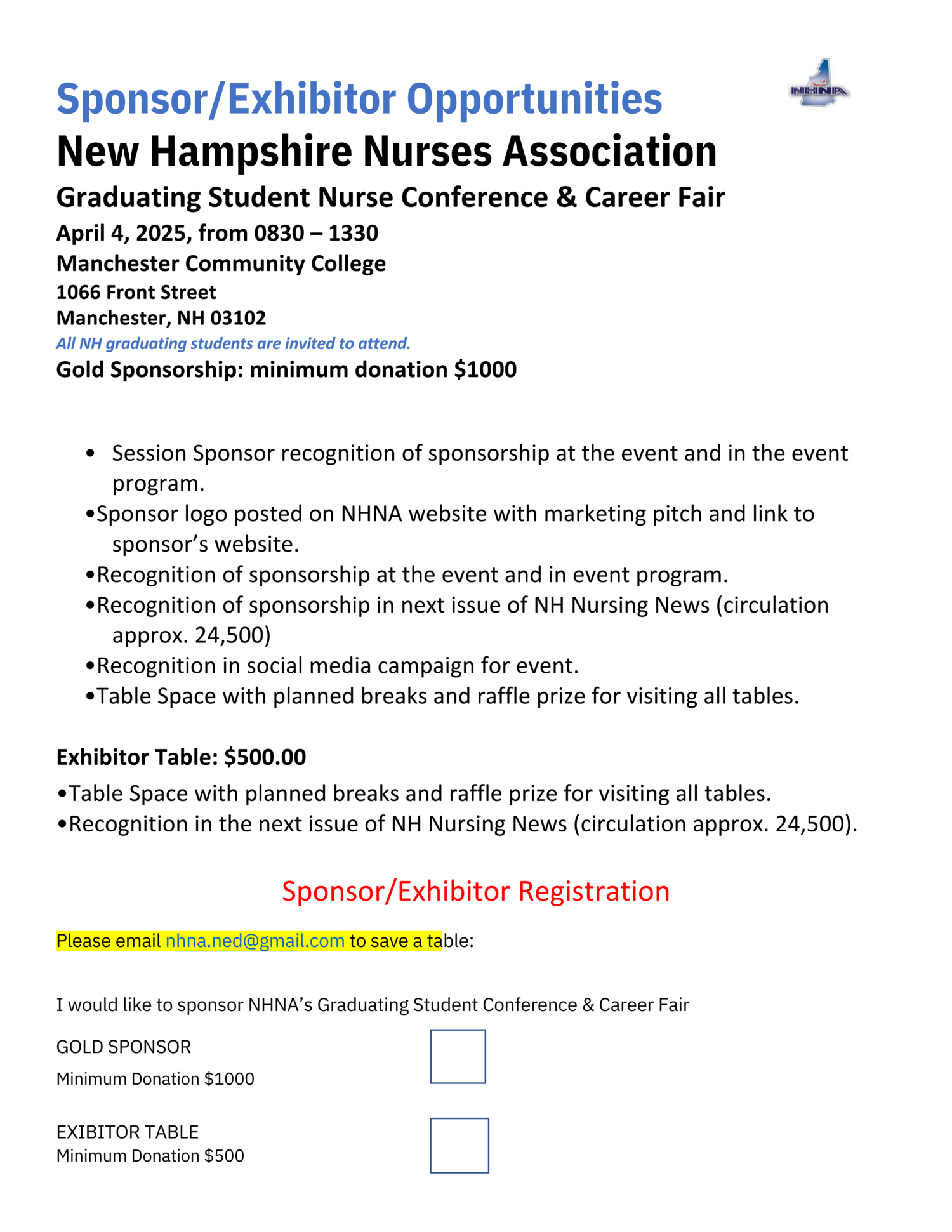
When: Friday, April 4th, 2025 8:30 AM - 3:30 PM
Where: Manchester Community College
1066 Front Street
Manchester, NH 03102
Theme: Advocating for Yourself and Your Patients
We still have space for one additional sponsor!!

Register below to attend and earn up to 7.5 contact hours, 3.75 contact hours for each day. You won’t want to miss our two keynote speakers for this year!
The New Hampshire Nurses Association in partnership with AHEC, submitted an application to the Innovation Challenge to build the infrastructure for a Nursing Workforce Center in NH!
If you would like to cheer us on at the in-person competition event, click to register: Join Us for the Innovation Challenge Events! - Healthforce NH
 Nurses Service Organization

Nurses Service Organization (NSO), in collaboration with CNA, has published our 4th Edition of the NSO/CNA Nurse Liability Claim Report. It includes statistical data and case scenarios from CNA claim files, as well as risk management recommendations designed to help nurses reduce their malpractice exposures and improve patient safety.
You may access the complete report, and additional Risk Control Spotlights, at: www.nso.com/nurseclaimreport.
This Nurse Spotlight focuses the analysis and risk recommendations regarding one of the most significant topics in the report and for nursing professionals: Healthcare Documentation.
While documenting care represents a critical component of nursing processes and standards, the electronic health record [EHR] has posed a level of complexity for nurses who are often challenged with why, how, what and where to document in a patient’s EHR.
Documentation deficiencies are contributing factors to many nurse professional liability claims, as well as license protection matters. However, in the 4th Edition of the NSO/CNA Nurse Liability Claim Report, failure to document or falsifying documentation closed claims, as an allegation of professional liability, increased in distribution and severity when compared to the 2011 closed claim report and the 2015 closed claim report. Below is an example of a professional liability claim asserted against a nurse due to the failure to document:
The patient was admitted to a rehabilitation facility after undergoing a right hip arthroplasty. Due to the patient’s other co-morbidities, her rehabilitation and recovery was slow and difficult. The patient’s health continued to deteriorate during her admission, until her death four months following admission. After the death of the patient, the family (plaintiffs) filed a complaint with the Department of Health (DOH) regarding the patient’s care at the facility.
The DOH investigated the complaint and cited 13 violations in the nursing standard of care. In particular, the DOH was critical of the absence of documentation related to care plans for the Foley catheter, the patient’s weight loss (from 93 to 77 pounds over four months), and neither shower nor self-care was documented for a timespan of more than five weeks. The insured registered nurse (RN) was the facility’s wound care nurse, and the DOH’s investigation found several violations of the nursing standard of care specific to the RN’s lack of documentation. First, the DON found a lack of documentation regarding a nursing incision wound for a period of approximately three weeks. The RN told the DOH surveyor that daily assessments were performed during that time, but, since the wound care orders were to leave the right hip incision wound open to air, no treatment was performed, so the RN did not document anything. The patient also had a left heel pressure injury that was not healing, and the RN agreed that this non-healing injury had not been appropriately assessed or documented. Moreover, the director of nursing informed the DOH surveyor that the RN was required to perform weekly assessments on all patients in the facility. However, none were noted in the patient’s healthcare information records during a three-month period.
After seeing the DOH report, the family sued the facility and sued the insured RN separately. Knowing the challenges of the missing documentation and the negative DOH report, mediation was proposed with the plaintiffs. The total incurred amount to defend and settle this case on behalf of the insured RN was greater than $270,000.
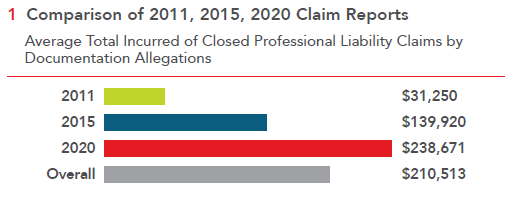
In the 2011 closed claim report, 0.2 percent ($31,250) of all closed claims were related to inadequate or inappropriate documentation as the primary allegation. This data increased slightly to 0.5 percent ($139,920) in the 2015 closed claim report. Respectively, in the 2020 closed claim report, documentation allegations represent 2.0 percent ($238,761) of all closed claims.
Figure 1 demonstrates the increase in severity of professional liability claims related to documentation allegations. While these professional liability claims occur infrequently in the 2011, 2015 and 2020 closed claim analyses, allegations related to documentation failures can be difficult to defend and often result in a license protection defense matter against the nurse.
A license protection matter and a professional liability claim reflect a number of differences. First, a license protection matter only involves the cost of providing legal representation to defend the nurse before a regulatory agency or State Board of Nursing (SBON). On the other hand, professional liability claims include an indemnity or settlement payment. Second, license protection matters asserted against a nurse’s license to practice may or may not involve allegations related to patient treatment and care. The Nurse Spotlight: Defending Your License provides an overview of the role of the State Board of Nursing in the legal/regulatory system, describes the disciplinary process, and imparts helpful recommendations on defending yourself if you were to receive a complaint summons.
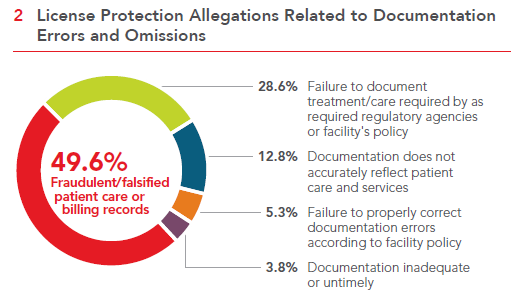
Figure 2 displays license protection matters with defense expense payments that involve allegations related to documentation. Documentation as a primary allegation comprises 9.7 percent of all license protection matters in the Nurse Liability Claim Report: 4th Edition. Approximately half of the license protection matters related to documentation involve an allegation of fraudulent or falsified patient care or billing records (4.8 percent).
A nurse’s license is one’s livelihood, and its protection is paramount. A nurse’s practice and behavior is expected to be safe, competent, ethical and in compliance with applicable laws and rules. However, when a complaint is filed, nurses must be equipped with the resources to adequately defend themselves. Being unprepared may represent the difference between a nurse retaining or losing the license to practice, a suspension or fine.
While documentation deficiencies may result in a professional liability claim and/or a license protections matter, nurses also may be subject to federal and state sanctions for knowingly falsifying healthcare documentation under the federal False Claims Act (FCA). The FCA imposes liability on any person who submits a claim to the federal government that they know (or should have known) is false. An example may be a healthcare provider who submits a bill to Medicare for medical services they know they have not provided. The False Claims Act also imposes liability on an individual who may knowingly submit a false record in order to obtain payment from the government. For additional information on fraud and abuse laws, please see the Office of Inspector General’s provider education materials on Fraud & Abuse Laws.
NSO/CNA is often asked about documentation risks and recommendations to minimize those risks. Nurses are certainly aware that there are patient healthcare documenting fundamentals. The healthcare information record is a legal document that is an essential tool to:
Because complete, accurate and legible healthcare records constitute an essential risk management measure, nurses should maintain proper documentation practices and follow facility policies and procedures governing appropriate and comprehensive records documentation. The facility’s healthcare record documentation policies and procedures should address, at a minimum:
Maintaining a consistent, professional patient healthcare information record is integral to providing quality patient care, ensuring consistent communication among all professionals caring for the patient, documenting patient care outcomes and response and establishing the basis for an effective defense in the event of litigation. The following guidelines can help reduce risk:

For additional information regarding medications and prescriptions, refer to the Nurse Spotlight: Medication Administration.
 American Nurses Association
From data to action
Strategies to achieve a sustainable nursing workforce
By American Nurses Association
In 2023, the Nurse Staffing Task Force, a collaboration between the American Nurses Association (ANA) and the American Association of Critical Care Nurses (AACN), an ANA organizational affiliate, outlined five imperatives, 16 recommendations, and 65 associated actions to actualize a sustainable nursing workforce. The five imperatives the Task Force cited as essential to resolving the nurse staffing crisis include reforming work environments, innovating care delivery models, establishing staffing standards that ensure quality care, improving regulatory efficiency, and valuing the unique contributions of nurses.
In the fall of 2023, the Task Force hosted a free, five-part interactive Project ECHO® webinar series to explore these proposed initiatives. More than 2,800 individuals participated by listening to featured Task Force member presentations and joining interactive, small group discussions.
The recordings, presentation materials, and follow-up questions from all five sessions are now available for anyone pursuing solutions to the nurse staffing crisis (hubs.ly/Q02kMCmQ0).
The series opened with Linda Cassidy, PhD, APRN, CCNS, CCRN-K, strategic advocacy manager at AACN, and Sarah Delgado, DNP, RN, ACNP, clinical practice specialist in strategic advocacy at AACN, exploring the imperative around reforming the work environment. Appropriate staffing, they suggested, is inextricably linked to the health of the work environment. Creating and sustaining a healthy work environment requires deliberate effort. They added that leaders play an essential role in this regard and must have support in doing so.
Healthy work environments, Cassidy and Delgado stressed, don't just happen---they take deliberate commitment and action by leaders---and have no finish line.
In the second session, Task Force members Vicki Good, DNP, RN, CENP, CPPS, chief clinical officer of AACN, and Lesly Kelly, PhD, RN, FAAN, scholar-in-residence for the Task Force, explored the value of nurses' unique contributions to healthcare. In hospitals' pay-for-performance models, various metrics track the value nurses add through direct benefits, cost avoidance, and cost savings.
If all RNs had a unique nurse identifier, as recommended by the Task Force, these data could be mined to quantify nurses' contributions via assessments, interventions, and outcomes.
Good and Kelly also outlined the advantages of a formalized and customizable organization-wide total compensation program, another Task Force recommendation. They described six actions that organizations might consider, such as implementing creative compensation for hard-to-fill shifts.
In Session 3, presented by Kiersten Henry, DNP, ACNP-BC, CCNS, CCRN-CMC, chief advanced practice provider at MedStar Montgomery Medical Center, and Katie Boston-Leary, PhD, MBA, MHA, RN, NEA-BC, director of nursing programs at ANA, considered how innovative care delivery models could improve patient and nurse satisfaction, reduce practice pain points, and yield better outcomes.
In Session 4, Michelle Buck, MS, APRN, CNS, senior policy advisor at the National Council of State Boards of Nursing, and Zina Gontscharow, MPP, senior policy advisor at ANA, examined how federal and state advocacy and state nursing regulation and policy affect initiatives to improve nurse staffing.
The final session, presented by ANA members Sherry Perkins, PhD, RN, FAAN, president of Luminis Health Anne Arundel Medical Center, Matthew McHugh, PhD, JD, MPH, RN, FAAN, professor and independence chair for nursing education at University of Pennsylvania School of Nursing, and Nancy Blake, PhD, RN, NEA-BC, FACHE, FAONL, FAAN, chief nursing officer at Los Angeles General Medical Center, explored the evidence base for establishing staffing standards. They also identified ways to advocate for enforceable policies that support staffing standards and discussed strategies for implementing them.
Collectively, these sessions offer nurses strategies and tools for progress in achieving a sustainable nursing workforce.
American Nurse Journal. 2024; 19(4). Doi: 10.51256/ANJ042448
Reprinted with permission from ANA on the Frontline in American Nurse Journal.
American Nurses Association
Innovation in motion
Award recipients advance digital tool, novel device
The American Nurses Association (ANA) Innovation Awards, sponsored by Stryker and offered annually, highlight, recognize, and celebrate nurse-led innovation that improves patient safety outcomes. The 2023 recipients provided updates as they continued developing their innovations.
2023 Individual Award
Robin Austin, PhD, DNP, DC, RN-BC, FAMIA, FNAP, co-developed the "MyStrengths + MyHealth" (MSMH) application, a digital tool that enables patients and consumers to compile comprehensive, whole-person health assessments. MSMH captures individual, family, and community self-identified strengths, challenges, and needs across 42 discrete concepts, including social drivers of health and resilience. Users self-report their health data across these concepts within the following four domains: my living, my mind and network, my body, and my self-care. Austin and her colleagues created MSMH in 2017 and collaborated with community members to ensure the language used in the tool is at an accessible, 5th grade reading literacy level.
Austin is using ANA Innovation Award money to do the following:
Redesign the MSMH user interface to enhance functionality of the application and make it more efficient and user friendly.
Integrate MSMH with clinical settings and currently existing electronic health record (EHR) systems.
Ensure patients' voices are included in EHRs.
"Our work going forward aims to use MSMH data within the clinical environment to facilitate a paradigm shift toward whole-person health and resilience and to include this data as part of a longitudinal care plan," Austin said.
2023 Team Award
Roxanne McMurray, DNP, APRN, CRNA, co-created the McMurray Enhanced Airway (MEA), the first distal pharyngeal airway device that improves airway management and patient safety in sedated patients. Unlike traditional airway devices, MEA extends beyond the tongue, providing a fast, easy, and effective way to open upper obstructed airways. The MEA simplifies positive pressure mask ventilation with intraoral ventilation and can help decrease or avoid hypoxia during intubation.
The ANA Innovation Award has enabled McMurray and her team at McMurray Medical to raise awareness and recognition of the MEA among nursing, emergency medical care, and anesthesia providers.
McMurray Medical also has:
Applied for European Union patents and obtained another U.S. patent.
Applied for a National Institutes of Health Small Business Innovation Research Direct-to-Phase II grant in collaboration with Stanford Medical Center to conduct a randomized controlled trial to compare the MEA with existing airway devices.
Published articles in peer-reviewed journals to provide evidence-based data and case studies that demonstrate MEA's efficacy and safety.
"The ANA Innovation Award has been a catalyst for the MEA's success and growth," McMurray said. "The award has enhanced MEA's reputation and exposure, as well as facilitated its development and dissemination. The award also validated MEA's contribution to advancing airway management practice to improve patient outcomes."
Oriana Beaudet, DNP, RN, PHN, vice president of nursing innovation at ANA, added, "The evidence-based medical device and technology innovations created by our 2023 winners are actively improving the health and outcomes of individuals and communities. To see both groups expand their work across the United States and internationally this year is extraordinary---we can't wait to see where they'll go next!"
The 2024 ANA Innovation Award winners will be announced in March 2024. More information about winners is available at nursingworld.org/innovation. Applications for the next cycle of the awards open on June 1, 2024.
American Nurse Journal. 2024; 19(3). Doi: 10.51256/ANJ032429
Reprinted with permission from American Nurse Journal.

Nursing associations are among the most trusted partners in healthcare. Align your brand with our association to support us, deliver your message alongside editorial level content, build brand awareness, & reach our highly engaged / established audience.
For sponsorship rates and information within this official state nursing association publication, please contact Nursing Network at advertising@nursingnetwork.com
We appreciate your support!