Massachusetts Report on Nursing
Table of Contents
President's Message My Journey as ANAMASS President Food for Thought Announcement: ANAMASS Awarded Reaccreditation
From the Editor Changes...
Scholarships & Awards ATTENTION - ANAMASS Awards/FNAMA Scholarship Applications NOW OPEN 2025 FNAMA Scholarship Recipients ANA Committee on Appointments Accepting Nominations
American Academy of Nursing Fellows American Academy of Nursing Announces the 2025 Class of Fellows
ANAMASS News Meet A Director - Paulette Vieira Meet Our New Graduate Director - David Nguyen Membership Engagement Committee News
Continuing Education/CE Corner ANCC to Implement Changes to NCPD Criteria Effective July 2026 CE Corner: Changing Criteria for NCPD Education
Health Policy News Issues That Need Your Attention ASAP! ANAMASS Lobby Day - Take Action Now!
Book Review Sisters in Arms
Personal Reflections Sonnet 23 Becoming a Nurse and An Important Transition Time in My Career
Events Fall Conference ANAMASS Quarterly "Drop-in" Calls (virtual)
Nursing News NELNE Nursing Scholarship Supports Future Nurse Educator Health Equity Leadership Program Nursing Archives Research Award Continuing Education from Regis College Case Study: Practicing Outside the Scope of License for a Registered Nurse, Failure to Maintain an Accurate Healthcare Information Record, and Failure to Maintain Minimum Standards of Nursing
Join ANAMASS Start Your Membership Today
Jun, Jul, Aug 2025

ANA Massachusetts is the premier organization representing the interests of the Commonwealth's more than 130,000 registered nurses.  We are the largest voluntary professional nursing organization in the state, with members who practice in settings ranging from acute care to community health, from the bedside to the boardroom.  Since 1896, ANAMASS members have helped define, regulate, and improve nursing to the benefit of nurses and patients in Massachusetts.  

President's Message
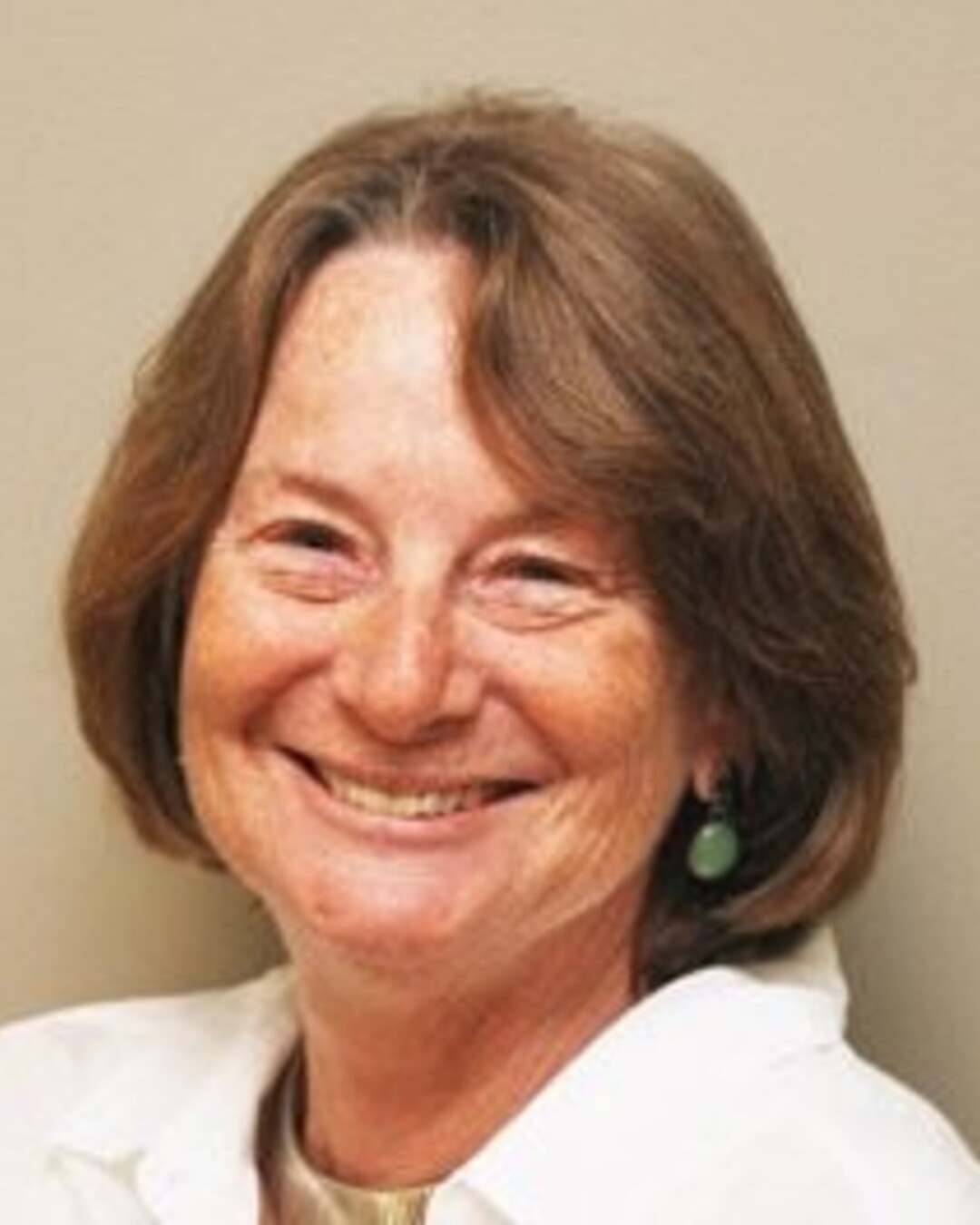
My Journey as ANAMASS President
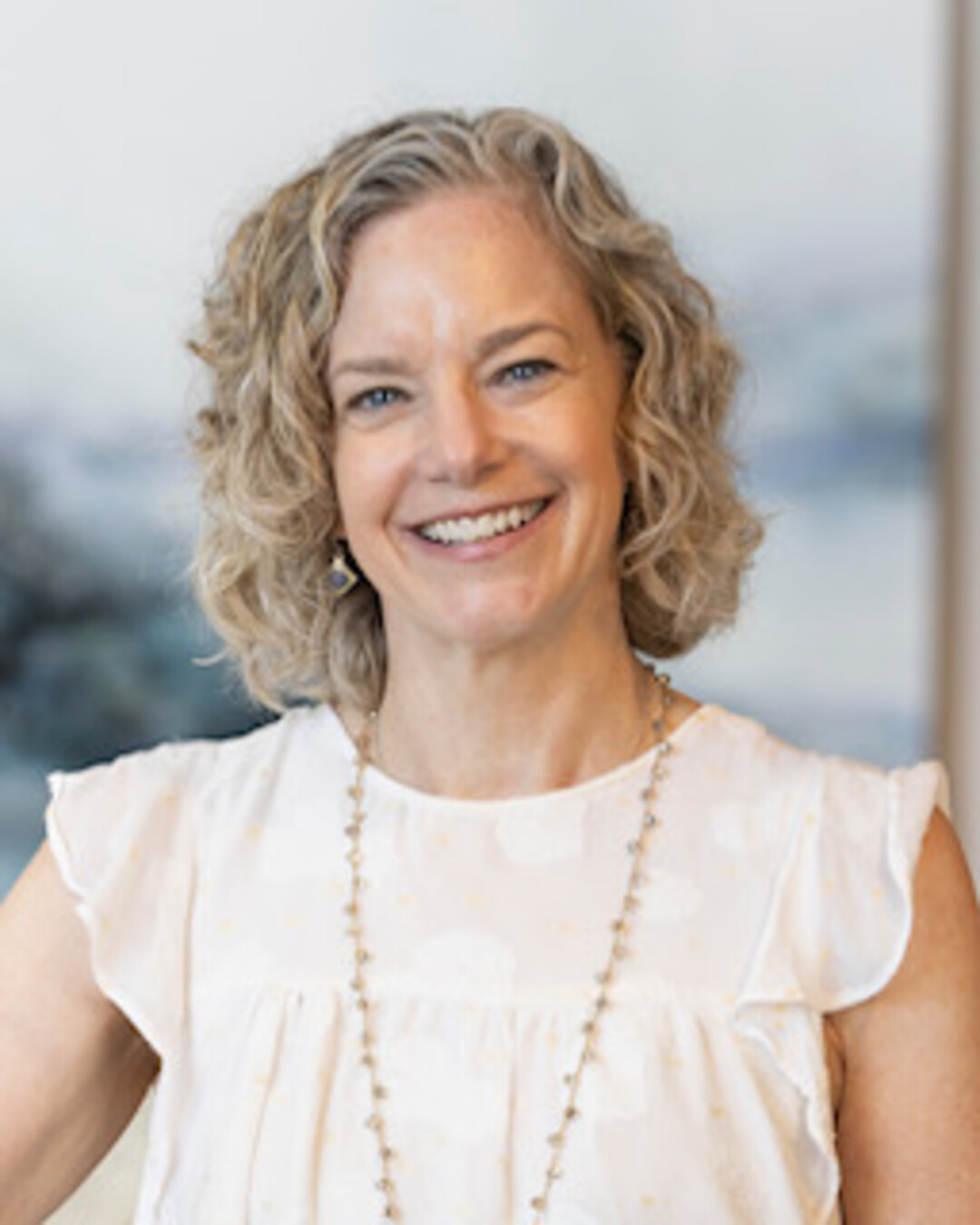
Patricia Crispi, PhD, RN, NPD-BC

On July 1st, I officially began my two-year term as ANAMASS President. I am deeply honored and humbled by the opportunity to lead this valued organization and serve the dedicated nurses of Massachusetts.

Allow me to share a bit about my background and experience. I have been a Registered Nurse for over 30 years, a journey that has continually opened new doors and opportunities. I graduated with a BSN from Boston College on an Army ROTC scholarship and served in the Army Nurse Corps for five years at Walter Reed Army Medical Center in Washington, DC. Following my service, I worked as a Travel Nurse in Boston and DC, eventually settling at MGH and Tufts Medical Center. I earned a Master's in Nursing Administration from Northeastern University in 2005 and a Doctor of Philosophy from Endicott College in 2022. My career has included roles in Quality & Safety and Professional Development over the past 20 years. In 2022, I became the Nurse Director for Quality, Safety, & Professional Development at Newton-Wellesley Hospital, and my role has since expanded to Senior Director for Nursing Education, Quality, Research, and Innovation for the Mass General Brigham Community Hospital Division. I am board certified in Professional Development and as an Advanced Nurse Executive. None of this would have been possible without the unwavering support of my husband Pete and our two children, Megan and Jamie. I am also deeply grateful to the incredible mentors who have guided me along the way.

I joined ANAMASS in 2022 after attending the Spring Conference in Sutton, MA, where I presented my dissertation in a poster presentation. My research focused on health-promoting self-care practices among nurses and their perceived incidence of presenteeism. The health and wellbeing of nurses, and their ability to be authentically present and cognitively engaged in patient care, remain foundational to my professional practice. Inspired by the incredible ANAMASS team and the organization's offerings, I quickly became involved in the Professional Development Committee and the Board of Directors.

Over the past year as President-elect, I have attended the American Nurses Association (ANA) Leadership Summit, ANA Hill Day/Membership Assembly, and worked alongside Silda Melo, who transitioned from President to Immediate Past President. These experiences, combined with my background as an Army Nurse, Clinical Nurse, Nursing Professional Development Specialist, and Nurse Leader, have prepared me well for this role.

On behalf of ANAMASS, I would like to express deep gratitude to President Melo for her contributions to advancing nursing in Massachusetts. President Melo began her involvement in ANAMASS as a newly graduated RN Director, one of two New Grad positions on the Board of Directors, and advanced to the role of President. During her tenure, she lobbied, advocated, and testified for numerous issues critical to our nursing workforce across the Commonwealth. Through her dedicated leadership and years of advocacy, Massachusetts became one of 43 states in the US to approve the Nurse Licensure Compact (NLC). When Governor Healey signed the legislation adopting the NLC in November 2024, it enhances nurses' mobility to practice across state lines, increases access to care, and improves patient protection through standardized licensing requirements. I applaud President Melo for her hard work in achieving this monumental accomplishment.

The nursing profession is facing challenging times, with many legislative challenges ahead. ANAMASS Health Policy Committee Members and Membership Assembly participants spent a full day on Capitol Hill meeting with Massachusetts legislators and their aides, lobbying and advocating to ensure they fully understood the impacts of the proposed Medicaid reforms outlined in the Big Beautiful Bill. Despite leaving over 450 stethoscopes as reminders, the Senate and House of Representatives passed the bill, which was signed into law on July 4th. As a result, reduced Medicaid funding will undoubtedly impact healthcare jobs, wages, and uncompensated care, while potentially increasing nursing workloads by caring for patients with higher acuity. Currently, Medicaid funding supports the demand for nurses, sustains jobs in home care, long-term care, and community settings, and provides payment for safety net hospitals where many Massachusetts nurses are employed. This is where the power of nurses, the power of our voices and our advocacy---to do what we know is best for patients, families, and communities---becomes critically important.

The journey ahead is uncertain, but together, nurses have the power to drive change, advocate for those we serve, and be transformative. I look forward to advancing nursing practice across our Commonwealth and am grateful for the opportunity to work alongside all nurses in Massachusetts.
Food for Thought

"It is not the strongest of the species that survive, nor the most intelligent, but the one most responsive to change."

-Charles Darwin

Announcement: ANAMASS Awarded Reaccreditation

The American Nurses Association Massachusetts Approver Unit has been re-accredited as an approver of nursing continuing professional development by the American Nurses Credentialing Center's Commission on Accreditation for four years through November 30, 2029.

From the Editor
Changes...
Judy L Sheehan, MSN, RN, NCPD-BC

One of the things I love about New England is the changing seasons. Just as I get tired of summer, the autumn air arrives and energizes me. While I enjoy these changes, I know that transitions can be tough and unpredictable. Many people find it hard to navigate these shifts, and I understand why. Whether they are seasonal or more significant---like organizational mergers, changing jobs, graduating from nursing school, passing the state licensing exam, or even retiring---these shifts can be challenging. In my view, what makes them easier is the camaraderie of others who are going through the same things. To me, this is a major benefit of being part of ANA Massachusetts. Last spring, I attended the gala and found myself sitting with two other newly retired professionals along with several nursing students. The commonality of our conversations, as well as the clear differences among us, showed how shared experiences can help us cope with change.
I once heard that "the only way to the other side of the desert is through the desert." This is true for tolerating and mastering transitions. When you dive in and keep moving forward, the other side arrives. Once there, a person can change again, if they wish. Always moving means never stagnating. To this, I tip my hat. Regards, Judy

Scholarships & Awards
ATTENTION - ANAMASS Awards/FNAMA Scholarship Applications NOW OPEN
Nomination Deadline: November 1, 2025

2026 Call for Nominations Living Legends and Awards

AN OPPORTUNITY TO HONOR YOUR COLLEAGUES

ANAMASS Awards honor the remarkable, but often unrecognized work of nurses from across the Commonwealth.  You probably work with or know nurse colleagues whose commitment to nursing and to patient care is exemplary. Yet in the rush of today's world, there is often little time to acknowledge them and their professional contributions.

ANAMASS has established several awards that provide you the opportunity to recognize those nurses who have made a difference at the bedside, in the classroom, and in the practice of nursing.

Nomination Deadline November 1, 2025. Nominate TODAY: Call for Nominations 2026 Awards - American Nurses Association Massachusetts

2026 Call for Applications for FNAMA Scholarship

FNAMA will be awarding $70,000 in scholarships and grants to nursing students and faculty from ALL levels, LPN-PhD!  New this year is a $2,500 FNAMA scholarship for students at the LPN/ADN pre-licensure level and $1,500 Research Grant availability for faculty and PhD students. 

The Deadline to apply for all 2026 FNAMA Scholarships is November 1, 2025 Apply TODAY:  Scholarships & Grants | FNAMA

Meet the 2025 recipients by visiting the ANAMASS YouTube Channel: American Nurses Association Massachusetts - YouTube 

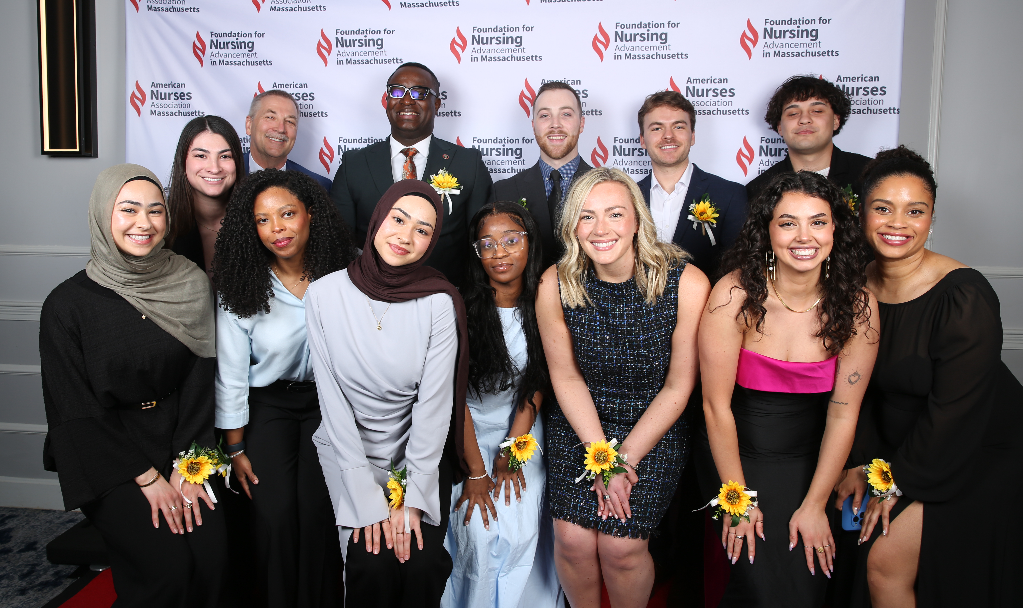
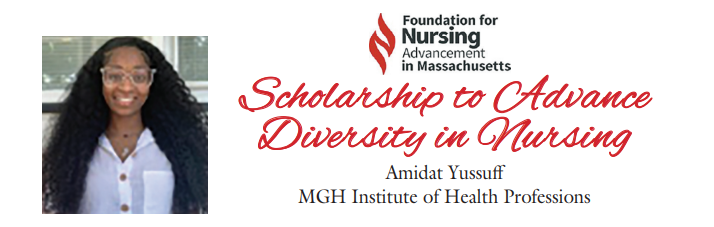
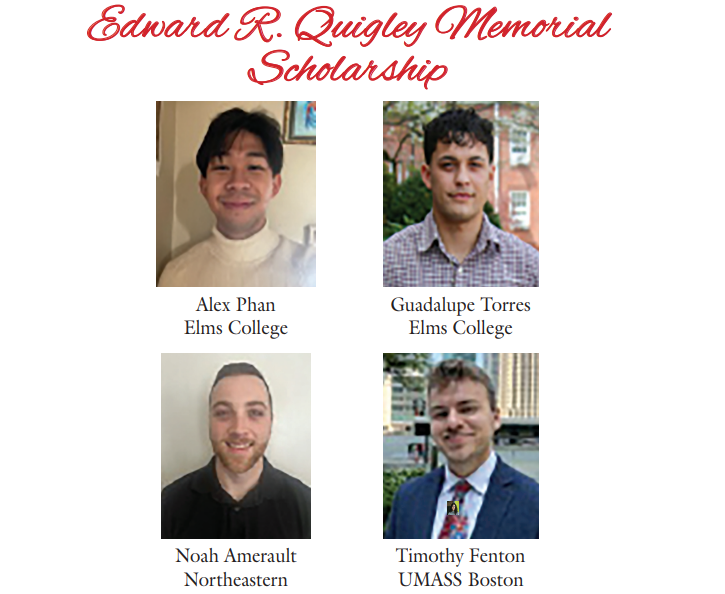
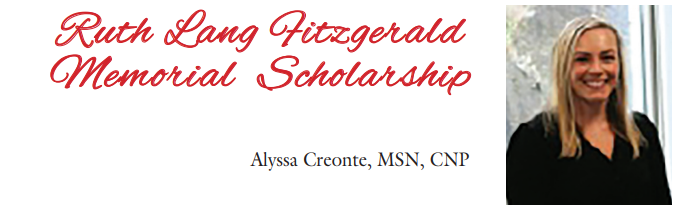
2025 FNAMA Scholarship Recipients

Eden Abebe
UMASS Boston

Batoul Chouiki
UMASS Boston

Nour Chouiki
UMASS Boston

Lilyana Ibañez
Northeastern

Franck Kakpo
UMASS Boston

Shasha Li
MGH IHP

Yocelyne Norena
MCPHS

Dahyanira Ramirez
Northeastern

The ANA Committee on Appointments (COA) is now accepting nominations for appointed positions on ANA’s structural units and standing committees through its annual Call for Nominations.
ANA Committee on Appointments Accepting Nominations
Deadline: August 29, 2025

  • ANA-PAC Board of Trustees (2 members)
  • Committee on Bylaws (2 members, 2 alternates)
  • Committee on Honorary Awards (3 members)
  • Committee on Honorary Awards – Subcommittee (12 members)
  • Committee on Nursing Practice Standards (2 members, 1 alternate)
  • Minority Fellowship Program, National Advisory Committee (7 members)
  • Professional Policy Committee (4 members, 3 alternates)

Interested individuals are encouraged to review profiles outlining responsibilities, time commitments, and desired qualifications before submitting nominations by 11:59 pm EST on Friday, August 29, 2025.

  • View Profiles – Click here.
  • Submit Nomination Form – Click here.

For questions, contact aneappointments@ana.org.

Explore Top Rated Nursing Programs

Education at every step. Quickly access top schools and programs by degree level & educational background. (Online and In-person options)

RN to BSN Programs

MSN Programs

Nurse Practitioner Programs

DNP Programs

American Academy of Nursing Fellows
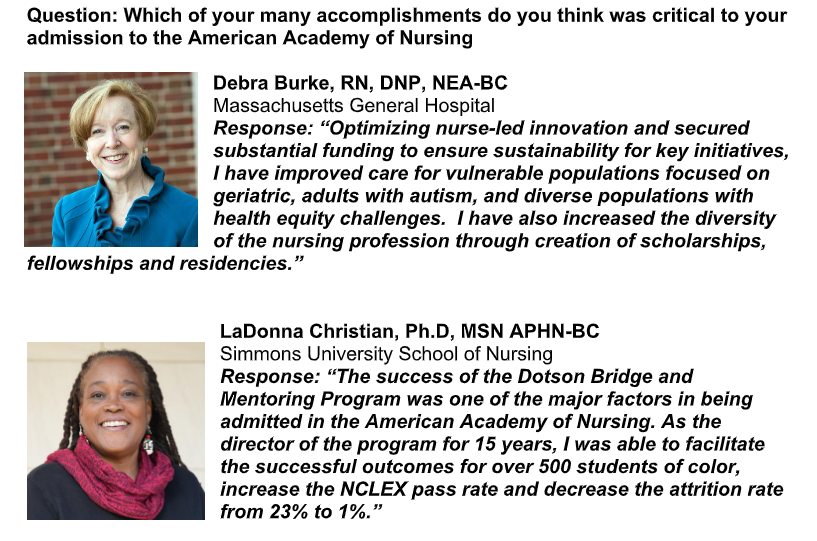
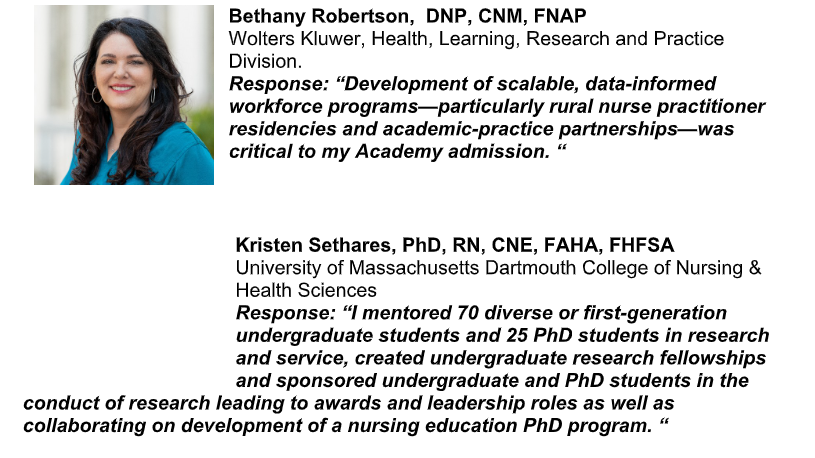
American Academy of Nursing Announces the 2025 Class of Fellows
Inge B Corless, PhD, MA, BSN, FNAP, FAAN

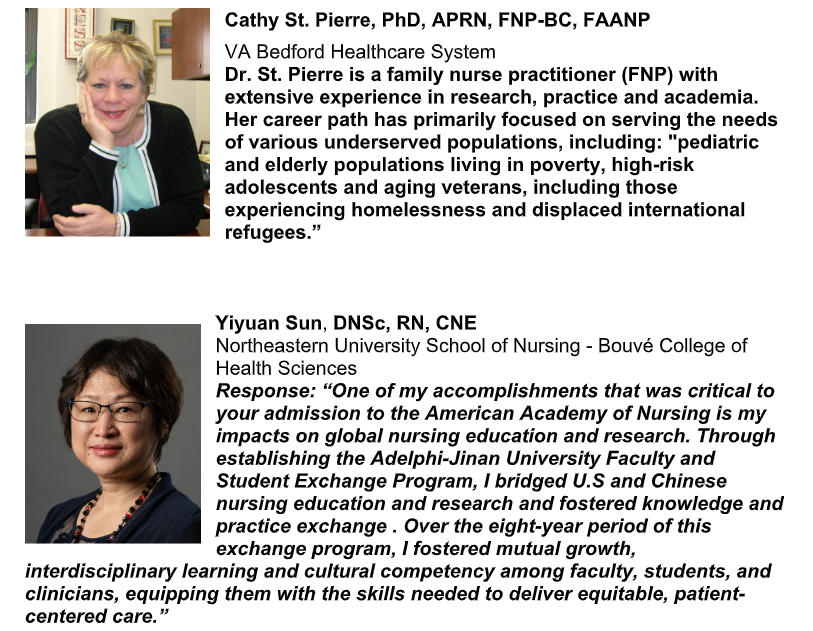
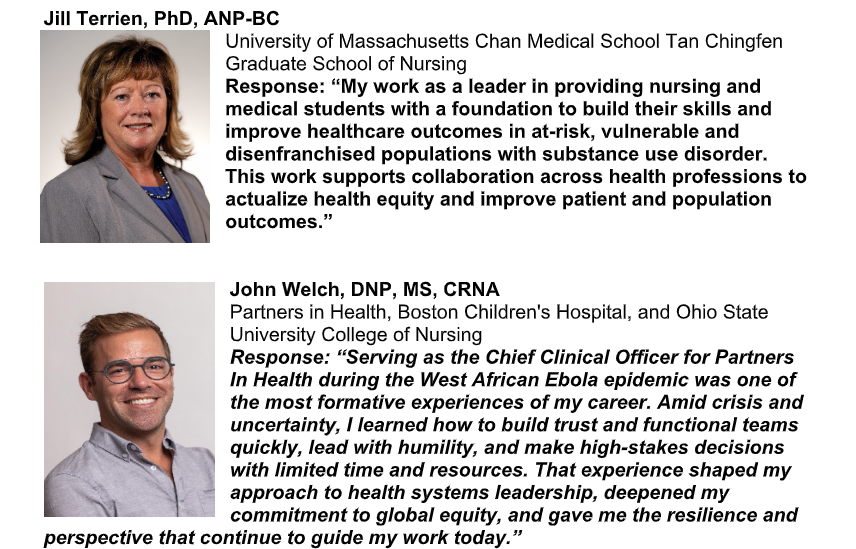
Congratulations on the following individuals on their upcoming induction as a Fellow of the American Academy of Nursing (Academy) in October of this year. This achievement is a true testament to their accomplishments in advancing the Academy's mission of improving health and achieving health equity by impacting policy through nursing leadership, innovation, and science.

ANAMASS News
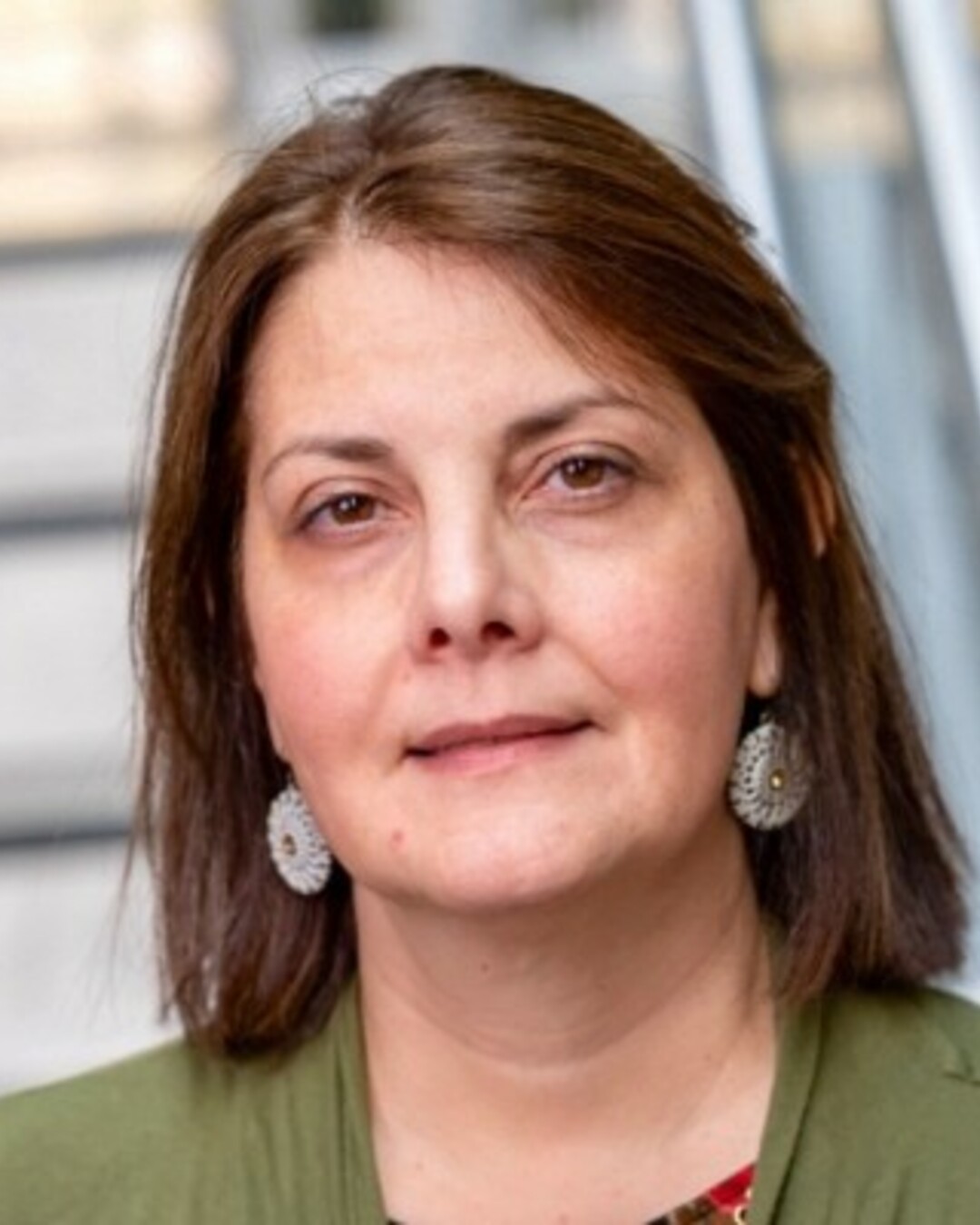
Meet A Director - Paulette Vieira

I am honored to join the Board of Directors of ANA-Massachusetts. I have 20 years of nursing experience with the majority of my time in emergency medicine. I have been in leadership for the past 10 years with my current role as the Senior Director of Nursing for Emergency/Patient Care Services at Boston Children's Hospital. I am a passionate advocate for nursing excellence, professional development, and equitable healthcare, and am committed to supporting nurses across Massachusetts through leadership, collaboration, and innovation.
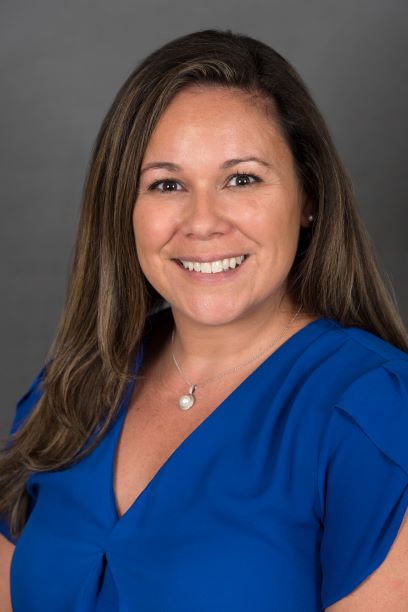
Throughout my career, I have been focused on uplifting the nursing profession and improving patient outcomes. I am particularly interested in eliminating workplace violence, improving mental health care in emergency settings, advancing diversity in nursing, health policy, and elevating nursing practice.

As a Board member, I look forward to amplifying the voices of Massachusetts nurses and working to shape the future of nursing through advocacy, education, and empowerment.

A fun fact about me is that I am a blue belt in jujitsu. I have been training for 5 years and the best part is that my husband and children also train with me. I have been married to my husband, Dan, for 20 years and we have two children: Nikolas is 18 years old and Emaly is 17 years old.

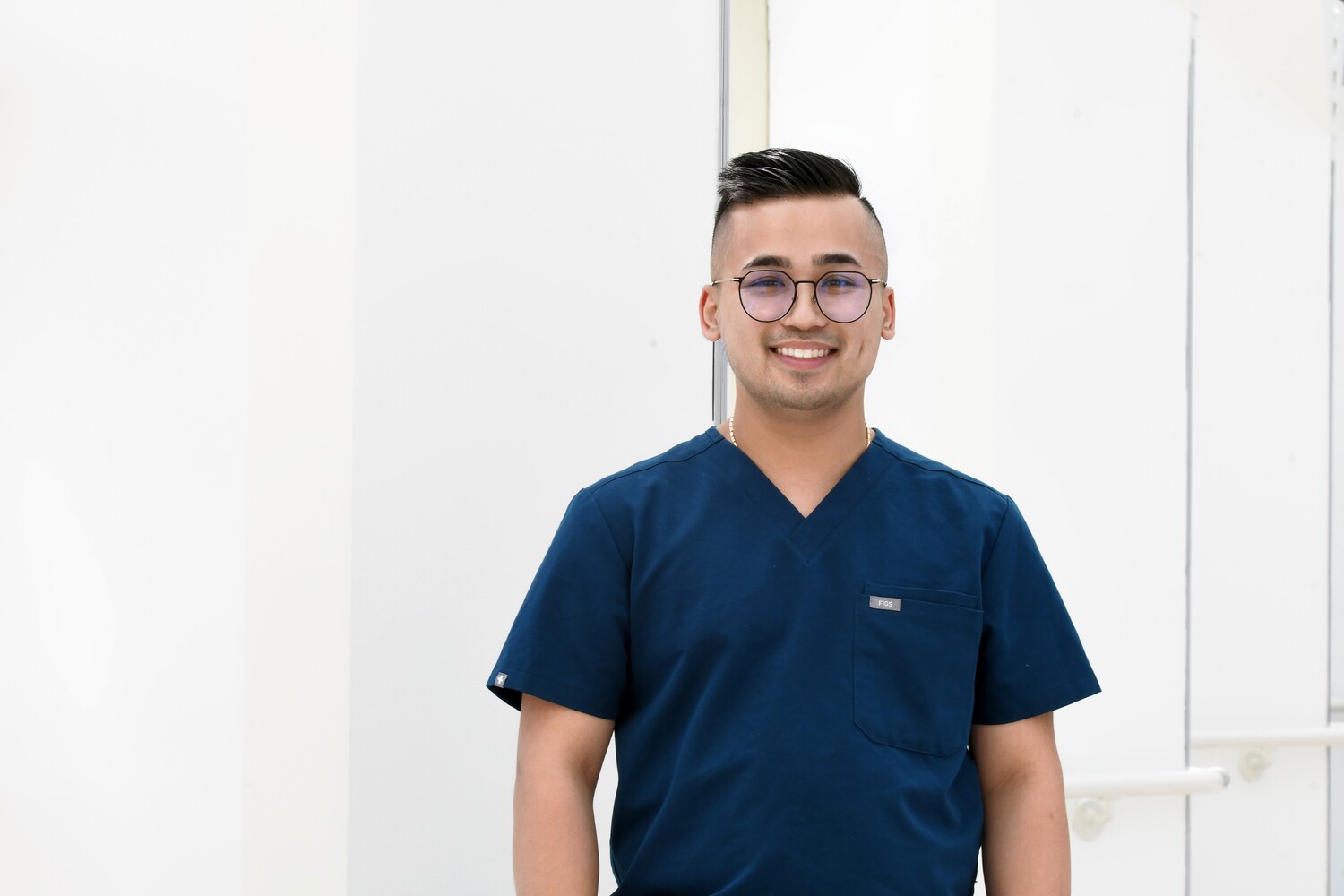
Meet Our New Graduate Director - David Nguyen

David Nguyen is a Registered Nurse at Boston Medical Center, where he works in the Medical Intensive Care Unit (MICU). He graduated from the University of Massachusetts Lowell in May 2021, receiving the Chancellor's Medal for Student Service in recognition of his outstanding contributions during his academic career.

 David joined Boston Medical Center's MICU through the New Graduate RN Residency Program, where he had also completed his senior year preceptorship during the COVID pandemic. In addition to his clinical responsibilities, he serves as a nursing chair for the Nursing Retention and Recruitment Council, playing a key role in supporting nursing staff retention and recruitment efforts. David is excited to join the ANA Massachusetts, where he can advocate on behalf of new nurses, promoting the nursing profession, and driving positive change in the healthcare community across the Commonwealth.

Fun Fact: David is bilingual in Vietnamese and is committed to giving back to the Vietnamese American community. Outside of work, he enjoys spending time with his niece.

Please let me know if you have any questions. I hope you have a nice day. 

Membership Engagement Committee News

It has been a busy Spring for the Membership Engagement Committee. We participated in the Walk for Hunger in Boston on May 4th. We were inspired to see so many people out and walking along the Boston Common route. It was difficult to gather our team together, but we learned a lot about how the event is organized and hope to participate again next year with some additional pre-planning so that we can keep the nursing group together.

We also had a new event this year called "Nurses Light Up the Sky" on May 7th. This event was part of a national effort to recognize the important work of nurses during Nurses' Week.

 ANA planned events all over the country to bring attention to our profession. Our event involved the lighting of the Zakim Bridge in honor of nurses on that evening. We gathered for a lovely appetizer buffet at Blackmoor Bar + Kitchen in Charlestown, with a perfect view of the bridge! They really went all out with enough appetizers that we counted them as our dinner that evening. We also had a chance to meet nurses from lots of different settings at the event.

Sadly, our Red Sox game was rained out this year, and the rescheduled game fell right into the following afternoon slot, making it difficult for people to attend. We were happy to see the picture of our faithful Red Sox fans, Gayle Peterson and Maura Flynn, representing ANAMASS on the field at Fenway before the rescheduled game.

The Membership Engagement Committee meets monthly using Zoom to discuss the trend of our membership numbers, brainstorm about ways to engage the membership in our organization, and plan to reach out to nurses and nursing students to encourage them to join their professional organization. We also have an annual in-person meeting for strategic planning. We are always interested in welcoming new members to the committee, so reach out to Lisa Presutti at lpresutti@anamass.org, who will forward your interest to our co-chairs, Debbie Gavin and Janet Ross. If our committee isn't the right fit for your interests, please consider joining another one that will better suit you. A list of committees can be found HERE. 

Continuing Education/CE Corner
ANCC to Implement Changes to NCPD Criteria Effective July 2026
Judy L Sheehan, MSN, RN, NCPD-BC

The new criteria will align continuing education with professional standards and competencies, streamline the planning process, and modify the documentation flow. To educate and guide our continuing education community, I will host webinars over the next 18 months. These webinars will enhance the information offered in the fall and are not intended to replace the symposium. Given that the changes are expected to be significant, it is highly recommended that each provider send at least one representative. The times and locations have been tentatively set, and additional information, including registration, location, and pricing details, will be forthcoming.

Workshops, symposiums & webinars preliminary schedule (may change)

Early Bird Registration OPEN: October 24, 2025 All-day Fall Symposium: (8:00-3:00) In-depth exploration of new criteria and implications for educational activity planning, provider unit self-studies, guidelines and documentation tools. 

Location: In person at Children's Hospital Waltham 

Register HERE

Dec. 12, 2025 Lunchtime Webinar: (12:00 -1:00) Linking education to professional standards, documentation requirements, and challenges.

Jan 16, 2026 Lunchtime Webinar: (11:30 -- 12:30) Ensuring content integrity; clinical versus non-clinical; reviewing materials for best practices, independence from ineligible organizations, and bias.

Feb 11, 2026 Coffee Break Webinar: (10:00--11:00) Samples and examples, best practices

March 27, 2026 Evening Webinar: (6:30 -- 7:30) Key concepts going forward

April 24, 2026 Lunchtime Webinar (12:00 -- 1:00) small group coaching, discussion, and problem-solving.

June 5, 2026 Spring Symposium FINAL Runway to changes: summary, discussion, and review of key concepts. Lessons learned and case assessment and practice.

CE Corner: Changing Criteria for NCPD Education
Judy L Sheehan, MSN, RN, NCPD-BC

July 2025 marked the publication of the updated NCPD criteria. The most significant change in the requirements is a new emphasis on standards of practice and related competencies. The concept of competency can cause confusion, as practicing nurses often associate competency development with orientation and annual competency check-off sheets. The NCPD reference to standards and competency, however, refers to professional standards of practice as developed by one of the many nationally recognized professional associations. These standards guide practice and are based on research and peer review.

Competency standards provide a solid foundation for ongoing growth in nursing. They help nurses recognize areas for development and assist in setting clear learning goals, inspiring continuous improvement and excellence in their practice. Both clinical and academic nursing should be rooted in these professional standards; however, many nurses are unaware of their existence. Continuing Nursing Professional Development programs based on such standards promote better practice and support the professional growth of participants.

By fostering a deeper understanding of these standards, nurses are empowered to take ownership of their professional growth and align their ongoing education with the evolving expectations of the field. Embracing these benchmarks not only strengthens individual practice but also improves collaboration within healthcare teams, ensuring that all members work toward a shared vision of excellence.

Furthermore, as healthcare advances and patient needs grow more complex, the ability to adapt practice based on established standards becomes even more essential. Nurse educators and planners are encouraged to integrate competency-based outcomes into professional development activities, ensuring that learning remains relevant and impactful.

Ultimately, this renewed focus on standards positions NCPD as a dynamic, evidence-informed discipline capable of meeting the challenges of modern healthcare while upholding the highest standards of patient care and professional integrity.

The ANA Mass accredited approver unit's annual symposium will offer a platform to review standards from various professional organizations, help nurse planners incorporate these standards into their planning, and provide an opportunity to learn about the documentation requirements for educational programs.

Health Policy News
Issues That Need Your Attention ASAP!
CS
Christine Schrauf, PhD, RN, MBA

Did you ever think that it would be helpful to have a nurse on the governing board of your hospital or nursing home? Or that some organization needs to work on the growing shortage of nurses in all of our Massachusetts health facilities? Well, your ANAMASS Health Policy Committee also does, which is why we have worked with state legislators to introduce two important bills in the Massachusetts legislature this year. Read on to see how you can help get them passed!

The first is a bill we initially introduced during the last legislative session in 2023 (bills rarely pass on the first go-around, so this was not unusual). It recognizes the critical role that nurses play in not only understanding patients' needs on a day-to-day basis, but the fact that this information should be transmitted directly by a nurse, the best primary source of this information for any governing body of a health care institution. Who better than a RN to inform others making critical decisions about how to best attain optimum patient outcomes? Senate Bill 1572/House Bill 766 requires that a RN participate in "developing the organization's strategic plan, structure, systems, policies and programs". The bill initially passed the first stage of legislative consideration by being passed out of committee last time; this time, it needs to go the whole way to enactment.

The second bill is Senate Bill 1543/House Bill 2397, An Act establishing a nurse workforce center, proposed for the first time this year. Actually, the Nursing Council on Workplace Sustainabilty (NCWS) already exists in our state, but does not have guaranteed funding. The NCWS does remarkable work to engage numerous stakeholders in an effort to retain current nurses in all care settings, facilitate education of new nurses and attract younger persons to the nursing profession. But since its continuation is not guaranteed, all those activities could be at risk without dedicated funding enacted by the legislature. That is the goal of this legislation so continuing work can stabilize the nursing community needed to adequately care for Massachusetts residents. To learn more about NCWS, go to https://www.ncwsma.org/

Although we are waiting for the public hearing so we can verbally advocate for the legislation requiring a RN on the governing board of every acute care hospital and nursing home in the state, the hearing for NCWS dedicated funding just occurred at the time of this writing. Our ANAMASS President, Silda Melo testified along with Jay Prosser, Executive Director of the NCWS and delivered convincing remarks on the need for bill passage. You can view their recorded testimony at https://malegislature.gov/Events/Hearings/Detail/5236 - advance the recording to 1 hour, 14 minutes of the recording as Chairwoman Marjorie Decker introduces the testifying panel..

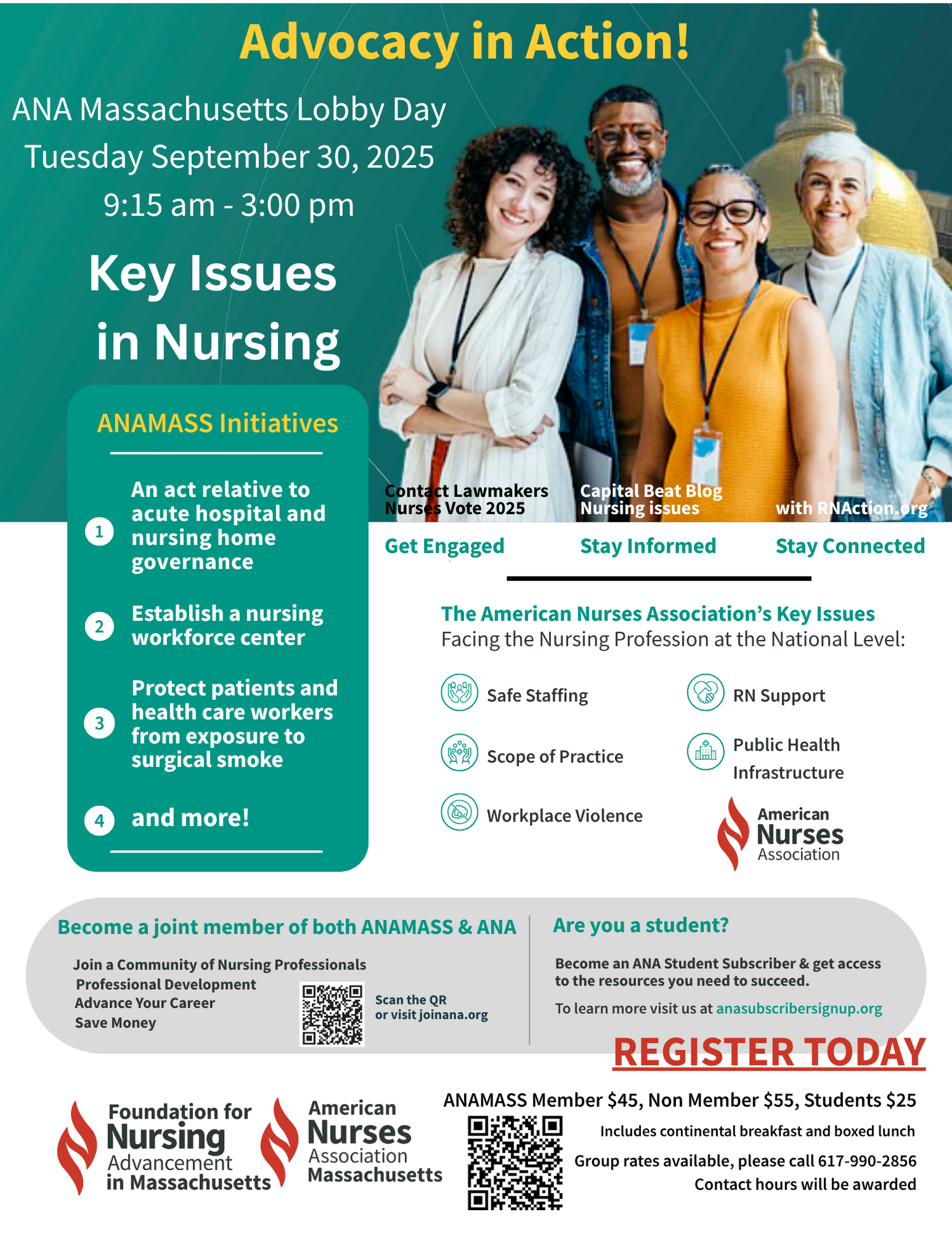
So, what can you do? First, acquaint yourself with the bills at the state legislative sites - https://malegislature.gov/Bills/194/H766 and https://malegislature.gov/Bills/194/H2397. Then, contact your state Representative and Senator and urge them to support and vote to enact these bills when they reach the House and Senate floors. If you feel that you need help to complete these tasks, join us at the Statehouse on September 30th when we will be sponsoring our Lobby Day to accompany groups of Massachusetts nurses as we visit several state Representatives and Senators or their staffs in person. We always come away from Lobby Day enthused and proud of our efforts to advance nursing and the health of our co-citizens when the day is over. Register at the ANAMASS website HERE. We look forward to seeing you!

ANAMASS Lobby Day - Take Action Now!
September 30, 2025

Book Review
Sisters in Arms
Gail B. Gall, PhD, RN

Sisters in Arms

by Kaia Alderson 

Gail's 5-star review: This was a great read for me. I had previously read some books about American nurses during WWII and was more deeply interested as my mother had been in the Army Nurse Corps in WWII.

"Sisters in Arms" brings forth a fictional novel that opens up the experiences of Black women who joined the Army in WWII, determined to be part of making it end. Few books about nursing, including wartime nursing, address the challenges that nurses who are not white experienced. Neither has much been written about male nurses.

The story begins in Harlem, where two young women have grown up in different circumstances....one a concert pianist, the other a journalist, both of whom were under parental rules. Each decided to join the Army and became part of the organization that Mrs Roosevelt and the president had ordered.

Both Grace and Eliza were strong and determined. Their experiences have similarities and differences. Nonetheless, friendships develop during very difficult events.

I know that the movie is out, but enjoying 36hours might really have been more meaningful than the reels. Plus, there are discussion issues raised by the author, Kaia Anderson, that are worth addressing.

Personal Reflections
Sonnet 23
AB
Alex Butler, RN

Most splendid creature, a vision, a real

treasure whose smile shines tremendous, the

waltzes to and fro on her feet, her soul

blossoms. A mischievous stare light as

effervescence, eyes so deep - a sort of

culmination of a soul and body,

You are the truest part of me and when

Match strikes the paper, an idea ignites

And chasing a dream our minds now ablaze

With passionate flames, forming our ideas

Like a tempest with its brisk surging gusts

Attempt to make it all circular, a

Honest talk, an ignition to the fuse

Our daughter, whose endless joy was his muse

Becoming a Nurse and An Important Transition Time in My Career
JR
Janet Ross, MS, RN, PMHCNS-BC

For as long as I can remember, I wanted to be a nurse. My aunt was a Neonatal ICU nurse and lived in California, so her life seemed fascinating to me. I have a picture of me holding the toy nurse's kit I received for Christmas when I was about eight years old! My closest friend also wanted to be a nurse, and we were accepted into the same college. We commuted together throughout my first year, and we thought we could continue our relaxed summer of '73 lifestyle into the academic year. I got B's and C's during that first year, and my friend couldn't continue in the program. I decided to buckle down and give it my all, so I applied to live on campus. By the time I reached my senior year, my fellow students referred to me as a "grade monger." I wanted only A's and was passionate about my profession.

My favorite specialty was also the class with the toughest professor. She used the Nelson Textbook of Pediatrics like a bible, and she lectured on each specialty area and illness in detail. I took copious notes, and after class, I reviewed them, underlining the important points. When it was time for our clinical placement, we all went into the hospital the night before, read our assigned patient's chart thoroughly, and made a list of every medication they were being given. Once I returned to the dorm, I looked up each medication so that I could give a concise summary of the patient's nursing needs and answer every conceivable question she could ask me.

I graduated from college with the certainty that Pediatric Nursing would be my area of specialization. I was also confident that Psychiatry would be the last field that I would ever work in. My first job was on a small pediatric unit, and I began caring for an infant who was under a year old who had severe Hydrocephalus. His head had become so enlarged from the condition that it was difficult to hold him for feeding. I became attached and also realized that his prognosis was not good. Then we admitted a seven-year-old boy who was diagnosed with a serious type of Leukemia. The very idea that these beautiful children were going to die shocked me. I was so young and just couldn't handle the emotions welling up in me. I had been accepted into graduate school for the next semester, specializing in Pediatric/Maternal Health Nursing, so I sought a part-time night shift job on the weekends.

The hospital where I found that job was very close to my home, and I had never known it existed. It was Bradley Hospital, a child psychiatric hospital tucked into a wooded section of East Providence, Rhode Island, and one of the few in the country. Eventually, I became uncertain about my chosen specialty, left graduate school, and started working there full-time on the day shift, with rotating evening shifts. With the mentorship of the Director of Nursing, I realized that child psychiatry was a great specialty for me. I returned full-time to graduate school and got my degree in another two years. I was soon a blossoming child and family therapist and worked in that specialty for a year and a half, when an opportunity of a lifetime presented itself.

I joined a friend of mine who was traveling around the world for what turned out to be a four-month trip through India. When I returned, I needed a job, and there was nothing available for a child therapist at the time. After much deliberation, I approached the recruiter at Boston Children's Hospital to ask about working on a medical-surgical unit during the interim. I met with a wonderful Nurse Manager named Sally Pasternak, who was impressed with my credentials but said she only had a staff nurse position. I explained that I would be incredibly happy with that and explained what had happened the last time I worked in Pediatrics. I told her I felt I was more emotionally mature and able to manage the stress of working on her medical unit, one that focused on the treatment of children with Cystic Fibrosis (CF). I was honest and said I would need to learn some medical skills, and I couldn't give her a long-term commitment. I knew that if a position in my specialty became available, I would need to leave, but would work diligently to be of value to the unit while I waited for that. We agreed, and I started working day-night rotations, which were grueling.

I stayed on that unit for six months before a friend called me and let me know about a position working at a youth guidance clinic in Framingham. During my time at Children's, I mastered a lot of medical skills such as administering IV antibiotics, helping respiratory therapists, and watching for signs and symptoms of CF complications and adverse reactions to medications. One day, I was able to identify an obscure side effect of a gastrointestinal medication, a dystonic reaction, because it was one that is common in Psychiatry. It felt great to be able to give back to my nursing colleagues who had taught me so much (and I liked the fact that they were all impressed and wondered how I recognized it!). Most of all, I spent many, many hours at the bedside of young people whose CF had shifted into end-stage disease. I talked with them about impending death, prayed with them, and faced the fears that had sidelined me earlier in my career. I have supported the CF Foundation since I had that experience and am pleased that many who have the illness today can expect much longer life spans than they did in the 1980s.

I have often heard nurses speak in absolute terms about nursing roles, seeming to elevate or denigrate various experiences and positions. Some said medical-surgical experience was essential, and some quickly judged that certain specialties were "not their thing." I thought that psychiatric nursing wasn't for me, and that turned out to be quite mistaken. I am glad I chose the specialty that I did and pleased that I had the courage to seek out an experience that frightened me. I'm so grateful that I was given the opportunity to go back for a "do over" and felt that I achieved a level of mastery over my fears of working with terminally ill children. It was an experience that helped me greatly as I moved forward in my career.

Janet Ross, MS, RN, PMHCNS-BC

Events
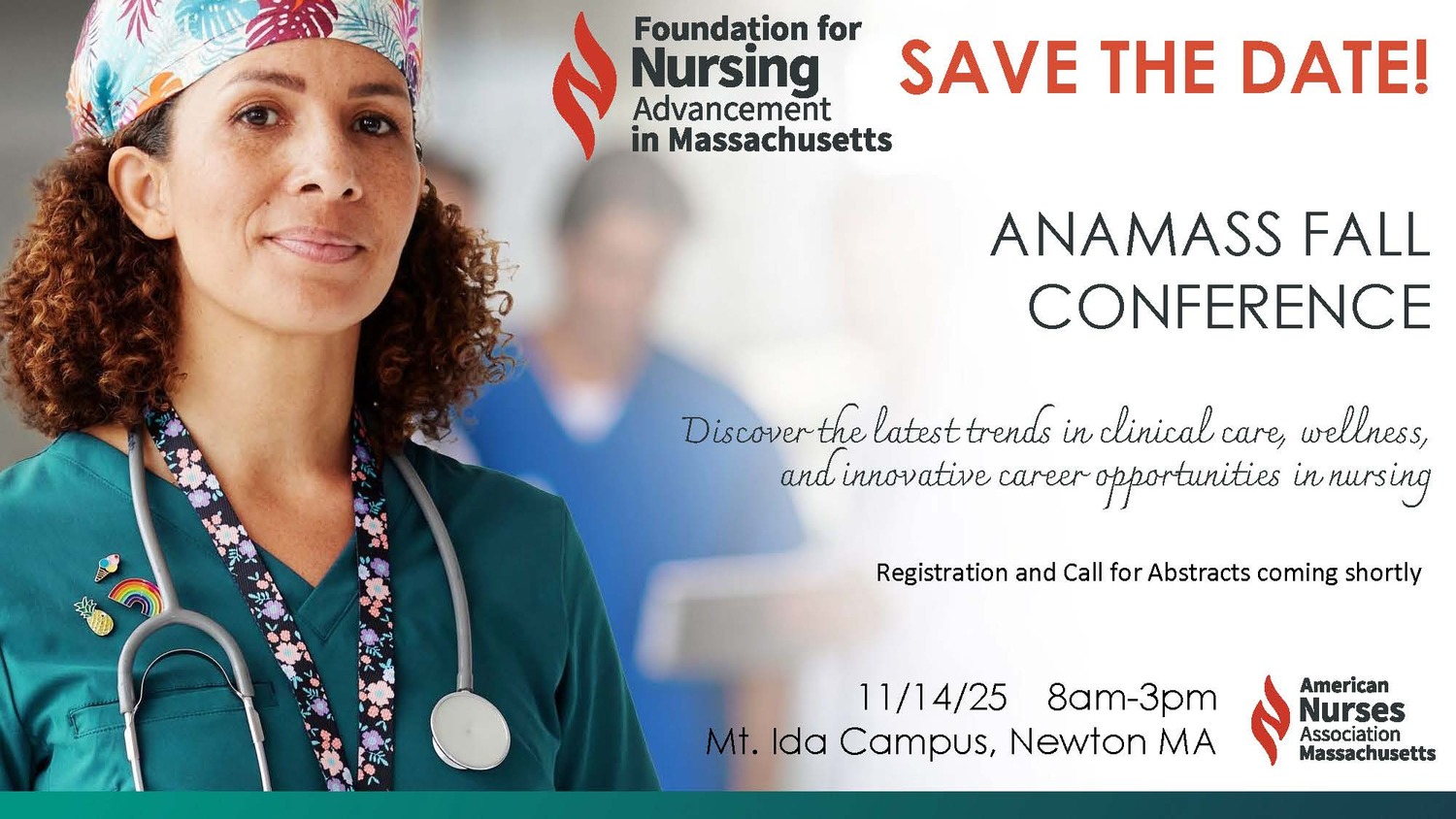
Fall Conference
November 14, 2025 | Newton, MA

ANAMASS Quarterly "Drop-in" Calls (virtual)

You are invited to JOIN ANAMASS for quarterly drop in calls to learn more about ANAMASS and the ANAMASS committees: Approver Unit, Awards, Bylaws, Health Policy, Membership Engagement, Newsletter, and Professional Development.

Mark your calendars and register for the Wednesday, September 17th @ 4:00 p.m. -- 4:30 p.m. drop in here (no fee): https://www.anamass.org/events/register.aspx?id=1984740

Save the Dates:

Wednesday, December 17, 2025

Wednesday, March 18, 2026

Wednesday, June 17, 2026

Wednesday, September 16, 2026

Nursing News
NELNE Nursing Scholarship Supports Future Nurse Educator
Christine Devine , PhD, RN
Lisa Cross, PHD RN CNE CRRN CHPN

The New England League for Nurse Educators (NELNE) awards a scholarship to a nurse enrolled in an MS in Nursing Education, or Post-Master's in Nursing Education Certificate program. Scholarship recipient Danielle Tortora MS, RN, shares her goals as a future nurse educator in this engaging interview.

The New England League for Nurse Educators (NELNE) is organized for charitable and educational purposes including, but not limited to, promoting excellence in nursing education, building a strong and diverse nursing workforce and advancing the health of our national and global community by focusing on nursing education in New England (Mission Statement, nelne.nursingnetwork.com).  Each Spring, NELNE awards a scholarship to a nurse enrolled in an MS in Nursing Education or Post-Master’s in Nursing Education Certificate program.

The New England League for Nurse Educators (NELNE) is pleased to announce the awarding of this scholarship to Danielle Tortora, MS, RN.

Danielle earned her baccalaureate degree in nursing from the Boston College Connell School of Nursing (2017) and an MS in Nursing Education (May 2025) from Emmanuel College Maureen Murphy Wilkens School of Nursing & Clinical Sciences, Boston.
A registered nurse since 2017, Danielle began her nursing career at Brigham and Women’s Hospital, Boston, on a thoracic surgery step-down unit. Most recently, she accepted a Clinical Nurse Educator position at Lahey Hospital and Medical Center, Burlington, while continuing part-time employment as a clinical and lab instructor at Emmanuel College, Maureen Murphy Wilkens School of Nursing & Clinical Sciences, Boston.

We recently had the pleasure of talking with Danielle about her MS in Nursing Education, and how the NELNE scholarship supported her education. In reading this transcript, it is evident that Danielle is a dedicated nurse educator who is most deserving of this scholarship.

When asked about the moment she decided to pursue a Master of Science in Nursing Education, and what may have been the driving force behind this decision, Danielle responded:

“I didn’t really see myself going back for graduate studies, but after COVID, in about 2022, I felt like I wanted to do something more. I loved patient care, and really enjoyed teaching, and my favorite part of the job was precepting new nurses, teaching my patients, and really simplifying things that might otherwise be difficult for someone to understand. I had always been told that I was able to make complex concepts comprehendible, so I decided to pursue a master’s degree in nursing education.”

In exploring the significance of this scholarship, Danielle was asked what she thought the scholarship committee saw in her that supported their belief in her potential as a nurse educator?

Danielle agreed that receiving this scholarship was a personal achievement, and responded, “I think in reading my application narrative, they recognized I was multifaceted, and a very well-rounded nurse educator who was eager to learn. I also think the letter of support written by
Dr. Carol Femia, Chairperson of the BSN program at Emmanuel College Maureen Murphy Wilkens School of Nursing & Clinical Sciences, Boston, was influential.  She has been such a guiding light for me by supporting my first education roles as clinical and simulation lab instructor and recognizing my commitment to mentoring and educating nursing students.”  

When asked how she envisioned this advanced degree impacting her long-term career goals and contribution to the nursing profession, Danielle responded:

“Well, I’ve just started a new position as a nurse educator at Lahey Hospital and Medical Center, Burlington, on the night shift. This is a great opportunity to join a team of nurse educators who serve as a resource to nurses on all shifts, every day. I also see myself becoming more involved with research, conducting quality improvement projects, and maybe even research studies in the future. In the long term, I may consider continuing my nursing education with a DNP or PhD, but for now, I want to support nurses in their practice.”

In closing, Danielle was asked what she anticipates as the greatest challenge she will face as a nurse educator, whether in academia or a practice setting. Danielle responded:

“In my new nurse educator position, I am challenged to adapt to a new hospital. Although I am an experienced nurse, I am learning new policies and procedures and have created a reference binder for easy access.  This is also a good way for nurses to know that I am also learning, and it’s okay not to know everything, that I think it’s important to ask questions and to continue learning.”

We congratulate Danielle Tortora on receiving this NELNE scholarship, and in completing her MS in Nursing Education from Emmanuel College Maureen Murphy Wilkens School of Nursing & Clinical Sciences, Boston.

Health Equity Leadership Program

Now accepting applications for the 2025-2026 class! The HELP is a year-long executive education program designed for leaders from health care organizations who want to implement practical strategies to eliminate inequities in health care for all, particularly through quality improvement. To read more about the program, visit our website.

NCQA is accredited as a provider of continuing nursing education by the American Nurses Credentialing Center’s Commission on Accreditation.

This virtual kick-off meeting activity is approved for 8.0 nursing education contact hours.

Applications are due Friday, September 15, 2025 and will be accepted on a rolling basis. Tuition is $11,500 per person. Limited scholarships are available for public hospitals, Medicaid-managed health plans, and community health centers.

Application & Timeline

Nursing Archives Research Award

The Nursing Archives Associates at Boston University is pleased to announce that applications are now open for its Nursing Archives Research Award.

The purpose of this award is to support historical research about nursing and health care. The award is limited to researchers who will use the Howard Gotlieb Archival Research Center (HGARC) Nursing Archives as a source for primary research.

Eligibility includes students, faculty, and independent researchers from all disciplines, based on evidence of preparation and/or productivity in historical research related to nursing and health care. The successful grantee will receive $2,500, payable to the awardee as taxable income. The award will support travel, photocopying, digitization, and other related expenses related to using the nursing archives in Boston University's Special Collections.

The deadline for proposals is November 1, 2025. For more information please contact Nursing@BU.edu

Continuing Education from Regis College

Title: "On the Frontlines: Addressing Workplace Violence in Health Care"

Co-Sponsored with Harvard Pilgrim Health Care, a Point32Health company

Registration begins September 5, 2025

Date: October 8, 2025

Title: "On the Frontlines: Addressing Workplace Violence in Health Care"

Health care workers are experiencing an unprecedented level of workplace violence which impacts their well-being, retention, and quality of care. This interactive panel brings together four experts to explore the roots of workplace violence and offer practical, systemic, and policy-based solutions.

Contact Hours: 2

Location: Virtual Webinar via Zoom

Time: 6:15 to 8:30 pm

Fee: None

Registration Information: You MUST preregister by 3:00 pm on October 8, 2025

Title: "Preserving the Power of Antibiotics: Practical Strategies for Antimicrobial Stewardship"

Date: November 12, 2025

Antibiotic resistance is on the rise---and contrary to what you might believe, its causes are many. Its potential consequences are serious and far-reaching---affecting individual patients, healthcare systems, and public health. So, please join us for a high-impact panel discussion on this topic. You'll leave empowered with new knowledge and tools to improve patient care, your own health, and the public's health.

Contact Hours: 2

Location: Virtual Webinar via Zoom

Time: 6:15 t0 8:30 pm

Fee: None

Registration Information: You MUST preregister by 3:00 pm on November 12, 2025

These activities have been submitted to the American Nurses Association Massachusetts, for approval to award contact hours. American Nurses Association Massachusetts is accredited as an approver of nursing continuing professional development by the American Nurses Credentialing Center's Commission on Accreditation. For more information regarding contact hours, please email: presidents.lectureseries@regiscollege.edu

Case Study: Practicing Outside the Scope of License for a Registered Nurse, Failure to Maintain an Accurate Healthcare Information Record, and Failure to Maintain Minimum Standards of Nursing
Nurses Service Organization

A State Board of Nursing (SBON) complaint can be filed against a nurse by a patient, resident, colleague, employer, and/or regulatory agency. Complaints are subsequently investigated by the SBON, with Practicing outside the scope of license for a registered nurse, Failure to maintain an accurate results ranging from no action against the nurse to revocation of the license to practice nursing. This case study involves a registered nurse, who was employed as the registered nurse for a home healthcare agency to provide case management and in-home nursing.

Total Incurred: Greater than $7,500

*Monetary amounts represent the legal expenses paid solely on behalf of the insured registered nurse.

Summary

Our insured registered nurse (RN) was working for a home healthcare agency. The RN had orders from a primary care provider (PCP) to provide skilled home healthcare treatment for a patient with a variety of healthcare concerns (e.g., medication management for new diagnosis of Type 2 diabetes mellitus, congestive heart failure, nutritional education and support, and monitoring vital signs and weight). The insured was scheduled to visit the patient three times a week for 30 days. Over time, the RN developed a close friendship with the patient and patient's family and gave them her personal mobile telephone number to contact her, if needed.

The patient and family began contacting the RN with various healthcare related concerns, sometimes daily, and requests that she come to the home to assess and/or provide treatment to the patient. The RN was providing various nursing treatments and care nearly seven days a week but would only document the treatment she provided at his scheduled visits.

Over a weekend, the patient experienced an acute episode of urinary retention and sought care in a local emergency department (ED). The patient had a history of benign prostate hyperplasia (BPH) and had been taken off of his BPH medications due to his recent diagnosis of congestive heart failure. After attempting three different types of urinary catheters, the ED staff was finally successful with placing a urinary catheter into patient's bladder. The patient was discharged from the ED with instructions to restart BPH medications and to keep the urinary catheter until he followed up with his urologist. After the patient arrived home, the family contacted the insured RN and asked if she could come to check on the patient. When the RN arrived, she suggested removing the urinary catheter placed by the ED as it didn't appear to be draining properly. The patient and his family informed the RN about the difficulty the ED staff had with inserting the urinary catheter but agreed with trying a new catheter, if the insured thought it was necessary. The RN used supplies she kept in her car for home healthcare patients. The ED urinary catheter was removed, but when the RN attempted to insert a new catheter, resistance was encountered with advancing the catheter. After several attempts were made to advance the catheter past the resistance, the RN instructed the patient to go back to the ED.

The patient went to back to the ED and underwent an emergency transurethral resection of the prostate (TURP) procedure by a urologist. The ED staff contacted the insured RN's employer and informed them of the RN's actions of removing the patient's urinary catheter and of attempting to place a new catheter without an order. The ED staff felt that the RN's actions of removing the catheter were outside her scope of practice and caused further injury to the patient that necessitated an emergency TURP with hospitalization.

The supervisor noted that the RN provided skilled nursing care for over 90 days, despite the PCP's for only 30 days of skilled care. There was no documentation of a request for the PCP to update the plan of care to provide additional skilled nursing services. The RN's supervisor learned that the RN had been:

  • Providing skilled nursing services without a provider's order which included:

    • Removing a urinary catheter and attempting to place a new catheter; and

    • Treating a pressure injury that was not reported to the PCP.

  • Failing to document all treatment provided to the patient in the healthcare information record.

  • Providing meals and household supplies to the patient, which was not allowed by the employer's policies and procedures.

  • Checking the patient's blood sugars and administering insulin injections, despite the patient being mentally and physically able to do so himself.

The employer terminated the RN and reported the termination and internal investigation findings to the SBON.

Risk Management Comments

After reviewing the e-report and allegations made by the employer, the SBON alleged the following against the insured RN:

  • The RN's conduct was in violation of general duty, consisting of negligence or failure to exercise due care, including negligent delegation to or supervision of employees or other individuals, whether or not injury results (Count I).

  • The RN's conduct was a departure from, or failure to conform to, minimal standards of acceptable and prevailing practice for the health profession, whether or not actual injury to an individual occurs, and accordingly, incompetence (Count II).

  • The RN's conduct evidences practicing outside the scope of an RN's license (Count III).

  • The RN's conduct evidences a failure to keep and maintain a record for each patient for whom the RN has provided medical services, including a full and complete record of tests and examinations performed, observations made, and treatments provided (Count IV).

Resolution

The SBON dismissed Counts II, III, and IV against the RN. The SBON found sufficient evidence for Count I and placed the RN on probation for a minimum of one year, not to exceed three years. The terms of the insured's probation included the following:

  • Employer Reports:

    • The nurse must provide any and all employers during the probation period with copies of the SBON consent order.

    • The nurse must ensure that all employers submit a quarterly report to the SBON. The nurse's immediate supervisor is required to submit quarterly reports to the SBON on the RN's work performance, and, if at any time fails to comply with minimal standards of acceptable and prevailing practice or appears unable to practice with reasonable skill and safety, the supervisor must contact the SBON immediately.

    • The nurse must be supervised at all times by a licensed health professional.

  • Employment Change:

    • The nurse must report all employment changes to the SBON within 15 days of change.

    • The nurse must make all new employers aware of the SBON required reports and provide a copy of the consent order.

  • Continuing Education Credits (CEUs):

    • Within 180 days of the effective date of the consent order, the nurse must successfully complete 15 hours of CEUs. The course hours will not count toward the number of credit hours required for license renewal. The courses include:

      • Ethics and Professionalism in Nursing

      • Critical Thinking Skills in Nursing

      • Clinical Documentation in Nursing

The SBON matter took almost a year to resolve, and expenses incurred to defend the insured nurse in this matter exceeded $7,500.

Risk Management Recommendations

  • Know and comply with your facility's policies, procedures and protocols. Unfamiliarity to established policies and protocols is not a defense, especially if a clinician has acknowledged receiving education on such policies and protocols.

  • Ensure healthcare information record documentation is complete, objective, and consistently and accurately reflects clinical assessment and care provided as well as the patient's responses to that care.

  • Document your patient care assessments, observations, communications and actions in an objective, timely, accurate, complete, appropriate and legible manner. Home healthcare nursing documentation should specify:

    • The reason skilled nursing is needed.

    • Any recent new diagnosis, exacerbation, or hospitalization.

    • Changes in the treatment regimen.

    • Skilled assessments, actions taken, and treatments performed.

    • Specific education provided (what was taught, to whom, learner comprehension, changes to the plan of care).

Disclaimer

The information, examples and suggestions presented in this material have been developed from sources believed to be reliable, but they should not be construed as legal or other professional advice. CNA accepts no responsibility for the accuracy or completeness of this material and recommends the consultation with competent legal counsel and/or other professional advisors before applying this material in any particular factual situations. This material is for illustrative purposes and is not intended to constitute a contract. Please remember that only the relevant insurance policy can provide the actual terms, coverages, amounts, conditions and exclusions for an insured. All products and services may not be available in all states and may be subject to change without notice. Certain coverages may be provided by a surplus lines insurer. Surplus lines insurers do not generally participate in state guaranty funds, and insureds are therefore not protected by such funds. The claims examples are hypothetical situations based on actual matters. Settlement amounts are approximations. Certain facts and identifying characteristics were changed to protect confidentiality and privacy. "CNA" is a registered trademark of CNA Financial Corporation. Certain CNA Financial Corporation subsidiaries use the "CNA" trademark in connection with insurance underwriting and claims activities. This material is not for further distribution without the express consent of CNA. Copyright © 2025 CNA. All rights reserved.

Join ANAMASS
Advertise in This Newsletter

Thank you for your interest in sponsoring & supporting our association. For advertising rates and information, please contact Nursing Network at advertising@nursingnetwork.com 

The American Nurses Association Massachusetts (ANAMASS) is the premier organization representing the interests of every registered nurse within the state. They are the largest voluntary professional nursing organization in the state, with members who practice in settings ranging from acute care to community health, from the bedside to the boardroom.

Get in touch
Connect With Us
Facebook Instagram YouTube
Terms and Conditions Cookie Policy Privacy Policy Contact Us