RN Idaho
Table of Contents
ANA-Idaho Presidential Report Promoting Nursing Priorities Nurses Week is Coming ANA Idaho Welcomes New & Returning Members Join ANA-Idaho 
Information About the Publication Save the Date!
Feature The Impact of Anesthesia on Traumatic Brain Injuries
Idaho Nursing Awards DAISY Award Recipients
Idaho's Living Legends An Interview with Marie Osborn, NP, One of Idaho's Living Legends in Nursing...about her new book Moving Mountains-Creating the Nurse Practitioner and Rural EMS.
ICN Executive Director's Report Exciting Updates from the Idaho Center for Nursing (ICN)!
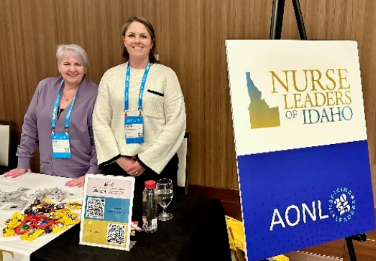
NLI President's Report Celebrating Idaho Nurse Leadership: Highlights from AONL 2025
Feature AI/ML-Based Clinical Decision Support Systems: A Call for Nursing Actions
In Memoriam In Memoriam April 2025 Edition
April 2025
Volume 48 · Issue 1
ANA-Idaho Presidential Report
Promoting Nursing Priorities
Erica Yager, MSN, RN, NEA-BC, President of ANA-Idaho

Nurses are the backbone of the American healthcare system, providing the vital care, support, and advocacy patients need in various settings---from hospitals to home care, schools, and beyond. As the healthcare landscape continues to evolve with increasing patient demands, emerging health challenges, and a rapidly changing technological environment, promoting nursing priorities is critical to ensuring high-quality, patient-centered care. We will explore three key nursing priorities in the United States and highlight the importance of advocacy for the future of healthcare.

First, the COVID-19 pandemic shed a glaring spotlight on the mental health crisis among healthcare workers, especially nurses. Prolonged exposure to high-stress situations, long hours, and emotional strain contributes to burnout, depression, anxiety, and even post-traumatic stress disorder (PTSD). And these issues have the capacity to negatively affect patient care and lead to nursing shortages as professionals leave the field due to stress and exhaustion.

Healthcare institutions must begin to prioritize mental health support for nurses. This includes creating wellness programs, offering counseling services, providing adequate time off, and promoting a supportive work culture that emphasizes the importance of mental health. Encouraging nurses to take care of their well-being and offering the necessary resources to do so is essential for maintaining a strong, effective, and sustainable workforce. March 18th was Health Workforce Well-Being Day. Consider learning about the Dr. Lorna Breen Health Care Provider Protection Reauthorization Act. Follow-up by sharing your story with elected officials serving us in Washington and encourage them to reauthorize and fund this important act.

Second, nurses are increasingly recognized as essential providers of primary and preventive care, especially in underserved communities where access to physicians may be limited. Nurse practitioners (NPs) and other advanced practice nurses (APNs) are equipped with the training and expertise to provide high-quality, comprehensive care, often in a cost-effective manner. Expanding the scope of practice for NPs, allowing them to work to the full extent of their training, is crucial to addressing healthcare access issues, particularly in rural areas.

Nurses are uniquely positioned to deliver health education, disease prevention, and wellness programs to individuals and communities. By fostering a collaborative, patient-centered approach to care, nurses can help reduce the burden of chronic diseases, promote healthier lifestyles, and improve overall population health. During the past few Nurses Day at the Hill events, we visited our elected officials encouraging them to support and pass the Improving Care and Access to Nurses (ICAN) Act. While we are fortunate to have full practice authority here in Idaho, there are still pieces within this act that will further support our Nurse Practitioners.

Lastly, nurses have always been strong advocates for their patients, but their role in healthcare advocacy must be further strengthened. One of the most important ways nurses can help shape healthcare policies is by becoming actively engaged in political and public advocacy efforts. Nurses are trusted voices in their communities and can help influence health policies at the local, state, and national levels. This includes advocating for increased funding for nursing education, promoting policies that support safe staffing levels, and lobbying for legislation that addresses the needs of patients and the nursing workforce. Supporting organizations like the American Nurses Association (ANA) and other professional nursing associations is crucial for ensuring that the collective voice of nurses is heard in legislative and regulatory processes. By uniting to advocate for nursing priorities, nurses can help shape policies that improve care delivery, enhance patient safety, and support the long-term sustainability of the healthcare system.

As the U.S. healthcare system faces increasing challenges, it is vital that the priorities of nurses are promoted and supported. Supporting nurse mental health, expanding the role of nurses in primary care, and advocating for policy change are all critical steps toward building a stronger, more sustainable nursing workforce. By prioritizing these initiatives, the U.S. can ensure that nurses continue to provide the compassionate, high-quality care that is essential for the health and well-being of all Americans. The time to act is now, and the future of healthcare depends on the ongoing investment in the nursing profession.

Nurses Week is Coming
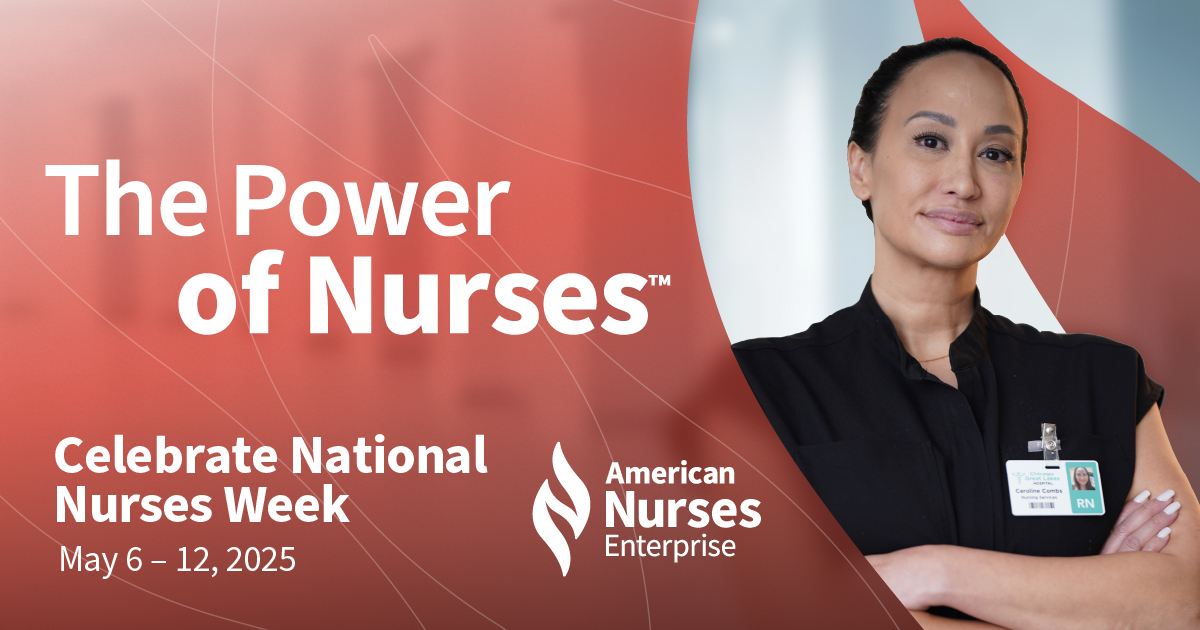
May 6th - 12th, 2025

National Nurses Week 2025 is just around the corner and this year the American Nurses Enterprise will be shining a light on The Power of Nurses™. We recognize the invaluable contributions of nurses worldwide and the real-life challenges they face every day. Whether you're a nurse, a healthcare professional, a patient, or simply someone who appreciates the critical role nurses play in our lives and society, National Nurses Week is the perfect time to share your gratitude and celebrate nurses.

With exciting opportunities to engage, contribute, share your stories, activate locally, and elevate #ThePowerOfNurses, we hope you will consider participating in some or all of American Nurses Enterprise planned activities. More details will be coming soon about the Healthy Nurse Healthy Nation™ Wellness Challenge, how to enter the National Nurses Week Getaway Giveaway Sweepstakes with a $4500 grand prize, and the list of where we will Light Up the Sky to celebrate nurses. Right now you can register for a webinar, support nurses with a donation through the American Nurses Foundation and download the toolkit to empower your National Nurses Week celebrations.

ANA Idaho Welcomes New & Returning Members
January 1 -- March 31, 2025

Boise

Shannon Bebee

Megan Boston

Cynthia Builmette

Ronda Stewart

Josh Williams

Clarkson, WA

Petra Klander

Grangeville

Kristi Soto

Hamer

Ann Peterson

Idaho Falls

Danielle Thompson

Kimberly

Maggie Gaynor

Michael Nannini

Kuna

Eric Watson

Lewiston

Danielle Kambitsch

Lisa Niswander

Alisa Knutson

Tori Sarmiento

Jade Starry

Meridian

Kristine Esplin

Everline Nyakundi

Aaron Thomason

Moscow

Nicole Weiss

Deena Rauch

Nampa

Heather Endriss

Kathlean Prindle

Payette

Peter Fecurka

Taffney Stewart

Pocatello

Mailene Barham

Post Falls

Gwyenth Ellis

Dezeray Legaard

Preston

Amy Jensen

Rexburg

Anna Blonquist

Rigby

Cathy Lewis

Laura Parkinson

Star

Rachelle Marema

Twin Falls

William Etcheto

Join ANA-Idaho 

Information
About the Publication

RN Idaho is published by Idaho Center for Nursing

2210 S. Broadway Ave, STE 201, Boise, ID 83706

Direct Dial: 208-918-3282

Email: rnidaho@nurseleaders.org

Website: www.idahonurses.nursingnetwork.com

RN Idaho is peer-reviewed and published by the Idaho Center for Nursing. RN Idaho is distributed to every Registered Nurse and Licensed Practical Nurse licensed in Idaho, state legislators, employer executives, and Idaho schools of nursing. The total quarterly circulation is over 34,500.

RN Idaho is published every January, April, July, and October.

Editor:

Sara F. Hawkins, PhD, RN

Editor Emerita:

Barbara McNeil, PhD, RN-BC

Randall Hudspeth, PhD, MBA, MS, APRN-CNP, FAANP

Executive Director:

Teresa Stanfill, DNP, RN, NEA-BC, RNC-OB

Editorial Board:

Michelle Anderson, DNP, APRN, FNP-BC, FAANP

Sandra Evans, MAEd, RN

Ryoko Kausler, PhD, FNP-BC, MN, RN, CCRC

Katie Roberts, MSN, RN

Laura J. Tivis, PhD, CCRP

RN Idaho welcomes comments, suggestions, and contributions. Articles, editorials and other submissions may be sent directly to the Idaho Center for Nursing office via mail or e-mail. Visit our website for information on submission guidelines.

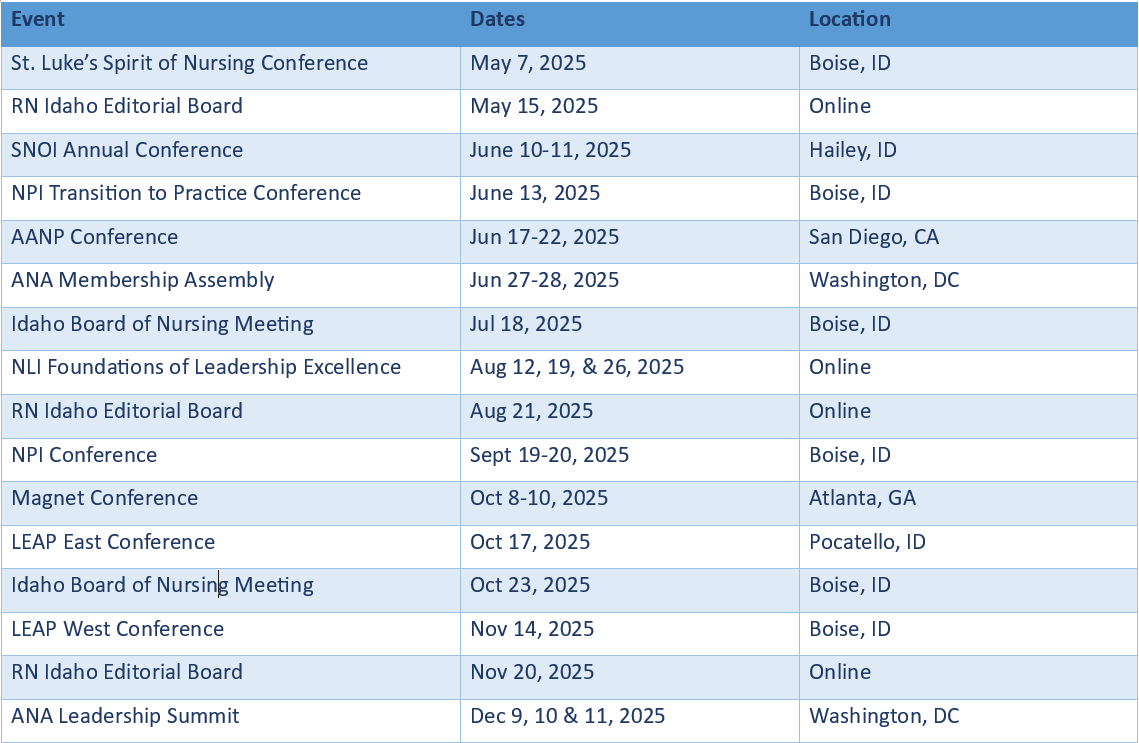
Save the Date!
Upcoming Events

Feature
The Impact of Anesthesia on Traumatic Brain Injuries

The Impact of Anesthesia on Traumatic Brain Injuries

Emma Watson, Amber Baranek, Ryoko Kausler, PhD, FNP-BC, MN, RN, and Lucy Zhao, PhD, MSN, MPaff, RN

Boise State University School of Nursing

Abstract

This literature review examines potential risks of anesthesia in traumatic brain injury (TBI) patients. Findings from 19 studies suggest that TBI patients with anesthesia may be at risk for secondary insults such as hypotension and delayed neurologic recovery. While evidence suggests adverse outcomes, further research is needed to investigate variable relationships. This review emphasizes the importance of initiating additional studies to strengthen evidence and improve care for TBI patients.

Background

Traumatic brain injuries (TBIs) frequently occur alongside injuries requiring surgical intervention and anesthesia (Abcejo et al., 2017). With approximately 214,000 TBI-related hospitalizations in the U.S. (2020) and 5.3 million annual orthopedic surgeries, there is significant overlap between these patient populations (Centers for Disease Control and Prevention, 2024; Vavilala et al., 2017). Research indicates that 57% of TBI patients undergo surgery within a week of injury, yet without standardized TBI diagnosis protocols, many cases may go unrecognized before surgery (Abcejo et al., 2017; Romeu-Mejia & Goldman, 2019). This timing creates concerns about the interaction between TBIs and anesthetics during early interventions. Secondary insults (SIs) are deficits caused by reduced cerebral blood flow, leading to brain dysfunction. SIs include hypotension, hypercarbia, hypocarbia, hyperglycemia, hypoglycemia, hyperthermia, and hypoxia (Algarra et al., 2017). These complications warrant particular attention given the potential dangers of anesthesia use. The rising incidence of TBIs and their lasting effects make understanding this interaction increasingly important (Vavilala et al., 2017). While limited research suggests possible risks for TBI patients receiving general anesthesia, further investigation is needed to determine whether they experience more adverse reactions compared to non-TBI patients. The purpose of this literature review is to identify current literature regarding the potential risks associated with anesthesia use in TBI patients.

Methods

This literature review included sources from the databases CINAHL, PubMed, and MEDLINE that were published between 1990 and 2024. The following search terms were used with limiters and expanders: concussion AND anesthesia, concussed patient anesthesia care, traumatic brain injuries, intraoperative, and secondary insult. The quality of sources was assessed using Melnyk's Rapid Critical Appraisal (RCA) Tool (Melnyk & Fineout-Overholt, 2019).

Results

A total of 19 articles were selected. Based on the RCA Tool, levels of evidence for the chosen articles were as follows: 2 level II, 2 level III, 10 level IV, and 5 level VI. The strength of these articles included 11 strong, 7 moderate, and 1 weak study (See Table 1).

Secondary Insults

SIs were a common theme in these findings. A retrospective study on the prevalence of SIs in TBI patients undergoing an orthopedic surgery within 2 weeks of their injury reported SIs such as systemic hypotension, intracranial hypertension, and both hypercarbia and hypocarbia. In this sample, 87% of patients experienced at least one SI intraoperatively. The most common SI was systemic hypotension (Algarra et al., 2017). Hypotension was likely a direct result of anesthesia rather than trauma-induced hypovolemia. Since the surgeries were limited to isolated orthopedic procedures with minimal average blood loss (75--100 mL) the likelihood was low that hypovolemia from bleeding was a significant contributing factor. While confounding variables cannot be entirely ruled out, the data strongly suggest that anesthesia played a primary role in the observed secondary insult of hypotension (Algarra et al., 2017). Another sample noted that systemic hypotension occurred 46.41% of the time in TBI patients undergoing surgery. This study identified two factors that influenced the occurrence of intraoperative hypotension: duration of anesthesia and severity of the Glasgow Coma Scale (GCS) score. When patients in this study were exposed to anesthesia for longer than 135 minutes, they were four times more likely to experience hypotension. If these patients had severe GCS scores, they were seven times more likely to have intraoperative hypotension (Zewdu et al., 2024).

Physiological Changes

In the setting of a TBI, multiple biomarkers have been identified that can indicate brain damage. Biomarkers Tau and S100B have both shown promise as clinical indicators of TBIs (Wang et al., 2021; Oris et al., 2023).

The results showed that there may be some risks associated with anesthesia for TBI patients. Propofol was found to limit the neurologic recovery process in rats that were given a TBI. In this particular study, it was also noted to increase the mortality rate and the overall neurologic dysfunction in these animals (Thal et al., 2014).

Finally, beta A4 amyloid protein deposits were found to play a role in the relationship between anesthesia and TBIs. Beta amyloid protein deposits can develop in the brain following a concussion, as evidenced by a study during which 38% of necropsies on deceased TBI patients under the age of 65 found beta amyloid deposits. The prevalence of these deposits in people under 65 years old is less than 0.01% (Roberts et al., 1991). In a randomized controlled trial involving rats, multiple mild head traumas resulted in the development of beta amyloid protein deposits within the brain (Grant et al., 2018). Anesthesia may exacerbate the growth of these accumulations. A randomized controlled trial resulted in inhaled anesthetics increasing the oligomerization of these protein deposits (Eckenhoff et al., 2004).

Discussion

This literature review examined risks of anesthesia use in TBI patients, revealing two major concerns: SIs and physiological changes. SIs can exacerbate brain damage by reducing oxygen access, manifesting as deteriorated CT scan results and decreased GCS scores (Algarra et al., 2017). Systemic hypotension is particularly dangerous, with severe TBI patients and those under prolonged anesthesia at highest risk (Zewdu et al., 2024). Quick correction of these insults is crucial to prevent further damage.

Physiological changes include alterations in blood and saliva biomarkers, which could help identify at-risk patients (Di Battista et al., 2018; Di Pietro et al., 2021). Beta amyloid protein deposits, associated with Alzheimer's disease, have been found following severe TBIs (Roberts et al., 1991) or multiple moderate head traumas (Grant et al., 2018). These deposits can cause inflammation, oxidative stress, decreased glucose metabolism, and synaptic dysfunction (Grant et al., 2018). Common anesthetics like isoflurane, halothane, and high concentrations of propofol can increase beta amyloid oligomerization, potentially worsening concussion symptoms and impeding healing (Eckenhoff et al., 2004). Animal studies have shown that propofol specifically can increase mortality rates and exacerbate TBI symptoms while disrupting brain healing processes. Propofol inhibited neurogenesis in particular, and this was described to be an important factor in memory function, healing, and cognitive function in both humans and rats. While this study was performed on rats rather than human subjects, this study emphasized that despite differences between species, the results seen may have "a high relevance and impact on the clinical application of propofol" (Thal et al., 2014). Confirmation of these findings is needed before any alternative practices can be recommended, however.

Nursing implications

In many cases involving severe trauma, surgical intervention cannot be avoided or delayed when there is a TBI present. In these cases, understanding the risk of anesthetic use is needed to address complications that may arise as a result of intervention, such as secondary insults, rather than preventing the use of anesthesia entirely. In situations where an elective or less urgent surgery is being performed, understanding the relationship between anesthetic use and TBI patient outcomes can give patients an opportunity to be better informed when giving consent to surgical intervention.

Clinical decision support systems have proven valuable in reducing complications in TBI patients undergoing anesthesia. On-screen alerts and real-time notifications help anesthesiologists respond quickly to abnormal data, improving guideline adherence and allowing swift correction of secondary insults with high accuracy (Colletti et al., 2019). While implementation varies based on patient needs, nurses can advocate for appropriate supervision levels, especially if there is an understanding about the risk for patient complications (Vavilala et al., 2017).

While MRI and CT scans are common diagnostic tools, they have limitations. MRIs often show "mostly normal findings" despite TBI presence, necessitating comprehensive physical and cognitive assessments (Cohrs et al., 2018). Furthermore, their implementation varies despite existing guidelines for their use (Lagares et al., 2022). As patient advocates and educators, nurses must ensure thorough evaluations beyond imaging alone.

Nurses can play a crucial role in TBI risk assessment through screening questions about recent head trauma and implementing tools like the Post-Concussion Symptom Scale. This quantitative scale measures physical, cognitive, vestibular, ocular, sleep, and emotional symptoms on a 0-6 severity scale (Sik et al., 2022). Additionally, neurocognitive testing via iPad applications can be integrated into nursing assessments (Lunter et al., 2018). If further research is conducted and confirms that anesthetic use in the setting of a TBI diagnosis is linked with complications, these assessments can allow nurses to determine if there is a risk for adverse outcomes. From there, it is important for nurses to educate patients regarding the risk of anesthesia use, and advocate for further monitoring and intervention that a patient may need if there are complications.

Limitations

Research in this area faces ethical constraints due to patient safety concerns, limiting the ability to conduct randomized control trials. This prevents direct human subject research that could cause harm, adhering to the principle of nonmaleficence. This is why several studies and randomized controlled trials that were included were performed on animals rather than human subjects. The possible variance in data between species must be acknowledged when examining the results within this review. Due to these same ethical limitations, articles have been included in this review that have ambiguous or unclear inclusion criteria regarding what qualifies as a TBI. This potential variation may also impact the validity of the results described and should be considered in future research. The varying presentation of symptoms between individuals and a lack of universal diagnostic criteria for a TBI may contribute to the indistinct meaning ascribed to the term.

This analysis was conducted as part of an undergraduate Evidence-Based Practice course project to increase nursing students' competencies in analyzing research and does not include systematic reviews or meta-analyses. In addition, articles that met literature review criteria were recorded for inclusion rather than systematically tracking excluded articles. This limitation provides an opportunity for improvement in future scoping reviews. The date range in this study is broad because the research in this area is currently limited, necessitating an exploration of older articles. Research methods may have changed with time, influencing these results. In addition, changes in practice across this timespan may influence the interpretation of the results within this review.

Conclusion

Current evidence may indicate an increased risk of adverse outcomes in TBI patients undergoing anesthesia compared to those without a TBI; however, further research is required to fully understand the scope of anesthesia's effects in this population and confirm the data found in the literature of this review. More research could provide an opportunity to confirm or reject a causative relationship in this matter, but it is difficult to produce due to ethical concerns. It is important for nurses to recognize the risks associated with the use of anesthesia in patients with TBIs, as emerging evidence may lead to new protocols in clinical practice.

References

Abcejo, A. S., Savica, R., Lanier, W. L., & Pasternak, J. J. (2017). Exposure to surgery and anesthesia after concussion due to mild traumatic brain injury. Mayo Clinic Proceedings, 92(7), 1042--1052. https://doi.org/10.1016/j.mayocp.2017.03.012

Algarra, N. N., Lele, A. V., Prathep, S., Souter, M. J., Vavilala, M. S., Qiu, Q., Sharma, D. (2017). Intraoperative secondary insults during orthopedic surgery in traumatic brain injury. Journal of Neurosurgical Anesthesiology, 29(3), 228-235. https://doi.org/10.1097/ANA.0000000000000292

Centers for Disease Control and Prevention. (2024, October 29). Traumatic brain injury and concussion. https://www.cdc.gov/traumatic-brain-injury/data-research/index.html

Cohrs, G., Huhndorf, M., Niemczyk, N., Volz, L. J., Bernsmeier, A., Singhal, A., Larsen, N., Synowitz, M., & Knerlich-Lukoschus, F. (2018). MRI in mild pediatric traumatic brain injury: Diagnostic overkill or useful tool? Child's Nervous System, 34(7), 1345--1352. https://doi.org/10.1007/s00381-018-3771-4

Colletti, A. A., Kiatchai, T., Lyons, V. H., Nair, B. G., Grant, R. M., & Vavilala, M. S. (2019). Feasibility and indicator outcomes using computerized clinical decision support in pediatric traumatic brain injury anesthesia care. Paediatric Anaesthesia, 29(3), 271--279. https://doi.org/10.1111/pan.13580

Di Battista, A. P., Churchill, N., Schweizer, T. A., Rhind, S. G., Richards, D., Baker, A. J., & Hutchison, M. G. (2018). Blood biomarkers are associated with brain function and blood flow following sport concussion. Journal of Neuroimmunology, 319, 1--8. https://doi.org/10.1016/j.jneuroim.2018.03.002

Di Battista, A. P., Rhind, S. G., Baker, A. J., Jetly, R., Debad, J. D., Richards, D., & Hutchison, M. G. (2018). An investigation of neuroinjury biomarkers after sport-related concussion:

From the subacute phase to clinical recovery. Brain Injury, 32(5), 575--582. https://doi.org/10.1080/02699052.2018.1432892

Di Pietro, V., O'Halloran, P., Watson, C. N., Begum, G., Acharjee, A., Yakoub, K. M., Bentley, C., Davies, D. J., Iliceto, P., Candilera, G., Menon, D. K., Cross, M. J., Stokes, K. A., Kemp, S. P., & Belli, A. (2021). Unique diagnostic signatures of concussion in the saliva of male athletes: The study of concussion in rugby union through MicroRNAs (scrum). British Journal of Sports Medicine, 55(24), 1395--1404. https://doi.org/10.1136/bjsports-2020-103274

Eckenhoff, R. G., Johansson, J. S., Wei, H., Carnini, A., Kang, B., Wei, W., Pidikiti, R., Keller, J. M., & Eckenhoff, M. F. (2004). Inhaled anesthetic enhancement of amyloid-beta oligomerization and cytotoxicity. Anesthesiology, 101(3), 703--709. https://doi.org/10.1097/00000542-200409000-00019

Grant, D. A., Serpa, R., Moattari, C. R., Brown, A., Greco, T., Prins, M. L., & Teng, E. (2018). Repeat mild traumatic brain injury in adolescent rats increases subsequent β-amyloid pathogenesis. Journal of Neurotrauma, 35(1), 94--104. https://doi.org/10.1089/neu.2017.5042

Lagares, A., Castaño-Leon, A. M., Richard, M., Tsitsopoulos, P. P., Morales, J., Mihai, P., Pavlov, V., Mejan, O., de la Cruz, J., Payen, J. F., Maignan, M., Jacquin, L., Douplat, M., Laribi, S., Pes, P., Ray, P., Guenezan, J., Sebbane, M., Balen, F., ... Alén, J. A. (2022). Variability in the indication of brain CT scan after mild traumatic brain injury. A transnational survey. European Journal of Trauma and Emergency Surgery, 49(3), 1189--1198. https://doi.org/10.1007/s00068-022-01902-5

Lunter, C. M., Carroll, E. L., Housden, C., Outtrim, J., Forsyth, F., Rivera, A., Maimaris, C., Boyle, A., Sahakian, B. J., Menon, D. K., & Newcombe, V. F. (2018). Neurocognitive

testing in the Emergency Department: A potential assessment tool for mild traumatic brain injury. Emergency Medicine Australasia, 31(3), 355--361. https://doi.org/10.1111/1742-6723.13163

Melnyk, B. M., & Fineout-Overholt, E. (2019). Evidence-based practice in nursing & healthcare: A guide to best practice. Fourth edition. Philadelphia, Wolters Kluwer.

Oris, C., Durif, J., Rouzaire, M., Pereira, B., Bouvier, D., Kahouadji, S., Abbot, M., Brailova, M., Lehmann, S., Hirtz, C., Decq, P., Dusfour, B., Marchi, N., & Sapin, V. (2023). Blood biomarkers for return to play after concussion in professional rugby players. Journal of Neurotrauma, 40(3-4), 283--295. https://doi.org/10.1089/neu.2022.0148

Roberts, G. W., Gentleman, S. M., Lynch, A., & Graham, D. I. (1991). ΒA4 amyloid protein deposition in brain after head trauma. The Lancet, 338(8780), 1422--1423. https://doi.org/10.1016/0140-6736(91)92724-g

Romeu-Mejia, R., Giza, C. C., & Goldman, J. T. (2019). Concussion pathophysiology and injury biomechanics. Current Reviews in Musculoskeletal Medicine, 12(2), 105--116. https://doi.org/10.1007/s12178-019-09536-8

Sik, A., Kaveney‐Gibb, B., Cooper, J., Pearson, J., Larsen, P., & Rogan, A. (2022). Is the sport concussion assessment tool 5th edition a useful concussion assessment tool in head‐injured patients presenting to the emergency department? Emergency Medicine Australasia, 35(3), 474--482. https://doi.org/10.1111/1742-6723.14144

Thal, S. C., Timaru-Kast, R., Wilde, F., Merk, P., Johnson, F., Frauenknecht, K., Sebastiani, A., Sommer, C., Staib-Lasarzik, I., Werner, C., & Engelhard, K. (2014). Propofol impairs neurogenesis and neurologic recovery and increases mortality rate in adult rats after traumatic brain injury. Critical care medicine, 42(1), 129--141. https://doi.org/10.1097/CCM.0b013e3182a639fd

Vavilala, M. S., Ferrari, L. R., & Herring, S. A. (2017). Perioperative care of the concussed patient: Making the case for defining best anesthesia care. Anesthesia and Analgesia, 125(3), 1053--1055. https://doi.org/10.1213/ANE.0000000000002080

Wang, R., Poublanc, J., Crawley, A. P., Sobczyk, O., Kneepkens, S., Mcketton, L., Tator, C., Wu, R., & Mikulis, D. J. (2021). Cerebrovascular reactivity changes in acute concussion: A controlled cohort study. Quantitative Imaging in Medicine and Surgery, 11(11), 4530--4542. https://doi.org/10.21037/qims-20-1296

Zewdu, M., Mersha, A. T., Ashagre, H. E., Arefayne, N. R., & Tegegne, B. A. (2024). Incidence of intraoperative hypotension and its factors among adult traumatic head injury patients in comprehensive specialized hospitals, northwest Ethiopia: A Multicenter Observational Study. BMC Anesthesiology, 24(1). https://doi.org/10.1186/s12871-024-02511-y
Idaho Nursing Awards
DAISY Award Recipients

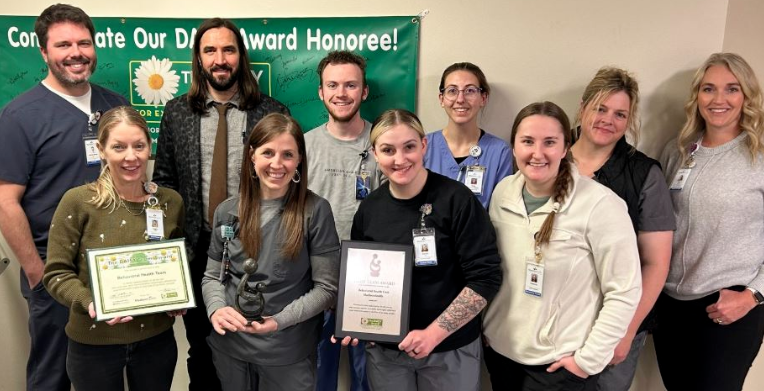
Behavioral Health Team

Madison Health - Rexburg

Team Members: Dr. James Morris, Psychiatrist, Dr. James McCoy, Psychiatrist, Tera Bybee, RN, Mitch Hagler, RN, Lori Courtney, RN, Colten Palmer, RN, Nicole Rowden, RN, Angela Freeman, RN, Allison Greer, RN, David Chenault, RN, Kathleen Jemmett, RN, Hayden Thorngren, RN, Heather Nelson, RN, Lorinda Allred, RN, Kade Batchelor, RN, Trevor DeMordaunt, Psych Tech, Kaitlyn Bedoya, Psych Tech, Harrison Inskeep, Psych Tech, Kaleb Harris, Psych Tech, Izaak Hawkins, Psych Tech, Regan Evans, Psych Tech, Hayden Hubbard, Psych Tech, Emily Weyenberg, Psych Tech, Megan Williams, Psych Tech, Trinity Jimenez, Psych Tech, Bryse Allen, Psych Tech, Mikayla Smith, Rec Therapist, Rebecca Allen, Rec Therapist, Angela Ellis, Social Worker, Traci Singleton, Social Worker, Kylie Sainsbury, Social Worker, Mark Thompson, Social Worker, Brooke Longe, Social Work Specialist, Rhys Levi Dill, HUC

This unit deserves a DAISY Team Award. They ALL went above & beyond to provide the best patient care. A couple shout outs to specific individuals...Mikayla (rec therapist) for always smiling and having a great attitude. Colton, for always making me laugh. Lori for her kind, supportive teachings. Angela for getting me to sing and to be mindful. Tera for showing me support on the first day and today. She told me I would be okay, and now here I am. Every nurse assistant/CNA was great and I could tell they will all be great nurses. Hayden and Kenzie were great (& good luck with nursing school.) I learned more than you can imagine and am beyond excited to start my next endeavor.

****************

I had a recent stay in the Behavioral Health Unit. I would like to say that I have been in several different units around the state of Idaho, and none of them have compared to your facility. From your psychiatrists to your nurses, your Psych Techs, and CNAs. Really, anyone involved on a day-to-day basis in BHU. The people working with me were respectful and helpful. But beyond that, they were caring and willing to help me every time I needed something. They came to work with smiles on their faces every day. They came to work and did it, not like a job but a visit with family and friends. I felt like a person, not just a patient. All of these people are caring and warm and gave me excellent care! I am nominating every person involved in the unit for the DAISY Award for all nurses. Please make sure to recognize these people as exemplary employees, and thank you so much for a great unit and a great recovery with that unit.

Idaho's Living Legends
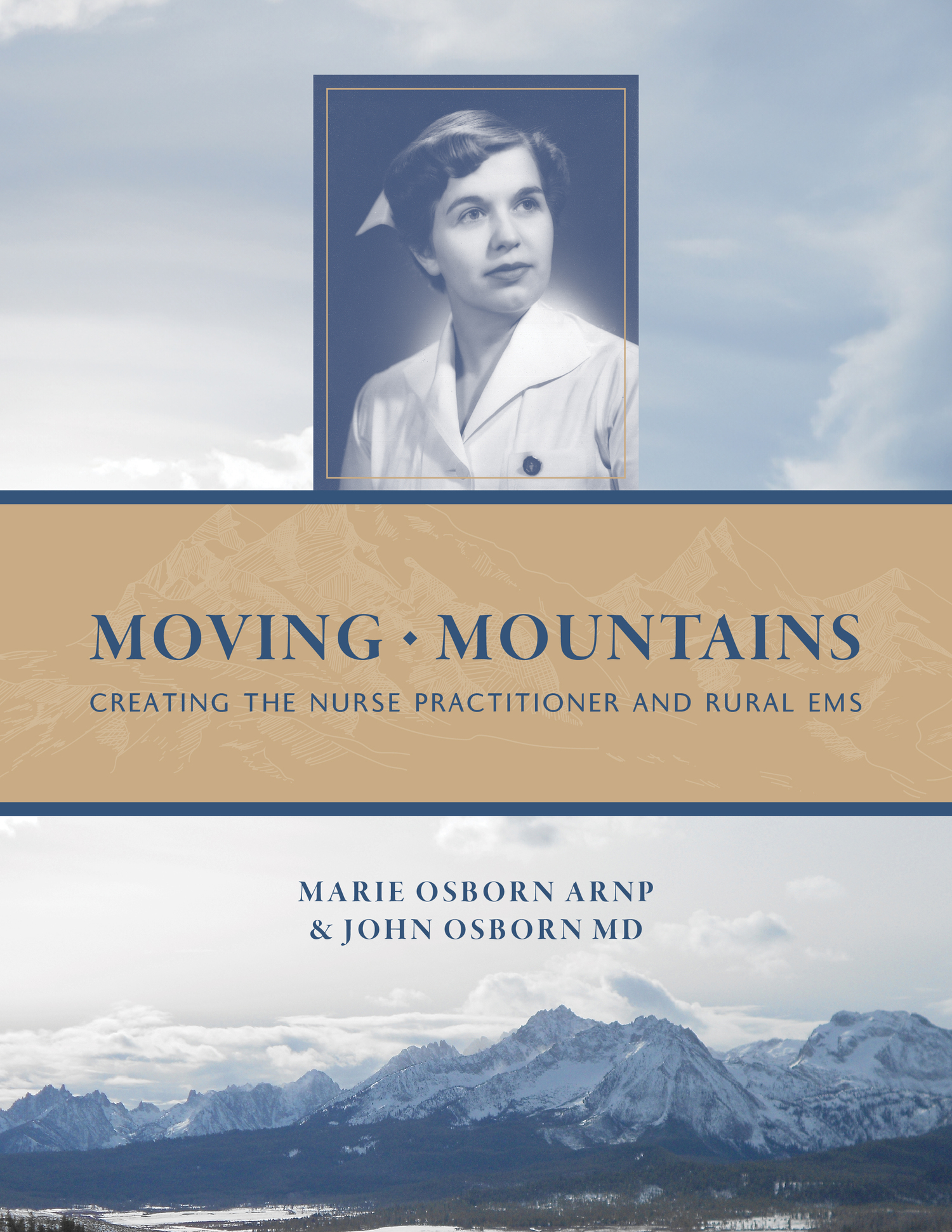
An Interview with Marie Osborn, NP, One of Idaho's Living Legends in Nursing...about her new book Moving Mountains-Creating the Nurse Practitioner and Rural EMS.
Randall Hudspeth, PhD, MBA, MS, APRN-CNP, FRE, FAANP

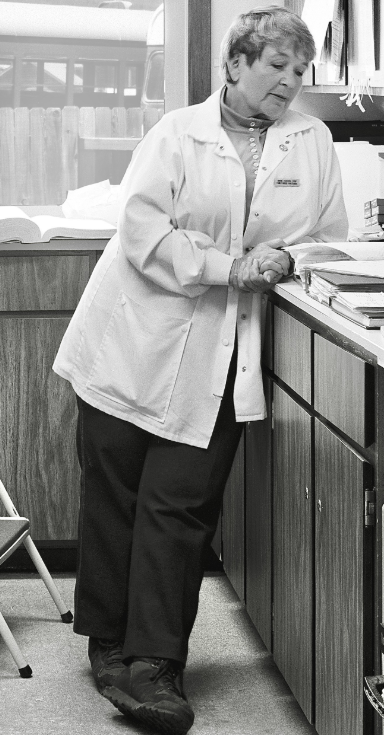
I have known Marie Osborn for more than twenty-five years, but I knew of her long before that. She is one of Idaho's esteemed nursing living legends, and her long career significantly impacted nurse practitioners (NP) when their roles in Idaho were emerging. Even more important, her solo NP practice in Stanley, Idaho, showcased Idaho's lack of emergency medical services (EMS) in rural communities when she was unintentionally placed in the role of EMS provider in addition to being the only provider of any medical services in the part of Idaho that stretches from Lowman to the Galena Summit north of Ketchum known as the Stanley Basin. Her experiences of more than thirty years in that area have been showcased in a new and informative book Moving Mountains: Creating the Nurse Practitioner and Rural EMS.

The book tells the story of how Marie came to be in the role of the only provider in that area of Idaho, how she established the Stanley Clinic, and describes the many barriers she faced and overcame to make it a success. A major consequence of having the clinic was how the support systems, such as a local emergency service, came to exist and how the EMS evolved to be an essential part of the community. The unplanned outcomes were the development of regulations that supported rural health services, the education of community EMS volunteers to standardize basic levels of care, the establishment of a premed internship program with the College of Idaho, and a focus on other parts of Idaho that had similar needs.

Marie's background in nursing started in 1953 when she graduated with a BSN degree from Ball State University. This was at a time when the majority of nursing education was in hospital-based diploma schools, and the introduction of college-based nursing education saw the associate degree emerging. Her degree positioned her to engage with a broad range of healthcare opportunities, but her focus was also as a wife and mother. Her family began vacationing in Stanley during the summers and the vision of a rural clinic there began to generate in her mind. This interesting book details that evolution.

Marie's impact on the NP role and on regulations has been important. In 1972, Marie was among the initial ten nurses who were licensed in the first issuance of NP licenses to practice. As luck would have it, her application was near the top of the pile, and this resulted in her being licensee number NP-2. Number 1 was never issued because the candidate failed to demonstrate NP education, and thus, Marie has long been recognized as the first NP licensed in Idaho, even though she shares the date with 8 others. She was the first NP to practice in rural Idaho and first to be in a solo practice without a physician on-site. This situation posed many challenges legally. Luckily, the Executive Director of the Board of Nursing at the time, Eileen Merrill, and a former board chairman, Laura Larson, supported the role and helped implement rules and regulations that removed some of the barriers. Laura Larson was the nursing administrator of the new Medicare program in Idaho and had learned about how NPs were being used in Colorado. She felt that Idaho could replicate and expand on that model, and that Marie's situation was a perfect example of meeting the needs of a rural community.

During my interview with Marie, she shared much about how her NP role evolved and about her experiences writing the book.

What was your initial motivation to write this book?

Idaho was the first state to legally recognize the role of nurse practitioners (NPs) in 1971, even though the licenses were not issued until a year later, after some rules were developed. By 1975, my annual income was $1,000. In those first years, the Stanley Clinic's income was whatever we collected from fee-for-service and donations. Insurance companies and Medicare didn't recognize nurse practitioners, so we couldn't bill for services. After we paid the bills for the clinic and the ambulance, my income was whatever was left. Because of those lean years and the many experiences that could be shared, writing a memoir was a way to fund my retirement.

How has the focus of the book evolved over the past few years as you refined the manuscript?

Much has happened since 1975, when my son John and I first stood in the lab at the Stanley Clinic and talked about writing the book. The state's Nurse Practice Act was revised in 1977 to include the term "nurse practitioner" and in 1986 to give NPs prescriptive authority, although scheduled drugs remained an issue. In those 50 years, Emergency Medical Services (EMS) and the nurse practitioner profession blossomed. We came to see the book as a collection of stories---a "memoir of memoirs." Some key people had died before John and I started the book ten years ago. Others, Dr. Michael Copass of Seattle's Harborview Medical Center and Ken Hartz, a volunteer EMT, died this past year before we could publish the book.

What started in 1975 as an idea to fund my retirement has become, in 2025, a way to honor those who helped make the NP profession and EMS a reality.

Looking back 50 years, what were the biggest barriers that you had to overcome, both personally and as an NP?

As BSN students in the early 1950s, young women were handmaidens to the gods. If we didn't stand and offer our chair to a doctor entering the room, we would answer to our instructors. Doctors were men, and nurses were women. Fast-forward to 2022, when I attended the 50th anniversary of the Nurse Practitioner in Idaho: the room was packed with women and men nurse practitioners. Many of the changes for women began to occur in the late 1960s and 1970s, as I was opening the clinic in Stanley.

In 1972, when I trained at Harborview, one of the nation's first paramedic programs was underway as part of Seattle's Medic One. Administrators told me I could not ride the trauma ambulance because it wasn't suitable for a woman---but I could train with paramedics on the cardiac ambulance. Later, when I trained at Cook County Medical Center in Chicago, I was the first woman to ride the ambulance with firemen in the South Side Chicago district. Back home in the Sawtooth-Salmon River country, for nearly 30 years, I responded to emergencies and provided primary care. When people needed help, they didn't care whether I was a woman or a man. They just needed help.

In the backcountry, you do what you have to do to save lives and take care of your patients. The nearest hospital from Stanley is 60 miles over the 8,900-foot Galena Summit. Fundamentally, the state boards of medicine, pharmacy, and nursing, along with legislators, understood what I faced, although I was frequently summoned to Boise to defend my work.

If you break rules or step out of line, I learned that you better have a good reason. I pushed the envelope when I had to. Because my work was high profile with a bullseye on my back, those early conflicts inevitably helped to define the nurse practitioner we know today. I didn't set out to help create a new professional role or to change the world. I set out to provide healthcare for a small, isolated community that had none and that also had a large number of tourists in the summer and difficult access in the winter.

What have been the most rewarding and sustainable outcomes from your work?

Taking care of people. There is nothing else like it. Being on call 24/7 in the Sawtooth-Salmon River country was an incredible experience, from embedded fishhooks to major trauma and heart attacks, all accompanied with the occasional dog miserable with a face full of porcupine quills. In a heartbeat, I'd be back seeing patients if only I could. But, I can't.

I'm reminded of that opening line from John Donne's poem, For Whom the Bell Tolls:  "No man is an island." We don't do much of anything alone. I could never have done what I did without the help of many people---and John and I make that clear in Moving Mountains. Together, a small group of committed people helped create the EMS networks that are in place today that take emergency calls. When I started, almost none of that existed. Doors opened, and sometimes in amazing ways.

Ask nearly anyone today if they've heard of a "nurse practitioner," and they'll say yes. When I started, Eileen Merrill, the Executive Director of the Board of Nursing, and I had long conversations about what to call my role. When I trained at Harborview in Seattle and Cook County in Chicago, no one had heard of nurse practitioners. Training programs evolved over time guided by the needs and experience we had. The early history of the nurse practitioner profession is a reminder to never underestimate the power of nurses. In just three years, I went from a put-together Emergency-NP training program in 1972 at Harborview, Treasure Valley, and the Wood River Valley to the first Family Nurse Practitioner class at the University of Utah in 1975.

Rural healthcare education is essential. In 1975, John worked with the College of Idaho to establish a pre-med internship program at the Stanley Clinic to help his mother, and in 1982, he did the same at the University of Washington for a medical student program through WWAMI. For NP education, I worked with Gonzaga University, Idaho State University, and others to provide NP-student clinical experiences.

This year, the College of Idaho premed program at the Stanley Clinic celebrates its 50th year, 1975-2025. Whatever first motivates students to come to the Stanley Clinic and serve on the Stanley Ambulance, by the time they finish the rotation and leave town, they are forever changed. We need more of these rural training programs for young, aspiring healthcare students.

We wanted to thank physicians and help memorialize their roles in creating the nurse practitioner profession. In 1965, Dr. Henry Silver and Loretta Ford, RN, co-founded the first NP training program, located in Colorado, to provide rural pediatric care in underserved communities. Dr. John Edwards of Council, Idaho, was a physician-legislator who led the effort that made Idaho the first state to license nurse practitioners, and he also served as one of the first NP preceptors in Idaho.

In 2004, Idaho statute eliminated the requirement for physician supervision of NPs when they were recognized as licensed independent providers or "LIPs." My longest-serving physician supervisor has remained a close friend:  Dr. Bryan Stone. He was an advocate for my work. When I was summoned to Boise for a hearing with the Board of Pharmacy over prescriptive authority, one outcome was that Dr. Stone was placed on probation for 25 years. He, too, was committed to rural healthcare. He retired from seeing patients at age 85 in Emmett, after serving a second medical mission through the Methodist Church in Africa with his wife and RN, Ann Stone.

Moving Mountains is also the story of my family. In 1971, I was 40 years old, married to Cal, and had five kids in Boise schools. Without my husband, I could never have done what I did. Cal was a Stanley Clinic booster and helped nearly every step of the way in those first years. Whereas the Stanley Clinic and Stanley Ambulance flourished, our marriage did not: 24/7 emergency on-call, and the 129 miles between Boise and Stanley took a toll. Cal and I ended up divorcing, although we remained good friends until his death in 2014. Our five children have all done well, and I'm proud of them and my grandchildren. Two of my children, now in their 60s, are still at the bedside taking care of their patients:  Debbie is an ER nurse in St. Paul, and John is an internist working in the ER at the Seattle VA.

What are the key lessons learned based on your rural experience that should be considered as Idaho continues to struggle with effective rural healthcare coverage?

My community supported me. In one pivotal, historic legislative hearing on February 1, 1979, nearly everyone in Stanley drove icy mountain roads to Boise to defend their access to healthcare. One of those who testified, Bud James, volunteered to run the emergency radio base station at the motel office. I can still hear Bud's booming voice in that hearing room---no legislator had to turn up a hearing aid.

Further evidence of community support came with the vote to establish a rural "hospital" district so that property owners would tax themselves to help pay for their healthcare. The vote was 98-2, and those two who voted ended up using the clinic a lot and later apologized. So, you build support from your local community. I did, and that made all the difference.

The book tells us a great story. What would you like to see as an outcome from its publication?

In 2025, licensed NPs number over 300,000 nationally, and our profession is expanding internationally. We've come a long way in a short time. Growing pains are inevitable. To look forward, we should look back and remember that we created this profession to serve the underserved, especially rural communities.

Rural healthcare must remain financially solvent. In Moving Mountains we walk the reader through how we kept the clinic doors open and the ambulance running.  We want people to know what we did and how we did it in the hopes it will help others struggling with rural healthcare finances.

Finally, if you are having chest pain, your child can't breathe, or your spouse is trapped in a wrecked car, who is going to get out of bed at 3 a.m. and help you or your loved ones? Life or death turns on the kindness of strangers, these Biblical Good Samaritans. Rural EMS depends on volunteer EMTs. I know, I trained hundreds in Idaho. But many of our EMT volunteers are aging and retiring, and not enough younger people are stepping up. In Moving Mountains, we offer solutions to the growing crisis in rural EMS. Here is one:

In Idaho's Sawtooth-Salmon River country, we had the "Goat Patrol":  Steve Lipus (U.S. Forest Service) and Gary Gadwa (Idaho Fish and Game). Gary and Steve knew the backcountry and could get to people fast, even before helicopters, and especially in bad mountain weather. The Goat Patrol were committed EMTs whose agencies supported them as first responders. Sadly, in recent years, agency commitment to rural EMS has waned. Moving Mountains calls on agencies ---state and federal---to look at the Goat Patrol as a model, recommit to EMS, and work to incentivize staff to serve in first-responder units in rural America.

Our first ambulance in 1972 was a military surplus 1958 Pontiac that looked like a hearse. It cost $400 with holes in the floorboards, fumes, and an unreliable electrical system. More than once, we had to use flashlights held out of open windows as we drove over Galena Summit. Before then, it was a Forest Service station wagon, or wait over two hours for an ambulance from Hailey. We planned to replace our ambulance every ten years. We did that with donations from all over the country, as well as help from Idaho EMS. Today, ambulances cost $100,000 to $250,000 --without personnel. 

We need to recognize EMS as an essential service, especially in rural America, and better support volunteer first-responder units with equipment and training.

Finally, my message to student nurses and nurse practitioners, women and men, is from Ralph Waldo Emerson, a quote that hung on the wall of the Stanley Clinic for nearly 30 years and remains with me in my 93rd year:  "Do not go where the path may lead, go instead where there is no path and leave a trail." 

I want to thank Marie and Dr. John Osborn for a great interview and for sharing more interesting stories than we can cover here. Marie's tenacity in staying with her vision of the Stanley Clinic is to be admired. Their book is a great read. I was fortunate to read it in the proofing phase. It is available at Moving Mountains - Creating the Nurse Practitioner and Rural EMS -- Caxton Press.

ICN Executive Director's Report
Exciting Updates from the Idaho Center for Nursing (ICN)!
Teresa Stanfill, DNP, RN, NEA-BC, RNC-BC

It has been a busy few months for the ICN as we continue to work collaboratively across our membership associations and state connections.

Steering Committee Initiatives

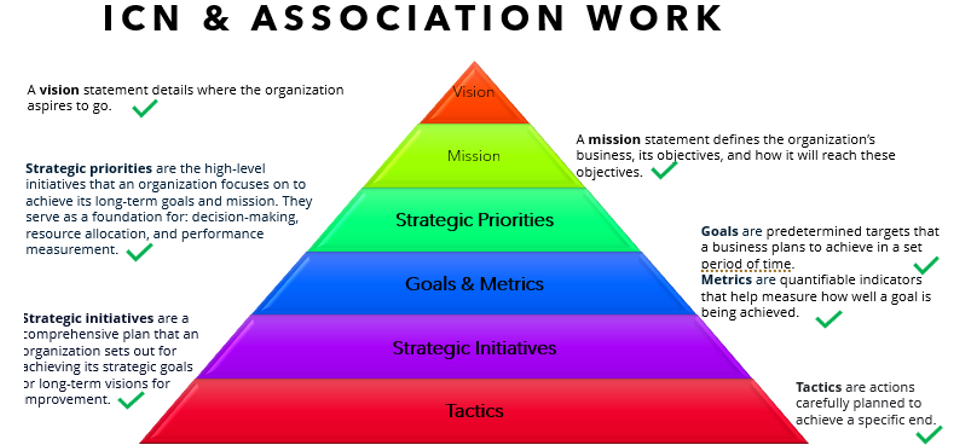
In 2024, we established a Steering Committee with representatives from ANA-Idaho, Nurse Leaders of Idaho, Nurse Practitioners of Idaho, and the School Nurse Organization of Idaho. The ICN represented the non-member association work, including the State Nursing Workforce, Nursing Recognition & DAISY, Nurses on Boards Coalition, and more. The purpose of this group was to enhance communication across and between the associations to ensure maximum return on the work of each association’s board. One of the key advantages is that while each association concentrates on their specific needs, the ICN's Mission and Vision consistently support and enhance their efforts.

Strategic Priorities and Goals

Over the last 12 months, grounded by the Steering Committee, each association has systematically reviewed their Mission & Vision (updating as needed), identified their own strategic priorities, set measurable goals with metrics, and identified key tactics to support the work.

Bylaws Update

The ICN Board underwent a bylaws update/change that now provides seats on the core board for each of the membership associations affiliated with the ICN. This is an exciting next step in the evolution of this organization. The ICN is very proud of the work done by the association leaders!

Branding Update

We have made significant strides in advancing and evolving the ICN brand. Our efforts have focused on enhancing our visual identity, refining our messaging, and increasing our presence across various platforms. These initiatives aim to better represent the values and mission of the ICN, ensuring that our brand resonates with our members and the broader community. Look for the new brand on the website in the next 2 weeks.

Stay tuned for more updates and thank you for your continued support!

NLI President's Report
Celebrating Idaho Nurse Leadership: Highlights from AONL 2025
Brie Sandow, MSN, RN, NEA-BC - NLI President

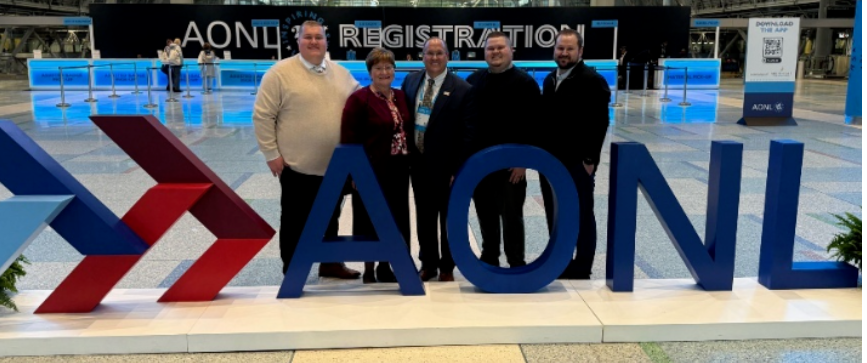
I have just returned from the AONL National Conference, where I had the incredible honor of representing Nurse Leaders of Idaho (NLI). The event was filled with inspiring keynote speakers, insightful breakout sessions, and invaluable networking opportunities. I'd love to share a few of the highlights with you!

A Special Honor for Dr. Kevin McEwan

One of the most heartwarming moments of the conference was celebrating the induction of past NLI President Dr. Kevin McEwan (DNP, RN, NEA-BC, FACHE) as a Fellow in the American Organization of Nurse Leaders (FAONL). This prestigious honor recognizes his outstanding contributions to nursing leadership. Kevin's wife, Jeanne McEwan, played a special role in making this moment even more memorable by orchestrating the surprise arrival of their three sons to witness his induction.

Reflecting on this achievement, Kevin shared on LinkedIn:

"However, my greatest honor and titles will always be Dad and Papa. Having my three sons surprise me by showing up in Boston for my AONL recognition was huge. As so much of my professional pursuits have required my being away from my family at times, both days and nights. However, they have always been there for me. Through the upbringing by their mom and examples of giving kindness, they are better men and fathers than I was in many ways."

Congratulations, Dr. McEwan, on this well-deserved recognition!

Idaho's Strong Presence at the Affiliates' Reception

Another exciting highlight was Idaho's participation in the inaugural Affiliates' Reception. This event provided a unique platform for NLI to showcase the impactful work we are doing to support workforce development, leadership growth, and career advancement for nurses. It was a fantastic opportunity to connect with regional colleagues and strengthen our collaborative efforts in shaping the future of nursing leadership.

A Personal Milestone: A Book at the AONL Bookstore

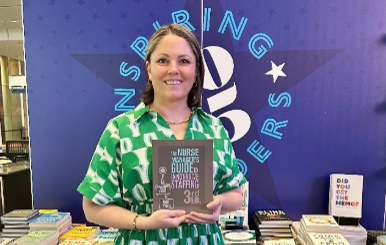
Every aspiring author dreams of the day their work reaches readers, and I was honored to see the book I co-authored with Dr. Jennifer Mensik-Kennedy, Nurse Manager's Guide to Innovative Staffing, Third Edition, available at the AONL bookstore!

It was an incredible privilege to contribute to this resource and share it with fellow nurse leaders.

Looking Ahead: AONL 2026 in Chicago!

This year's AONL Conference was an unforgettable experience, and I'm already looking forward to next year's gathering! Mark your calendars for March 29--April 1, 2026, in Chicago. I hope to see many of you there as we continue to learn, grow, and lead together.

Thank you to everyone who made this year's conference so special. Let's keep the momentum going and continue strengthening nurse leadership in Idaho and beyond!

Feature
AI/ML-Based Clinical Decision Support Systems: A Call for Nursing Actions
BM
Barbara McNeil, PhD, RN, NI-BC
AF
Aaron Fay, RN

The author(s) declared no potential conflicts of interest with respect to the research, authorship, and/or publication of this article.

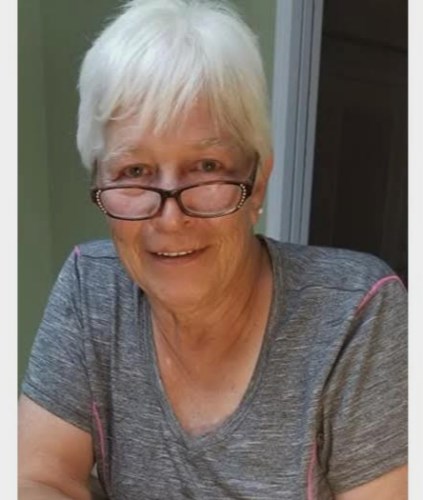
This article was initially run with an incorrect photo of author Barbara McNeil.  This has since been corrected with sincere apologies to the author.

Clinical decision support systems (CDSS) were developed in the 1970's to improve the quality and safety of patient care (Sutton et al., 2020). Since that time, CDSS have continued to evolve using artificial intelligence (AI) and machine learning (ML) features and are integrated into healthcare, computerized provider order entry (CPOE), the electronic health record (EHR), and nursing's point-of-care clinical decisions. This article examines AI/ML CDSS and suggests pro-active steps for nurses to ensure safe, effective, and ethical use of these technological tools.

Overview of AI/ML CDSS

CDSS are computerized systems that contain a variety of features and functions e.g., assessing risk of falls and possible medication errors, managing pain care, etc. In healthcare, AI/ML CDSS are administered through desktop, tablet, smartphone, biometric monitoring, and wearable health technology. See Wasyliewicz and Scheepers-Hoek (2018) for in-depth discussion of CDSS features.

AI includes intelligent machines that use algorithms and mimic human cognitive functioning for learning, reasoning, and problem-solving purposes (IBM, 2023). Types of AI and examples are discussed in the American Medical Association (AMA) Council on Long Range Planning and Development (2018, June), Schneidereith and Thibault (2023), and Watson (2024). With increasing innovations in technology and AI, future CDSS applications are expected to incorporate greater AI or ML features for disease diagnosis, treatment, patient monitoring, and assessing risk for complications (Susanto et al., 2023).

Machine learning (ML) is a subset of AI that can recognize patterns and learn with repeated inputs of data to make better and better decisions over time (Columbia Engineering, n.d.). ML requires inputting data from electronic health records, sensors, and images to train these machines (a.k.a., "training data") that then create relationships and resultant algorithms (Ng et al., 2022; von Gerich et al., 2022). Research studies have reported varied benefits, opportunities, and pitfalls of AI/ML CDSS (Gonzalez-Garcia et al., 2024; Sarikose and Celik, 2024; Susanto, 2023; Sutton et al., 2020; Watson, 2024).

In a systematic review, Sarikose and Celik (2024) reported positive effects for CDSS use in the ICU on patient care outcomes, ICU nurse decision-making, and the ICU work environment. Susanto et al. (2023) reported that most AI/ML CDSS were "assistive," requiring clinicians to make the final decision in risk assessments for sepsis and interpreting malignant colon lesions" (p. 2026). Pinsky et al. (2024) concluded that AI/ML CDSS in acute and intensive care settings support clinicians but do not replace clinicians at the bedside. Gonzalez-Garcia et al. (2024) identified AI's potential to improve decision making and overall efficiency in nursing management.

Sutton et al. (2020) identified potential pitfalls of AI/ML CDSS, including incorrect operation, increased costs, alert fatigue of healthcare users, and the potential to jeopardize the quality of care. Wani et al (2022) noted that outputs from AI/ML CDSS can be incorrect and biased with their data and information. Swan (2021) emphasized that human interpretation and oversight of AI/ML CDSS outputs are critical for safe, ethical care.

For use in nursing, Akbar et al. (2021) concluded that AI/ML CDSS did not sufficiently support the nursing care process; more intelligent CDSS are needed as well as additional long-term research studies to better understand how the use of AI/ML CDSS affects care delivery, safety, and patient outcomes.

Nursing Actions

To ensure patient care is safe, ethical, and high quality, at all levels, roles, and settings, nurses have responsibilities when developing, selecting, deploying, managing, and evaluating AI/ML CDSS for use in practice, education, administration, and research.

  • Continuing AI/ML Education, Training, and Re-Training

In a national survey, Swan (2021) reported that only 30% of nurses, nursing students, and nurse educators had knowledge about how AI was used in nursing practice (p.140). The ANA clearly states (2022, para 1), "nurses must be informed about AI so they can provide appropriate education to patients and families to dispel myths and alleviate fears and thereby support the use of AI for optimal health outcomes." To meet this requirement, nurses at all levels will need updated education, ongoing training, and re-training for current and new AI/ML CDSS tools.

Nursing students and nurse faculty will require revised curricula containing basic AI/ML knowledge and skills with emphasis on the deployment of critical thinking skills while using and evaluating these tools. Focusing on nurse managers' use of AI/ML CDSS, Gonzalez-Garcia et al. (2024) emphasized that nurse managers will need "robust training" in AI to fulfill their role and new roles as "change leaders" (Introduction, para 5).

  • Adherence to AI/ML Healthcare Policies and Regulations

Although federal regulation of AI standards in healthcare has not yet been fully completed, keeping abreast of developments in governmental, professional, and institutional regulations and standards is essential for nurses. Recently, the U.S. Department of Health and Human Services (HHS) (2024) released four key goals for its Artificial Intelligence Strategic Plan addressing safety, quality, efficiency, accessibility, equitability, and outcomes in health and human services. The U.S. Food and Drug Administration (FDA, 2021) published guidelines for good AL/ML practice for medical devices, including the need for clear, essential, and regularly updated information to be provided to users of AI/ML tools. The American Nurses Association (ANA) Center for Ethics and Human Rights (2022) has published a position statement on AI use in nursing with clear AI use guidelines, responsibilities, and mandates for nurses in practice and management/leadership.

  • Ensuring Trustworthiness and Ethical Use of AI/ML CDSS

The ANA's Center for Ethics and Human Rights' Position Statement (2022) underscores the need for nurses to maintain human interaction and the quality and values of the nurse-patient relationship in the use of this evolving technology. ANA's position statement (para 2) specifically focuses on fairness, justice, and equity in care and endorses nurses taking a proactive approach in evaluating AI's impact on health care.

Nurses serving on AI oversight committees as well as developing, selecting, implementing, and evaluating AI/ML CDSS applications will have a key role in identifying inherent biases in AI/ML CDSS tools and ensuring these tools are used appropriately in nursing care delivery, clinical decision making, and nursing workflows. von Gerich et al. concluded (2022) that nursing involvement during AI/ML CDSS development would help ensure usability and verify accurate reflections of clinical reality.

Conclusions

AI/ML CDSS tools will continue to evolve and impact nursing care delivery, patient outcomes, nursing education, nursing research, and nursing management/leadership. Armed with additional AI/ML education/training and a strong commitment to ethical principles of care and nursing's core values, nurses can preserve the nurse-patient relationship. Providing vigilant human oversight of these tools, using AI guidelines/policies, and applying critical thinking to alerts and judgments are essential.

We are now seeing glimpses of healthcare's future. In one nurse's words (Watson, 2024, p. 1038), nursing must "chart a responsible path forward."

Article references 

Akbar, S, Lyell, D., & Magrabi, F. (2021). Automation in nursing decision support systems: A systematic review of effects on decision making, care delivery, and patient outcomes.

Journal of the American Medical Informatics Association, 28(11), 2502-2513.

https://doi.org/10.1093/jamia/ocab123

American Medical Association (AMA) Council on Long Range Planning and Development. (2018, June). Report of the Council on Long Range Planning and Development: A primer on artificial and augmented intelligence. 2018 AMA Annual Meeting. https://www.ama-assn.org/system/files/2018-11/a18-clrpd-reports.pdf

American Nurses Association [ANA]. (2022). ANA Center for Ethics and Human Rights Position Statement: The ethical use of artificial intelligence in nursing practice. https://www.nursingworld.org/globalassets/practiceandpolicy/nursing-excellence/ana-position-statements/the-ethical-use-of-artificial-intelligence-in-nursing-practice_bod-approved-12_20_22.pdf

Columbia Engineering. (n.d.) Artificial intelligence (AI) vs. Machine learning. Columbia University. https://ai.engineering.columbia.edu/ai-vs-machine-learning/

Gonzalez-Garcia, A., Perez-Gonzalez, S., Benavides, C., Pinto-Carral, A., Quiroga-Sanchez, E., & Marques-Sanchez, P. (2024). Impact of artificial intelligence--based technology on nurse management: A systematic review. Journal of Nursing Management, 2024(1). https://doi.org/10.1155/2024/3537964

IBM. (2023). What is artificial intelligence (AI)? https://www.ibm.com/topics/artificial-intelligence

Ng, Z. Q. P., Ling, L. Y. J., Chew, H. S. J., & Lau, Y. (2022). The role of artificial intelligence in enhancing clinical nursing care: A scoping re­view. Journal of Nursing Management, 30(8), 3654--3674. https://doi. org/10.1111/jonm.13425 PMID:3427291

Pinsky, M. R., Bedoya, A., Bihorac, A., Celi, L. Churpek, M., Economou‑Zavlanos, N., Ebers, P. Saria, S., Liu, V., Lyons, P.G., Shickel1, B., Toral, P., 3,6, David Tscholl, D., & Clermont1, G. (2024). Use of artificial intelligence in critical care: Opportunities and obstacles. Critical Care, 28, 113-124. https://doi.org/10.1186/s13054-024-04860-z

Sarikose, A. & Celik, S.S. (2024). The effect of clinical decision support systems on patients, nurses, and work environment in ICUs: A systematic review. CIN: Computers, Informatics, Nursing, 42(1), 298-304. https://doi.org/10.1097/CIN.0000000000001107

Schneidereith, T.A., & Thibault, J. (2023). The basics of artificial intelligence in nursing: Fundamentals and recommendations for educators. Journal of Nursing Education, 62(12). 716-720.

Susanto, A.P., Lyell, D.,Widyantoro, B., Berkovsky, S., & Magrabi, F. (2023). Effects of machine-learning-based clinical decision support systems on decision-making, care delivery, and patient outcomes: A scoping review. Journal of the American Medical Informatics Association, 30(12), 2050-2063.

Sutton, R.T., Pincock, D., Baugart, D.C., Sadowski, D.C., Fedorak, R.N., & Kroeker, K.I. (2020).An overview of clinical decision support systems: Benefits, risks, and strategies for success. npj Digital Medicine, 3(1), https://doi.org/10.1038/s41746-020-0221-y
Swan, B.A. (2021). Assessing the knowledge and attitudes of registered nurses about artificial intelligence in nursing and health care. Nursing Economic$, 39(3), 139-143.

U.S. Department of Health and Human Services . (January 10, 2024). HHS releases strategic plan for the use of artificial intelligence to enhance and protect the health and well-being of Americans. https://www.hhs.gov/about/news/2025/01/10/hhs-releases-strategic-plan-use-artificial-intelligence-enhance-protect-health-well-being-americans.html
U.S. Food and Drug Administration (FDA). (2021) Ten guiding principles for good machine learning practices (GMLP). Retrieved January 20, 2025 from, https://www.fda.gov/medical-devices/software-medical-device-samd/good-machine-learning-practice-medical-device-development-guiding-principles

von Gerich, H., Moen, H., Block, L. J., Chu, C. H., DeForest, H., Ho­bensack, M., Michalowski, M., Mitchell, J., Nibber, R., Olalia, M. A., Pruinelli, L., Ronquillo, C. E., Topaz, M., & Peltonen, L-M. (2022). Artificial Intelligence-based technologies in nursing: A scop­ing literature review of the evidence. International Journal of Nursing Studies, 127, 104153. https://doi.org/10.1016/j.ijnurstu.2021.104153

Wani, S. U. D., Nisar, A. K., Thakur, G., Gautam, S. P., Ali, M., Alam, P., Alshehri, S., Ghoneim, M. M., & Shakeel, F. (2022). Utilization of artificial intelligence in disease prevention: Diagnosis, treatment, and implications for the healthcare workforce. Healthcare, 10(4). https://doi.org/10.3390/healthcare10040608

Watson, A.L. (2024). Ethical considerations for AI in nursing informatics. Nursing Ethics, 31(6), 1031-1040. https://doi.org/10.1177/09697330241230515

Wasyliewicz, A.T.M., & Scheepers-Hoek, A. M. J. W. (2018). Clinical decision support systems. In P. Kuben, M. Dumontier & Dekker, A. (Eds). Fundamentals of clinical data science (Chapter 11). Springer. https://www.ncbi.nlm.nih.gov/books/NBK543516/

In Memoriam
In Memoriam April 2025 Edition

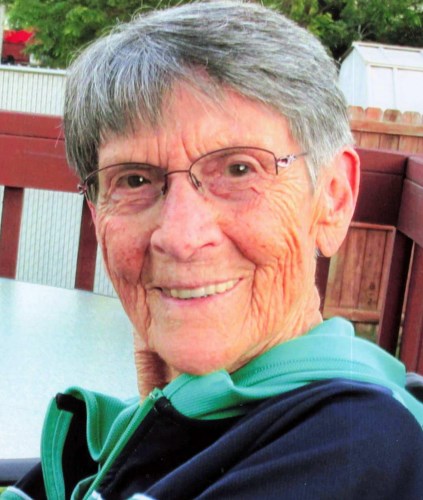
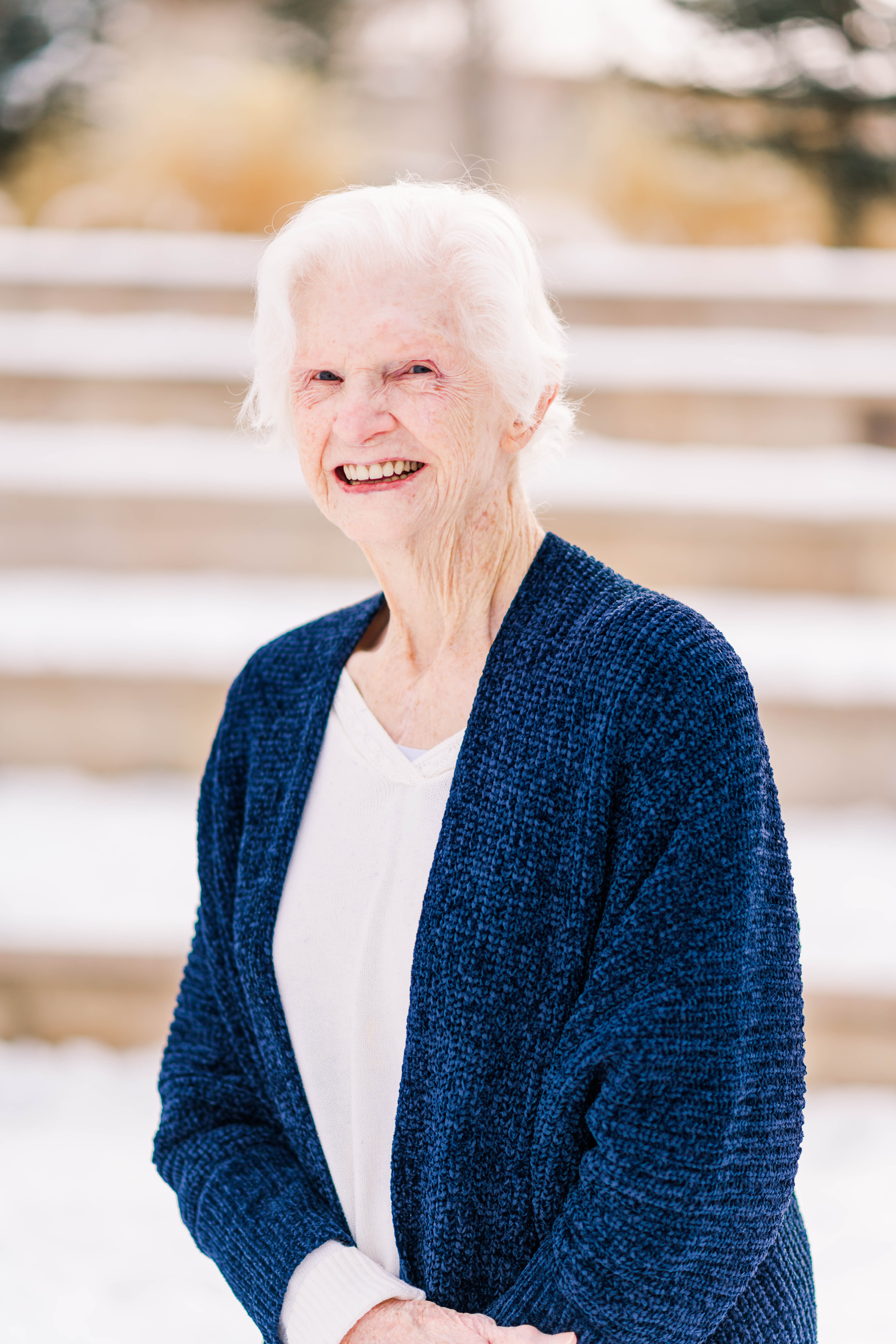
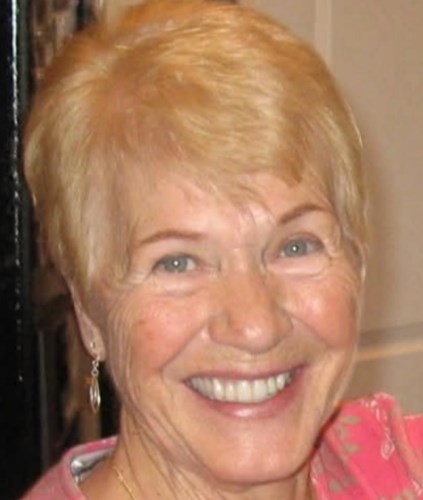
RN Idaho is pleased to honor Registered Nurses and Licensed Practical Nurses who served the profession and are now deceased. The names are also submitted annually for inclusion in the Idaho section of the nursing memorial of the American Nurses Association. Inclusion dates are 1 January 2025 through 31 March 2025.

Beery, Sandra Daniels, 1953-2025, Pocatello.

Sandra earned her Licensed Practical Nurse (LPN) certificate at Idaho State University.

Black, Barbara Judy, 1938-2025, Idaho Falls.

Judy had a fulfilling career as a Licensed Practical Nurse and a Registered Nurse, working with dedication at Parkview Hospital and EIRMC in Idaho Falls. Her firm and concise care left an indelible mark on her patients and colleagues alike.

Chaffin, Joanne Marie, 1936-2025, Blackfoot.

Joanne earned her nursing degree from Idaho State University and worked at Bingham Memorial Hospital before spending 17 years as a nurse for Dr. Walter G. Hoge, touching countless lives in the community with her care and kindness.

Deitz, Virginia Marie, 1933-2025, Saint Anthony.

In 1975, Virginia graduated from nursing school and received her LPN license at the age of 42. She worked as a nurse for 33 years, retiring at age 75. She worked in several hospitals in Utah and Idaho.

Dunphy, Joyce Naomi, 1932-2025, Post Falls.

Joyce went to St. Luke's Nursing School in Spokane, WA and graduated in 1953 to become a Registered Nurse. Her career as a nurse spanned decades having started at St. Luke's Hospital in Spokane, WA. From there, she worked in various hospitals in Texas, Utah, Montana, California, and Idaho. Locally, she worked at East Shoshone Hospital for 19 years and Shoshone Medical Center for 3 years. Joyce retired from nursing in 1994.

Elk, Dustin Ray, 1982-2025, Arco.

Dustin graduated Summa Cum Laude from Texas Tech University Health Science Center in December 2015 with an MSN/FNP. He went on to serve as a Nurse Practitioner in hospitals across Texas before bringing his skills and compassion to Idaho in 2021. At Lost Rivers Medical Center, he worked as an Advanced Practice Registered Nurse, holding dual AANP board certifications in Family (FNP) and Emergency (ENP) medicine, along with BLS, ACLS, PALS, and ATLS certifications.

Field, Diana, 1939-2025, Idaho Falls.

Diana worked as a nurse for thirty years in Idaho Falls.

Geier, Nola Louise, 1931-2025, Nampa.

At age 40, with two little ones in grade school and three teenagers still in the house, Nola went back to school herself to fulfill her lifelong dream of becoming a nurse. She completed the licensed practical nurse program in 1971 that was offered by Mercy Hospital. She spent the next thirteen years working as a nurse at Mercy Hospital, where she was happiest if she could attend the newborns on the obstetrics ("OB") floor.

Groth, Virginia Ellen, 1935-2025, Rigby.

Virginia worked at East Idaho Regional Medical Center and Riverview Hospital for many years as a Registered Nurse until retirement.

Hansen, Kathy Ann, 1959-2025, Buhl.

Kathy worked at St. Luke's as a psychiatric nurse for 17 years.

Johnston, Corrinne Rae, 1926-2025, Garden City.

Corrinne was a registered nurse.

Kohring, Christine Fay, 1955-2025, Bruneau.

Christine received a nursing degree from Nebraska Methodist School of Nursing. Chris had a long nursing career of over 36 years. She worked at S. Lukes in Boise at the start of her career then did travel nurse assignments for three years before returning to St. Lukes. She worked in many areas in the hospital including thew emergency room, intensive care, cardiac care and maternity.

Lee, Irene, 1947-2025, Rupert.

Irene attended nursing school at Cassia Memorial Hospital, obtaining her LPN license. She worked at Cassia Memorial Hospital for a few years before joining a doctor's office, where she remained until her retirement in 2019.

Lockerby, Betty Raye, 1937-2025, Twin Falls.

In her thirties, Betty went back to school at the College of Southern Idaho and became a licensed practical nurse. She continued to work as a nurse well into her seventies and was loved by her patients and coworkers.

Lusk, Elizabeth Pearl, 1933-2025, Pocatello.

Beth attended Idaho State College enrolled in the nursing program where she and 6 other young women became the first graduating class to earn a Bachelor of Science in Nursing in 1956. Beth's chosen field was in public health, and she spent her long nursing career working for health departments and school districts. Even after her retirement in 1998, she maintained her nursing licenses well into her 80s just in case someone needed her service.

Nuxoll, Lorraine, 1933-2025, Grangeville.

Lorraine received her nursing training with the Sisters of St. Gertrude at St. Mary's Hospital in Cottonwood.

Petersen, Sue, 1935-2025, Hailey.

A registered nurse by profession, Sue's compassionate nature and dedication to others were reflected in her decades of patient care.

Rodriguez, Janie Baldazo, 1949-2024, Fruitland.

Janie was among the first Hispanic nurses to be licensed in Idaho. She was proud of being the first nurse hired by Terry Reilly to work in Community Health Clinics. Janie shared stories of working out of Terry's small home in Nampa's Northside as it was used as the first clinic. The kitchen was the lab; urine and other cultures were kept in the refrigerator along with the food; the living room was the waiting room and the bedroom was the exam room. Janie also worked as a nurse and manager for the Idaho Migrant Council at its first clinic in Caldwell, Idaho. In 1981, Janie was the first staff person employed by Payette Health Care which later became known as Valley Family Health Care. Janie enjoyed taking these outreach services to the people where they were needed and she frequently lamented not being able to continue some services due to malpractice concerns "like we could in the good old days". Janie later contributed to the establishment of five other primary care medical clinics for VFHC in the western Treasure Valley of Idaho and Eastern Oregon. At Valley Family, Janie was involved with the hiring and training, managing and directing staff for all of these clinics. Janie retired from Valley Family Health Care in 2013.

Roessler, Susan Lynn, 1953-2025, Shoshone.

Susan attended Boise State University, Idaho State University, and the College of Southern Idaho, where she earned her degree as a Registered Nurse. For over 30 years, Susan dedicated her life to her work as a registered nurse at Eastern Idaho Regional Medical Center (EIRMC), primarily in post-surgery care. She was deeply committed to her job and to her coworkers, forming lasting friendships along the way. Her nurturing spirit and dedication to her family, friends & patients were central to her character.

Smith, Janae, 1970-2025, Idaho Falls.

Janae received her nursing degree from Ricks College and worked as a NICU RN for 20 years, as well as a flight nurse, blessing and saving the lives of countless babies. She eventually took her valued nursing knowledge to get a master's degree in nurse education and became an educator.

Sovereign, Maribee, 1952-2025, Coeur d'Alene.

Maribee pursued her passion for healing, earning a Bachelor of Science in Nursing from Idaho State University, and began her career as a compassionate Registered Nurse at the local hospital.

Swanson, Shannon Alice, 1931-2025, Chubbuck.

Shannon graduated from St. Luke's Hospital School of Nursing, located in Boise, in 1952. She continued to renew her nursing license well into her 80's and served several people as a private nurse.

Walsh, William Joesph, 1947-2025, Nampa.

William pursued a nursing degree and worked as a nurse.

Advertise in This Newsletter

Nursing associations are among the most trusted partners in healthcare. Align your brand with our association to support us, deliver your message alongside editorial level content, build brand awareness, & reach our highly engaged / established audience. 

For sponsorship rates and information within this official state nursing association publication, please contact Nursing Network at advertising@nursingnetwork.com 

We appreciate your support!

Get in touch
Terms and Conditions Cookie Policy Privacy Policy Contact Us