Virginia Nurses Today - Quarterly
Table of Contents
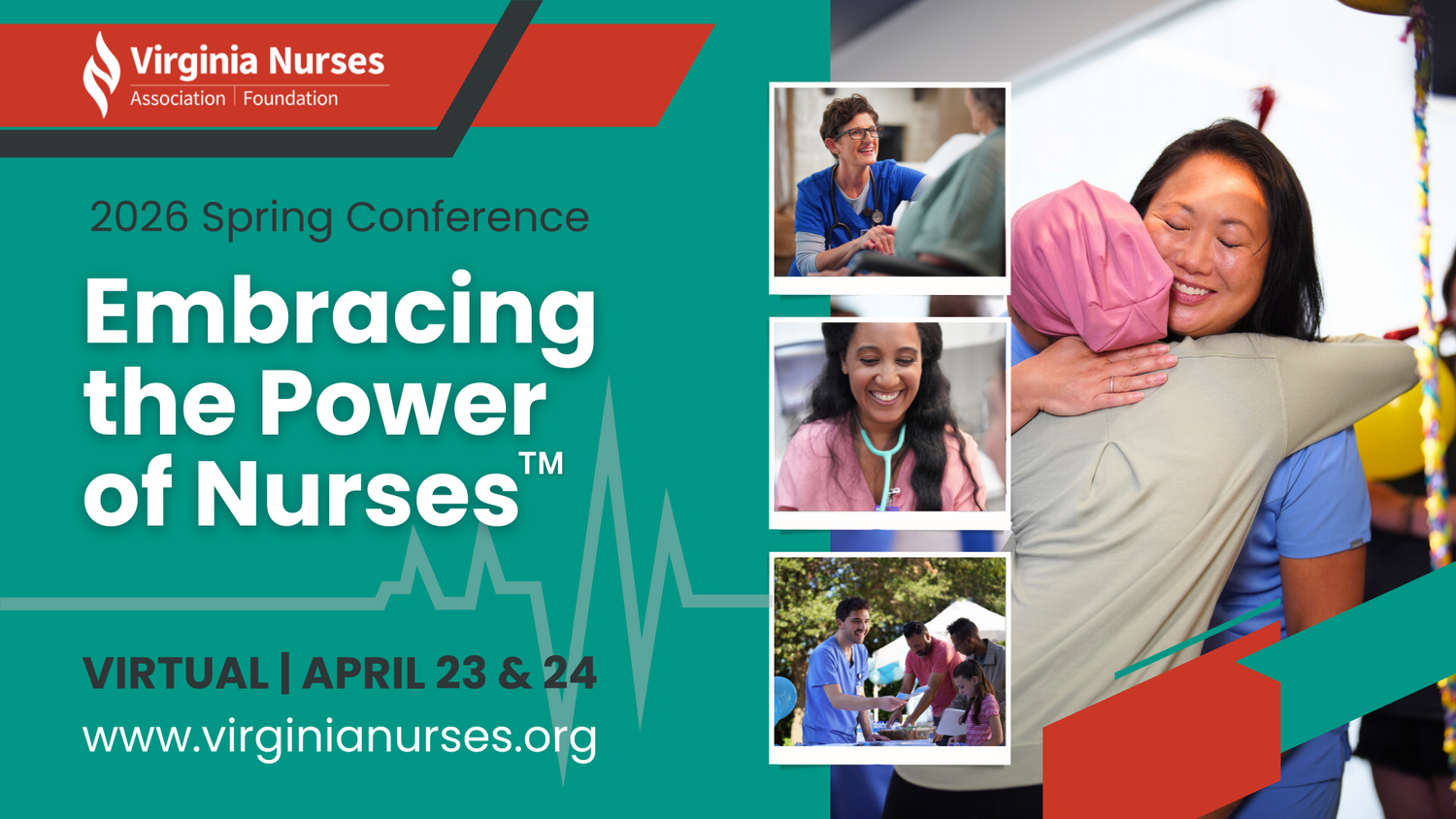
Register Now for VNA & VNF’s 2026 Spring Conference, Embracing the Power of Nurses™!
VNF President's Message Black History Is Living History: A Charlottesville Nurse Who Changed Systems
VNA President's Message From New Nurse to Seasoned Professional, the Virginia Nurses Association Supports Nurses at Every Career Stage
CEO Message Reflecting on Our Impact and Shaping the Future  
VNA Receives ANCC Accreditation with Distinction Profile in Advocacy: An Interview with Dr. Vivienne Pierce McDaniel A Conversation with Nursing Leader June Noel
Nursing Legislative & Advocacy Updates Department of Education Proposal Still Excludes Nursing from “Professional Degree” Definition More than 100 Nurses Joined VNA’s 2026 Lobby Day to Advocate for a Healthier Virginia! 2026 Virginia General Assembly Crossover Update
VNA & VNF Events VNA MEMBERS ONLY: Register Now for VNA’s 2026 March Member Webinar: Advocacy Beyond the Bedside Register Now or Save the Dates for These 2026 VNA & VNF Events! Celebrating the Power of Nurses: National Nurses Week 2026 CE Period Extended for VNF & VNA's Maternal Health Webinar Series  Sponsoring & Exhibiting Made Easy
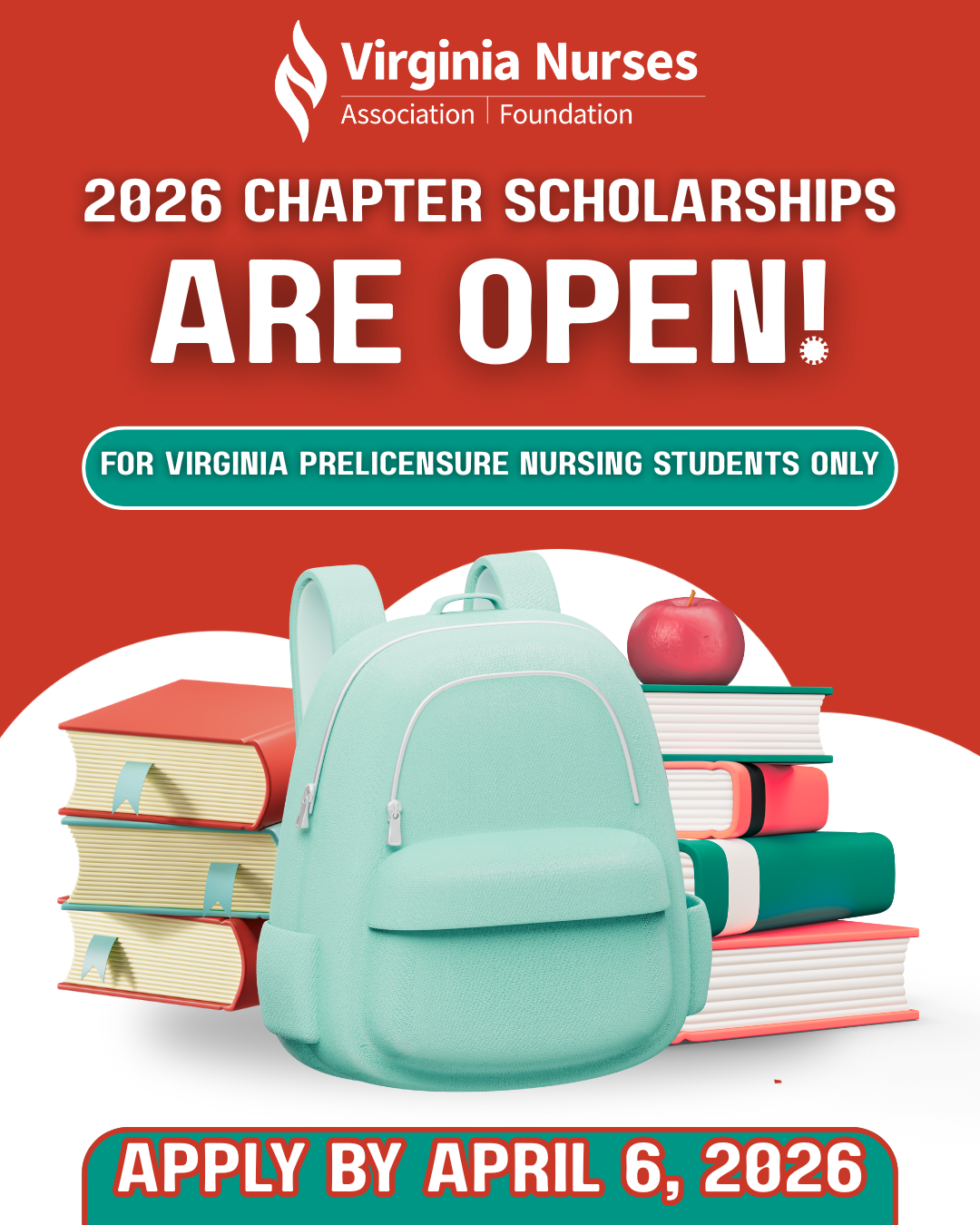
VNF Initiatives - Apply Now! Nominate a Nurse for VNF’s 40 Under 40 Awards by June 1 VNF Seeks Your Nominations for Community Health Advocate Award Applications Open for VNF’s Dr. Vivienne McDaniel Health Equity Scholarship Please Share: Apply for VNA’s 2026 Prelicensure Nursing Student Scholarships by April 6!
Welcome to VNA’s New Regional Chapter Leaders! Nursing's Movers & Shakers
February 2026
Volume 34 - No. 1

The Virginia Nurses Association and the Virginia Nurses Foundation unite and empower nurses as a driving force for change. Through bold advocacy, cutting-edge education, and innovative leadership, we shape the future of nursing, elevate patient care, and strengthen the health of Virginia’s communities.

Distribution: 170,000+ RNs, APRNs, LPNs and Student Nurses

Register Now for VNA & VNF’s 2026 Spring Conference, Embracing the Power of Nurses™!
Virtual | Live, April 22-23 | On-Demand thru July 31, 2026

Join the Virginia Nurses Association and Foundation virtually on April 22 and 23 for our 2026 Spring Conference, Embracing the Power of Nurses™, an inspiring two-day event designed to celebrate, empower, and elevate the nursing profession. This conference will bring together nursing leaders, frontline clinicians, educators, and nursing students from across Virginia to explore how nurses are shaping the future of healthcare and redefining the public image of nursing. Participants will gain practical strategies to strengthen leadership capacity, amplify their professional voice, and translate inspiration into meaningful action. Register here!

2026 Spring Conference Speakers & Sessions At-A-Glance

Day 1 Keynote Address: Empowering the Profession: Necessary Attributes for Effective Impact
Tim Porter-O'Grady, DM, EdD, ScD(h), APRN, FAAN, FACCWS, GCNS-BC, CWCN, CFCN
Empowerment is not a gift bestowed—it is a professional obligation claimed. This dynamic session explores the essential attributes that move nursing from aspiration to action, examining how ownership, accountability, and structural engagement converge to create meaningful and sustainable professional impact. Participants will confront the critical interplay between personal agency and systemic design, discovering that true empowerment demands not only individual commitment but the structural foundations that make it real. Prepare to challenge assumptions, reclaim professional identity, and leave with a renewed framework for translating empowerment from rhetoric into practice.

Day 2 Keynote Address: The Power of Nurses During Challenging Times
Ernest Grant, PhD, RN, FAAN
This session will explore how nurses can lead with resilience, mentor the next generation of leaders, and actively engage in advocacy when the profession is needed most. Through a personal leadership lens, this session will provide practical, actionable strategies that empower nurses to step up, share their voice, influence decisions, and create lasting change in their organizations and communities.

Day 1 Session: Blink by Blink*
Jake Haendel, Podcaster & Professional Speaker
Once believed to be in a vegetative state and unable to move or speak due to locked-in syndrome, Jake Haendel spent more than three years hospitalized—fully conscious, yet unable to communicate. In this powerful and deeply moving session, Jake shares his lived experience of trauma, resilience, and survival, offering a rare and profound patient-side perspective. His story highlights the extraordinary capacity of the human spirit to endure and adapt, while providing nurses with meaningful insights into patient experience, presence, and advocacy.

*This spring conference session will ONLY be available for the live portion of the program and will not be included in the on-demand content, so plan to join live! 

Day 2 Session: The Future of Nursing, Thriving in an AI-Enabled Healthcare World
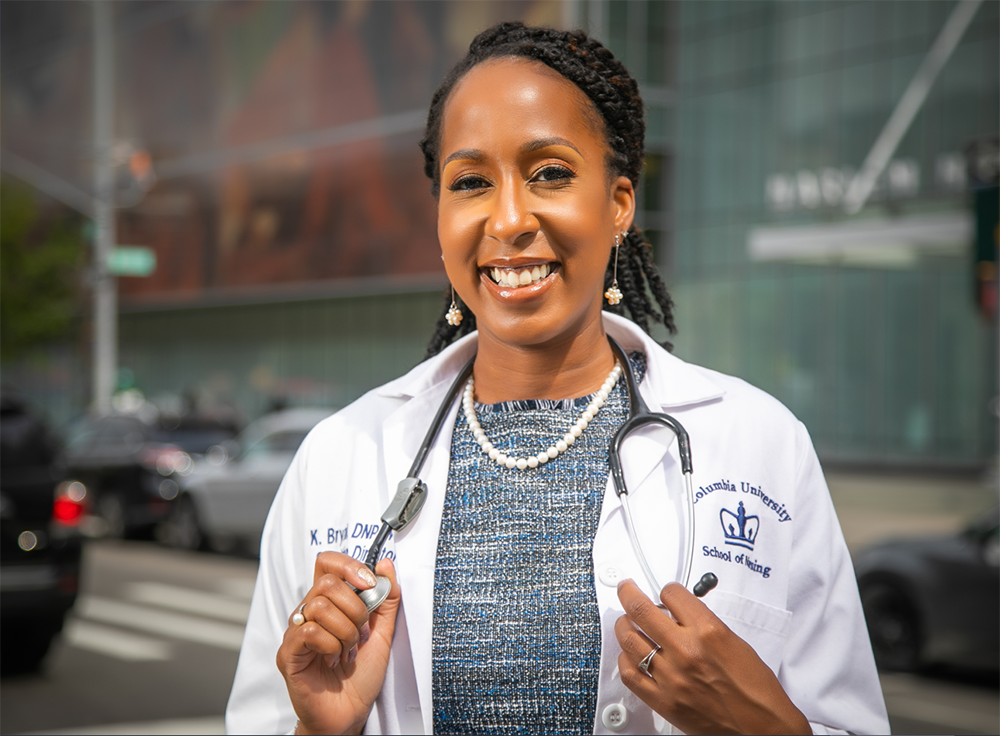
Amy McCarthy K. McCarthy, DNP, RNC-MNN, NE-BC, CENP
This session explores the evolving role of nursing in the age of artificial intelligence, highlighting how clinicians can leverage emerging technologies to enhance patient care. Amy will discuss practical strategies for nurses to remain resilient and empowered as they lead the charge in an increasingly digital healthcare landscape.

Day 2 Session: Bridging the Gap - How Leading Multigenerational Teams Shapes Culture in Healthcare
Priscilla Meyers, APRN, MSN, NNP-BC, ANLC-N, ACC
Today’s healthcare workforce spans four generations—each with its own values, expectations, and communication styles. When leaders fail to recognize and adapt to these generational dynamics, trust erodes, silos form, and workplace culture suffers. This session gives leaders the tools to bridge generational gaps, reduce friction, and build an inclusive, psychologically safe culture where all team members feel valued and engaged.

Rapid Fire Best Practice Series
Explore rapid-fire and virtual poster presentations that highlight nurses' commitment to advancing the profession across various healthcare settings.

VNF President's Message
Black History Is Living History: A Charlottesville Nurse Who Changed Systems
Dr. Mesha Jones, DNP, RN, NEA-BC, VNF President

Black History Month invites reflection but in Virginia, it also demands precision. The contributions of Black nurses in our Commonwealth are not abstract. They are documented, structural, and enduring.

A Charlottesville Trailblazer: Imogene Bunn, RN
Imogene Bunn (1911–2002) was not only a public health nurse, she was a systems disruptor and civil rights leader whose work permanently altered healthcare access in Charlottesville and across Virginia.

Bunn came to Charlottesville in the mid-1940s with a diploma from St. Philip Hospital School in Richmond and formal preparation in public health nursing from the Medical College of Virginia. In 1946, she became the first Black nurse hired in the area when she joined the Instructive Visiting Nurse Association (IVNA). In that role, she visited patients in their homes both Black and white during segregation. That assignment alone challenged entrenched racial boundaries in healthcare delivery.

As IVNA merged with the Charlottesville/Albemarle Health Department, Bunn advanced to nurse supervisor and later earned a Bachelor of Science in public health nursing from the University of Michigan. By 1970, she was promoted to Nursing Director of the Thomas Jefferson Health District, becoming the first Black public health nursing administrator in the state.

Bunn single-handedly desegregated three healthcare institutions in the region, including University of Virginia Hospital, the Woodrow Wilson Rehabilitation Center, and Blue Ridge Hospital. She fought for greater acceptance of Black nurses within the University and within the broader community. She and her husband, Benjamin Bunn, were politically active in a community that sought to exclude Black voices from civic participation. Their work later earned them posthumous recognition as “Bridge Builders.”

Bunn herself reflected, “When I look back, I was very proud that I was involved in desegregating institutions like the University hospital, the Woodrow Wilson Rehabilitation Center, Blue Ridge Hospital, and places like that.”

Her work demonstrates that public health nursing has always been policy work. It has always been equity work.

Carrying Forward Structural Change
The legacy of Imogene Bunn reframes from how we think about leadership. She did not hold power for recognition; she used it to dismantle barriers and expand access.

My recent selection as a Fellow in the Academy of Diversity Leaders in Nursing is meaningful within that context. Fellowship is not a personal accolade; it is an extension of responsibility. It affirms the necessity of ensuring diverse nurse leaders influence governance, workforce policy, and health equity strategy at the highest levels.

Bunn desegregated institutions one at a time. Today, we confront disparities in healthcare outcomes, nursing education, workforce wellbeing, and access to care. The strategy remains consistent: organized leadership, policy engagement, and sustained advocacy.

Mentorship: The Throughline of Legacy
No leader advances without investment. I remain deeply grateful to Dr. Malinda Whitlow, who first poured into me when I was a certified nursing assistant. She recognized capacity early and cultivated it with discipline and intention. Her mentorship continues to stretch and refine my leadership. I am equally grateful to Dr. Sherri Johnson, Past President of the Virginia Nurses Association, who has consistently invested in my growth within professional nursing governance. She has modeled strategic advocacy, preparation, and principled leadership. Their mentorship represents the living bridge between past and future between pioneers like Imogene Bunn and the leaders emerging today.

Black History Is Structural Work
Black history in nursing is not confined to celebration. It is a study in institutional change. It is the public health nurse who desegregates hospitals. It is the mentor who builds leadership capacity. It is the fellow who ensures nursing voices shape policy. In Virginia, and across our profession, the work continues.

VNA President's Message
From New Nurse to Seasoned Professional, the Virginia Nurses Association Supports Nurses at Every Career Stage
Dr. Kathy Baker, PhD, RN, NE-BC, FAAN, VNA President

In the dynamic landscape of healthcare, nurses play an indispensable role in ensuring quality patient care and driving positive change. VNA is dedicated to championing the interests of more than 151,000 registered and advanced practice nurses across the commonwealth. With a mission centered on promoting advocacy, advancing professional practice, and influencing the delivery of quality care, VNA serves as a steadfast ally for nurses at every stage of their careers.

From new nurses navigating their first steps into practice to seasoned professionals - both shaping healthcare’s future, VNA offers a comprehensive array of resources and support tailored to meet members’ diverse needs. Through networking opportunities with our local chapters and our online community, continuing education opportunities, and leadership development initiatives like the Nurse Leadership Academy and Next Level Leadership, VNA empowers nurses to excel in their roles, seize new opportunities for growth, and create meaningful connections.

Membership in VNA symbolizes nurses’ commitment to advancing the nursing profession through advocacy and lifelong learning. By joining the VNA/ANA community, nurses showcase their dedication to professional excellence and readiness to make a meaningful impact.

For current VNA/ANA members, we extend our gratitude for your ongoing support. Your feedback and engagement are vital as we strive to enhance your membership experience and ensure that the VNA remains an invaluable resource for your professional development.

Benefits of VNA Membership

Join a Community of Nurses
Membership in VNA makes a powerful statement about you. It shows employers, colleagues, and your patients your commitment to nursing and your desire to stay informed, educated, and involved. You'll also immediately be connected to a strong community of Virginia nurses spanning all practice areas and settings.

Access to Education
Keeping up your education can lead to better patient outcomes, systems improvement, and personal career advancement! Members get access to free and significantly discounted education, both at our highly acclaimed conferences and online at your own pace.

Amplify the Voice of Nursing
We are the only organization that advocates for all 151,000+ registered and advanced practice nurses throughout Virginia with one strong voice for the profession. Our members receive weekly legislative updates and real-time action alerts, and we rely on your concerns to help us craft nursing's public policy platform.

Access Savings and Benefits
When you join VNA, you also become a member of the American Nurses Association, and you receive the benefits of both organizations and join with nurses across the country to speak on behalf of your profession.

If you're not yet a member, there's no better time than the present to join. With membership under $16 per month, becoming a part of VNA is not only an investment in your own future but also in the future of nursing as a whole. Join VNA/ANA today!

Together, let's elevate the nursing profession and shape the future of healthcare in Virginia. Join today and embark on a journey of professional growth, advocacy, and community. We're here to support you every step of the way!

CEO Message
Reflecting on Our Impact and Shaping the Future  
Lindsey Cardwell, MSN, RN, NPD-BC, VNA & VNF CEO

Throughout the past four years, the Virginia Nurses Association (VNA) and Virginia Nurses Foundation (VNF) have advanced a bold, member-driven agenda to strengthen the nursing profession and improve health outcomes across the commonwealth. Guided by the 2022-2026 strategic imperatives, Equity in Nursing and Our Communities, Staffing, Healthy Workplaces Free of Occupational Stress, and our mission-driven programs, we delivered meaningful progress shaped directly by the voices and experiences of Virginia nurses. 

As we enter 2026, we are celebrating these accomplishments while launching a comprehensive strategic planning process that will define our shared direction for 2026-2029. This next plan will be built through listening, collaboration, and deep engagement with members across all practice settings. 

Advancing Equity in Nursing and Our Communities 
Equity remained a central pillar of our work. VNA and VNF strengthened their commitment to diversity, equity, and inclusion by embedding Equity Champions across commissions and conference planning teams and reviewing our digital presence to ensure alignment with our mission, values, and inclusive language. 

Leadership pathways became more representative through intentionality. Fourteen educational programs advanced health equity and inclusivity, and the Dr. Vivienne McDaniel Health Equity Scholarship supported pursuing advanced degrees to promote health equity statewide. 

Strengthening the Nursing Workforce and Supporting Safe Staffing 
Workforce stability and safe staffing continued to be urgent priorities. VNA advanced statewide solutions through the staffing committees collaborative with the Virginia Hospital & Healthcare Association (VHHA), promoting nurse-driven staffing models through a collaborative toolkit and supporting VNA and VNF's Stand with Us to Improve Nurse Staffing campaign and toolkit. 

We also championed the establishment of a Virginia Nursing Workforce Center to address long-term workforce needs. Twenty-five educational programs addressed innovative ways nursing can address workforce development. Scholarships totaling more than $53,000 from 2023 to 2025 supported prelicensure nursing students across Virginia. Leadership development programs, including the Nurse Leadership Academy and Next Level Leadership, prepared nurses to lead workforce solutions at every level. 

Promoting Healthy Workplaces Free of Occupational Stress 
VNA and VNF continued to champion environments where nurses can thrive. Advocacy for workplace violence reporting requirements strengthened protections for nurses, and VNA successfully advocated for SafeHaven protections to be extended to nurses and nursing students seeking support for mental health and fatigue. 

Forty-six educational programs promoted resilience, well-being, and safe practice environments. Through All In for Virginia Caregivers and our Innovation Awards, VNF elevated caregiver well-being and supported innovative projects that improve mental health in nursing workplaces. VNA and VNF partnered with VHHA to launch a nurse well-being collaborative that will produce a statewide toolkit to support organizational well-being efforts. 

Delivering Mission-Driven Programs that Strengthen the Profession 
Throughout the 2022–2026 strategic plan, VNA and VNF delivered high-impact programs aligned with our mission to promote advocacy and education for registered nurses. 

Advocacy education remained a cornerstone, with Legislative Summit, Lobby Day, and Legislative Advocacy Hours equipping nurses to influence policy. Professional development flourished through VNA’s ANCC Accredited Provider Unit and Approver Unit, now Accredited with Distinction. Scholarships supported nurses at all stages of their careers. 

Chapters expanded their impact through student engagement, advocacy support, and member programs. Member webinars further strengthened professional development and connection. 

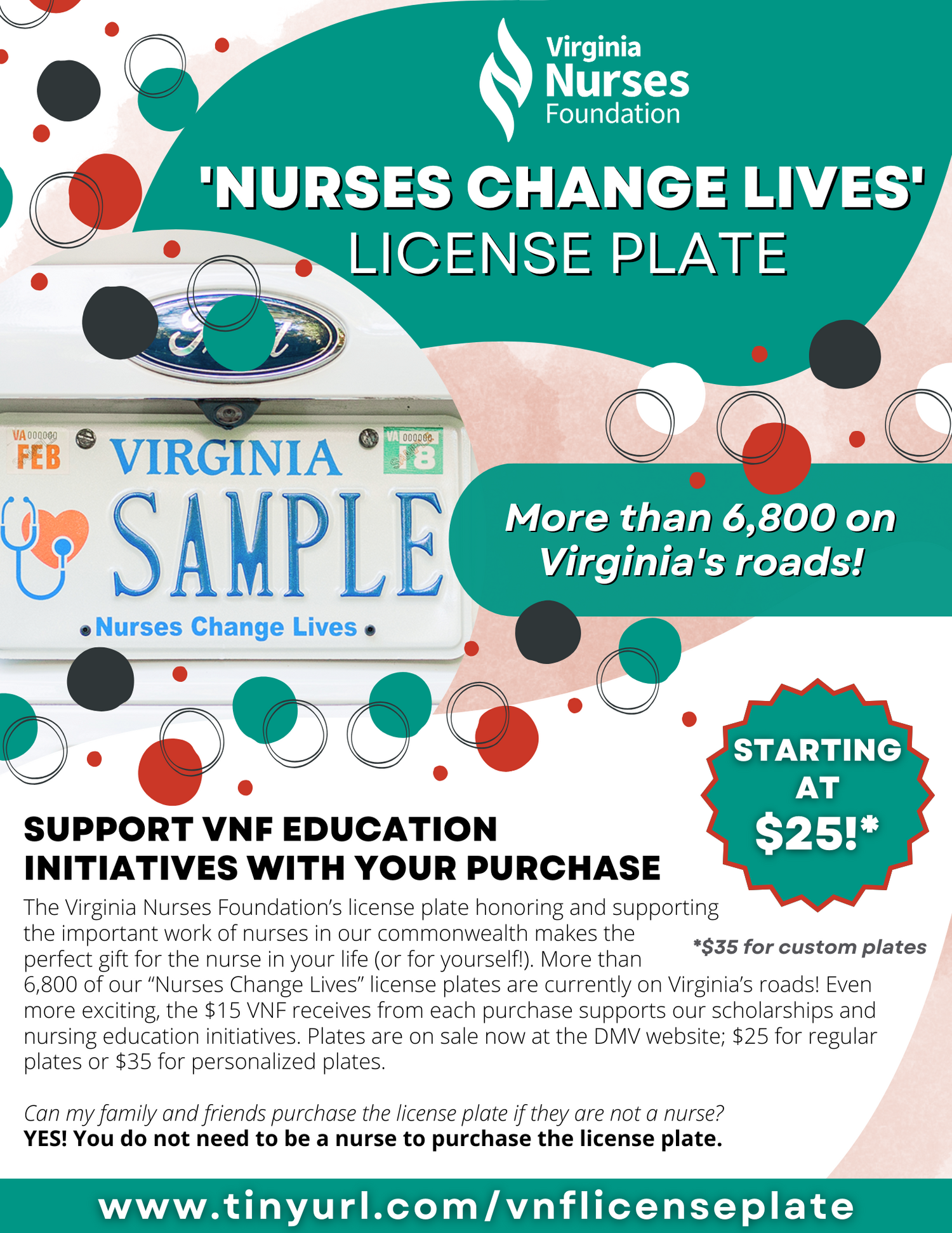
The annual VNF Gala and 'Nurses Change Lives' license plates raised critical funds for scholarships, awards, and well-being programs. The Leadership Excellence Awards honored nurses who foster healthy, supportive work environments.  

Collaborative impact also grew through partnerships. VHHA leads the Annual Virginia Patient Safety Summit in partnership with VNA, VNF, the Medical Society of Virginia, and the Virginia Pharmacists Association, partnering to support its planning and delivery. VNA also spearheaded the Virginia Legislative Nursing Alliance, bringing together nursing associations across the state to develop an annual public policy platform for Nursing. 

Shaping the Future: The 2026–2029 Strategic Planning Process 
As the 2022-2026 strategic plan concludes, VNA and VNF have launched a six-month strategic planning process grounded in our mission, vision, and values, and shaped by the voices of nurses across Virginia. 

January-March: Listening and Environmental Scanning 
This process began with the VNA Membership Assembly report on programs and finances, listening sessions with chapter leaders and nursing leaders, and a review of the mission, bylaws, and current strategic plan. In February, the VNA and VNF Boards began a SWOT analysis. In March, we will rollout a VNA member insights survey and member listening sessions, along with continued outreach to schools of nursing, healthcare organizations, the Virginia Board of Nursing, and other practice environments. 

April-May: Analysis and Priority Setting 
In April, the Boards will review insights gathered through surveys and listening sessions and continue the SWOT analysis. In May, the Boards will convene for a combined strategic planning session to reaffirm the mission, vision, and values and define the strategic priorities and outcomes for 2026-2029. 

June: Finalizing the Plan 
The final plan will be completed in June, positioning VNA and VNF to continue advancing the profession and supporting nurses across the commonwealth. 

Looking Ahead 
The accomplishments of the past four years, and the strategic planning underway, reflect a simple truth: VNA’s direction is shaped by you. Your insights, your advocacy, and your commitment to excellence drive our work and strengthen our impact. 

As we prepare for the next chapter, VNA and VNF remain dedicated to promoting advocacy and education for registered nurses, advancing professional practice, developing the workforce, creating future nurse leaders, and improving the health of all Virginians. Together, we are building a stronger, more equitable, and more resilient future for nursing. 

VNA Receives ANCC Accreditation with Distinction
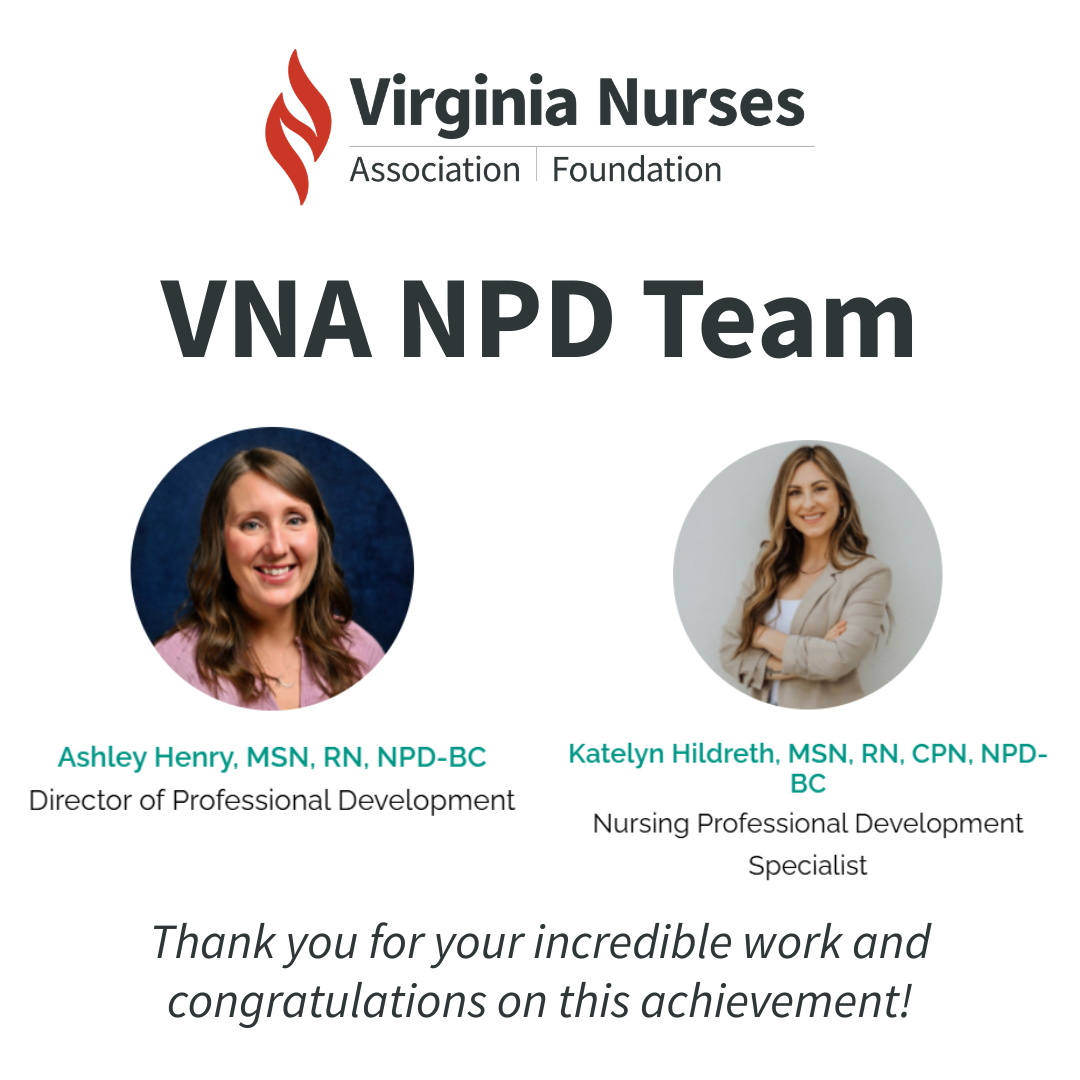
Brava to VNA's Nursing Professional Development Team!

The Virginia Nurses Association (VNA) has achieved Accreditation with Distinction from the American Nurses Credentialing Center (ANCC) as an approver of nursing continuing professional development. This recognition reflects VNA’s commitment to excellence in nursing professional development by supporting education that is evidence-based, outcomes-driven, and designed to close meaningful professional practice gaps. Ultimately, this distinction underscores our impact in advancing lifelong learning for nurses in Virginia and nationwide, while promoting safe, high-quality patient care.

"Achieving ANCC Accreditation with Distinction as an Approver of Nursing Continuing Professional Development reflects the exceptional rigor and integrity of VNA’s approval process. This recognition strengthens our mission to advance the profession by expanding access to high‑quality, evidence‑based education that supports nurses in every setting and every stage of their careers. I am deeply proud of our Professional Development team, whose expertise and unwavering commitment to excellence make this work possible. Together, we are ensuring that Virginia’s nurses have the trusted, high‑impact learning opportunities they deserve,” said VNA & VNF CEO, Lindsey Cardwell, MSN, RN, NPD-BC.

To be considered for Accreditation with Distinction, an organization must exemplify processes that exceed the accreditation criteria set forth by ANCC. VNA demonstrated exemplary performance across all key criteria of the Accredited Approver Program. In Structural Capacity, VNA provided outstanding evidence of comprehensive support and guidance for both Approved Providers and Individual Activity Applicants. Within the Educational Design Process, VNA showcased a targeted, sequential orientation process for the Accredited Approver Program Director (AA-PD), along with strong strategies to prepare and support Nurse Peer Reviewers (NPRs). The AA-PD also demonstrated sustained expertise in the Standards for Integrity and Independence and effectively educated NPRs in analyzing relevant financial relationships. In the area of Quality Outcomes, VNA exhibited a highly robust evaluation process for the Accredited Approver Program, successfully met established SMART goals for program operations, and advanced professional development goals for Nurse Planner and Primary Nurse Planner applicants, reflecting a comprehensive commitment to excellence and continuous improvement.

“Achieving Accreditation with Distinction reflects the Accredited Approver’s unwavering commitment to excellence in nursing professional development. This distinction highlights the delivery of high-quality, comprehensive services and a supportive, collaborative approval process that promotes lifelong learning for nurses in Virginia and across the nation to strengthen professional practice and advancing patient care,” said VNA & VNF Director of Professional Development, Ashley Henry, MSN, RN, NPD-BC.

Customer service is a top priority for VNA, and we remain committed to providing clear guidance and ongoing support to all applicants. Recent feedback reflects this dedication.

Individual Activity Applicants have shared that they “appreciate the highest of standards you continue to maintain” and noted that “the VNA staff were very helpful and responded immediately to our questions.” One first-time applicant commented, “As this was our first time submitting to VNA, I was a little nervous about the unknown, but it all worked well. Katelyn Hildreth was very helpful. The process was smooth, and I hope to apply to VNA for future events.”

Participants who attended workshops designed to educate Nurse Planners and Primary Nurse Planners for Approved Providers have also provided positive feedback. Attendees reported that they “feel more confident in filling out the paperwork for courses correctly and what is needed,” and expressed appreciation for our “willingness to be open with questions or conversations related to current content.”

Together, these comments highlight VNA’s commitment to maintaining high standards while fostering a supportive, responsive, and positive experience for all.

Achieving Accreditation with Distinction affirms the strength of VNA’s processes, the dedication of our team, and our commitment to advancing nursing professional development. As we look ahead, VNA will continue to uphold the highest standards of integrity, quality, and service while supporting Approved Providers and Individual Activity Applicants in delivering meaningful education for the advancement of lifelong learning and promotion of safe, high-quality patient care for the communities that all nurses serve. Explore our website today!

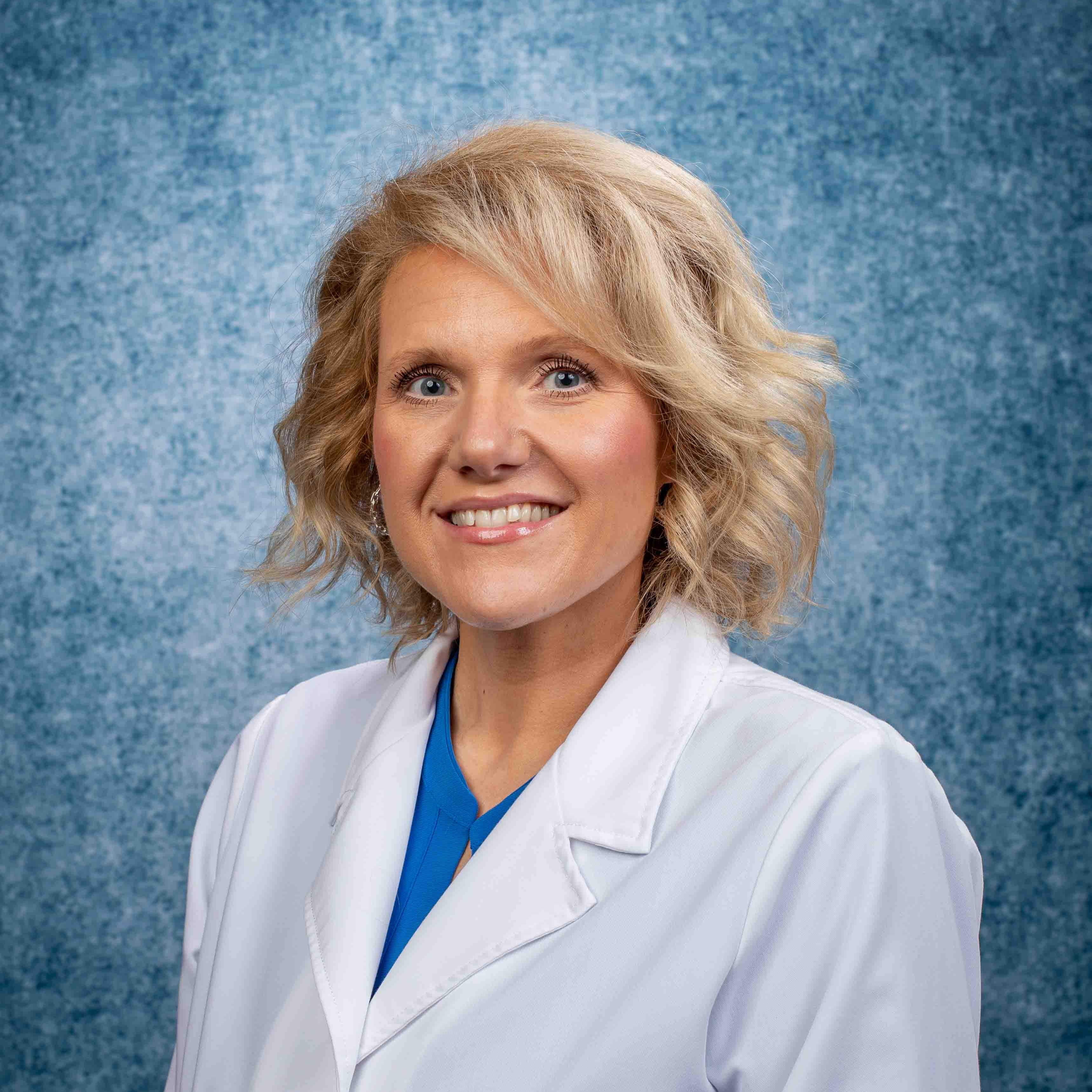
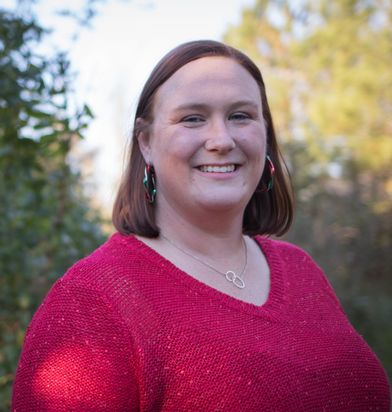
Brava to VNA's Nursing Professional Development team, Director of Professional Development Ashley Henry, MSN, RN, NPD-BC (left), and Nursing Professional Development Specialist Katelyn Hildreth, MSN, RN, CPN, NPD-BC (right)!

Thank you for your hard work and dedication to providing quality programming and education to Virginia's nurses!

For more information on the ANCC NCPD Accreditation™ Program, visit www.nursingworld.org/ncpd.

Profile in Advocacy: An Interview with Dr. Vivienne Pierce McDaniel

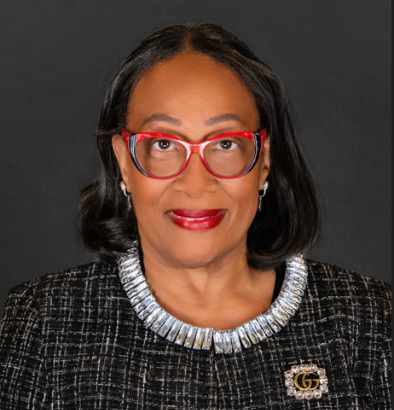
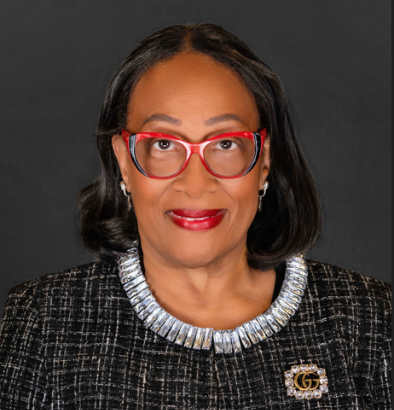
Dr. Vivienne Pierce McDaniel, DNP, MSN, RN, FADLN (left) is a servant and transformational nurse leader with more than two decades of leadership experience advancing health equity, and inclusivity in nursing. She has served in several roles in healthcare since 1975. Currently, she is an executive nurse consultant, adjunct nursing professor, and the ambassador and consultant for inclusive excellence at James Madison University School of Nursing. She served as interim executive director of the National Black Nurses Association, Inc. (NBNA) from September 2023 to March 2024.

VNA recently sat down with Dr. Pierce McDaniel to learn more about her journey as a nurse advocate. Read on to hear her story!

Can you share what nursing advocacy means to you, both personally and professionally?

To me, nursing advocacy is the soul of our profession. It means using my voice, influence, and expertise to ensure equitable access to health care, especially for those who have historically been marginalized. Advocacy is rooted in empathy and justice; it’s about meeting people where they are and working to remove systemic barriers to health and wellbeing. Every time I show up in Congress, at the Virginia General Assembly, or in community spaces whether individually, or with nursing students, I do so as a nurse leader, committed to educating the public about health issues and concerns that impact those who are most vulnerable and underserved. This allows me to transform conditions that impact health outcomes at their source.

Professionally, advocacy guides my leadership decisions, my policy positions, and my insistence that nurses must not only be care providers but change agents within health systems and society. I actually do not separate my advocacy work or categorize it as personally or professionally. It is inherently a part of me. I don’t stop being a nurse when I leave the hospital, classroom, boardroom, or legislative office. The values that guide my practice--justice, dignity, equity, and compassion--are the same values that guide how I live within my community. Advocacy is not a role I turn on and off; it is a responsibility I carry wherever people’s health and wellbeing are impacted. As a nurse I touch on every aspect of a patient’s life. The issues affecting the people I serve, housing, transportation, food access, safety, education, and discrimination, don’t exist inside healthcare institutions only. If I limited advocacy to my professional environment, I would only be addressing symptoms, not the cause of the symptom. My personal advocacy allows me to work upstream on the social and structural determinants of health that shape outcomes long before a clinical encounter occurs.

What specific experiences in your career have shaped your approach to advocacy within the nursing field?

My approach to advocacy was shaped early in my career as I witnessed firsthand how inequity and structural bias influence patient outcomes and nurse experiences. Over time, those experiences compelled me to take leadership roles, from chairing the Diversity, Equity, and Inclusion Council with the Virginia Nurses Association & Foundation to serving on multiple boards where I could influence policy and practice. 

Serving as Interim Executive Director of the National Black Nurses Association (NBNA) and as president of its Central Virginia chapter reinforced for me that advocacy must be strategic, persistent, and grounded in community-focused policy solutions. 

How has your identity as a nurse leader shaped your views and practices regarding nursing advocacy?

As a nurse leader, especially one whose work centers on health equity, justice, diversity, inclusion, and belonging, I’ve learned that leadership is not about my title, but about responsibility. Whether it’s advocating for equitable care in hospitals or legislative halls or mentoring future nurse leaders, I carry with me a deeply held belief that nurses have a moral obligation to amplify the needs of patients and communities that have been marginalized by policy and practice. My leadership identity insists that nurses be seen not only as caregivers but as key architects of healthcare reform. So, we say that we are the most trusted healthcare professionals, then we are the people to talk to those who can make changes that will benefit all mankind. 

What challenges have you faced as a nursing leader advocating for patients or colleagues, and how did you overcome them?

One persistent challenge has been confronting institutional resistance to change, especially around issues like systemic racism, workforce equity, and inclusion. Early on, speaking truth to power wasn’t always welcomed. But I learned that coalition-building, relationship-rooted advocacy, and data-informed messaging are powerful tools in advancing difficult conversations and policy change.

I also continuously engage in mentorship and education, preparing others to carry forward this work, because meaningful change requires a growing cadre of informed, courageous nurses.

In what ways do you believe nursing advocacy can impact health outcomes for marginalized communities?

Nursing advocacy can profoundly improve health outcomes by shifting policy and resource allocation toward the needs of underserved populations. Nurses bridge the gap between clinical realities and policy structures, and when we bring our expertise to legislative tables, we influence laws and regulations that determine access to care, workforce protections, and equitable funding for community health.

I’ve seen this in action through my local and state advocacy, from supporting health equity policies in the Virginia General Assembly to promoting national efforts that prioritize equitable care delivery. 

How do you mentor or inspire other nurses, especially those from underrepresented backgrounds, to become advocates themselves?

Mentorship is among the most rewarding aspects of my work. I work directly with nursing students and practicing nurses, helping them build confidence, policy literacy, and advocacy strategy. As a professor, consultant, and mentor for future leaders, including when I mentored nurse leaders through the American Association of Colleges of Nursing Access, Connection, and Engagement Leadership Institute and the National Black Nurses Association Health Policy Institute, I guide them on how to speak on policy and advance health equity, and model what it means to bring their voice and vision to the table. 

I also champion scholarships like the Dr. Vivienne McDaniel Health Equity Scholarship to support emerging nurses committed to DEI and policy work. 

What role do you feel nurses should play in shaping healthcare policy and reform?

Nurses must be at the forefront of healthcare policy and reform because we understand the lived realities of patients and systems in ways few other professions do. We should be advisers to legislators, leaders in health institutions, contributors to research that informs policy, and advocates in every space where decisions affecting health are made. If we are absent from these tables, we leave crucial insights, and vulnerable populations, unrepresented.

Could you discuss any specific advocacy initiatives you have led or participated in, and their outcomes?

I’ve led and contributed to numerous initiatives, from DEI strategic planning with professional nursing organizations to advocacy during legislative sessions that shaped workforce and equity policy. Through the NBNA and state nursing association roles, I’ve pushed for policies that elevate the voice of nurses in decision-making climates and advance health equity for the communities we serve. I led advocacy for environmental justice at the state and national level speaking out against the impact of climate change on underserved communities, most specifically heat-related illness in the most vulnerable, the elderly and children. One advocacy initiative I participated in while representing the VNA, identified severe staffing challenges driven by low wages in nursing homes, leading to high burnout and focused on improving retention by funding the Nursing Scholarship and Loan Repayment Fund and establishing financial relief programs for employee childcare, dependent care, and transportation costs. It was a celebratory moment to see our efforts come to fruition.

How do you address barriers to advocacy within healthcare organizations, and what strategies have proven effective?

Addressing barriers starts with communication and education. Many clinicians want to advocate but lack clarity on how to engage. I work to demystify policy spaces, offer tools for negotiation and coalition building, and create supportive networks where nurses can share experiences, develop advocacy strategies, and position their expertise as assets in institutional decision-making.

What advice would you offer to emerging nursing leaders who want to strengthen their advocacy skills and impact?

My advice to emerging nursing leaders is this:

  • Be relentless in curiosity and courage. Learn the policy landscape and the levers of change.
  • Build coalitions. Advocacy is seldom done alone.
  • Center equity. Decisions are more powerful when grounded in justice.
  • Be a mentor and be mentored. We rise by lifting others and by being open to guidance.
  • Join nursing organizations. Look for organizations that are involved in advocacy.

More On Dr. Pierce McDaniel
Dr. Pierce McDaniel is the immediate past president of the Central Virginia Chapter NBNA and currently serves as the chair of the NBNA National Health Policy Committee. She was the inaugural chair of the Virginia Nurses Association and Virginia Nurses Foundation (VNF) Diversity Equity and Inclusion Council and served on the VNF’s Board of Trustees for five years as the health equity ambassador. She currently serves on several Boards including the Henrico, Parham, and Retreat Doctors’ Hospitals’ Board of Trustees, the Virginia State University RN-BSN Advisory Board, the Brightpoint Community College Nursing Advisory Board and chairs the Virginia Clinicians for Climate Action (VCCA) Council for Climate Justice, and the Governance Committee of the Sigma Theta Tau Chi Alpha at-Large Chapter Board of Directors. 

In 2021, Dr. Pierce McDaniel became a Fellow of the inaugural American Association of Colleges of Nursing Access, Connection and Engagement Leadership Institute. In 2024, she was inducted as a Fellow into the inaugural Academy of Diversity Leaders in Nursing and she was selected as a 2026 inductee into the National Academy of Practice as a Distinguished Public Policy Fellow in Nursing. 
Recognized for her outstanding leadership and contributions to nursing in her state, Dr. Pierce McDaniel is the recipient of the VNF 2020 Year of the Nurse Award. She is a three-time National award-winning nurse, having received the prestigious 2022 American Nurses Association’s Leadership in Ethics Award, the 2024 NBNA Presidential Founders Spirit Award, and in 2026, selected to receive the American Nurses Association Mary Mahoney Award which recognizes pioneers in nursing. 

A Conversation with Nursing Leader June Noel
Immediate Past VNA Chapter Central Virginia President & Current Central Virginia Chapter Board of Directors Member

We recently sat down with VNA’s two-term Central Virginia Chapter President and current Central Virginia Chapter Board of Directors member, June Noel, MSN Ed, RN, to learn more about her nursing career and how the landscape of nursing has changed throughout the years. Read on to learn more about June’s story and her message to Virginia’s nurses!

What was the context of your early life that brought you to nursing?

Growing up in Trinidad, I began life in simple, modest, and often complex circumstances. We had no running water and no electricity—kerosene lamps lit our evenings, and every small improvement, like finally getting running water, felt like a luxury. Those early experiences shaped my resilience, gratitude, and understanding of what it means to persevere.

My first inspiration for nursing came from my aunt, who migrated to Canada and became a nurse. The pride my family felt for her planted a seed in me, but the defining moment came years later when my grandmother fell into a diabetic coma. Visiting her in the hospital, I found her poorly cared for—dry mouth, caked saliva, boggy heels, and the beginnings of a pressure ulcer. She was not being turned or repositioned. That moment broke my heart and ignited a promise within me: I would become the kind of nurse who ensures no patient is ever neglected.

Determined to create a better life for my two young children, I migrated to the United States with just $10 in my pocket and a dream. I worked tirelessly—cleaning houses, serving as an au pair, and caring for older adults—to pay for my education. In 1993, I earned my Associate Degree in Nursing, marking the beginning of a lifelong journey fueled by determination, sacrifice, and a deep commitment to compassionate care.

As my career progressed, I realized I had more to give and wanted to function at the highest level of my scope of practice. After earning my MSN in Education and actively pursuing my nurse practitioner licensure, I sought guidance from the nursing professional development specialist for the mental health service line. During our conversation, she encouraged me to reflect deeply on my long-term goals and what path would bring me the greatest fulfillment. Her wisdom, drawn from over 33 years as an RN and 16 years of service at the Veteran’s Administration, helped me clarify my vision.

That evening, after careful consideration, I made the decision to transition from the NP track to a doctoral pathway focused on leadership—a choice that aligned with my passion for influencing systems, mentoring others, and driving organizational excellence. On January 12, 2026, I was conferred with a Doctor of Executive Leadership, and I will proudly walk in May 2026 to receive this degree. This milestone represents not only my commitment to advancing nursing leadership but also the culmination of a journey that began in humble circumstances and continues with a mission to create meaningful impact within the healthcare community.


What do you feel was the pinnacle of your career or your proudest achievement?

The pinnacle of my career was earning my Doctorate in Executive Leadership. That achievement represents decades of perseverance, sacrifice, and unwavering dedication to excellence. It symbolizes the journey from a childhood without electricity to becoming a healthcare leader.

After earning my associate degree, I worked the night shift for six years—the change no one wanted—because the differential helped me support my family. After a lengthy immigration process, I was finally able to bring my children to the United States. I later joined the United States Army Nurse Corps as a junior officer, serving for 10 years and earning my Bachelor of Science in Nursing. I continued in the Army Reserve before separating from active duty to prioritize my family.

My children’s success became one of my greatest joys. My daughter is now an attorney who served 10 years as a JAG officer and continues to serve in the reserves while working for the Commonwealth. My son became an educator and now serves as a paramedic and firefighter. They are my proudest accomplishments.

Over the years, I advanced my education—earning a Bachelor’s in Nursing Science, a Master’s in Nursing Education, and ultimately my Doctorate in Executive Leadership. Alongside these academic achievements, I have advocated for improved care for veterans and appropriate nurse staffing at the Virginia State Capitol and on Capitol Hill, speaking before the House and the Senate. I also served two terms as President of my local Virginia Nurses Association chapter, championing nurses' voices and advancing professional standards.

These experiences collectively represent the pinnacle of my career. They reflect not only personal achievement but also my lifelong mission: to lead, advocate, and ensure that every patient receives the dignity and quality of care they deserve.


What motivated you to join the Virginia Nurses Association?

I have been a proud member of the American Nurses Association since 1998, beginning with the Connecticut Nurses Association. When I moved to Virginia in 2014, I continued my membership through the Virginia Nurses Association. For many years, I was what I call a “dues-paying member”—supportive but not actively engaged.

Over time, my perspective evolved. I embraced the belief that nurses are charged to be lifelong learners, and I realized that passive membership is not enough. To provide the most current, evidence-based care, we must engage in stewardship, networking, and professional collaboration. That realization motivated me to step forward and become actively involved in VNA.

Through VNA, I have had the privilege of advocating for veterans, addressing staffing concerns, and speaking before legislators at both the state and national levels. Serving two terms as President of my local chapter allowed me to mentor emerging leaders, strengthen the voice of nursing, and help shape policies that impact patient care and professional practice.

Joining VNA—and becoming actively engaged—was a commitment to leadership, advocacy, and the advancement of nursing.


What makes a good leader?

My leadership philosophy is grounded in service, integrity, and empowerment. Leadership is not defined by titles or authority; it is characterized by responsibility. A leader serves others by creating an environment where people feel valued, supported, and inspired to excel.

I lead with vision and purpose, ensuring that every team member understands how their role contributes to the broader mission. Integrity and accountability guide my decisions—I act with honesty, transparency, and a willingness to own both successes and challenges.

Lifelong learning is central to my philosophy. Nursing requires continuous growth, and leadership demands the same. I stay informed, adapt to change, and encourage my team to pursue excellence through ongoing learning.

Empowerment is essential. I invest in mentoring and developing others because leadership is about building future leaders. I delegate effectively, trust my team, and celebrate their achievements.

Advocacy is another cornerstone of my leadership. My experiences speaking at the Virginia State Capitol and on Capitol Hill, as well as serving two terms as President of my local VNA chapter, reinforced my belief that leadership extends beyond the workplace. It involves shaping policies, advancing the profession, and ensuring that patients and communities receive the highest standard of care.

In essence, my leadership philosophy is: Lead with integrity, serve with purpose, empower others, and advocate for meaningful change.


Segregation practices of the past set the stage for health disparities. What are your thoughts on how we break down those disparities that exist today in our communities?

I believe the segregation practices of the past, especially policies like redlining, absolutely set the stage for the health disparities we see today, and breaking those disparities down requires a very intentional, multi‑layered approach. Historic redlining created neighborhoods with poor housing, limited access to healthcare, and higher environmental hazards, and the effects persist decades later. Life expectancy in formerly redlined (HOLC “Grade D”) areas is approximately 5 years shorter compared to “Grade A” neighborhoods. These disparities contribute to overall community life expectancy gaps.

In the U.S., Black women experience pregnancy-related mortality at more than three times the rate of White women, and this disparity persists across educational levels. Recent data show approximately 50 maternal deaths per 100,000 live births among Black women versus about 15 per 100,000 among White women.

Similarly, Black infants die at more than double the rate of White infants—for example, 10.9 deaths per 1,000 Black infants compared with 4.5 per 1,000 White infants.

Alarmingly, the Black–White infant mortality gap has widened since the 1950s, growing from being 92% higher to 115% higher for Black infants compared to White infants.

Each of these disparities reflects systemic and structural racism, not differences in biology alone. The disparities are deeply rooted in policy-driven inequities and demand intentionally dismantling structural barriers to advance health equity. We see the same pattern in maternal and infant health. As a Black woman and a healthcare professional, it is heartbreaking to know that Black women die from pregnancy‑related causes at more than three times the rate of White women, and Black infants die at over double the rate of White infants. What is even more troubling is that the Black–White infant mortality gap has widened since the 1950s. These disparities are not about biology; they are about systems.

To address these disparities, we must be honest about their roots and bold about the solutions.

First, we need policy reform that addresses structural racism head‑on—things like housing equity, community reinvestment, and zoning changes that improve the environments people live in.

Second, we must expand access to quality healthcare. That means strengthening Medicaid, integrating care systems, and improving the quality of hospitals that serve underserved communities.

Third, diversifying the healthcare workforce is essential. Patients have better outcomes when they are cared for by providers who understand their cultural context and lived experiences.

Fourth, we need strong advocacy and partnerships. Professional organizations, community leaders, and healthcare systems must work together to influence legislation and push for equity.

And finally, we need transparency. Tracking equity metrics—and tying funding to actual reductions in disparities—creates accountability.

For me, breaking down disparities is not just a policy issue; it is a moral one. These inequities were created by design, and dismantling them requires the same level of intentionality. We can make real progress, but only if we commit to addressing the structural causes, not just the symptoms.


Do you think we have made progress on racism as a society?

In my view, we have made progress as a society when it comes to racism, but I also believe that in recent years, we have been moving backwards. Over the past few decades, I’ve seen positive changes—greater visibility, more conversations, and more opportunities for people of color. But I cannot ignore what I’ve personally experienced.

When I first came out of nursing school in 1993, I might occasionally be referred to as “colored,” and even then, it was hurtful. Today, I hear the N‑word used openly, without hesitation, and often with a level of venom that feels far more aggressive than what I encountered decades ago. I have been told directly, “You don’t belong in this neighborhood,” something I never expected to hear so blatantly today.

I also see how many of our achievements are dismissed as tokens or reduced to DEI checkboxes, rather than being recognized for the hard work and excellence behind them. At the same time, attempts are being made to rewrite history in ways that minimize or erase significant Black contributions. That kind of erasure is dangerous because it shapes how future generations understand our place in this country.

And perhaps most concerning, many of the civil rights that people fought and died for are being chipped away. Hard-won rights are now being questioned, restricted, or rolled back.

So yes, we have made progress, but progress isn’t linear. My lived experience tells me that while we have moved forward in some ways, we’re also facing a resurgence of attitudes and behaviors that I had hoped were long behind us.


What have been your proudest moments/most significant challenges in your personal life?

My proudest moments come from watching my children grow into the people they are today. My daughter becoming an attorney—after serving ten years as a JAG officer and continuing her service in the Army Reserve—remains one of the most significant sources of pride in my life. Her discipline, integrity, and commitment to justice reflect everything I hoped to instill in her. My son’s path has been just as meaningful. Seeing him become an educator and then step even further into service as a first responder, firefighter, and paramedic has been profoundly humbling. Their achievements are not just professional milestones; they are reflections of their character, resilience, and the values we built together as a family.

Those proud moments are deeply connected to the most significant challenges I faced earlier in my life. Raising two small children while working night shifts and pushing myself through nursing school was a season defined by exhaustion, sacrifice, and determination. I would finish a shift, head straight into classes or clinicals, and then come home to be fully present as a mother. There were days when sleep was a luxury, and the weight of responsibility felt overwhelming. But those years taught me endurance, discipline, and purpose. They shaped the leader and nurse I eventually became.

Looking back, the challenge of balancing motherhood, work, and education became the foundation for everything that followed. And seeing my children thrive—each choosing a life of service in their own way—has been the most powerful affirmation that every sacrifice mattered.


What guidance or advice would you share with an individual contemplating nursing as a career today?

Nursing is one of the most meaningful careers a person can choose, but it is not a path for someone seeking easy or quick money. This profession demands heart, discipline, and a genuine calling to serve. My guidance to anyone considering nursing today is to enter it with intention, humility, and a deep respect for the people you will care for.

Treat every patient the way you would want someone to treat your mother, your father, your siblings, or yourself. That mindset will keep you grounded when the work becomes difficult, and it will. Patients remember how you made them feel long after they forget the details of their diagnosis or treatment plan. Compassion and respect are not optional; they are the foundation of safe, ethical care.

Listen to your patients. They will tell you what they need if you slow down long enough to hear them. Nursing is as much about presence and communication as it is about clinical skill. Every interaction is an opportunity to build trust, reduce fear, and advocate for someone who may not be able to advocate for themselves.

Be ready to grow continuously. Healthcare evolves quickly, and nursing requires lifelong learning. You will make mistakes, you will be stretched, and you will be humbled, but each experience will shape you into a stronger, wiser clinician.

Most importantly, be prepared to advocate fiercely, even when it is uncomfortable or when others doubt you. Advocacy is not just part of the job; it is the essence of nursing. You will often be the voice that ensures your patients' safety, dignity, and fairness. That responsibility is sacred.

If you choose nursing for the right reasons, for service, for purpose, for humanity, you will find a career that challenges you, transforms you, and gives back to you in ways no paycheck ever could.


What life lessons do you want to pass on to today's Nurses?

I want today’s nurses to carry forward a few lessons that have shaped my own journey and sustained me through the hardest seasons of this work.

First, lead with humanity. Every patient you encounter is someone’s mother, father, sibling, or child. Treat them the way you would want your own family to be treated—especially when they are at their most vulnerable. Skill matters, but compassion is what patients remember, and it is what anchors you when the work becomes heavy.

Second, listen deeply. Patients will often tell you what is wrong, what they fear, and what they need if you create the space for them to speak. Listening is one of the most powerful clinical tools you have, and it builds trust in ways no algorithm or protocol ever can.

Third, stay open to growth. Nursing will stretch you, humble you, and teach you something new every single day. Allow yourself to evolve. Seek mentorship and become an active member of different nursing organizations. Ask questions. Reflect on your practice. Growth is not a sign of weakness; it is a sign of commitment to excellence.

Fourth, be ready to advocate fiercely. You will face situations where you are the only voice standing between a patient and harm, or between a team and an unsafe decision. Advocacy is not optional in nursing; it is the heartbeat of the profession. Stand firm, even when it is uncomfortable or when others doubt you.

Fifth, remember that this work is a calling, not a shortcut to financial gain. Nursing demands sacrifice, resilience, and heart. If you choose it for the right reasons—for service, for purpose, for humanity, you will find a career that gives back to you in ways far more profound than a paycheck.

Finally, take care of yourself. You cannot pour from an empty cup. Protect your boundaries, nurture your well‑being, and give yourself grace. A healthy nurse is a safer, stronger, and more compassionate nurse.

These lessons are not abstract—they come from lived experience, from years of caring for veterans, supporting teams, and navigating the realities of mental health and substance use care. If today’s nurses carry these values forward, the profession will remain strong, honorable, and deeply impactful for generations to come.


What haven’t you been asked about that you would like to share with Virginia nurses?

Do you love being a nurse? Yes, I do. I love being a nurse because this profession has allowed me to live out my purpose in a way few careers can. Nursing has given me the privilege of serving people at their most vulnerable moments, advocating for them when they cannot advocate for themselves, and offering dignity, compassion, and safety when they need it most.

What I love most is the humanity of the work. Every day is an opportunity to make a real difference, sometimes through clinical skill, sometimes through listening, and sometimes through simply treating someone the way I would want my own mother, father, or siblings treated. That standard has guided me throughout my career.

I also love the growth that nursing demands. This field never lets you stay stagnant. It pushes you to learn, evolve, strengthen your voice, and become a better version of yourself. And in mental health and substance use care, especially, you learn quickly that advocacy is not optional; it is essential. Standing up for patients, even in the face of resistance or naysayers, has shaped me into a stronger leader and a more grounded human being.
Article references 
  • Bailey ZD, Krieger N, Agénor M, Graves J, Linos N, Bassett MT. Structural racism and health inequities in the USA: evidence and interventions. Lancet. 2017;389(10077):1453-1463. doi:10.1016/S0140-6736(17)30569-X.
  • Nardone A, Casey JA, Morello-Frosch R, Mujahid M, Balmes JR, Thakur N. Associations between historical residential redlining and current age-adjusted rates of emergency department visits due to asthma across eight cities in California: an ecological study. Lancet Planet Health. 2020;4(1):e24-e31. doi:10.1016/S2542-5196(19)30241-4.
  • Krieger N, Van Wye G, Huynh M, et al. Structural racism, historical redlining, and risk of preterm birth in New York City, 2013–2017. JAMA Netw Open. 2020;3(9):e2014227. doi:10.1001/jamanetworkopen.2020.14227.
  • Centers for Disease Control and Prevention (CDC). Pregnancy-related mortality surveillance. Updated 2024. Accessed February 11, 2026. https://www.cdc.gov/reproductivehealth/maternal-mortality/pregnancy-mortality-surveillance-system.htm
  • Centers for Disease Control and Prevention (CDC). Infant mortality. Updated 2024. Accessed February 11, 2026. https://www.cdc.gov/nchs/fastats/infant-health.htm
  • Ely DM, Driscoll AK. Infant mortality in the United States, 2021: data from the period linked birth/infant death file. Natl Vital Stat Rep. 2023;72(2):1-24
  • McDorman MF, Declercq E, Cabral H, Morton C. Recent increases in the U.S. maternal mortality rate: disentangling trends from measurement issues. Obstet Gynecol. 2016;128(3):447-455. doi:10.1097/AOG.0000000000001556.
Nursing Legislative & Advocacy Updates
Department of Education Proposal Still Excludes Nursing from “Professional Degree” Definition
ANA urges nurses, patients, and the public to submit comments demanding nursing be added

The American Nurses Association (ANA) is deeply concerned that the U.S. Department of Education has moved forward with the proposal from the negotiated rulemaking consensus process that excludes nursing from the definition of “professional degree” programs tied to federal graduate student loan limits.

The updated rationale goes further by openly asserting that advanced practice registered nurses (APRNs) are not part of a distinct profession and that graduate nursing degrees do not qualify as entry into a profession. ANA rejects this denigration of the nursing profession entirely. Nursing is a licensed profession, and APRNs are educated, trained, certified, and regulated to deliver essential care. There are many clinical care settings where APRNs are not supervised, and the majority of states have established full practice authority for APRNs. The Department’s logic is flawed, out of step with clinical realities, and dismissive of the role nurses play in providing vital healthcare services to patients and keeping communities healthy.

Further, the Department’s assertion that “other nurses” are supervised by physicians is incorrect. Registered nurses (RNs) practice within a state-defined scope of practice established by law and regulation. Physicians do not supervise RNs. In clinical settings, RNs may collaborate with physicians and carry out medical orders, but they remain accountable for their own nursing practice and professional judgment.

The Department’s failure to act also disregards the clear demands of nearly 250,000 nurses and nurse allies who signed ANA’s RNAction petition calling for nursing to be included.

“The Department of Education’s reasoning distorts how nursing education, licensure, and practice work and, in doing so, sends an alarming message to nurses and to the public,” said Jennifer Mensik Kennedy, PhD, MBA, RN, NEA-BC, FAAN, President of the American Nurses Association. “Excluding nursing from the professional degree category has the potential to put patient care at risk, especially in areas where nurses are the only healthcare providers in their communities. We urge the Department to correct this proposal and explicitly include nursing as a professional degree before the rule is finalized.”

“It is also alarming that the Department’s approach is in direct conflict with other federal efforts to strengthen access to care by APRNs, particularly in rural and underserved communities,” added Mensik Kennedy. “Other actions by this administration have actively supported advanced practice nursing. The Centers for Medicare & Medicaid Services’ Rural Transformation Grants specifically invested in expanding the reach of advanced practice nurses in rural communities who often rely solely on nurses for access to care.”

Take Action - Make Your Voice Heard! Tell the Department of Education Nursing IS a Professional Degree

The Department of Education's proposed rule on post-baccalaureate federal student loans is open for public comment!

New to regulatory advocacy? ANA’s grassroots campaign provides a template comment letter, while their latest blog, "Regulation 101: How Nurses Can Shape Policy," breaks down everything you need to know about submitting an impactful comment letter. Explore ANA’s informational webpage about this topic.


Read the full release: https://www.nursingworld.org/news/news-releases/2025/department-of-education-proposal-still-excludes-nursing-from-professional-degree-definition/

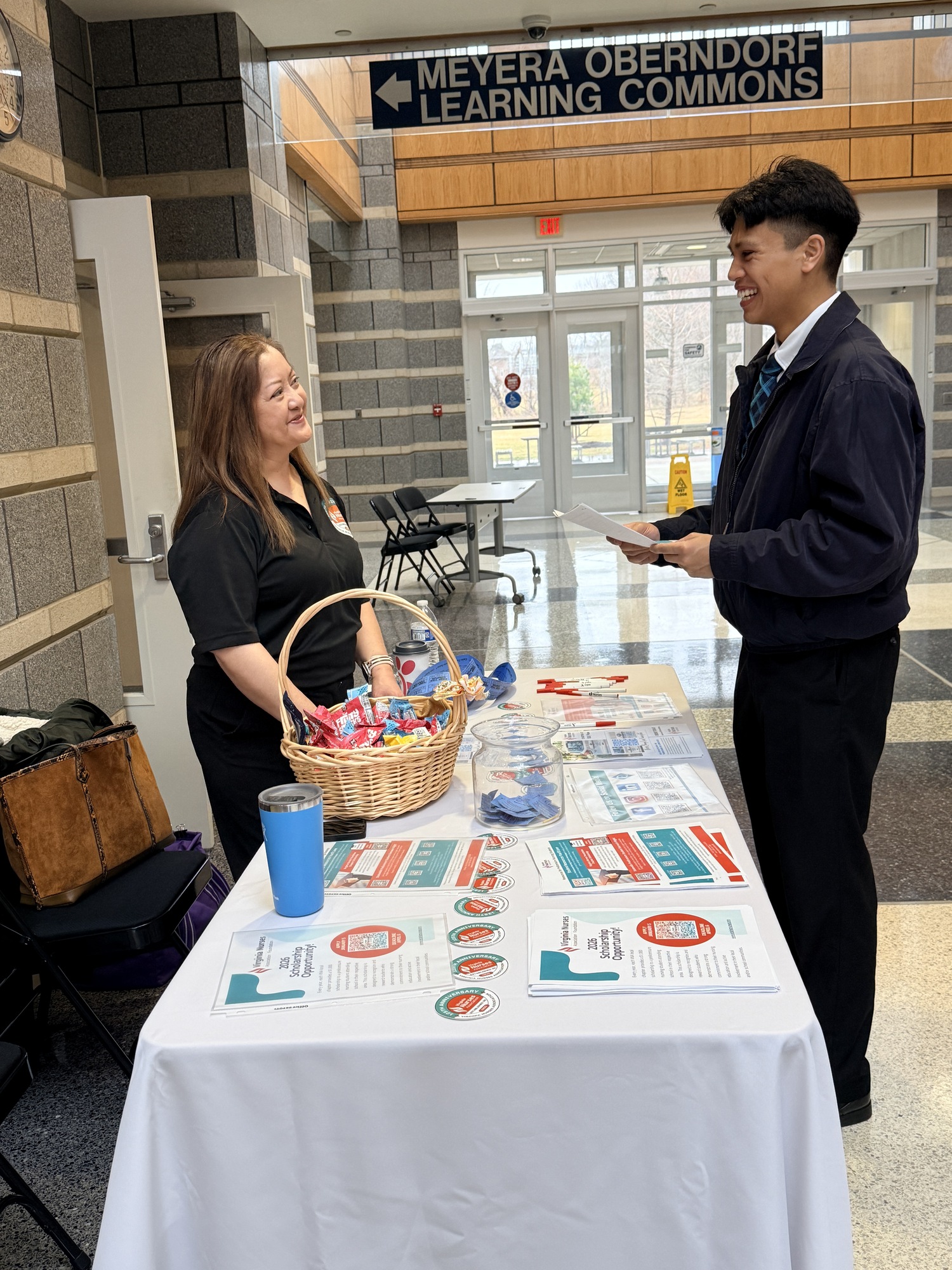
Click an image to expand viewer.
-
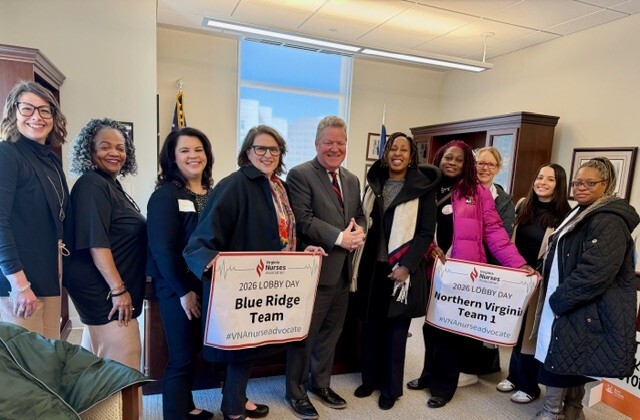
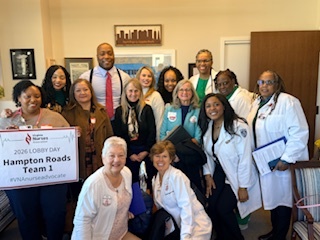
More than 100 Nurses Joined VNA’s 2026 Lobby Day to Advocate for a Healthier Virginia!

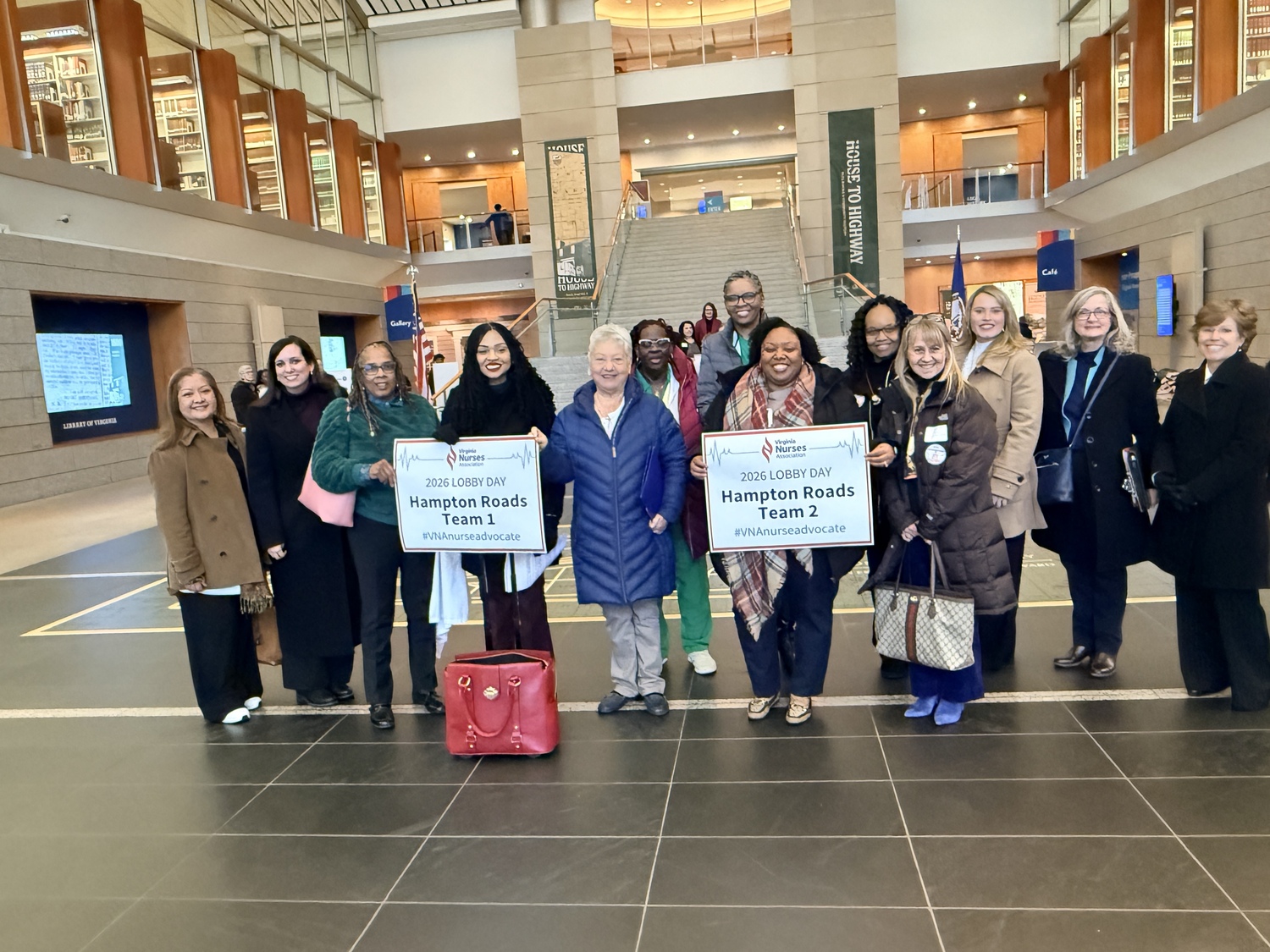
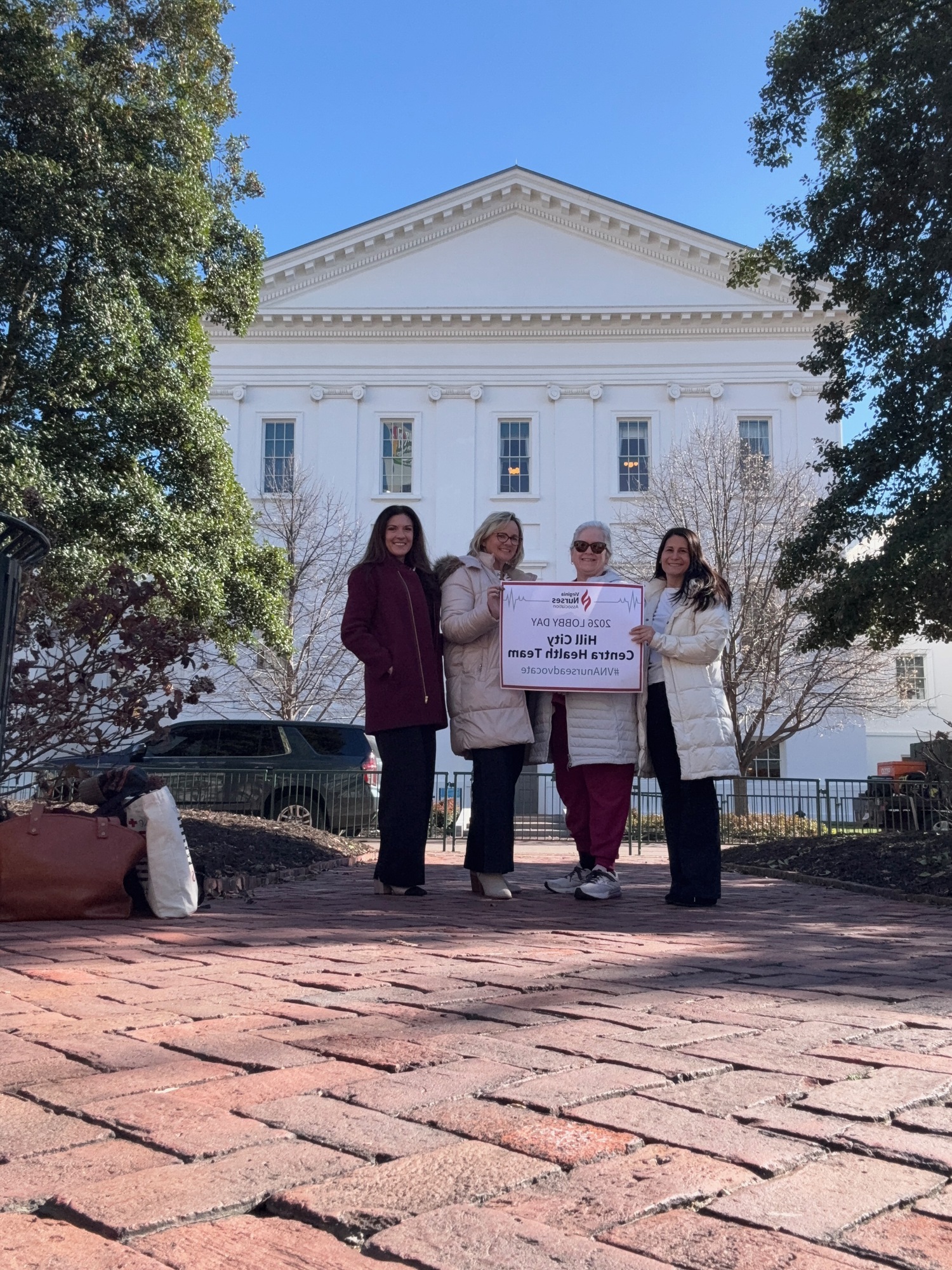
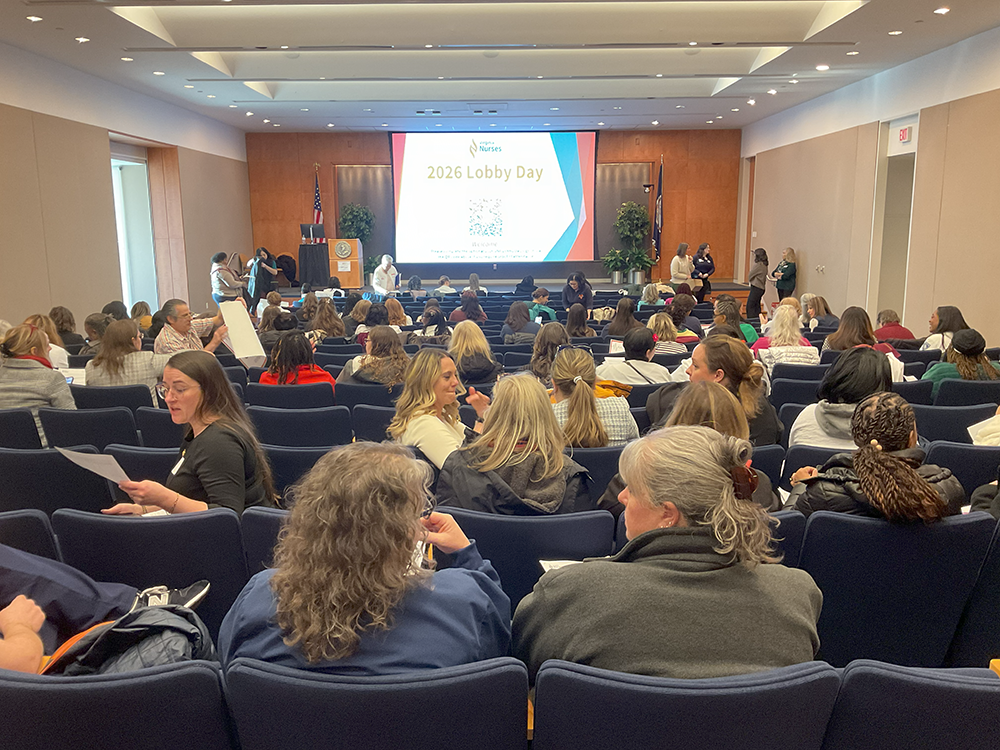
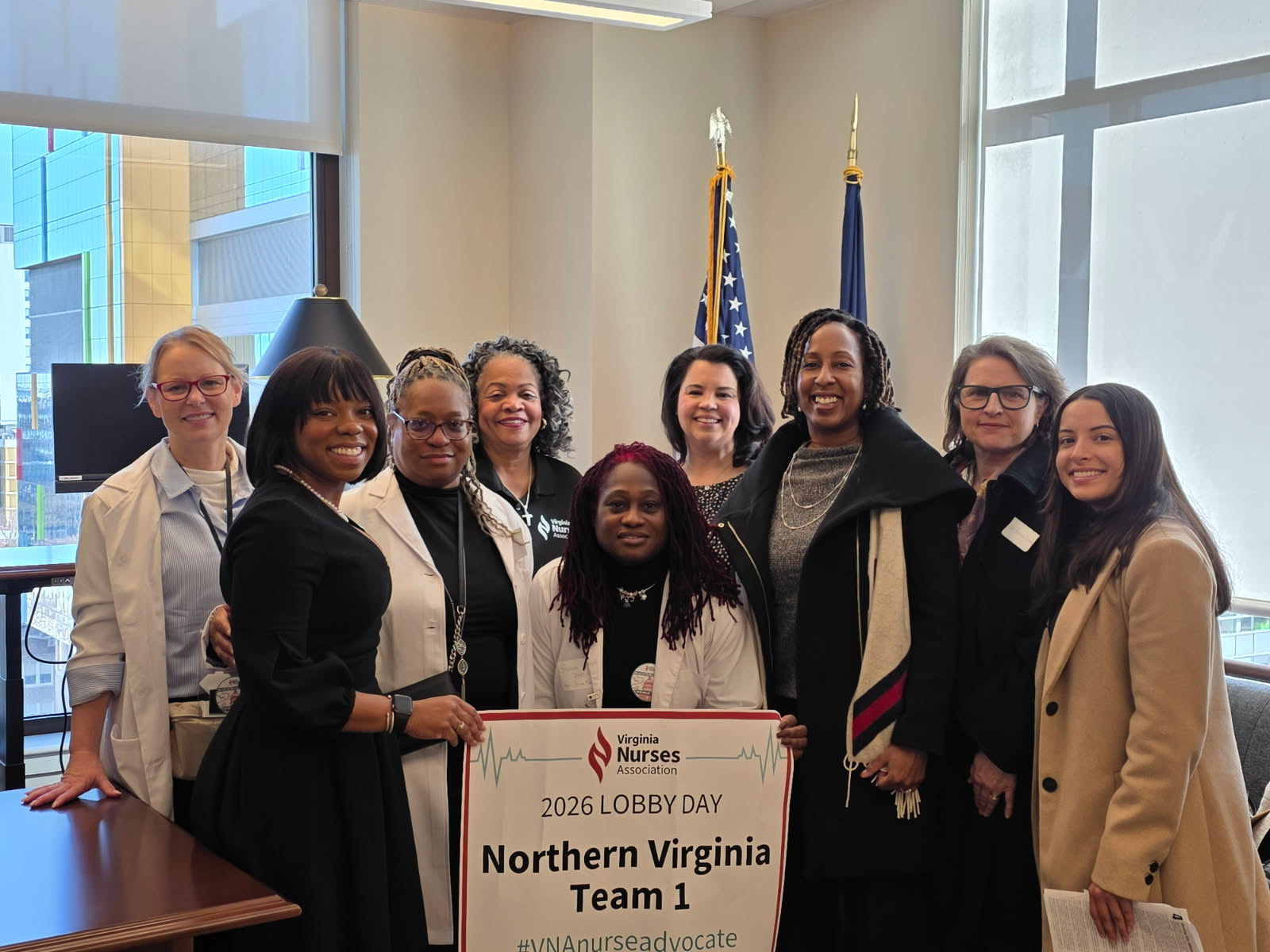
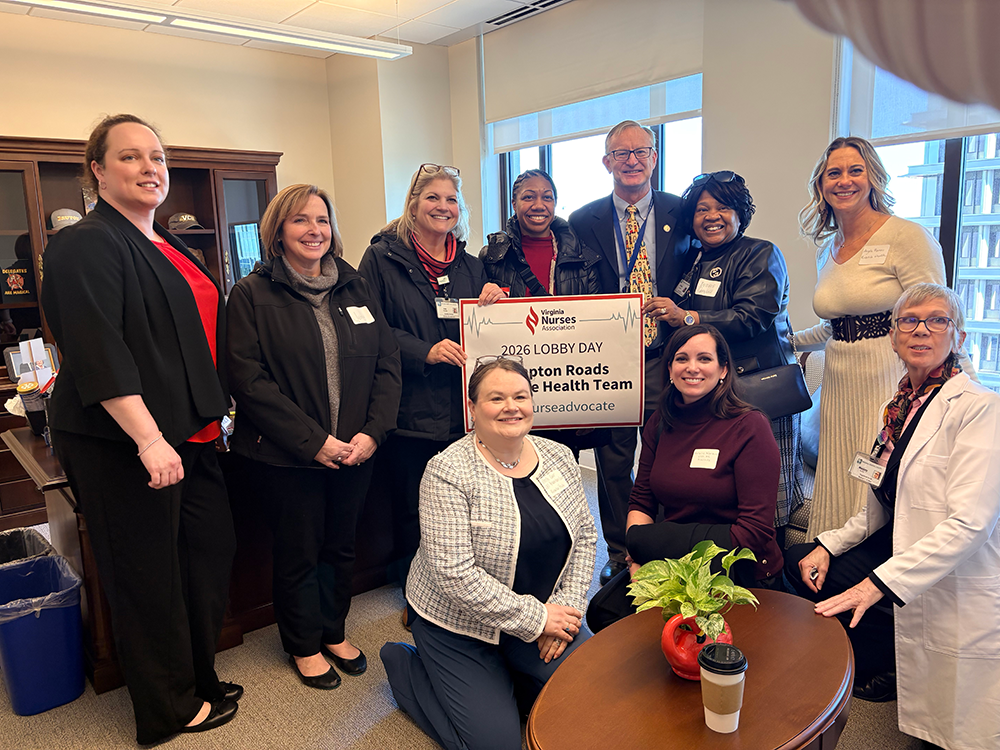
On Tuesday, January 20, the Virginia Nurses Association (VNA) kicked off the new year and 2026 Virginia General Assembly session by hosting an in-person nursing Lobby Day at the Virginia State Capitol. More than 100 dedicated nurses gathered to advocate for critical legislative priorities aimed at strengthening the nursing profession and improving healthcare across the commonwealth.

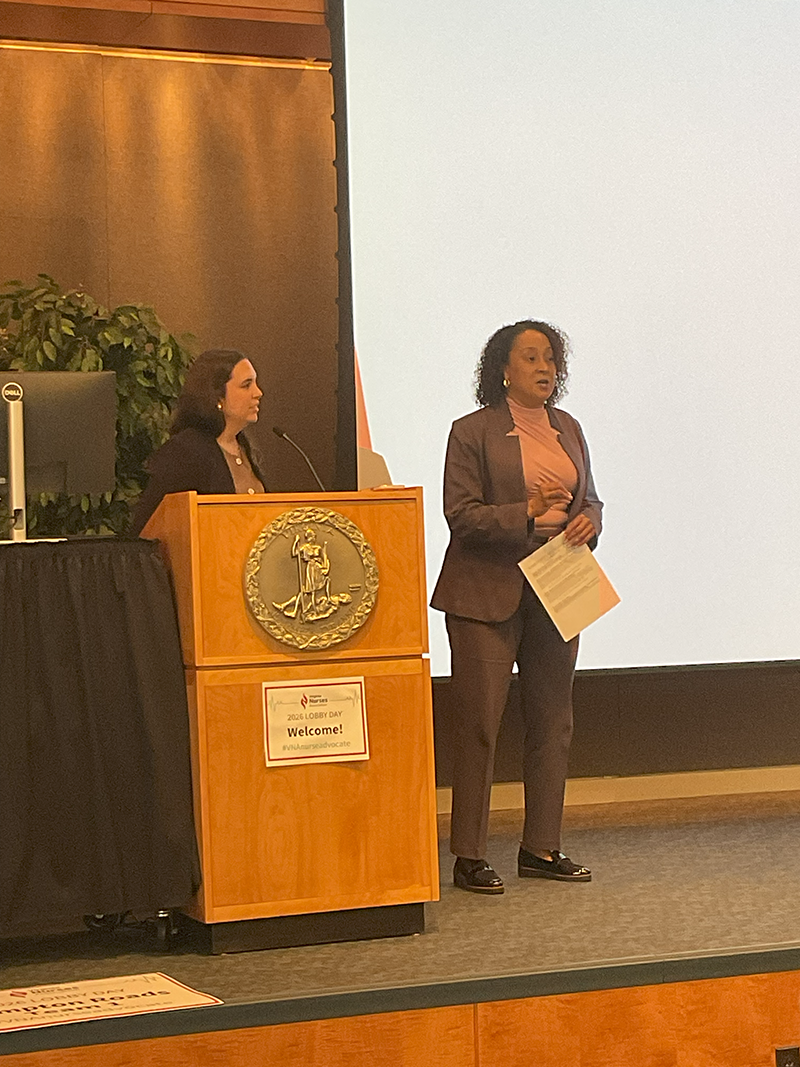
The day commenced with morning preparations at the Library of Virginia, with advocacy messages provided by VNA President Dr. Kathy Baker, PhD, RN, NE-BC, FAAN, VNA Commissioner on Government Relations Dr. Halima Walker, DHA, MSN, RN, CCRN, NEA-BC, and Director of the Virginia Nursing Workforce Center Dr. Yvette Dorsey, DNP, MSN, RN (far right). This prep session provided an opportunity for nurses to align their advocacy efforts before making their way to the Capitol.

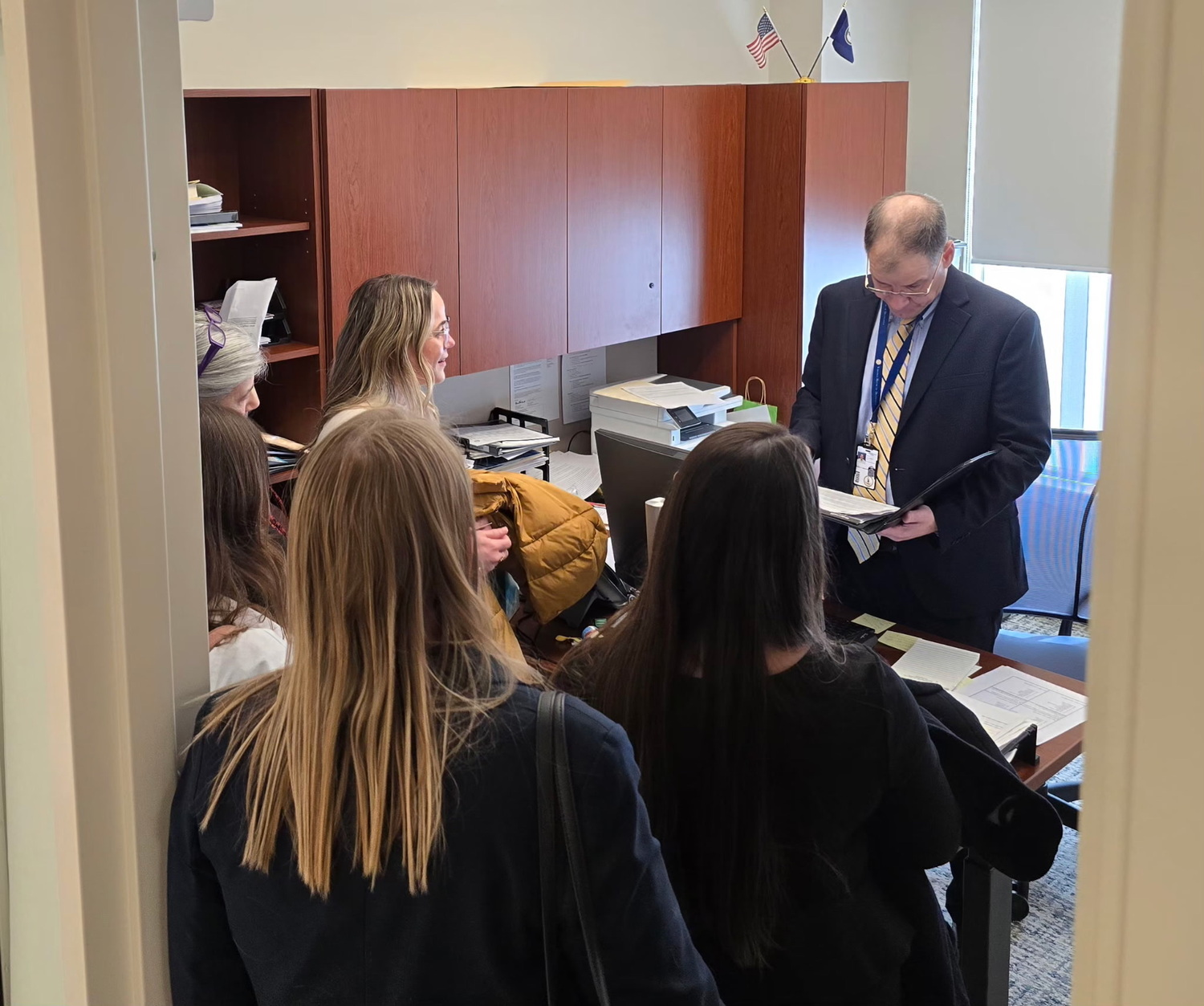
Throughout the day, participants passionately championed several key legislative initiatives, including increased workplace violence reporting measures to enhance healthcare worker safety, funding of a nursing workforce center to address workforce challenges, banning noncompete agreements for APRNs and other healthcare workers in Virginia, expanded practice authority for military APRNs and clinical nurse specialists, and more!

In addition, participants advocated for the implementation of heat illness prevention policies to protect workers exposed to extreme temperatures, such as those in agriculture and construction. Virginia currently lacks protections for such workers. By the end of the morning, VNA's nurse and student participants met with fifty legislators and their offices in two hours!

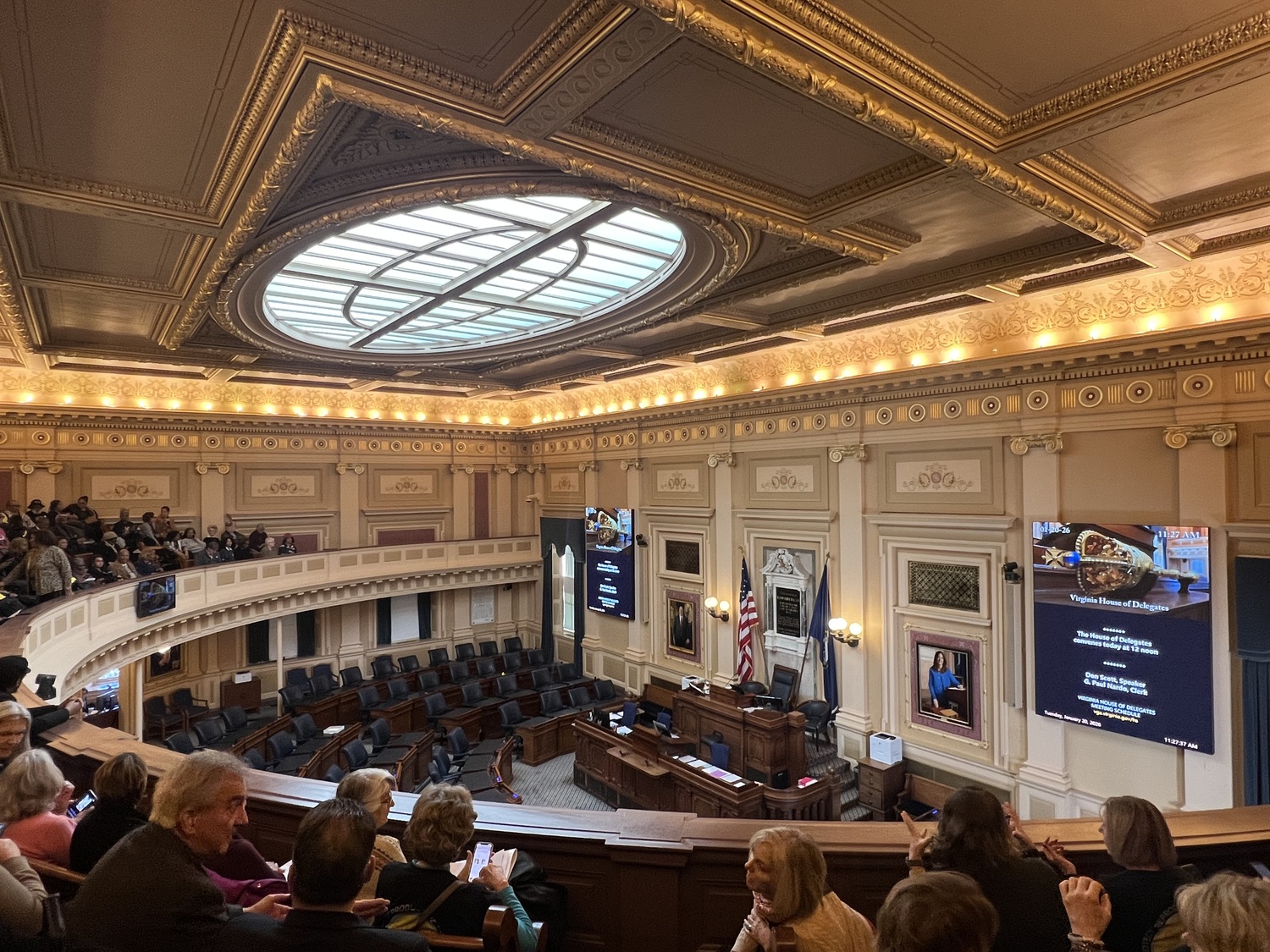
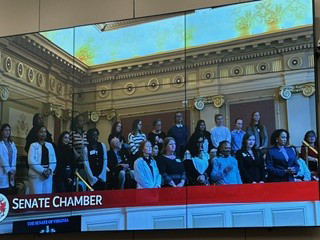
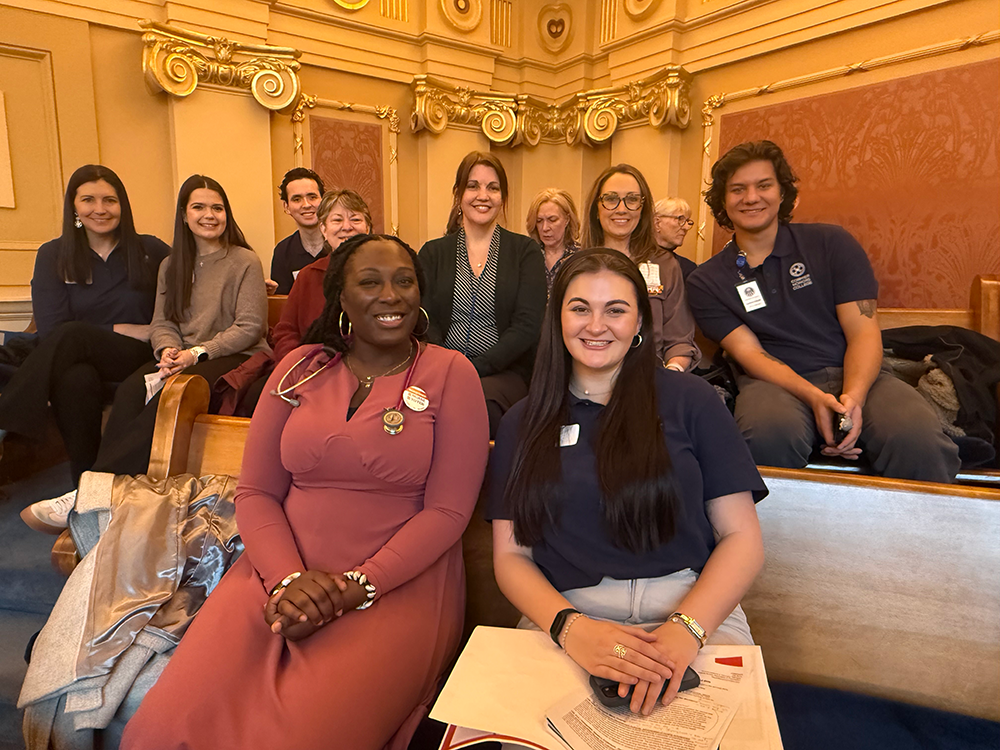
During the noon session, VNA’s Lobby Day groups were formally introduced to both chambers of the General Assembly. Senator Barbara Favola introduced the group in the Senate, while Delegate Rodney Willett provided an introduction in the House of Delegates. Both lawmakers emphasized the critical role nurses play in advancing public health initiatives.

"I had an incredible experience at the 2026 VNA Lobby Day alongside the inspiring nursing students from Longwood University and colleagues from my time at UVA Health, all united in advocating for a strong and sustainable nursing workforce. The camaraderie, energy, and shared commitment to our profession was truly powerful to witness. Being recognized in the House of Delegates was a meaningful testament to the impact nurses are making across the Commonwealth, and I am deeply proud to be a nurse and part of the important work of the Virginia Nurses Association,” said VNA Commissioner on Government Relations Dr. Halima Walker, DHA, MSN, RN, CCRN, NEA-BC (pictured far left, front row with Longwood University nursing students and faculty).

We're also thrilled to share that VNA award more than 120 nursing contact hours for our 2026 Lobby Day! Thank you to all of the nurse and student advocates who joined us to advocate for a healthier Virginia!

Check out the full album for VNA’s Lobby Day on Facebook! For more information about the Virginia Nurses Association and its advocacy initiatives, visit www.virginianurses.org.

2026 Virginia General Assembly Crossover Update
We're halfway through the 2026 Virginia General Assembly Session!

The 2026 General Assembly reached its midpoint on February 17 as lawmakers hit crossover. In total, the House passed 849 of the 1528 introduced House bills and the Senate passed 520 of the 849 introduced Senate bills. The House and Senate Appropriations Committees will soon announce their respective revisions to the introduced budget, and we look forward to reporting on those actions.

With crossover complete, the surviving bills now move to the opposite chamber, where lawmakers will amend, pare back or press forward their proposals before they can reach the governor’s desk. The second half of the session will also be defined by negotiations over the state’s biennial budget; those talks have already begun.

Below are a few key VNA highlights from the crossover deadline:

HB 1182 (Thomas) - Read third time and passed House (63-Y 34-N 0-A). The bill requires health insurance carriers to provide coverage, under any health insurance contract, policy, or plan that includes coverage for prescription drugs on an outpatient basis, for contraceptive drugs and contraceptive devices, as defined in the bill, including those available over-the-counter. The bill prohibits a health insurance carrier from imposing upon any person receiving contraceptive benefits pursuant to the provisions of the bill any copayment, coinsurance payment, or fee, except in certain circumstances.

HB 1489 (Tran) - On February 16, the bill Passed House Block Vote (97-Y 0-N 0-A). Expands the reporting requirements for incidents of workplace violence in hospitals by requiring additional descriptors of incidents, requiring hospitals to report collected data to additional parties, and directing the Department of Health to publish a report containing an annual summary of such data. The bill directs the Board of Health to promulgate regulations implementing the provisions of the bill by January 1, 2027, and directs the Department of Health to publish its first report by December 31, 2027.  

SB 596 (Carroll Foy) - On February 10, the bill was read a third time and passed the Senate (21-Y 15-N 0-A) (24-Y 15-N 0-A). On February 13, the bill was referred to the House Committee on Health and Human Services. On February 16, it was assigned to the Health Subcommittee. The bill establishes a right to obtain contraceptives and engage in contraception, as such terms are defined in the bill. The bill also creates a cause of action that may be instituted against anyone who infringes on such right. 

SB 128 (VanValkenburg) - On February 13, the bill was read third time and passed Senate Block Vote (39-Y 0-N 0-A). The bill adds health care professionals as a category of employee with or upon whom no employer shall enter into, enforce, or threaten to enforce a covenant not to compete. The bill defines "health care professional" as any person licensed, registered, or certified by the Board of Medicine, Nursing, Counseling, Optometry, Psychology, or Social Work. The bill provides that any employer that violates the prohibition against covenants not to compete with a health care professional is subject to the civil penalty in current law of $10,000 for each violation.  

HJ 24 (Price) - On February 11, the bill was agreed to by House Block Vote (97-Y 0-N 0-A). On February 12, the bill was referred to the Senate Committee on Rules. Immunization Awareness Month; designating August 2026 and in each succeeding year thereafter.  

HB 815 (Downey) - On February 11, the bill passed House Block Vote (98-Y 0-N 0-A). On February 12, the bill referred to the Senate Committee on Education and Health. Grants the Virginia Health Workforce Development Authority the authority to administer scholarships related to nursing and to promulgate regulations exempt from the requirements of the Administrative Process Act as may be necessary to carry out the administration of nursing scholarship and loan programs. Under current law, the Board of Health is the administrative authority for such scholarships and the Commissioner of Health serves as the fiscal agent for the Board in the administration of some scholarship funds. The bill directs the Authority to establish an annual reporting schedule requiring submission of health workforce data, requires the Authority to establish and provide oversight and strategic guidance to the Virginia Nursing Workforce Center, and grants the Authority the authority to evaluate health workforce programs administered or supported by the Commonwealth. The bill directs the Virginia Nursing Workforce Center to establish an advisory board to provide it with strategic oversight and guidance.

HB 627 (Herring) - On February 9, the bill was read a third time and passed the House (93-Y 5-N 0-A). On February 10, the bill was referred to the Senate Committee on Commerce and Labor. Adds health care professionals as a category of employee with or upon whom no employer shall enter into, enforce, or threaten to enforce a covenant not to compete. The bill defines "health care professional" as any physician, nurse, nurse practitioner, physician's assistant, pharmacist, social worker, dietitian, physical or occupational therapist, professional counselor, behavior analyst, assistant behavior analyst, or medical technologist authorized to provide health care services in the Commonwealth. The bill provides that any employer that violates the prohibition against covenants not to compete with a health care professional is subject to the civil penalty in current law of $10,000 for each violation.

SB 811 (Head) - Clinical nurse specialists; practice agreements; consultation requirements. Continued to 2027 in Education and Health (15-Y 0-N).

SB 405 (Lucas) - On February 13, the bill Reported from Finance and Appropriations (15-Y 0-N).  On February 16, Block Vote (39-Y 0-N 0-A). Grants the Virginia Health Workforce Development Authority the authority to administer scholarships related to nursing and to promulgate regulations exempt from the requirements of the Administrative Process Act as may be necessary to carry out the administration of nursing scholarship and loan programs. Under current law, the Board of Health is the administrative authority for such scholarships and the Commissioner of Health serves as the fiscal agent for the Board in the administration of some scholarship funds. The bill directs the Authority to establish an annual reporting schedule requiring submission of health workforce data, requires the Authority to establish and provide oversight and strategic guidance to the Virginia Nursing Workforce Center, and grants the Authority the authority to evaluate health workforce programs administered or supported by the Commonwealth. The bill directs the Virginia Nursing Workforce Center to establish an advisory board to provide it with strategic oversight and guidance.  

HB 1337 (Clark) - Read third time and passed House Block Vote (97-Y 0-N 0-A). The bill adds projects located within medical deserts, defined in the bill, to the list of projects for which there is an expedited certificate of public need application and review process and directs the State Health Services Plan Task Force to include specific criteria for determining need in medical deserts.  

HB 1092 (Hernandez) - Read third time and passed House (62-Y 35-N 0-A). The bill requires the Safety and Health Codes Board to adopt regulations establishing standards designed to protect workers from heat illness, as defined in the bill. The bill authorizes a worker aggrieved by a violation of the regulations promulgated thereunder to seek to obtain injunctive relief, to recover statutory damages of $1,000 per violation, or both in an action commenced within one year of the cause of action. The bill requires the Safety and Health Codes Board, in consultation with the Department of Labor and Industry, to develop and adopt regulations requiring employers to implement standards for heat illness prevention by May 1, 2027.  

SB 99 (Stanley) - The bill eliminates the cap on the recovery in actions against health care providers for medical malpractice where the act or acts of malpractice occurred on or after July 1, 2026, and occurred against a patient age 10 or younger. Continued to 2027 in Finance and Appropriations (13-Y 2-N).

HB 622 (Glass) - Permits advanced practice registered nurses who practiced autonomously for at least three years as part of either military service or employment with the Department of Veterans Affairs to practice without a practice agreement. Subcommittee failed to recommend reporting with amendment(s) (4-Y 6-N).


VNA is currently tracking 67 pieces of legislation. Click here to view the full list of bills being tracked!

VNA & VNF Events
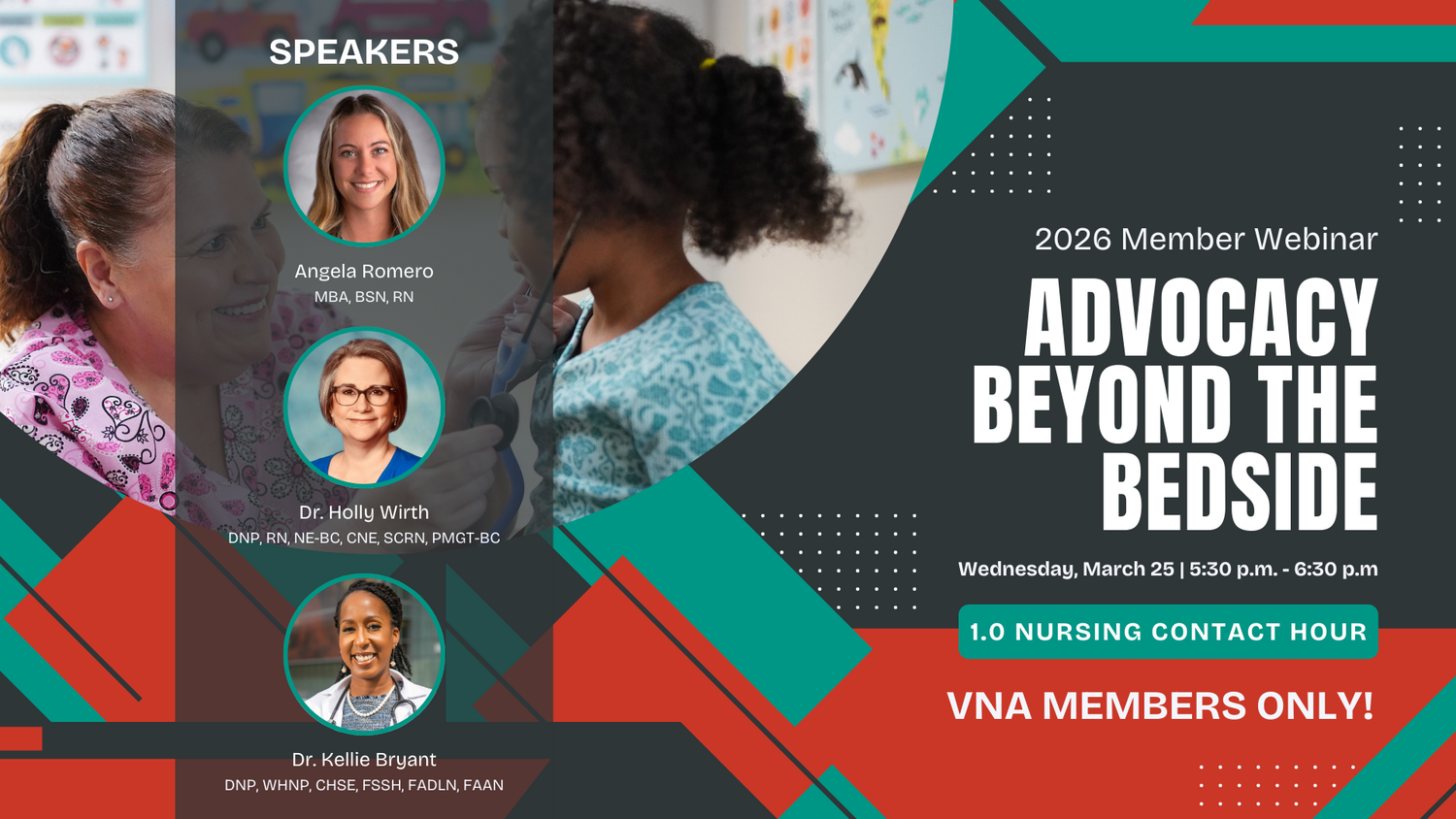
VNA MEMBERS ONLY: Register Now for VNA’s 2026 March Member Webinar: Advocacy Beyond the Bedside
Free | Virtual | March 25, 5:30pm | Earn 1.0 Nursing Contact Hour

VNA’s first members only webinar of 2026, Advocacy Beyond the Bedside, will spotlight real-world examples of how nurses advocate for their patients, peers, and within their organization. Presented in a panel discussion format, it will highlight practical, situational advocacy and timely issues, reinforcing VNA’s ongoing commitment to empowering nurses of all generations and specialties to use their voices to drive meaningful change. Register here!

Hampton Roads Chapter members have the opportunity to attend this program either in person or virtually. When registering, please select your preferred attendance option. Additional details for the in-person experience are outlined below.*

Event Moderator
Dr. Halima Walker, DHA, MSN, RN, CCRN, NEA-BC
VNA Commissioner on Government Relations and Piedmont Chapter Government Relations Chair
Dr. Halima Walker is a nurse leader, educator, and healthcare administrator with a strong commitment to equity, workforce development, and community centered care. She serves as Nursing Director at Region Ten Community Services Board in Charlottesville, Virginia, where she provides clinical and strategic oversight across behavioral health, crisis services, residential programs, and outpatient settings, leading nursing practice, policy development, regulatory compliance, and quality improvement initiatives.

Dr. Walker holds a Doctorate in Healthcare Administration and brings a systems level perspective to nursing leadership, with expertise in nursing operations, workforce strategy, and interdisciplinary collaboration. Her scholarly and programmatic work has included the development of the Identity Empowerment RN Mentorship Program, a structured mentorship model focused on professional identity formation, self efficacy, and leadership development for nursing students and early career nurses. In addition to her administrative role, she is an experienced nursing educator teaching across secondary, community college, and university settings and is recognized for her ability to translate complex clinical and administrative concepts into practical learning experiences.

Dr. Walker also serves as Commissioner on Government Relations for the Virginia Nurses Association, where she advocates for policies that strengthen the nursing workforce and improve access to care across the Commonwealth, while remaining deeply committed to mentorship, service, and community engagement.  

Speaker 1
Angela Romero, MBA, BSN, RN
Nurse Manager at Riverside Health
Advocacy Focus: Workplace violence prevention, internal policy change, and legislative advocacy

Angela Romero, a lifelong Virginia resident, is the Nurse Manager of a 24-bed Medical-Surgical unit at Riverside Health. With 13 years of nursing experience—6½ of those in leadership—she led her team to earn the system’s first PRISM Award in 2023. Her unit also recently marked an impressive milestone: ten years with zero CAUTIs.

Angela holds a BSN and an MBA, chairs Riverside Regional’s Evidence-Based Professional Advancement Council, and is an active member of multiple nursing organizations. She currently serves as President of the AMSN Hampton Roads Chapter, following four years as President-Elect.

Beyond infrastructure and outcomes, Angela is a fierce advocate for workplace safety and psychological well-being. When a violent incident impacted her team, she stood by her nurses for six months of court proceedings—until justice was served.

Her advocacy extends to the policy arena. Angela participated in the Virginia Nurses Association’s Lobby Day to support House Bill 2269 and later represented nursing at the national level during AONL’s Day on Capitol Hill. There, she met directly with U.S. Senators and Members of Congress to champion the SAVE Healthcare Workers Act, embracing the vital role nurses play in shaping healthcare policy.

Speaker 2
Dr. Holly Wirth, DNP, RN, NE-BC, CNE, SCRN, PMGT-BC
Clinical Nurse Educator, Neuroscience Service Line at Inova Health
Advocacy Focus: Supporting nurses experiencing abuse outside the workplace, building internal support systems, and fostering organizational culture change after workplace tragedies

Dr. Holly Wirth is dedicated nursing leader with 25 years of healthcare experience, specializing in neurology and stroke care. Dr. Wirth is a Clinical Nurse Educator for the Neuroscience Service Line at Inova Health System, overseeing educational programs across multiple care sites. She has also created innovative training pathways and led her team through comprehensive education programs, improving patient outcomes in epilepsy, stroke and neurosurgery. In addition to her clinical expertise, Dr. Wirth enjoys speaking on epilepsy care and neuroscience nursing education, with podium presentations at local, regional and national conferences.

Speaker 3
Dr. Kellie Bryant, DNP, WHNP, CHSE, FSSH, FADLN, FAAN
Director for the Center for Innovation in Education Excellence at the National League for Nursing

Advocacy Focus: Advancing equity, diversity, and inclusion in nursing education and practice through innovative strategies, such as simulation, that enhance patient care, promote workplace inclusivity, and drive systemic change

Dr. Kellie Bryant is the Director of the Center for Innovation in Education Excellence at the National League for Nursing, with over 20 years of teaching experience, including 15 years specializing in simulation. In her role, she leads the development of innovative programs and services to advance nursing education. As a consultant for Advancing Health Equity, Dr. Bryant trains organizations on delivering equitable care and fostering inclusive workplaces.

Her expertise includes leveraging simulation to improve patient safety and creating nursing pathway programs for historically marginalized students. A prolific author and presenter, Dr. Bryant has delivered national and international presentations and secured grants from organizations such as Johnson & Johnson.

She serves on several committees, including as vice chair of the DEI Committee for the Society for Simulation in Healthcare, and as an elected board member of the International Nursing Association of Clinical Simulation and Learning.  

Register here!


*HAMPTON ROADS CHAPTER MEMBERS IN-PERSON OPPORTUNITY > Register here!

RSVP Deadline: March 23, 2026
Dinner Begins: 5:00 p.m. (Welcome and meet Jennfier Barthlome, the CNO at Riverside Doctors Hospital, as well as the Hampton Roads Chapter Leadership. Heavy hors d'oeuvres will be served)

VNA Member Webinar: 5:30 p.m. - 6:30 p.m.
Hampton Roads General Membership Collaborative Meeting: 6:30 p.m. - 8:00 p.m.
In-Person Location: Riverside Doctors' Hospital, A/B Conference Room
1500 Commonwealth Ave., Williamsburg, VA 23185
Visitors may park in the main parking lot in front of the hospital.


Nursing Continuing Professional Development Disclosures

The Virginia Nurses Association is accredited as a provider of nursing continuing professional development by the American Nurses Credentialing Center’s Commission on Accreditation.

Participants of the 2026 VNA March Member Webinar can earn 1 contact hour for attending the webinar in its entirety and completing an online evaluation.


Not a Member?

Join VNA/ANA now and get access to exclusive member benefits!

Register Now or Save the Dates for These 2026 VNA & VNF Events!

Explore VNA’s Event Calendar for more information about our upcoming events.

VNA Members Only Webinar: Advocacy Beyond the Bedside
Free | Virtual | March 25, 5:30-6:30pm | 1.0 Nursing Contact Hour | On-Demand
This webinar will spotlight real-world examples of how nurses advocate for their patients, peers, and within their organization. Presented in a panel discussion format, it will highlight practical, situational advocacy and timely issues, reinforcing VNA’s ongoing commitment to empowering nurses of all generations and specialties to use their voices to drive meaningful change. Register here!

Hampton Roads Chapter In-Person March Webinar Watch Party
VNA Members Only! | Begins at 5pm | Riverside Doctors’ Hospital | Registration Required
VNA's Hampton Roads Chapter members have the opportunity to attend the March VNA Member Webinar in-person on Wednesday, March 25! You can still choose to participate virtually, but the chapter is excited to offer an in-person experience to connect with fellow chapter members and leadership. Register here!

Augusta Chapter In-Person Event: Spring Renewal & Growth
VNA Members Only! | Tuesday, April 14 | 4-6pm | RSVP by March 30
This 2026 kickoff gathering gathering of VNA's Augusta Chapter will introduce chapter leadership, engage members in shaping a vision for sustainable growth, and create a collaborative space to identify and address the pressing issues impacting nurses across the region. Dr. Yvette Dorsey, DNP, MSN, RN, Director of the Virginia Nursing Workforce Center, will provide a brief presentation on the Nursing Workforce Center and the role members can play in supporting workforce initiatives through the association. Register here!

2026 VNA & VNF Spring Conference: Embracing the Power of Nurses™
Virtual | Wednesday, April 22 & Thursday, April 23 | On-Demand thru July 31, 2026
The Virginia Nurses Association and Foundation's 2026 Spring Conference, Embracing the Power of Nurses™, will bring together nursing leaders, frontline clinicians, educators, and nursing students from across Virginia to explore how nurses are shaping the future of healthcare and redefining the public image of nursing. Participants will gain practical strategies to strengthen leadership capacity, amplify their professional voice, and translate inspiration into meaningful action. Learn more or register here!

VNA Members Only Webinar
Virtual | September 16 from 5:30-6:30pm
Topic and speakers will be announced at a later date. Register here!

2026 VNA Legislative Summit
Virtual | Thursday, September 24
More 2026 Legislative Summit information will be available soon here!

2026 VNA & VNF Fall Conference & Awards Gala
Friday, November 20 & Saturday, November 21
Hilton Richmond Hotel & Spa in Short Pump, Virginia

  • More 2026 Fall Conference information will be available soon here!
  • More 2026 Gala information will be available soon here!
Celebrating the Power of Nurses: National Nurses Week 2026

The Virginia Nurses Association and the American Nurses Enterprise is thrilled to celebrate National Nurses Week 2026, recognizing the invaluable contributions nurses make in healthcare and our lives while addressing the real-life challenges they face every day.

This year, as the American Nurses Association celebrates their 130th Anniversary as America celebrates its 250th, we are honored to play a key role in elevating nurse voices, stories, awareness, engagement and local celebrations in coordination with sponsors and partners. But first, as you start planning for your National Nurses Week (NNW) celebrations in May, we hope you will download the NNW digital toolkit designed to help you bring #ThePowerOfNurses to light in your state, with press, in the community, in social and honoring them where they work – in places of practice.

We hope you will join us as we celebrate the 5,000,000+ nurses across the country by shining a light on The Power of Nurses™.

Ways to Celebrate Nurses Week 

Give the Gift of 2 Memberships for under $16/Month 
When you join VNA or give the gift of membership to a new nurse or colleague, you also receive membership in the American Nurses Association, more than doubling the value of your investment and all for under $16/month! Advocacy on the nursing issues that count, like workplace safety and staffing; online resources and toolkits addressing DEI, workplace violence and more; a community of your peers; leadership development programs and opportunities; and national-quality conferences (all with steeply discounted member pricing)... it’s all available to VNA / ANA members. Membership in your professional association also sends a clear message to your employers and those around you that you are committed to developing yourself. Join here! 

Share your Nurses Week Celebrations with us! 
If you’re planning a Nurses Week event, be sure to take photos and tag us on social media or post directly to our social media! You can also email materials and a brief description to VNA Communications Manager Elle Buck at ebuck@virginianurses.com. 

  • Facebook 
  • Instagram 
  • LinkedIn  

Stock up on Nurses Week Goodies & Gifts 
VNF’s ‘Nurses Change Lives’ license plate is a best seller year after year, with more than 7,000 plates on Virginia’s roads today! Prices are $25 for regular plates and $35 for custom plates AND $15 of each purchase goes toward Virginia nursing scholarship and education initiatives!

VNA’s Online Store will be rolling out a special 2025 Nurses Week collection, just in time for summer! Whether you’re shopping for the whole unit, a nursing student or recent grad, a retired nurse, or yourself, we’ve got you covered! 

Bookmark VNA’s Nurses Week Page and Event Calendar 
Don’t miss out on the latest Nurses Week events and discounts! Be sure to bookmark VNA’s Nurses Week webpage and Event Calendar to stay in the know. Our Nurses Week will webpage also house articles with Nurses Week discounts, freebies and more! 

Donate to Nursing - Choose Your Area of Impact & Amount! 
Please join us in cultivating health, recognizing that philanthropy is the lifeblood that nourishes the roots of positive change. By contributing to the foundation, we all become architects of a healthier, more equitable future for Virginia's communities. Contribute here! 

CE Period Extended for VNF & VNA's Maternal Health Webinar Series 
Free Continuing Education Ending May 31 | Free Maternal Health Resources for Providers & Patients

Join the Hundreds of Nurses Advancing Maternal Healthcare in Virginia!

VNF and VNA’s highly popular Maternal Health Webinar Series is available on-demand! Hundreds of nurses across Virginia tuned into explore the concepts of Maternal Health Foundational Data, Peri/Postnatal Depression & Anxiety, Substance Use & Social Determinants of Health, and Pregnancy Loss. Earn 1.75 nursing contact hours per session by completing the continuing education evaluations by May  31, 2026.

This 4-part series was developed to elevate healthcare awareness and promote optimal maternal health across communities with partners including the Virginia Neonatal Perinatal Collaborative, Postpartum Support Virginia, the Virginia Department of Health, and the M. Foscue Brock Institute for Community and Global Health.

Plus, don’t miss out on dozens of curated resources and downloadable slide decks, organized by session topic, for both nurses and the patients they serve.

Start learning today and be part of the movement to improve maternal health!

Explore Each Session

Session 1: Maternal Health Foundational Data | Watch Here!

The first session of VNF and VNA’s Maternal Health Webinar Series dives into the foundational maternal health data that forms the backbone of clinical practice. Understanding the data behind maternal health is essential for nurses who are committed to providing optimal care delivery. This introductory session explores key maternal health statistics, trends, and evidence-based practices that are essential for guiding informed decision-making and improving patient outcomes.

This session features statewide experts from leading organizations, including the Virginia Neonatal Perinatal Collaborative, the Virginia Department of Health, and other healthcare organizations across the commonwealth. These experts will share their insights on how to access maternal health data, interpret it, and implement it within your healthcare settings to create measurable impacts in care quality.

From this webinar, nurse participants will:

  1. Gain an understanding of essential maternal health data and how to interpret it.
  2. Learn about statewide trends and statistics that shape the maternal health landscape in Virginia.
  3. Understand how to utilize data to drive clinical decisions that improve care delivery and patient safety.
  4. Learn how evidence-based practices can be integrated into daily clinical care to enhance the quality of maternal healthcare.

Session 2: Peri/Postnatal Depression & Anxiety | Watch Here!

Collaborating with Postpartum Support Virginia and content experts from across the state, this session addresses the complexities of PMADs and how healthcare professionals can better support mothers experiencing these conditions. Recognizing the signs, understanding the risk factors, and providing effective support is crucial in promoting the mental health of both mother and child.

This session is designed to equip nurses with the tools and knowledge to identify and manage perinatal and postpartum mood and anxiety disorders effectively. Nurses will leave with a deeper understanding of how to screen consistently, interpret results, and provide follow-up care to ensure that mothers receive the support they need.

From this webinar, nurse participants will:

  1. Understand risk factors to identify at-risk patients early and provide the most effective interventions.
  2. Learn how to screen for PMADs consistently during prenatal and postpartum visits, using evidence-based tools and frameworks.
  3. Understand the importance of routine screening to ensure early detection and proper care.
  4. Learn how to interpret screening results to guide clinical decisions and initiate interventions.
  5. Discuss how to approach conversations about PMADs with patients and their families in a compassionate, safe, and supportive manner.
  6. Discover resources available to assist mothers facing PMADs, such as training programs, free care coordination services, and support groups.

Session 3: Substance Use & Social Determinants of Health | Watch Here!

Substance Use Disorders (SUDs) are a growing concern in maternal care and are often misunderstood or stigmatized. Collaborating with the Virginia Department of Health, the M. Foscue Brock Institute for Community and Global Health, and statewide experts, this session equips nurses with the tools to support pregnant and parenting individuals with SUDs through respectful, nonjudgmental, and trauma-informed care.

This session is ideal for nurses who want to deepen their understanding of SUD, reduce stigma, and improve care delivery for vulnerable populations. Whether you’re new to maternal health or a seasoned professional, you’ll leave with actionable strategies and valuable connections.

From this webinar, nurse participants will learn:

  1. Virginia-specific trends in maternal substance use and the most common substances impacting maternal health.
  2. How to use non-stigmatizing language to build rapport, improve patient trust, and promote positive maternal health and infant outcomes.
  3. How to recognize warning signs and use effective screening tools.
  4. Where to access key referral resources to support pregnant and parenting individuals with SUDs.

Session 4: Pregnancy Loss | Watch Here!

Pregnancy loss is a profound and often overlooked experience for patients—and for the healthcare professionals who care for them. In this deeply compassionate session, explore how to provide empathetic, trauma-informed support to individuals and families experiencing pregnancy loss with guidance from experts with the Virginia Department of Health.

This session is designed to help nurses create safer, more supportive spaces for families facing the unimaginable. By understanding grief, communication, and available resources, you can play a key role in healing and hope.

From this webinar, nurse participants will:

  1. Understand the emotional, physical, and psychological impacts of pregnancy loss at any stage.
  2. Learn appropriate and inclusive terminology that validates each person’s experience.
  3. Gain confidence in having supportive conversations during moments of loss.
  4. Discover available resources for patients and families experiencing pregnancy loss.
  5. Learn how to support staff who experience secondary trauma and emotional burnout as a result of caring for pregnancy loss.
Sponsoring & Exhibiting Made Easy

Partnering with VNA and VNF is a simple yet powerful way to amplify your brand while supporting our work. Sponsorship opportunities with VNA and VNF deliver exceptional benefits, including the chance to demonstrate your commitment to corporate social responsibility, enhance brand recognition, and foster a positive reputation within the community. Your support directly helps us sustain critical programs and services while promoting our mission and extending our reach.

From joining more than 550 nurses at our annual Gala to engaging in vital discussions at our conferences and summits, there’s a sponsorship option tailored to your organization’s goals. Top sponsors gain exclusive visibility in Virginia Nurses Today (with a circulation of 170+,000) and VNA’s members-only News Brief, both boasting an impressive open rate of more than 50%! Certain sponsorships are available on a first-come, first-served basis—don’t miss your chance to make a lasting impact! Explore our portfolio of options and find your perfect fit today!

VNF Initiatives - Apply Now!
Nominate a Nurse for VNF’s 40 Under 40 Awards by June 1
The next 40 Under 40 Awards cycle will take place in 2029!

The Virginia Nurses Foundation’s 2026 Awards Cycle is Open for Submissions!
Don't miss this opportunity to nominate a nurse from your organization or facility for VNF's 40 Under 40 awards - nominations are due by June 1, 2026! VNF will honor the 2026 40 Under 40 Award recipients at our annual gala in Short Pump, Virginia on the evening of November 21 at the Hilton Hotel & Spa. The next 40 Under 40 Awards cycle will take place in 2029!

40 Under 40 Award Qualifications
The Virginia Nurses Association and Foundation strive for equity in our academic and practice settings, as well as health equity in our communities and throughout our work.

Nominees must:

  • Be no older than 39 by December 31, 2026.
  • Hold a current valid nursing license.
  • Currently reside and practice in the state of Virginia.
  • Not be a previous 40 Under 40 award recipient. Previous nominees who did not receive the award are eligible.

Award Criteria
Nominees should have demonstrable achievements in the following areas:

  • Professional Practice
    Significantly or uniquely contributes to leadership within the nursing profession through clinical practice, education/teaching, administrative leadership, research, writing, publishing, policy involvement, and/or healthcare innovation.

  • Leadership
    Demonstrates leadership in the practice setting, community affairs, and/or nursing professional organizations, and in growth and development of others in these areas.

  • Impact
    Positively promotes and advances the nursing profession beyond the practice setting, including but not limited to: presenting a positive image of nursing to their community (local/global), volunteerism/outreach efforts, and/or legislative work/policy development. 

Learn more or nominate a nurse! 

VNF Seeks Your Nominations for Community Health Advocate Award
Award Recognition for Non-Nurses | Nominations due June 1

The Virginia Nurses Foundation’s Community Health Advocate Award proudly honors an individual who has made a significant impact on the health and well-being of our communities. This award uniquely recognizes the extraordinary contributions of non-nurses who have advocated for the diverse populations we serve and fostered healthier, more resilient communities. 

Please take a moment to reflect on the leaders, volunteers, and advocates within your community and consider nominating an individual for this prestigious award, which will be presented at VNF's Annual Gala, held on Saturday, November 21 at the Hilton Hotel & Spa, Short Pump, just 15 minutes west of Richmond. 

Deadline for nominations: June 1. Fill out the Nomination Form here! 

Applications Open for VNF’s Dr. Vivienne McDaniel Health Equity Scholarship
VNF is thrilled to share we're growing this scholarship to award two deserving individuals in 2026!

We're thrilled to announce that the Virginia Nurses Foundation’s Dr. Vivienne McDaniel Health Equity Scholarship is open for 2026! Two scholarships will be presented in the amount of $2,500. The deadline for applications is May 31, 2026. 

The Dr. Vivienne McDaniel Health Equity Scholarship was established to honor Dr. McDaniel (left), a nursing leader dedicated to advancing diversity, equity, and inclusion within the nursing profession and communities throughout the commonwealth. These $2,500 scholarships, intended to support and inspire advanced degree* nursing students who are committed to promoting diversity and equity in healthcare in Virginia, will be awarded in August 2026. 

*graduate or doctoral students 

Explore Top Rated Nursing Programs

Education at every step. Quickly access top schools and programs by degree level & educational background. (Online and In-person options)

MSN Programs

Nurse Practitioner Programs

DNP Programs

SPONSORED
Please Share: Apply for VNA’s 2026 Prelicensure Nursing Student Scholarships by April 6!
For Virginia Prelicensure Nursing Students Only

The Virginia Nurses Association and Foundation are excited to share that the 2026 scholarship program for prelicensure nursing students, opened January 5! This is your chance to receive financial support that can ease the burden of your educational journey and help you take the next step toward becoming a registered nurse. Applications will close on April 6, 2026, at 11:59 PM, so don’t wait!

Last year, the program awarded $17,000 in scholarships, thanks to the combined efforts of the Virginia Nurses Foundation and VNA's local chapters. This year, we are thrilled to continue that tradition of empowering the next generation of Virginia nurses.

Application & Eligibility
Visit VNA’s Student Center Local Chapter Scholarship Information page to explore eligibility and application requirements and seize this incredible opportunity to advance your nursing education. Don’t miss this chance to invest in your future! Apply today and elevate your nursing career in 2026!

Welcome to VNA’s New Regional Chapter Leaders!

The Virginia Nurses Association is proud to recognize and welcome the chapter leaders who have stepped forward to fill vacant leadership positions in their VNA chapter areas. These dedicated members bring a strong commitment to advancing the nursing profession and supporting nurses across Virginia, playing an important role in leading their chapters and helping ensure we remain true to our mission of advocacy, education, and professional excellence. Please join us in welcoming these nurse leaders into their roles, which officially began January 1, 2026! Read on to learn more about your new VNA Chapter leadership!

Southwestern Virginia Chapter
President
Melissa Whited
Dr. Melissa Whited is passionate about serving the nursing profession and is dedicated to advancing it through innovation, education, and leadership. She strives to remove barriers for frontline nurses and inspire them to embrace their expertise and creativity in patient care. Melissa is serving for a second consecutive two-year term as Chapter President.


Hampton Roads Chapter
Student Outreach Chair
Sena Amegbletor
Sena Amegbletor has a commitment to nursing education, leadership experience, and a passion for community health. Her background as a public health nurse has equipped her with the skills to engage and educate diverse populations. She is eager to leverage this experience to connect nursing students and schools with valuable resources, support their educational journey, and inspire them to become active members of the nursing community.


Hampton Roads Chapter
Secretary
Sam Clemons
Sam Clemons is a nurse educator and leader with experience in clinical practice, academic instruction, and professional advocacy. Sam previously served VNA’s Hampton Roads Chapter as Government Relations Chair, where she supported nursing advocacy and policy engagement. She looks forward to supporting the chapter’s communication efforts and advancing initiatives that promote nursing excellence and meaningful social change.


Hampton Roads Chapter
Membership Chair
Felisa Smith
Dr. Felisa Smith has extensive experience in nursing education, program leadership, and community engagement, including coordinating multiple nursing program options, directing a BSN program, and serving on influential boards, such as the Virginia Board of Nursing. Her dedication to fostering professional growth through mentorship and preceptorship, combined with her passion for engaging nurses and strengthening community connections, makes her well-suited to lead membership initiatives, enhance member involvement, and support the growth of the VNA community in the Hampton Roads area.


Central Virginia Chapter
Membership Chair
Julianne Fisher
Julianne Fisher began her career in healthcare as a CNA and advanced through roles as an LPN and intensive care nurse, gaining broad clinical experience across diverse settings through travel nursing. She now serves as a Clinical Support Coordinator at Parham Doctors’ Hospital, acting as a clinical resource for the organization and working closely with leadership on policies, procedures, and nurse‑retention initiatives. She also serves as Chair of the Nurse Residency Council, supporting the growth and confidence of new graduate nurses as they enter practice.


New River Valley Chapter
President
Cindy Akers
Cindy Akers is a lifelong resident of the New River Valley area, which has fueled her deep commitment to the region’s well-being. Cindy’s career as an executive nursing leader has allowed her to guide diverse clinical departments, enhance professional practice environments, and champion initiatives that improve patient care and nurse engagement. She is passionate about mentoring and advocating for nurses at every stage, from students and new graduates to seasoned professionals, through shared governance, recognition programs, and advancement opportunities.
      

New River Valley Chapter
Government Relations Chair
Kristi Hall
Dr. Kristi Hall is passionate about serving the nursing profession and is dedicated to advancing it through leadership strategies geared toward building collaborative teams and enhancing workplace culture. She strives to remove barriers for frontline nurses and ensure retention strategies are in place to lower turnover throughout the organization. Dr. Hall values integrity and honest communication to build partnerships geared toward ensuring each person has a voice. She has a background as a frontline nurse, specializing in forensic nursing and executive leadership, as well as a legal nurse consultant in the state of Virginia. 


We thank each of these leaders for stepping into service and looking forward to the insight, leadership, and energy they bring to their chapters and to VNA!


VNA Chapter Leadership Opportunities Are Available!

The Virginia Nurses Association is seeking engaged and motivated members to serve in open chapter leadership positions across the state. Serving in a chapter leadership role is an excellent opportunity to strengthen your leadership skills, expand your professional network, and make a meaningful impact on nurses in your region.

Positions Available Now:

VNA Chapter Leadership Terms Available Ending December 31, 2026

  • South Hills Chapter
    • Government Relations Chair and Student Outreach Chair
  • Augusta Chapter
    • Government Relations Chair
  • New River Valley Chapter
    • Student Outreach Chair
  • Northern Shenandoah Valley Chapter
    • Student Outreach Chair

VNA Chapter Leadership Terms Available Ending December 31, 2027

  • South Hills Chapter
    • President
  • Piedmont Chapter
    • President
  • Northern Shenandoah Valley Chapter
    • President

If you’d like more information about these available positions, please reach out to VNA’s Membership Manager MJ Gearles at mgearles@virginianurses.org.

Nursing's Movers & Shakers
Check out these Virginia nurses and organizations who are making strides in the profession!

American Nurses Association Announces 2026 National Award Winners

On February 13, the American Nurses Association (ANA) announced the recipients of the prestigious 2026 ANA National Awards, which recognize outstanding nurses and nurse champions for their vital contributions to the nursing profession and within the healthcare landscape. ANA will hold a ceremony on June 25 in Washington, D.C. to celebrate The Power of Nurses™, their extraordinary achievements and their meaningful contributions that have positively impacted the nursing profession. Read the full release here!
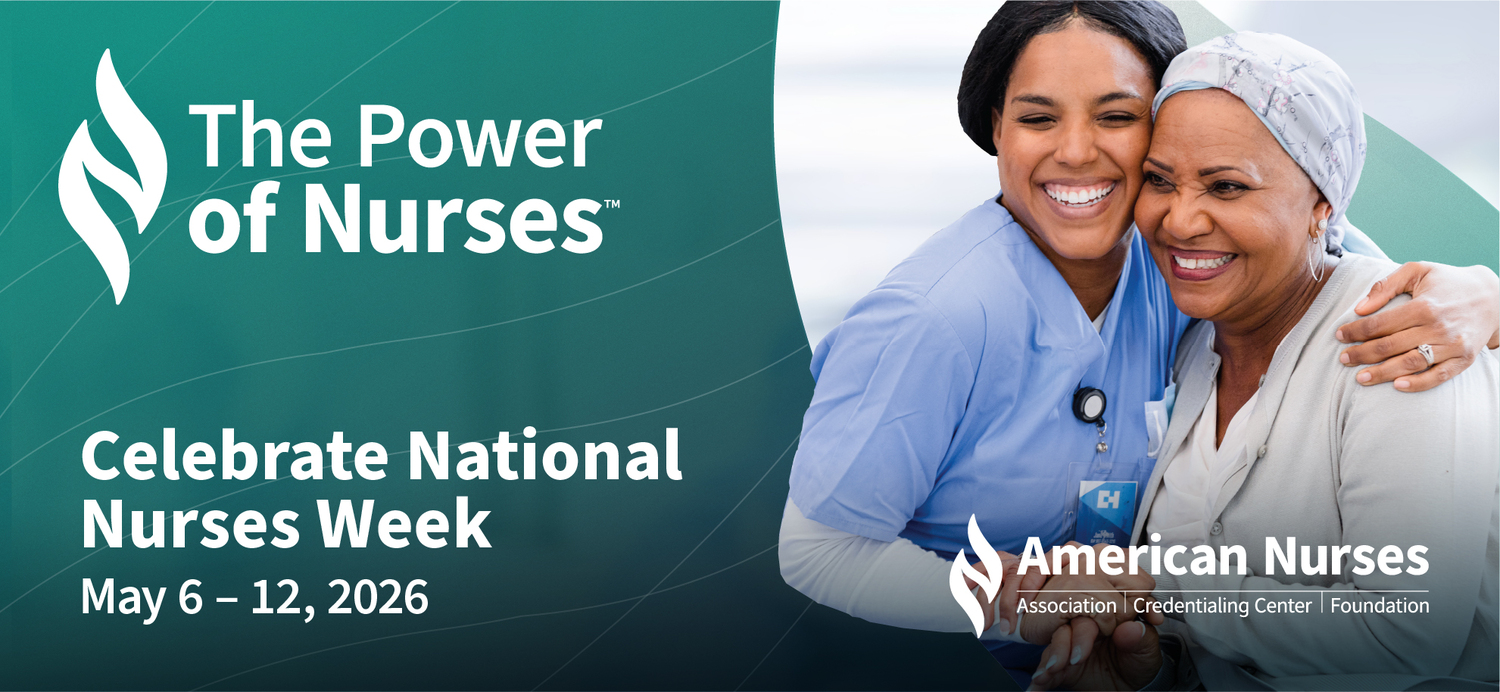
VNA’s Board Commissioner on Nursing Education Dr. Terri Gaffney Awarded the Foundations of Nursing Practice Award
Congratulations to VNA member and Board Commissioner on Nursing Education, Theresa Gaffney, PhD, MPA, RN, CNE, for receiving ANA’s Foundations of Nursing Practice Award! This award recognizes an individual registered nurse for outstanding accomplishments in nursing research, nursing education, or nursing practice.

VNF’s Inaugural Diversity, Equity & Inclusion Council Chair Dr. Vivienne McDaniel Honored with ANA’s Mary Mahoney Award
Congratulations to VNA member and VNF’s inaugural DEI Council Chair, Vivienne McDaniel, DNP, MSN, RN, FADLN, for receiving ANA’s Mary Mahoney Award. This award recognizes significant contributions, made by an individual registered nurse or a group of registered nurses, to integration within the nursing profession.

We want to hear from you!
Share your news with us so that we can share it in our next issue of Virginia Nurses Today! Simply fill out our submission form and be sure to include any quality photos in JPG or PNG format.


VNA's Hampton Roads Chapter Engages ODU Nursing Students

On February 16, VNA's Hampton Roads Chapter President Catherine Paler and Student Outreach Chair Sena Amegbletor had the pleasure of attending the Ellmer School of Nursing Role Transition and Job Fair at Old Dominion University in Virginia Beach.

They enjoyed speaking with more than 80 senior nursing students about the mission of the Virginia Nurses Association. The key benefits of membership, including professional networking, career development, local chapter involvement, and leadership opportunities were shared with participants. VNA chapter leaders also provided links to VNA's social media platforms, which offer educational resources to support students as they transition into professional practice.

VNA's Hampton Roads Chapter looks forward to seeing many ODU students at their upcoming free Spring Student Night Webinar!

Advertise in This Newsletter

Nursing associations are among the most trusted partners in healthcare. Align your brand with our association to support us, deliver your message alongside editorial level content, build brand awareness, & reach our highly engaged / established audience. 

For sponsorship rates and information within this official state nursing association publication, please contact Nursing Network at advertising@nursingnetwork.com 

We appreciate your support!

Get in touch
Terms and Conditions Cookie Policy Privacy Policy Contact Us