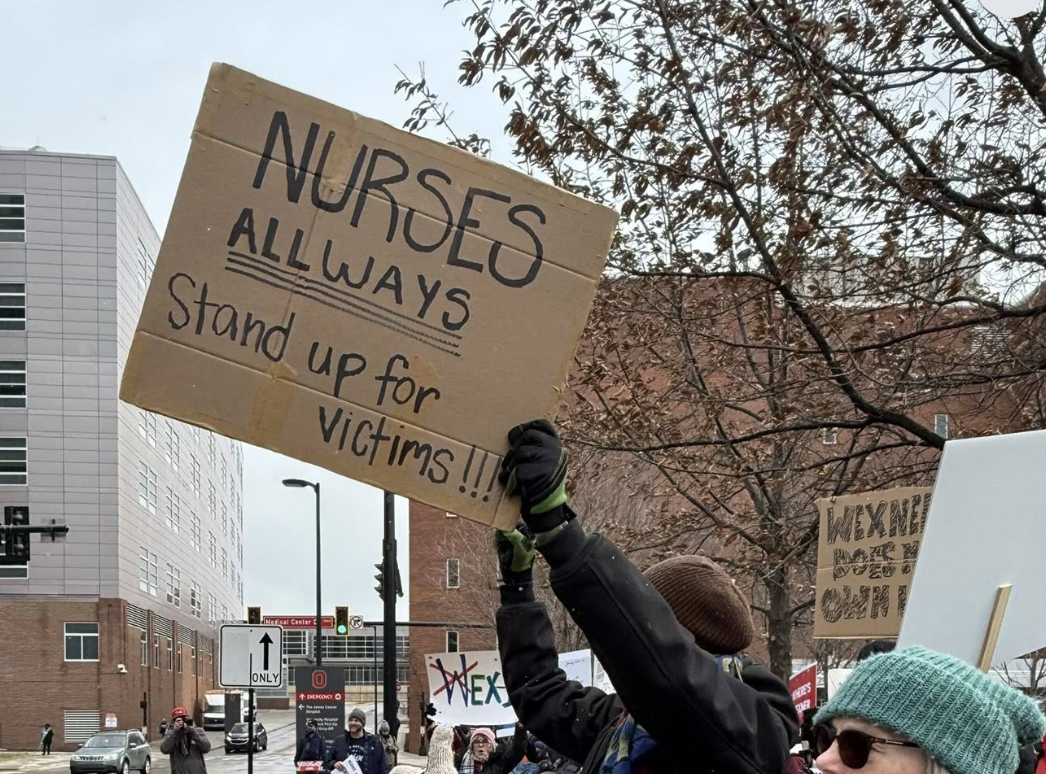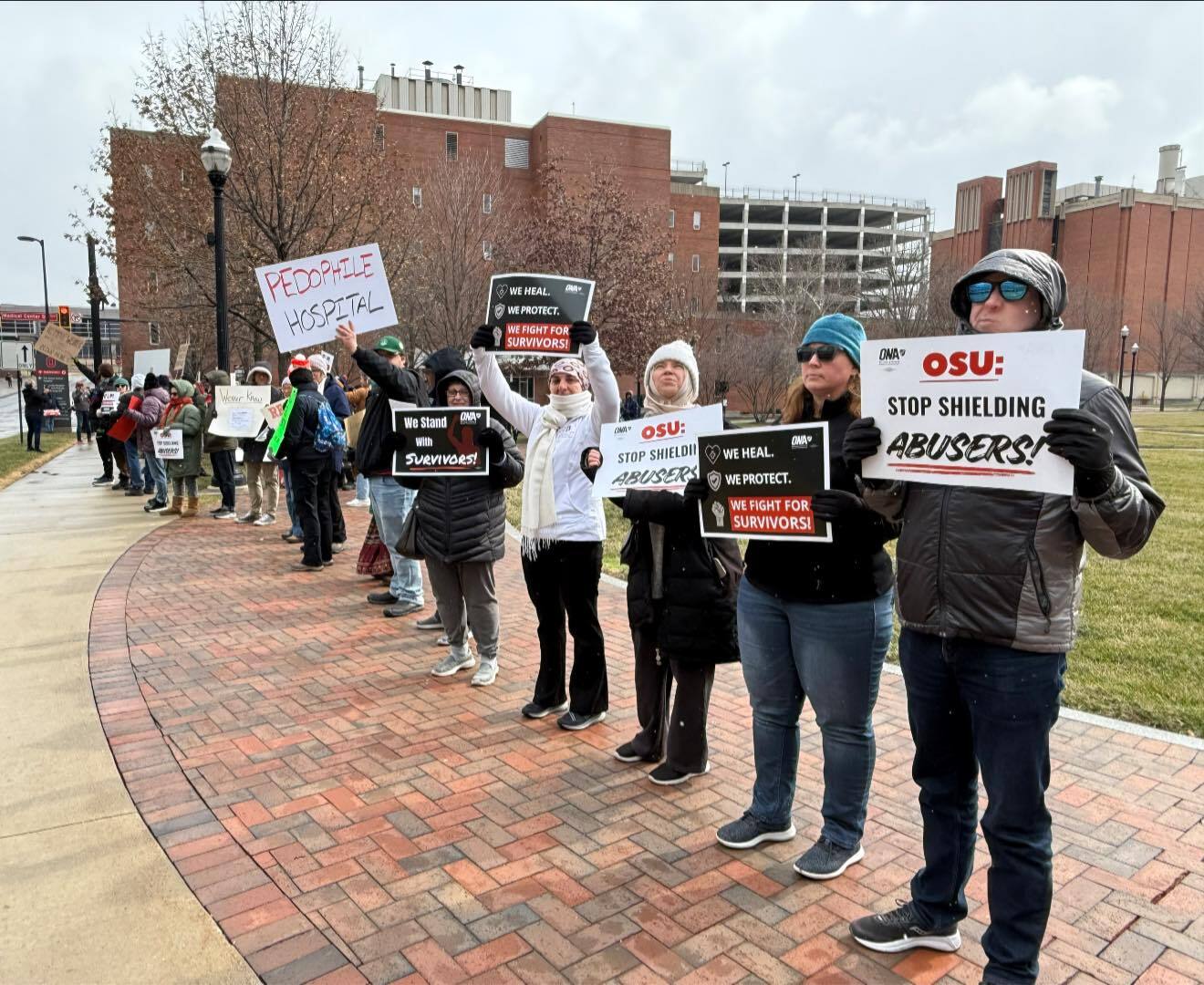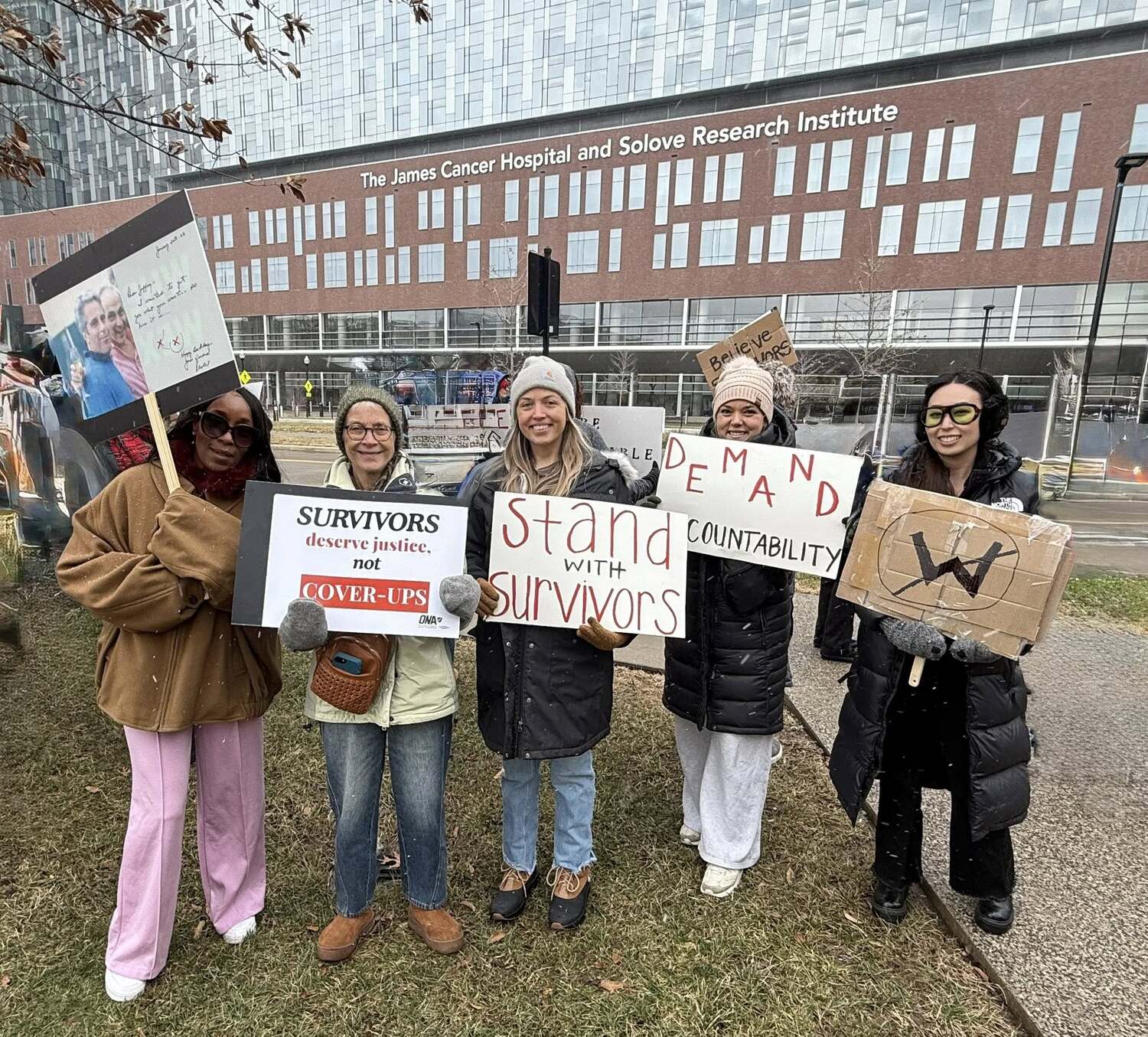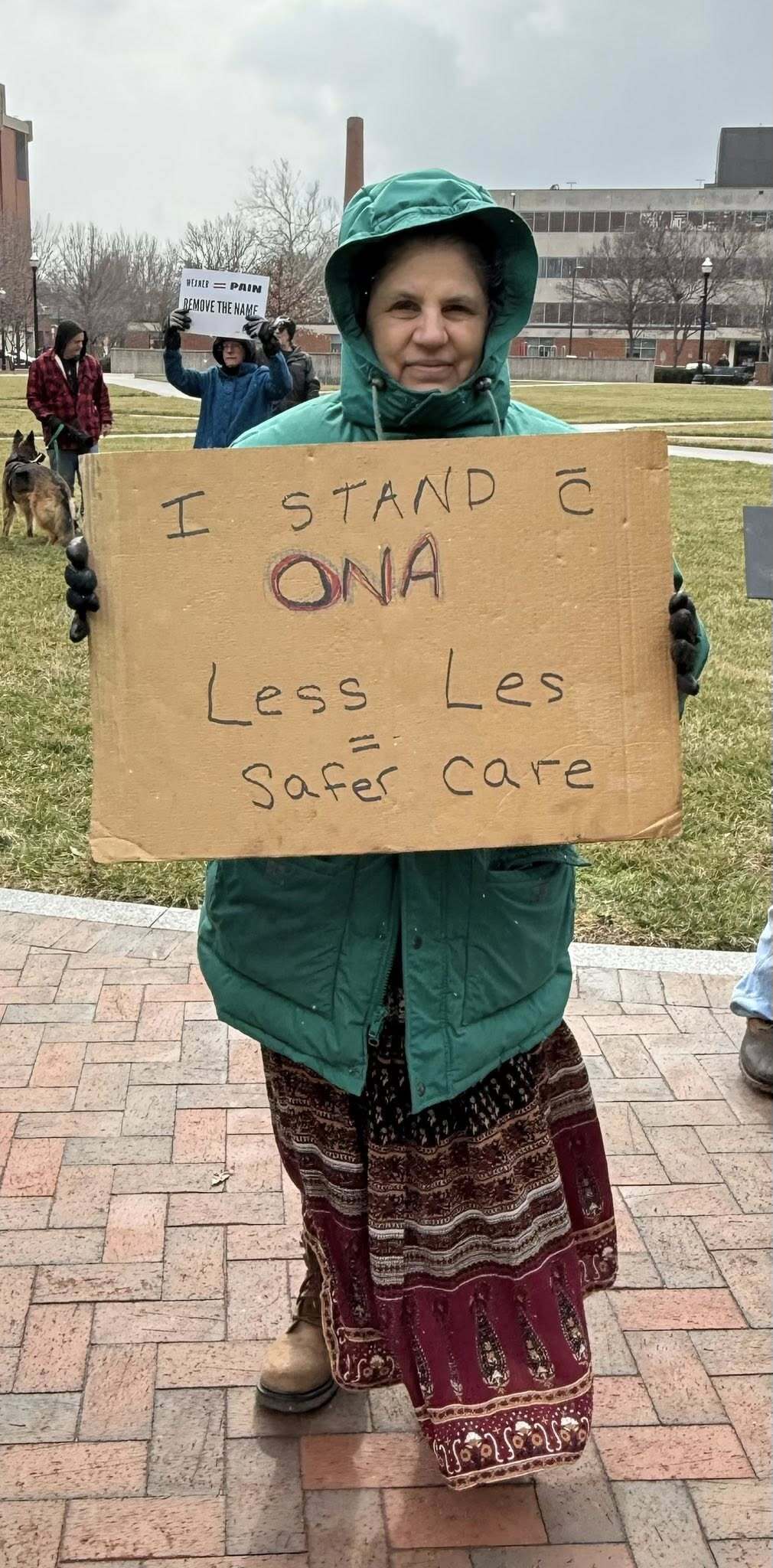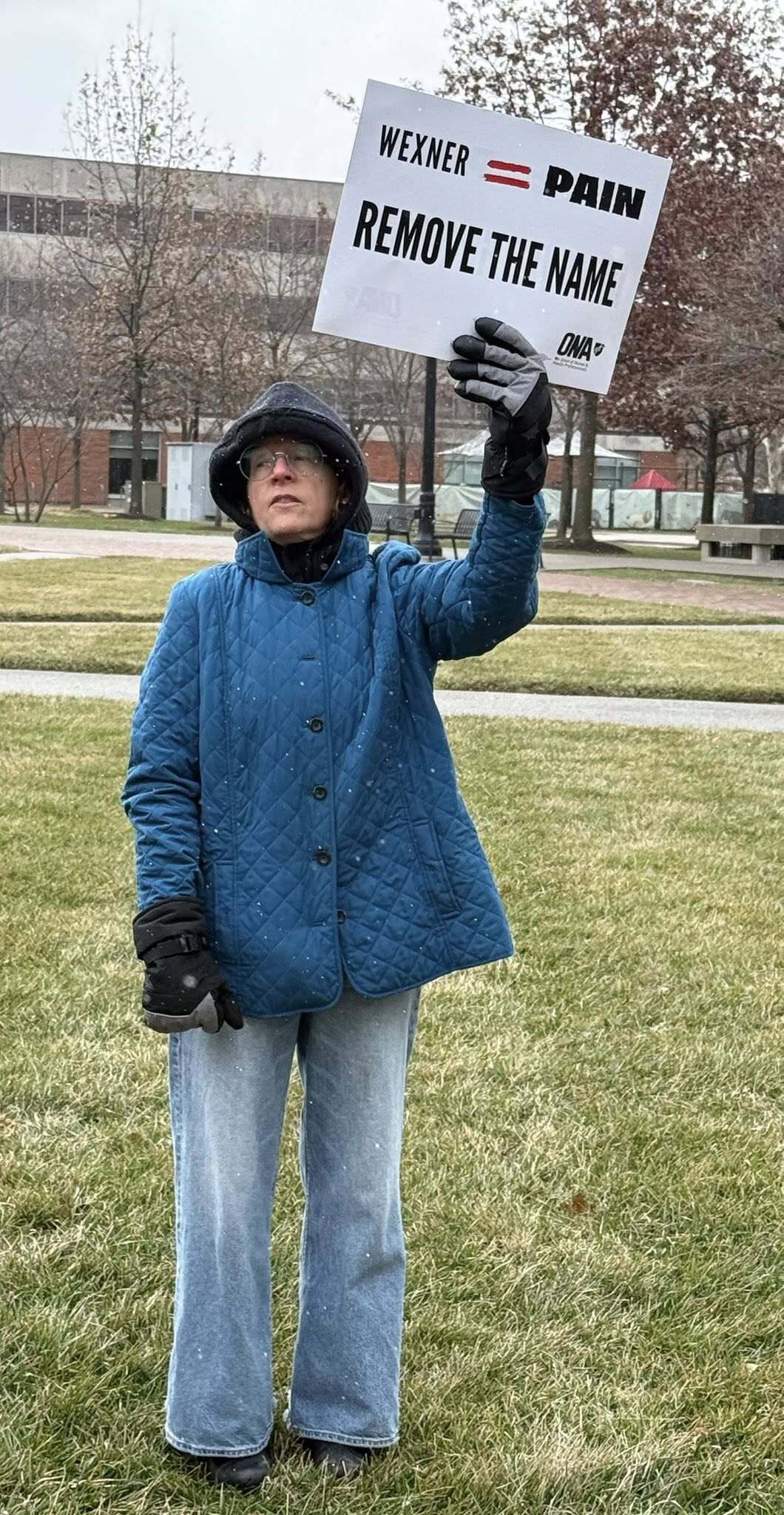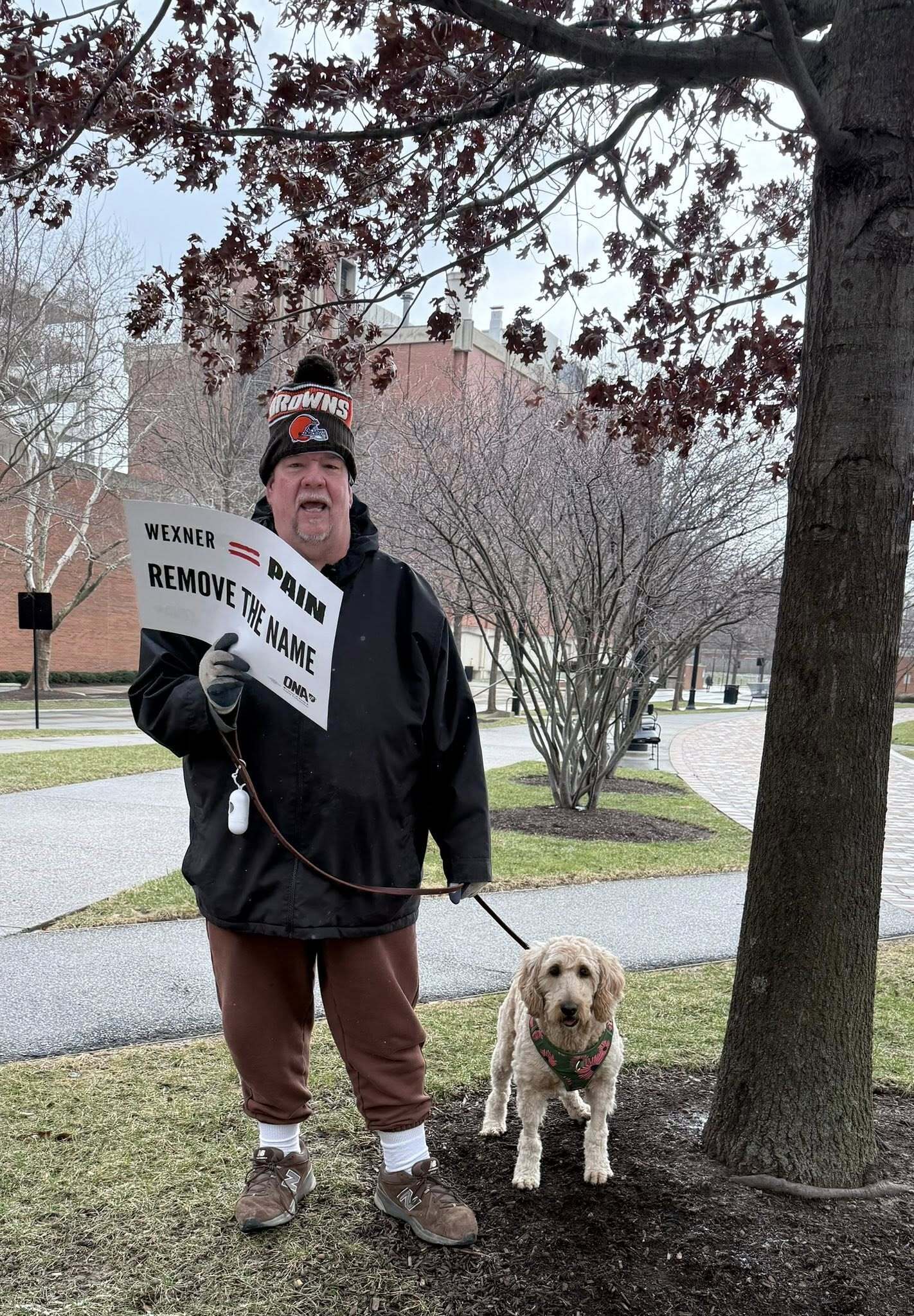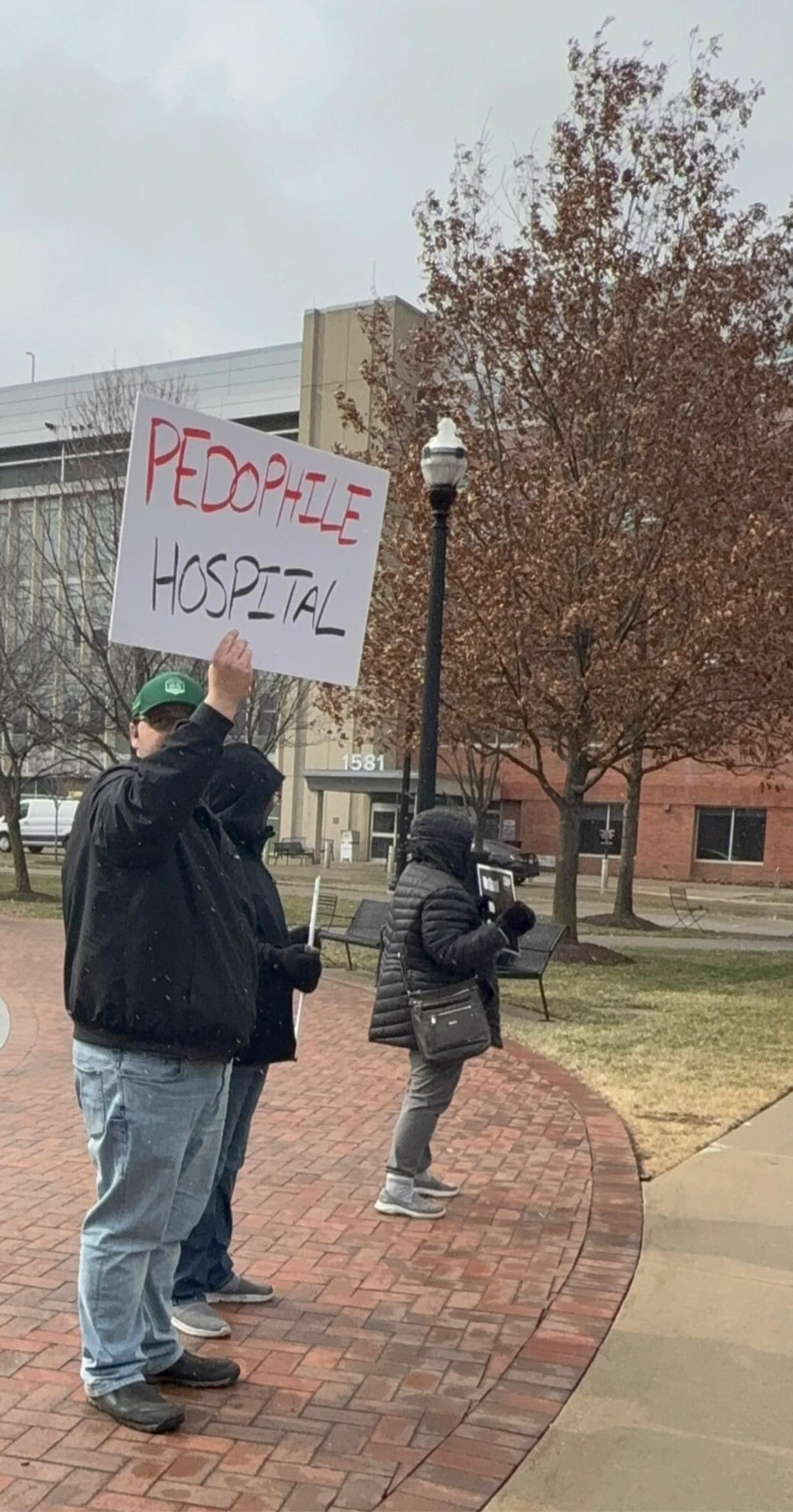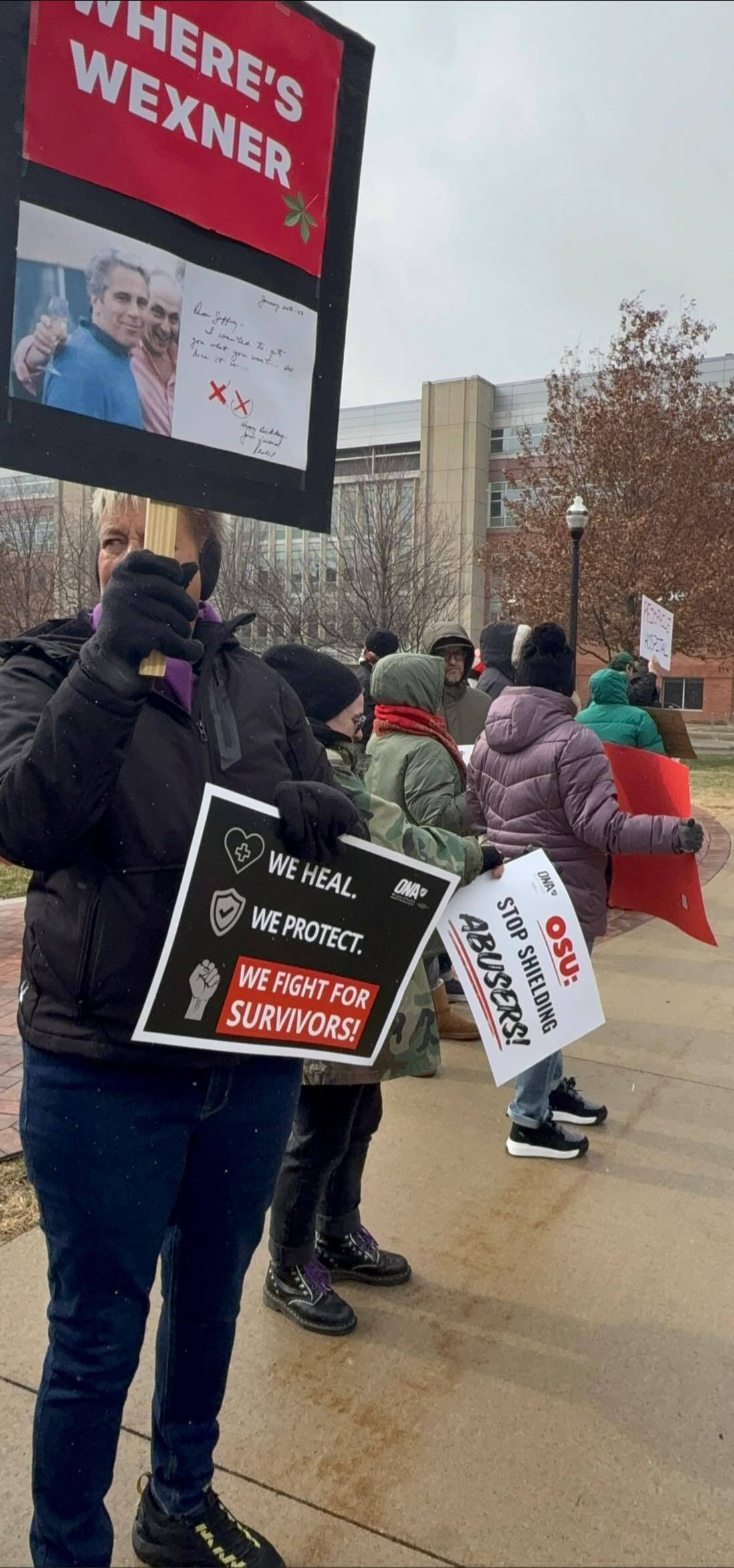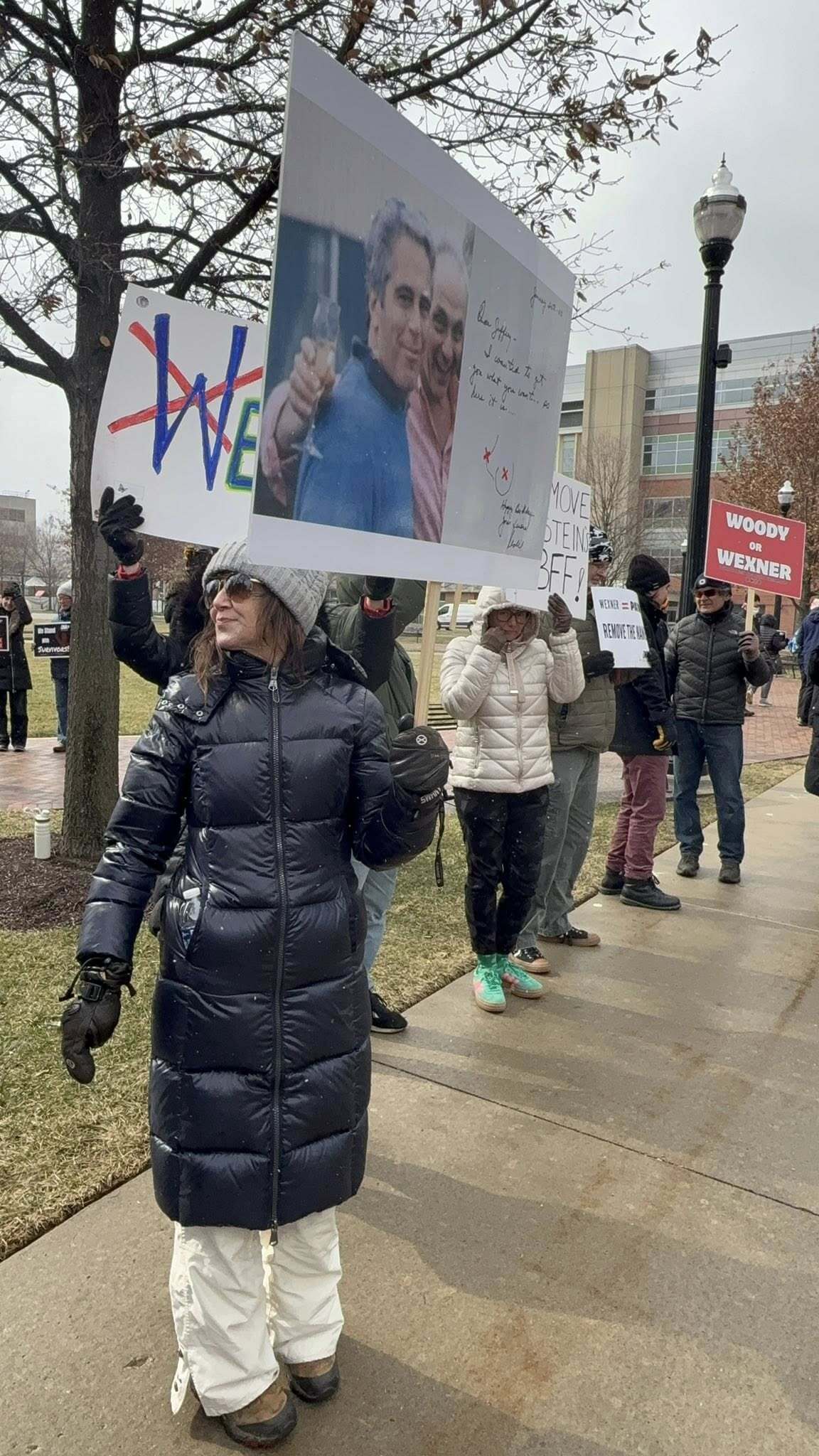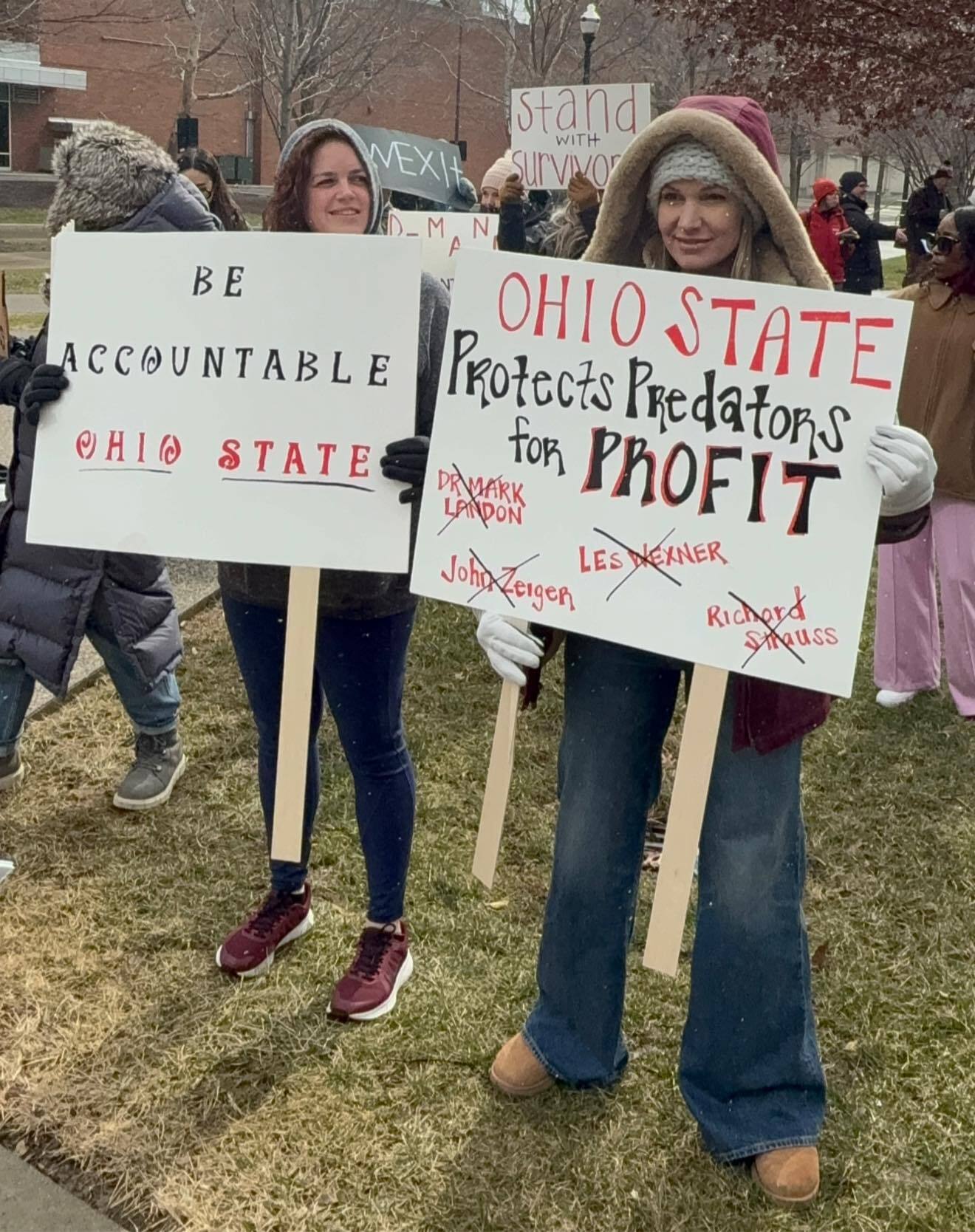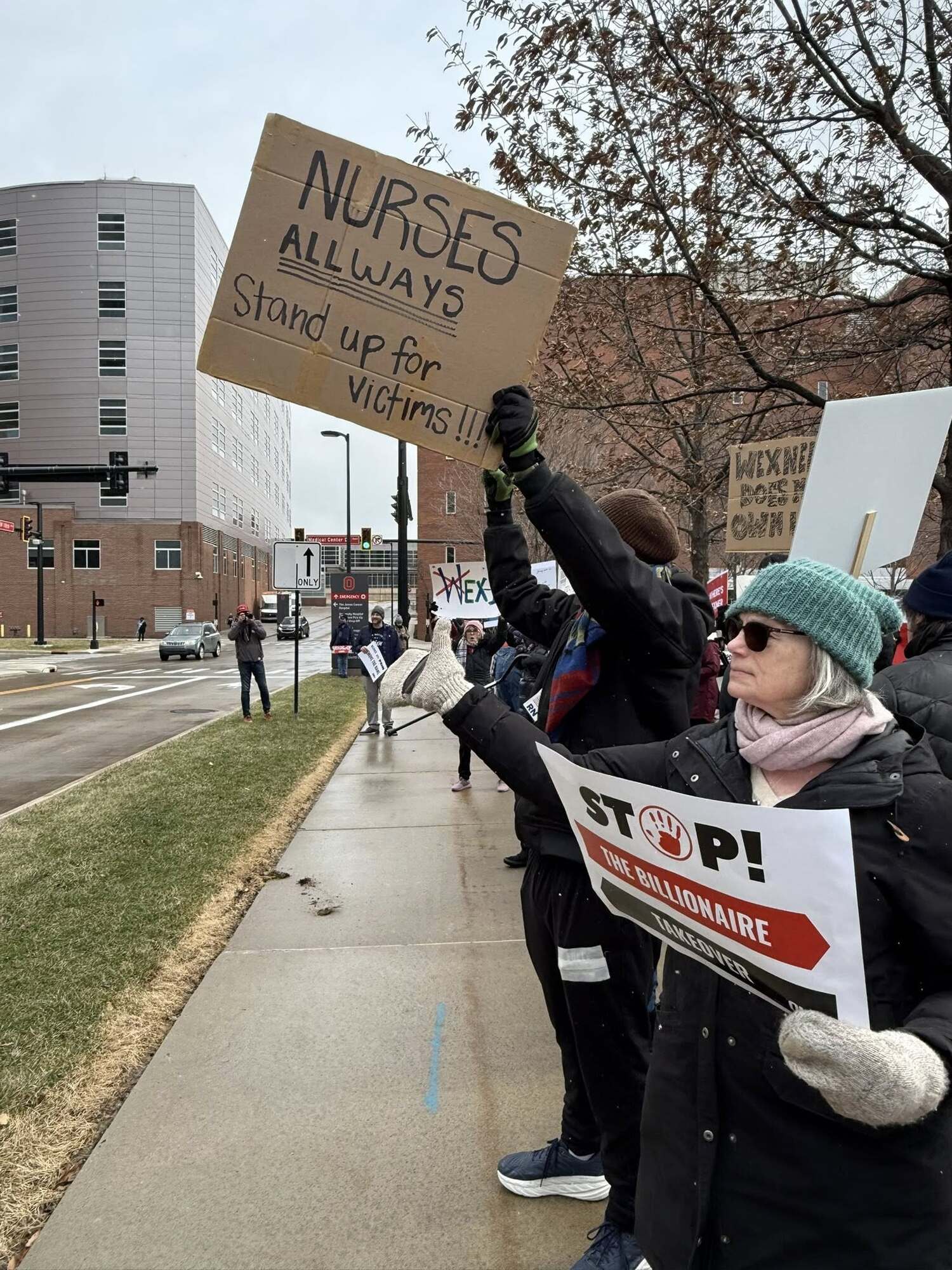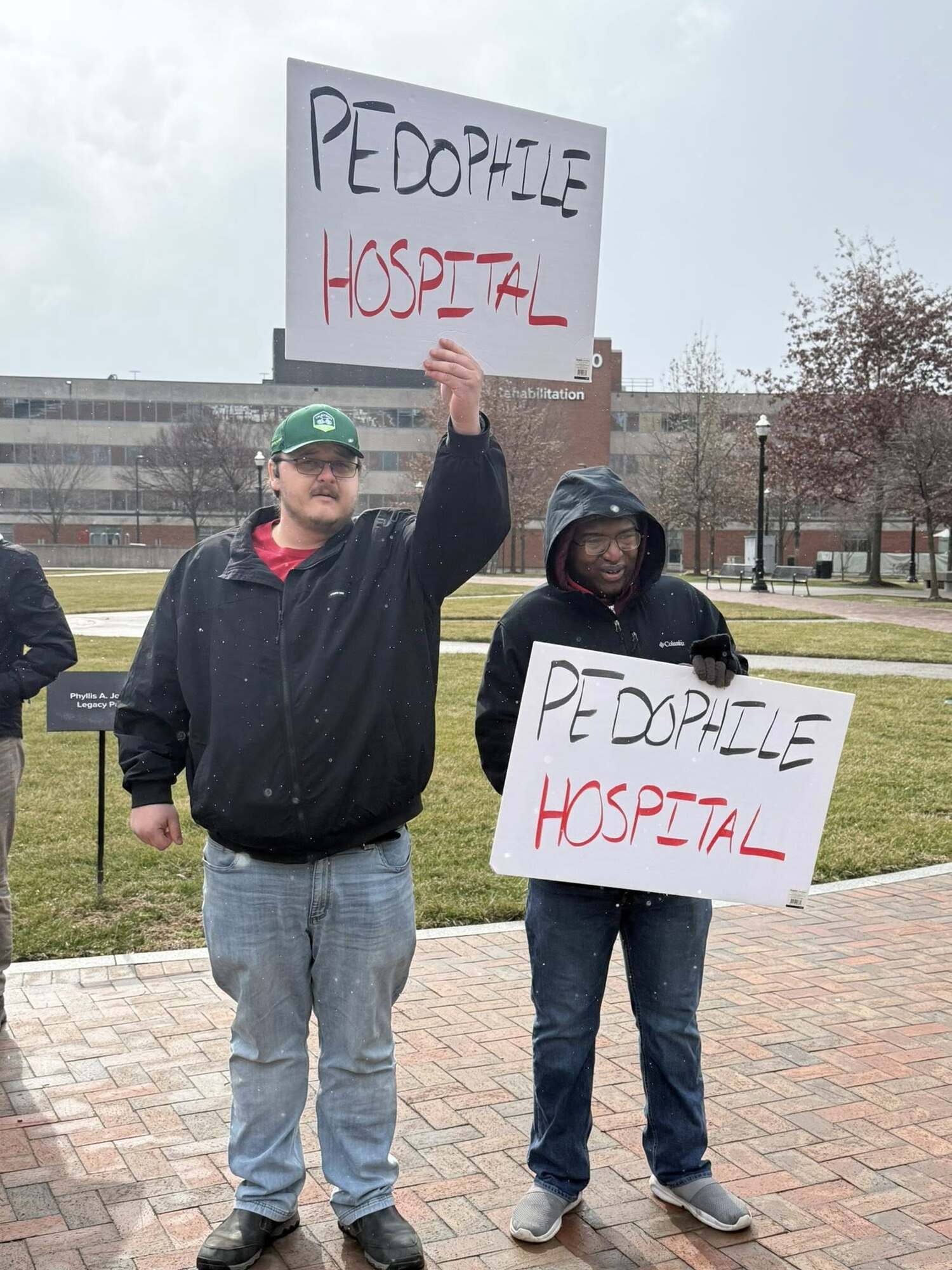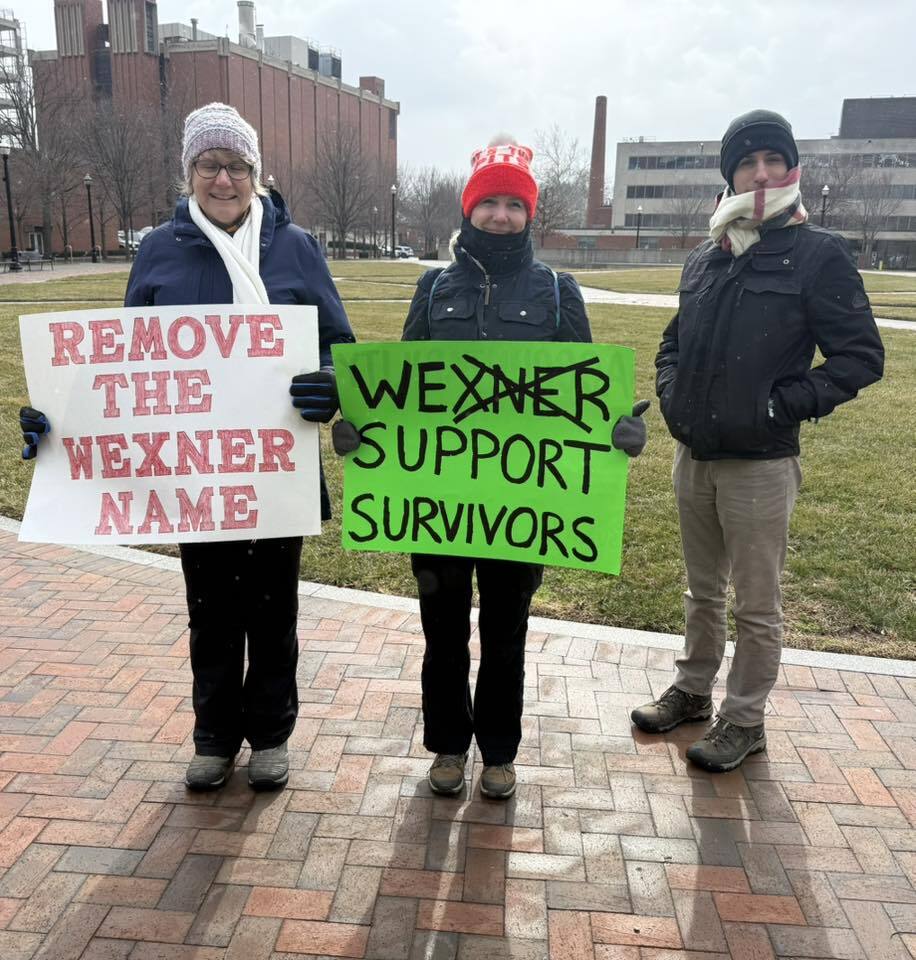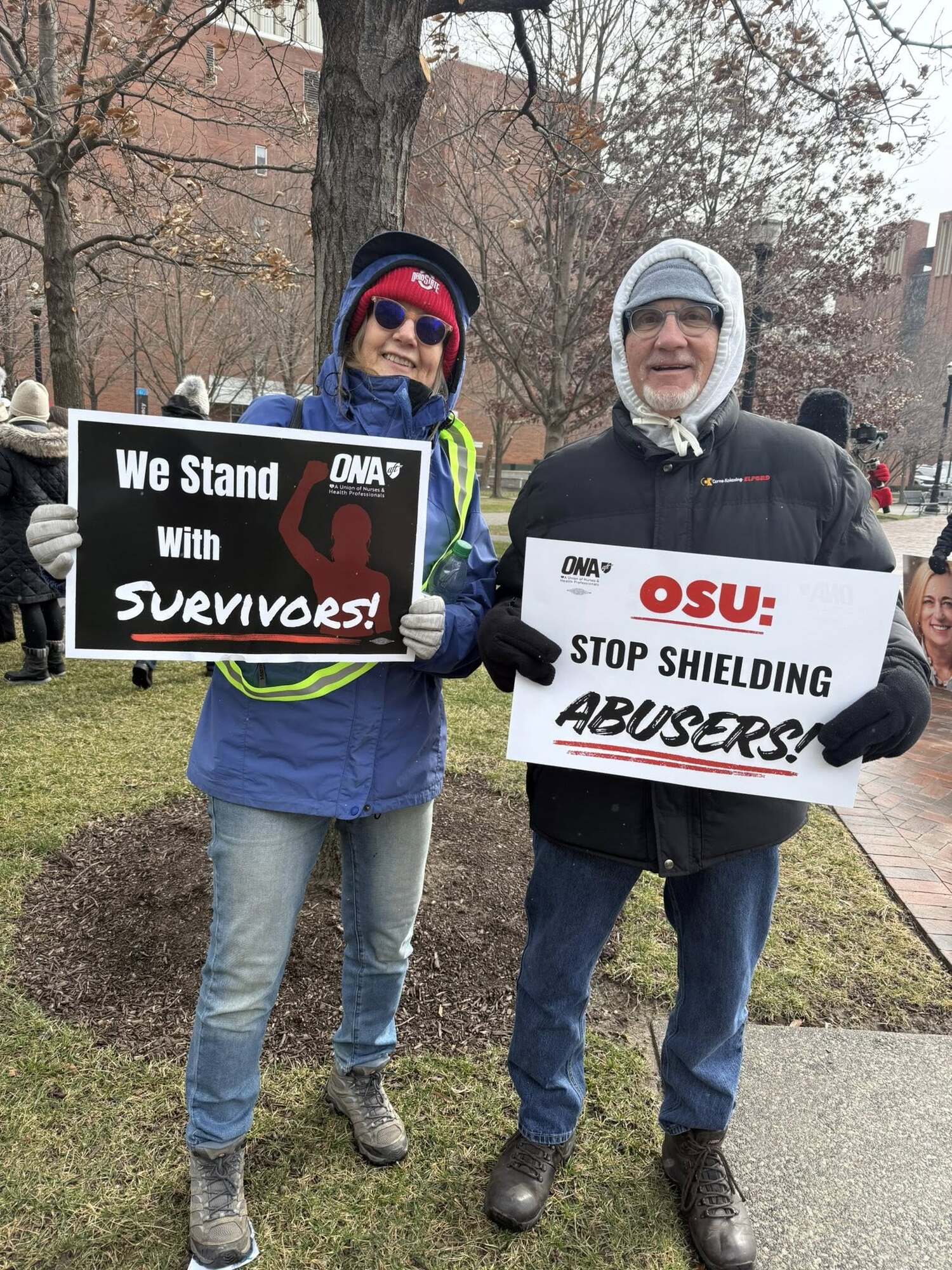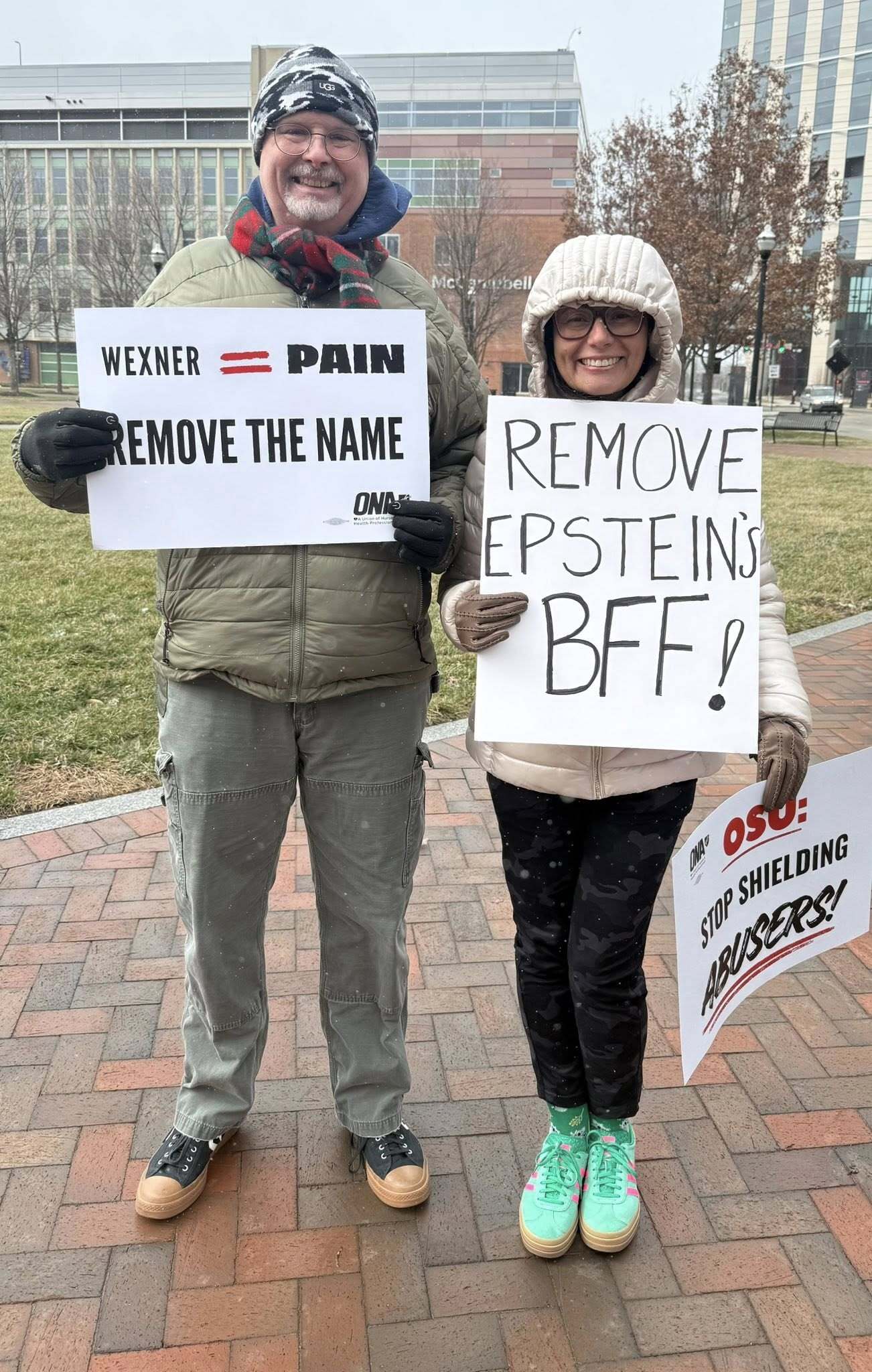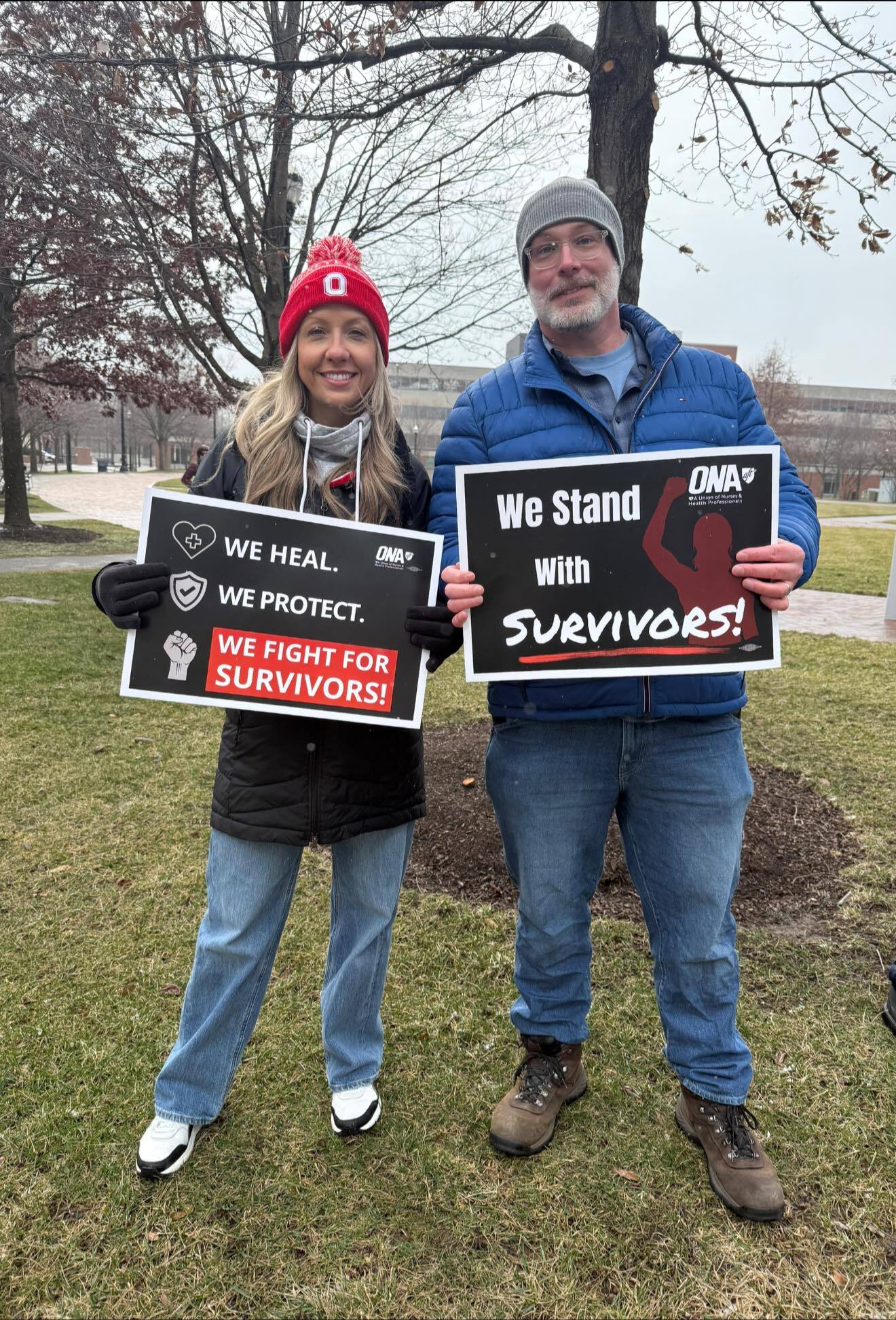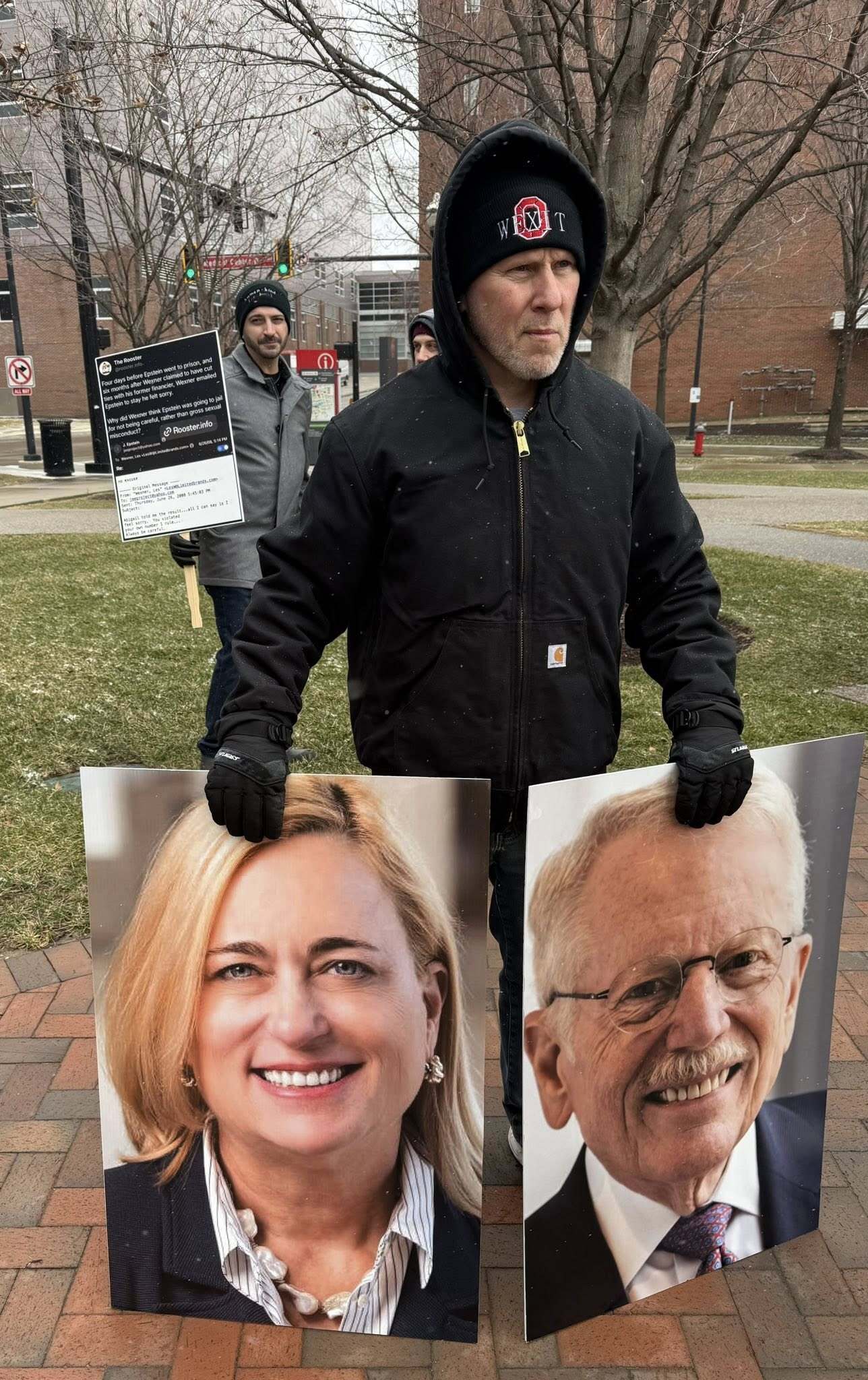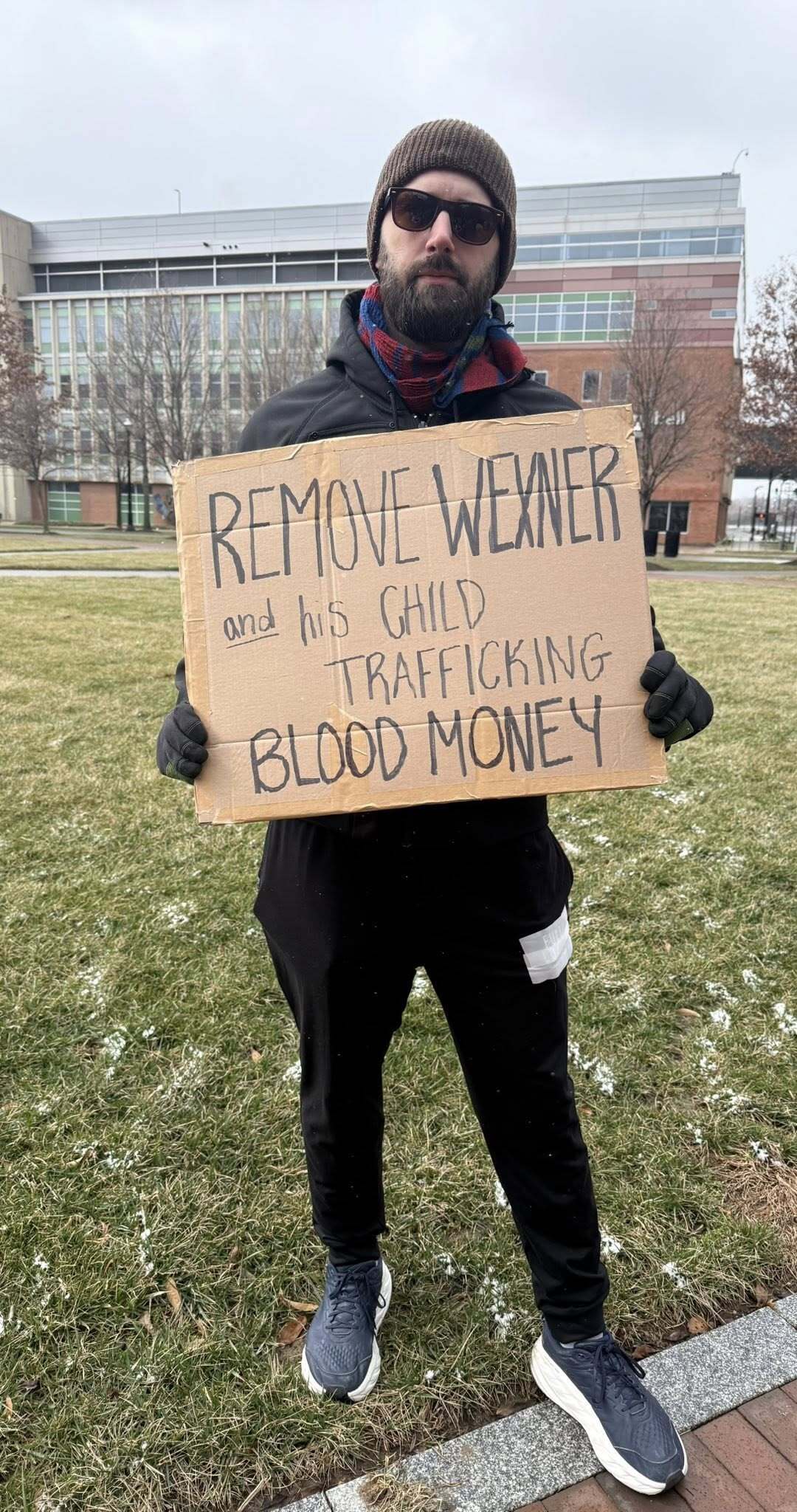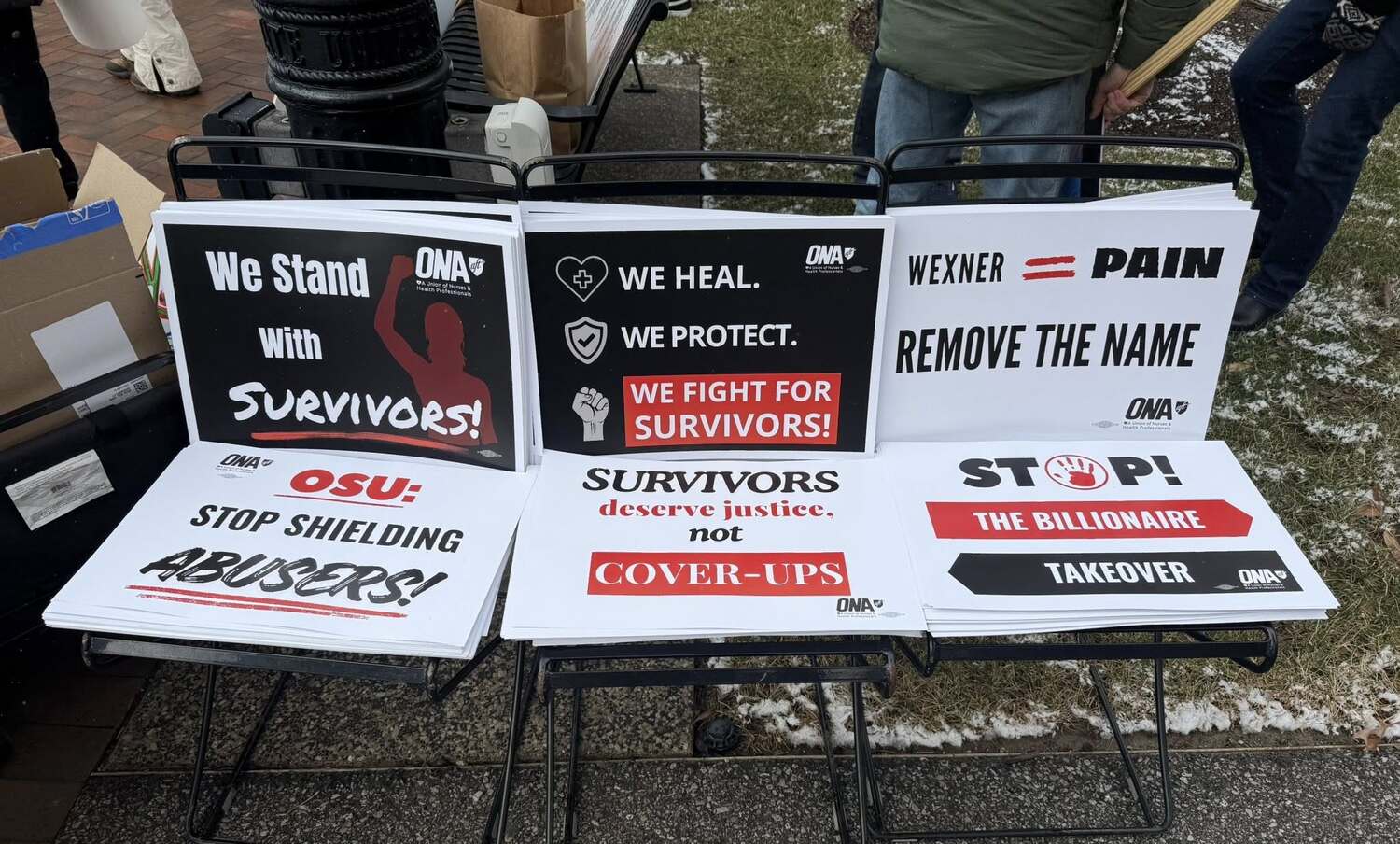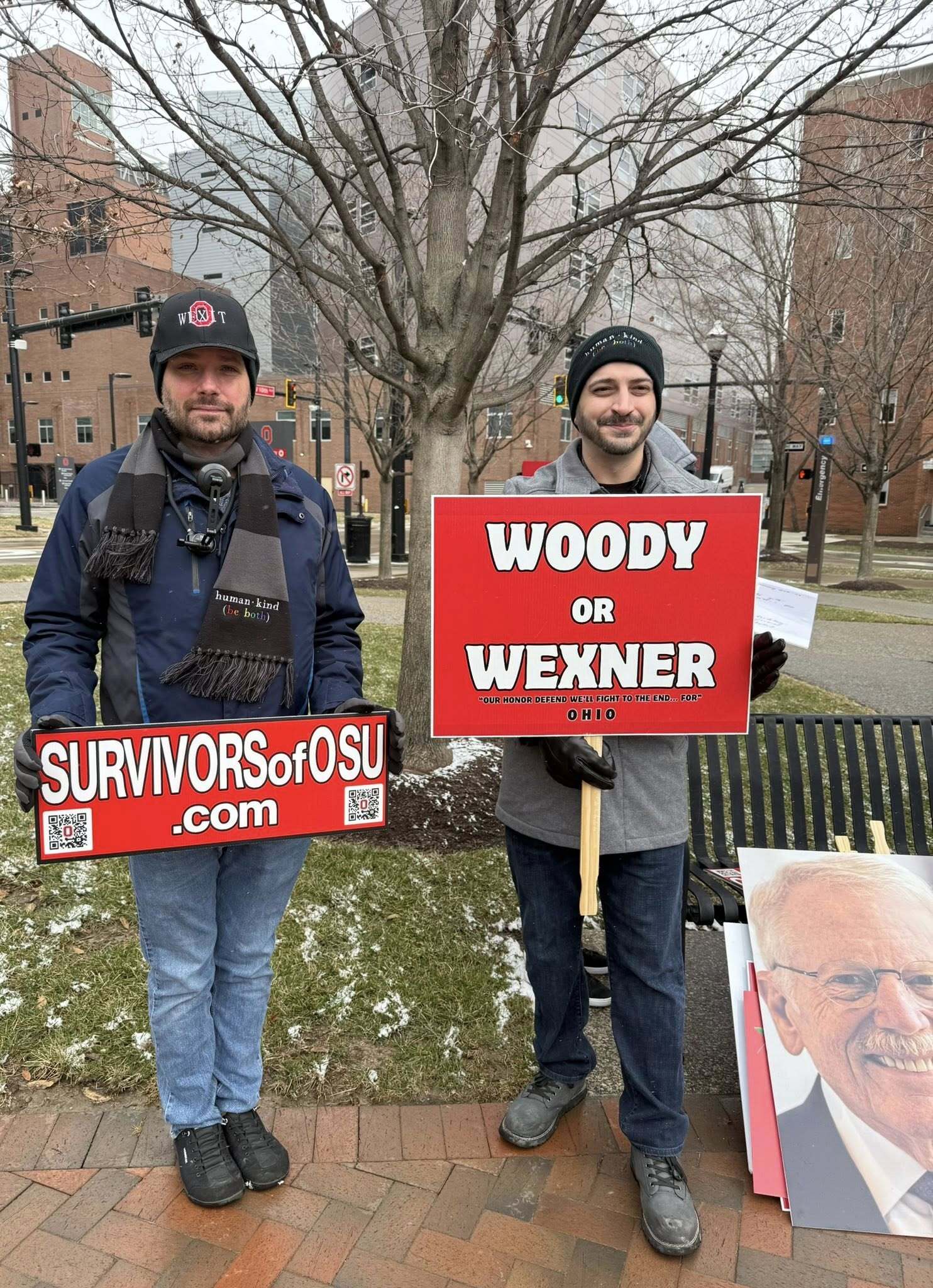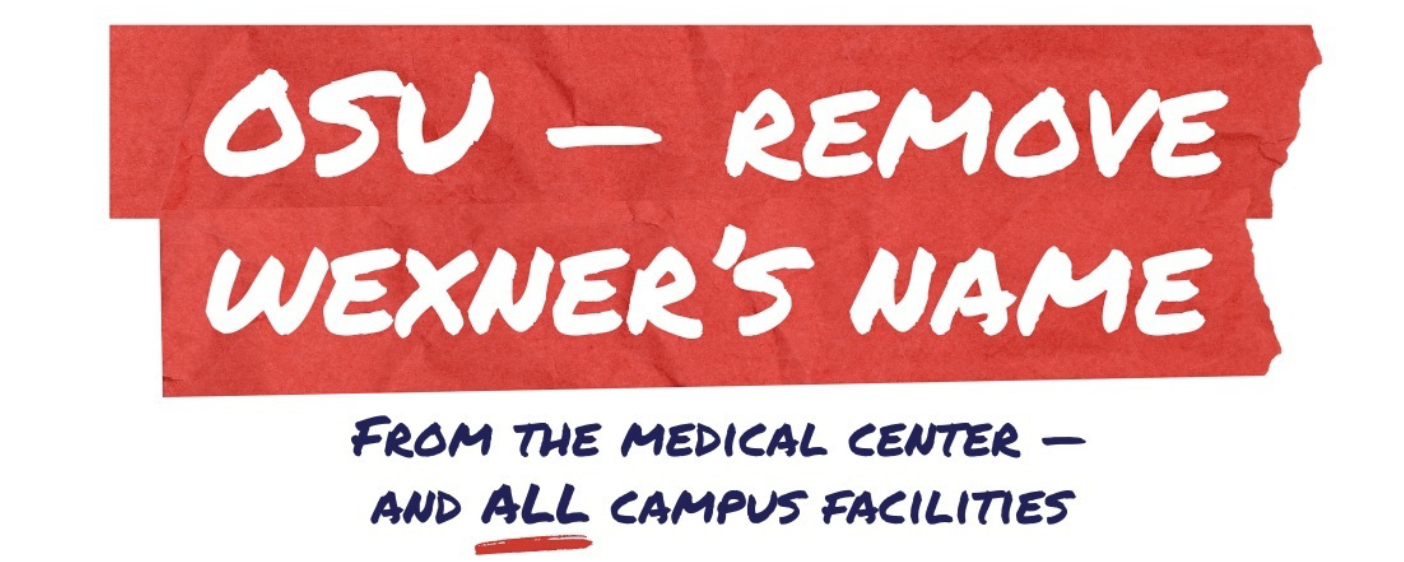
We’ve called on Ohio State to remove the Wexner name from all campus facilities — including the new University Hospital. The full statement is below:
February 17, 2026
Dr. Warner, President Carter, and Members of the Board of Trustees:
As nurses and health professionals — and as mandated reporters — we are trained to recognize abuse and to act. We are legally and ethically obligated to protect children and vulnerable people when harm is suspected. That obligation does not disappear when reporting the abuse is uncomfortable, politically inconvenient, or tied to powerful names.
It compels us to demand the removal of the Wexner name from The Ohio State University Wexner Medical Center and all campus facilities.
Jeffrey Epstein trafficked and sexually abused underage girls. Not “young women.” Not “participants.” Children. Girls who were groomed, exploited, assaulted, and discarded by adults with wealth, status, and influence. Many were recruited as teenagers. Many were manipulated into believing abuse was opportunity. The psychological, physical, and emotional damage of that exploitation does not fade with headlines. Survivors carry it for a lifetime — in their health, their relationships, and their sense of safety in the world.
Publicly available records document Leslie Wexner’s relationship with Epstein and raise serious concerns that cannot be brushed aside as historical footnotes. When an institution dedicated to healing carries the name of someone so closely associated with a man who systematically preyed on children, survivors see that name every day. For many, it is not neutral. It is retraumatizing. His name has been publicly referenced in connection with investigations surrounding Epstein’s network.
And The Ohio State University does not have the luxury of pretending it has not been here before.
Richard Strauss abused student-athletes and other young male students for years while employed by the university. Many of those survivors were barely out of adolescence. They were young men placed in positions of vulnerability within athletic and medical settings, they were told to trust. Survivors have described how warnings were ignored or minimized. The institutional failure to intervene allowed abuse to continue. That was not simply an administrative failure — it was a profound betrayal of young people placed in the university’s care.
The university’s own commissioned investigation detailed breakdowns in leadership, oversight, and response during that era. Gordon Gee was part of the university’s leadership structure during the period examined in that report. Seeing him now publicly defend Leslie Wexner while survivors — including the young men abused under Strauss — continue to seek accountability sends a chilling message about whether meaningful change has occurred.
When institutions respond to credible concerns by defending legacy rather than centering survivors, it mirrors the same patterns that allowed abuse to flourish in the past. Covering up, minimizing, delaying — these choices compound harm. They retraumatize survivors. They reinforce the belief that power protects itself.
If there is no affirmative commitment to remove the Wexner name, we will hold an informational picket on February 22 at noon (see event recap in this newsletter) at Phyllis A. Jones Legacy Park to stand visibly and unapologetically with survivors — during the opening of the new University Hospital, a moment that should represent healing but remains overshadowed by the controversy and pain attached to the Wexner name.
The removal of Leslie Wexner’s name from athletic facilities — including the football practice facility inside the Woody Hayes Athletic Center — is not symbolic. It is about acknowledging the young male athletes abused by Strauss. It is about recognizing that sports spaces were part of where institutional failure occurred. It is about sending a clear message that the university will no longer allow powerful names to overshadow the pain of those young men.
Additionally, the university must address the naming of the Labor and Delivery waiting area in light of reports that Dr. Mark Landon received payments from Epstein. Regardless of the stated nature of those payments — and while investigations proceed — the optics and impact matter. Survivors matter more than prestige. Children who were harmed matter more than donor relationships.
This is about young girls who were preyed upon by powerful adults.
This is about young men who were betrayed.
This is about lifelong trauma.
And this is about whether a public institution of higher education and healthcare has truly learned that protecting reputation at the expense of the vulnerable is indefensible. What side are you on?
We see survivors. We treat survivors. We understand the depth of harm abuse inflicts on children — and the decades it can take to heal.
Do you?
Ohio State must remove the Wexner name and demonstrate — not with words, but with action — that it stands with survivors and not with the systems that failed them.
Sincerely,
Rick Lucas BSN, RN, CCRN
ONA President & Executive Director
*Sent on behalf of the leaders of OSUNO, OSUTNO, OSRTO, OSTA, OSCST, OSUES, OSUBMTCNO and the Anesthesia Techs