

Montana Nurses News & Updates
Table of Contents
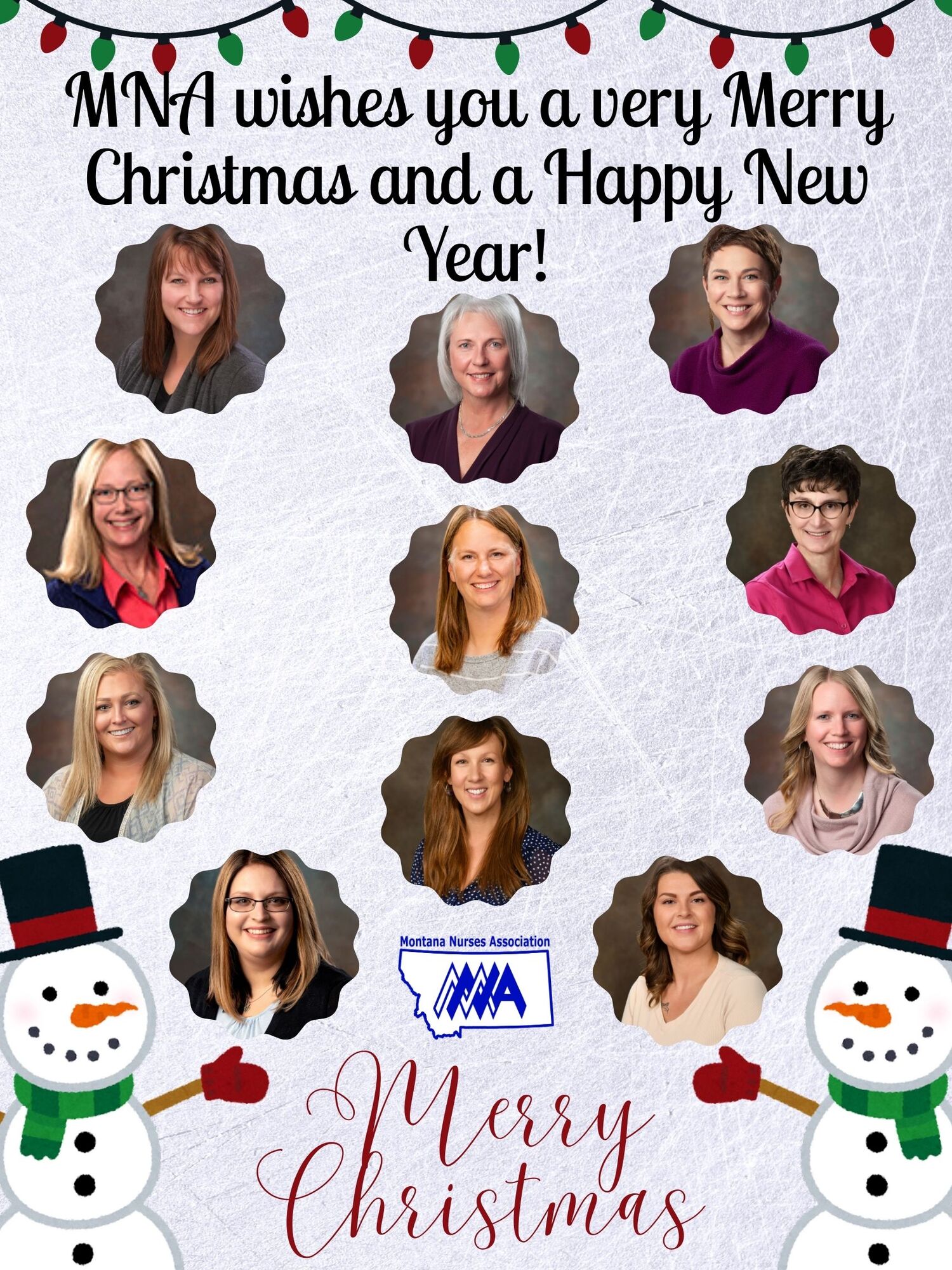
Happy Holidays Warm Wishes From MNA
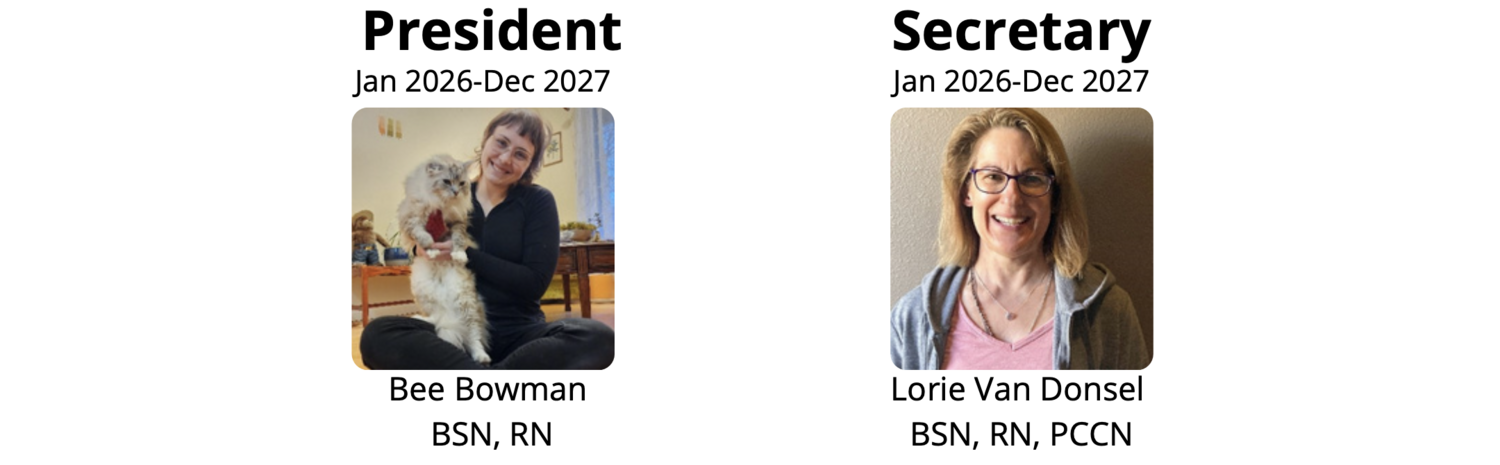
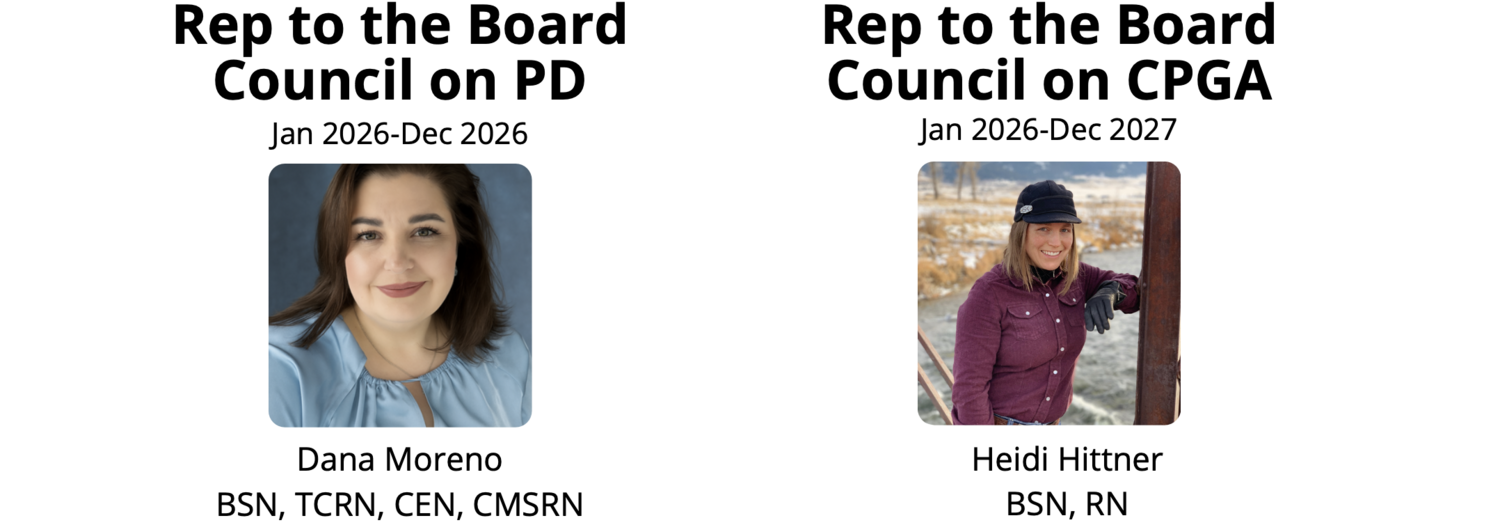
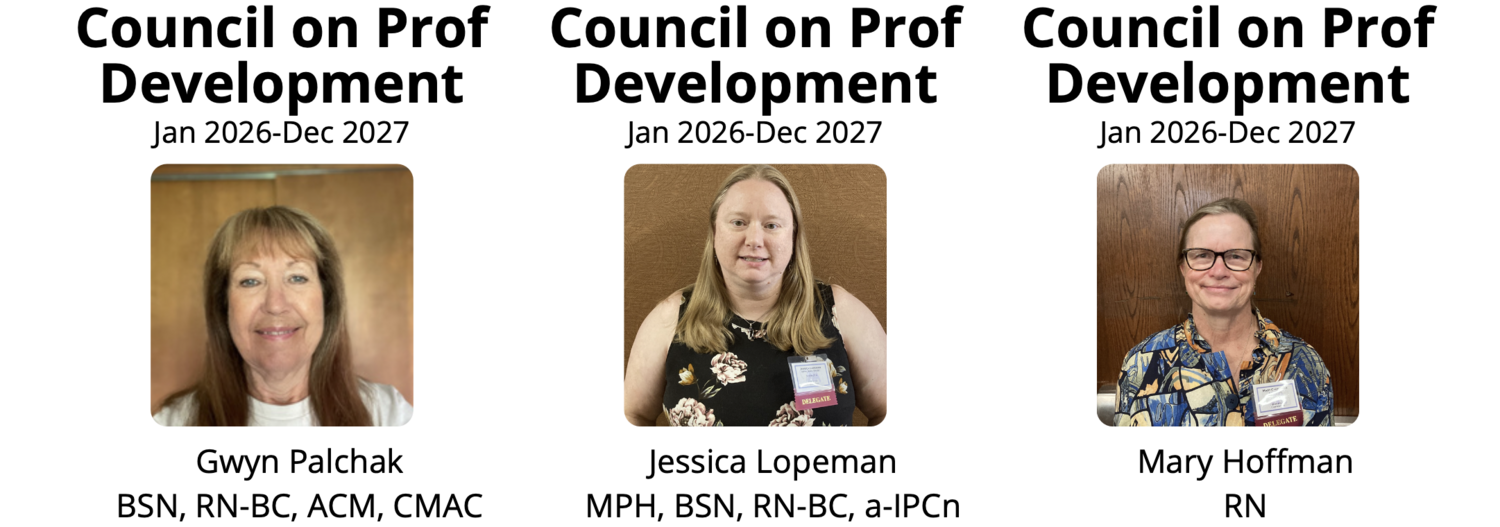
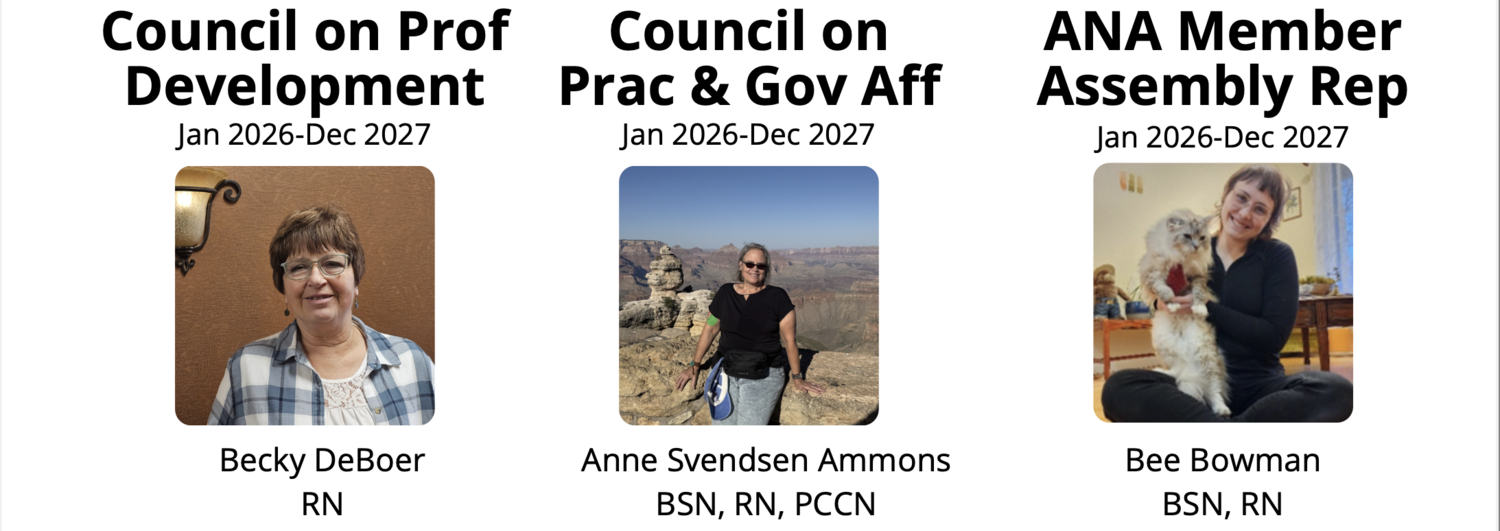
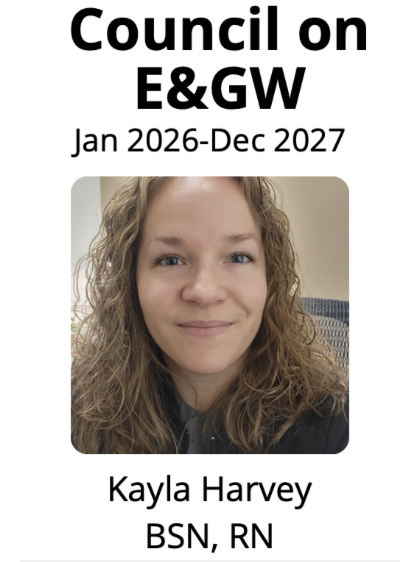
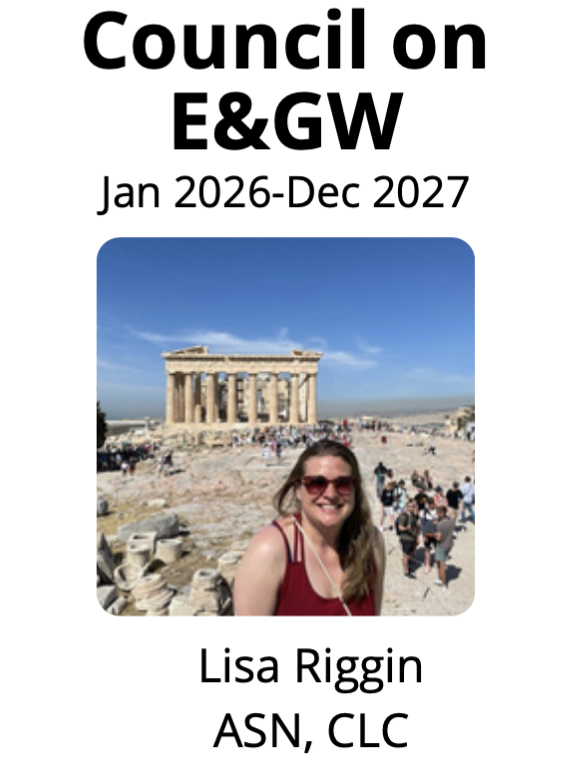
From the Association CEO Address to the MNA House of Delegates 2025 Montana Nurses Association 2026 Elected Leaders Resolution #1 - Upholding Scientific Integrity and Evidence-Based Nursing in Public Health Policy Resolution #2 - Protecting Children’s Health: Upholding Immunization Standards and Countering Preventable Threats Resolution #3 - Protecting Nursing Practice, Patient Care, and Job Security in the Era of Artificial Intelligence (AI) Through Collective Bargaining Resolution #4 - Implement a Dues Increase to Sustain and Advance MNA Programs and Staff Support
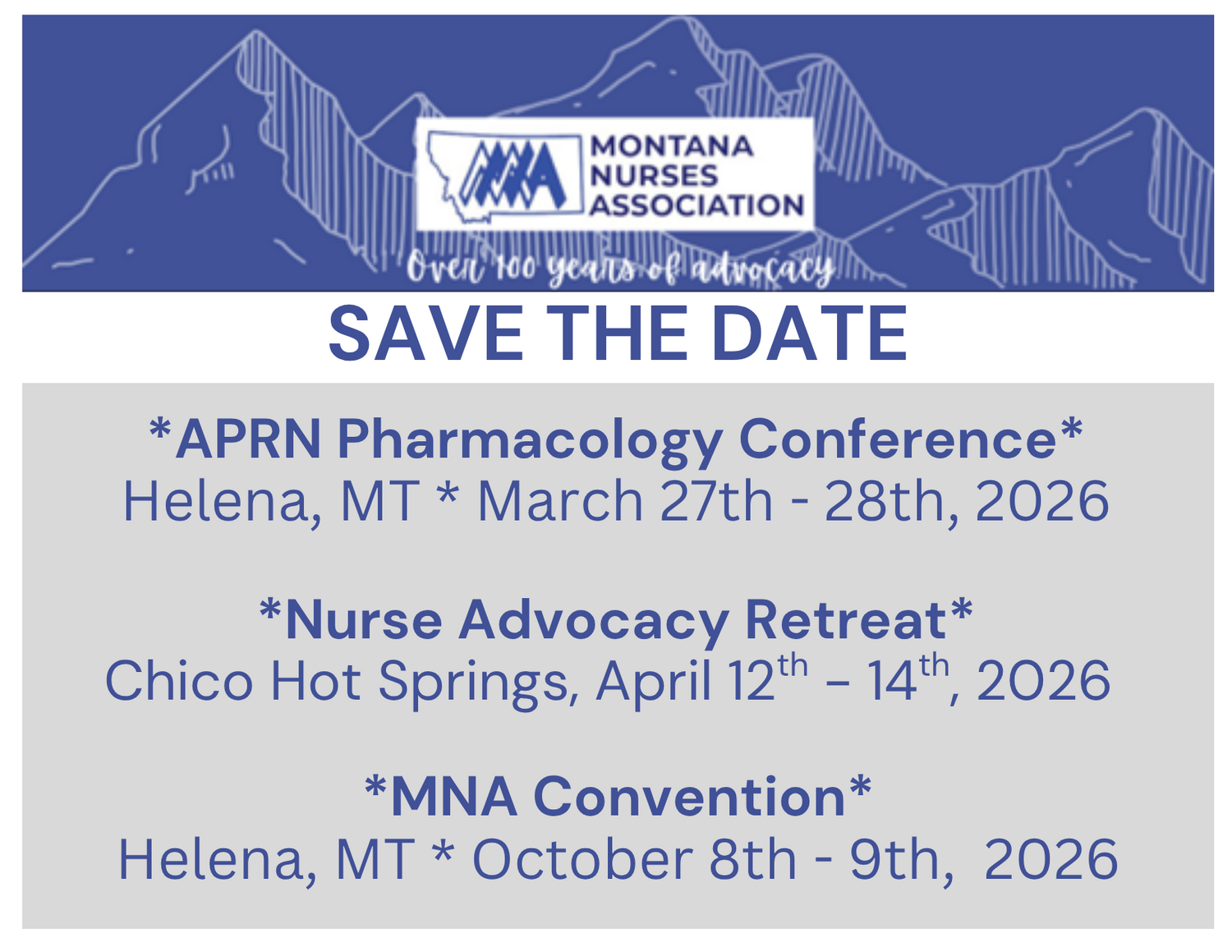
Events Save the Date
Advocacy Montana Nurses Association Government Relations Platform 2025-2026 ANA Press Release: Department of Education’s Loan Proposal Puts Nursing Workforce and Patient Care at Risk
Continuing Education Understanding End-of-Life Options in Montana Big Sky Pulmonary Conference
Membership Lock in low 2024 rates now
December 2025

Mission Statement

The Montana Nurses Association promotes professional nursing practice, standards and education; represents professional nurses; and provides nursing leadership in promoting high quality health care.

Happy Holidays
Start the new year with a rewarding nursing opportunity in Montana!
Bring your skills and compassion to CoreCivic’s Crossroads Correctional Center in Shelby. Enjoy top pay and professional growth while making a real impact on lives every day. Start your next chapter now!
Learn more
From the Association
CEO Address to the MNA House of Delegates 2025
Defending Our Profession, Together
Vicky Byrd, MSN, RN - MNA CEO

Dear Colleagues,

As a nurse of 37 years, all of them right here in Montana, and as the CEO of the Montana Nurses Association, I speak to you not only as a leader, but as a fellow nurse who has walked the same hospital halls, felt the same exhaustion, and carried the same deep commitment to our patients and our profession.

Nursing is more than a career. It is a covenant of trust, built on compassion, competence, and courage. It is the calling to comfort the dying, to advocate for the voiceless, and to speak truth to power when patient safety or public health are at risk. This is our sacred trust.

We don't just do tasks, we hold hands as we fight for safety and quality, we speak up when others can't. That's what makes nurses and our profession powerful.

Today, that covenant is being tested, not by pathogens or pandemics, but by misinformation, distortion, and political division.

This isn't about a virus. It's about division. About misinformation. About people trying to tell us what nursing is, when they've never walked in our shoes.

"Let me be clear: nursing and healthcare are political --- not because we choose them to be, but because the policies, regulations, and legislation made in Helena and Washington shape the work of every nurse in Montana. Whether you're a bedside nurse, a nurse educator, a nurse leader, a school nurse, or an advanced practice nurse, your practice is impacted. From staffing ratios to rural hospital funding, from reproductive healthcare access to pay parity for advanced practice nurses, from workplace violence to corporate takeovers of our facilities, from education to mental health services, politics define the conditions in which we care for others.

This isn't about choosing sides. It's about recognizing that policy shapes our practice. And we can't afford to ignore that.

While healthcare is political, our advocacy is not; we remain nonpartisan. We will work with anyone who wants to work with us. Democrat, Republican, Independent, it doesn't matter, and we have. Our legislative wins over the past decade are proof of that. What matters is protecting nurses and patients.

The Montana Nurses Association stands firm in its mission to elevate the voice of nurses, protect our profession, and promote the health of every Montanan.

We are guided by the ANA Code of Ethics, which calls on nurses to "advocate for health, safety, and the rights of the patient," and to "advance the profession through research, policy, and social reform."

Quoting from the preface of the Code of Ethics for Nurses, also known as the "Code". The CODE is a nonnegotiable moral standard of nursing practice for all settings. It arises from the long, distinguished, and enduring moral tradition of modern nursing in the United States. It is foundational to nursing theory, practice, and praxis in its expression of the profession. In this context, praxis in nursing is more than technical skill; it involves combining theory, critical thinking, and personal intuition to guide care effectively.

We are also proud to have a collective bargaining arm that advocates for nurses' rights in the workplace. This advocacy is not about party lines; it's about protecting your license, your livelihood, and your ability to care for patients safely and ethically. This additional advocacy tool is crucial in many of our facilities and clinics. This isn't about ideology. It's about safety. About your license. About your right to speak up when something's wrong, which affirms the value of our professional nurse union.

Recently, the national union that we have been affiliated with for over 13 years shared with all their 1.8 million members, as did MNA, information about the NO KINGS rally, a nonpartisan event focused on defending democracy and the rights of working people, including nurses.

Sharing this information was not an endorsement of any political party or ideology. It was an invitation to be informed, to be engaged, and to act, or not act, based on your own values. This was not about left or right.

It was a reminder: democracy matters. Because without it, we all lose our voice. And nurses must never be silenced.

We are seeing increasing attacks on unions and collective bargaining. If we allow misinformation or political polarization to divide us, we risk losing the very protections that allow us to do our jobs safely and effectively. This is real. And it's happening now. If we don't stand together, we risk losing those very protections that keep us safe.

Whether you're a Democrat, Republican, or Independent, I ask you to consider this: democracy is the foundation that allows our profession to thrive. Supporting democracy doesn't mean aligning with a particular party; it means upholding the principles that protect our rights and freedoms. Without it, we lose our ability to advocate, to organize, and to protect the standards of nursing in Montana. No matter our political views, democracy is something we should all agree is critical to our survival as a free country.

Our direction is clear and principled, rooted in MNA's Government Relations Platform:

  • To promote safe staffing and workplace environments;
  • To expand access to affordable, equitable care;
  • To uphold evidence-based public health policy;
  • To strengthen and protect the nursing profession;
  • And to ensure that every Montanan---regardless of geography, income, or politics---has the opportunity to live a healthy life.

These aren't partisan goals. They're nursing goals. They're Montana goals approved by this very house each year, and they're worth fighting for.

We know our MNA membership reflects Montana itself, diverse in thought, background, and belief. Some of us lean conservative, some progressive, and many fall somewhere in between. Yet when it comes to the health of our patients, I believe we are united. I know we don't all agree on everything. That's okay. What unites us is stronger than what divides us, and that is our commitment to care and our profession.

We will work with anyone, any stakeholder, who will work with us to advance these principles. Because we advocate for issues, not parties. We stand for patients and quality healthcare, not politics.

Our Principles of Advocacy remain unwavering: They keep us focused. They remind us who we are.

  1. We advocate for issues, not parties.
    Guided by the MNA government relations platform, we support bipartisan legislation that improves access to care, protects nurses, and strengthens Montana's healthcare system.

  2. We address Policy decisions directly affecting nursing practice.
    From safe staffing to violence prevention, from immunization policies and full practice authority to mental health services, public policy determines the conditions in which we deliver care.

  3. We respect diverse perspectives.
    MNA values the varied experiences of our members and provides the information, tools, and opportunities to engage, without ideology or mandates.

  4. We know Advocacy is professionalism in action.
    The ANA Code of Ethics reminds us that advocacy is not optional; it is a professional obligation. To remain silent when health is threatened is to abandon our duty.

  5. We believe in dialogue, not division.
    Constructive, respectful discussion strengthens our collective voice and reinforces public trust in nursing as a moral and evidence-based profession.

So, YES, nursing is political, but not in the way some might think. Our politics are rooted in quality healthcare, in science, in evidence-based practice, and above all, in human dignity. We are not extremists. We are not ideologues. We are nurses.

We are guided by data, not dogma. We believe in evidence, not extremism. And we are trusted, more than any other profession, because we tell the truth, even when it's hard.

As long as I have the privilege of serving as your CEO, the Montana Nurses Association will continue to speak boldly, ethically, truthfully, and lead courageously through member engagement. Because advocacy is nursing, Montana's nurses deserve a voice as strong as their commitment to themselves and their patients.

I will never stop fighting for you. For your patients. For our profession.

Thank you for standing together in this HOUSE, and for standing up for your patients, your profession, and the people of Montana every day.

I thank you for the opportunity to address you here today; it has been my pleasure to do so.

Thank you,

Vicky Byrd MSN, RN

CEO, Montana Nurses Association
Montana Health Network: Your Next Career Starts Here
Join our healthcare team! Flexible shifts, great pay, and local opportunities. Apply today with Montana Health Network and start your next assignment close to home.
Learn more
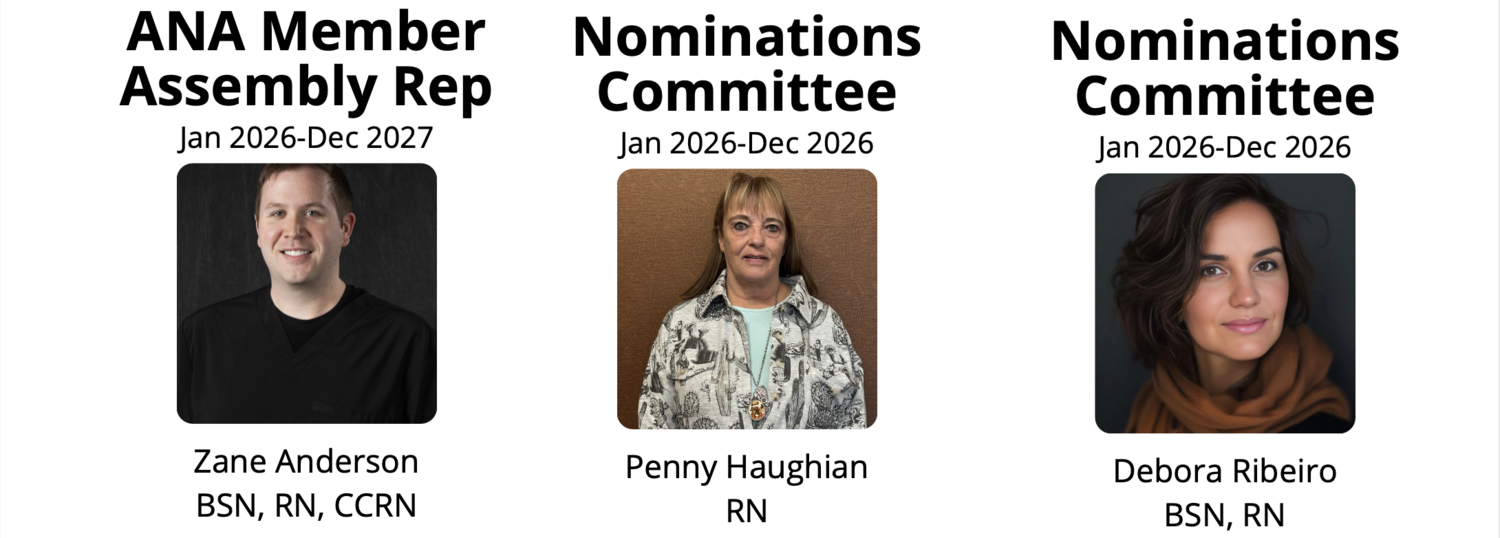
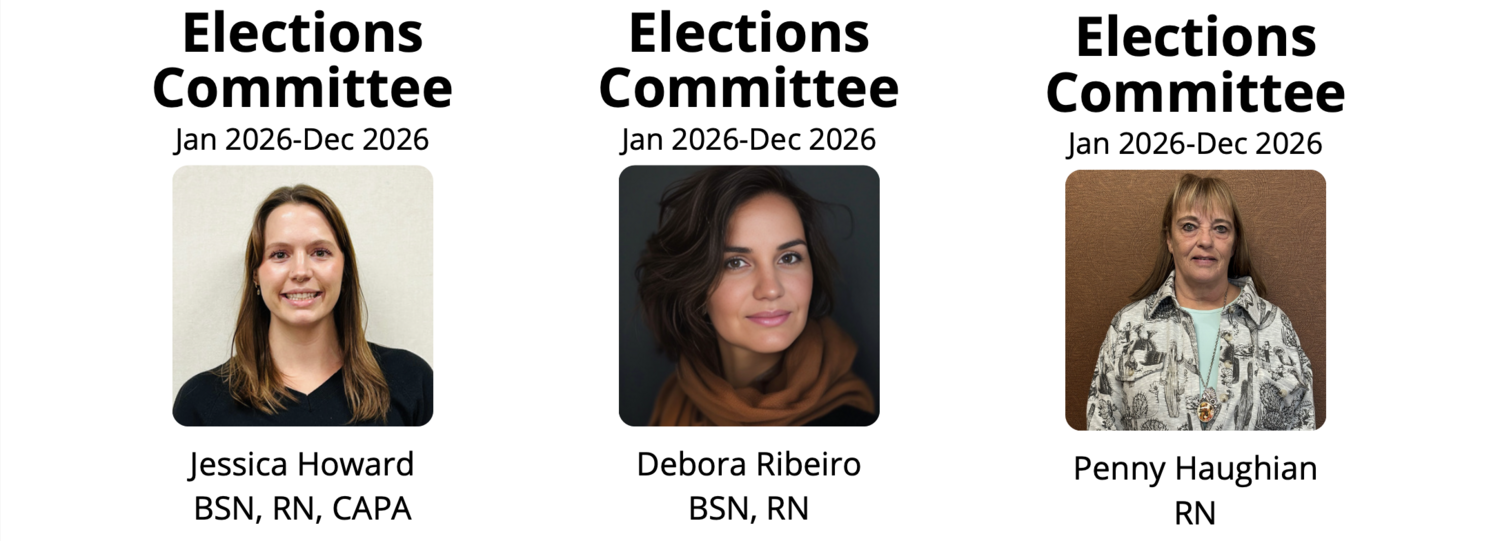
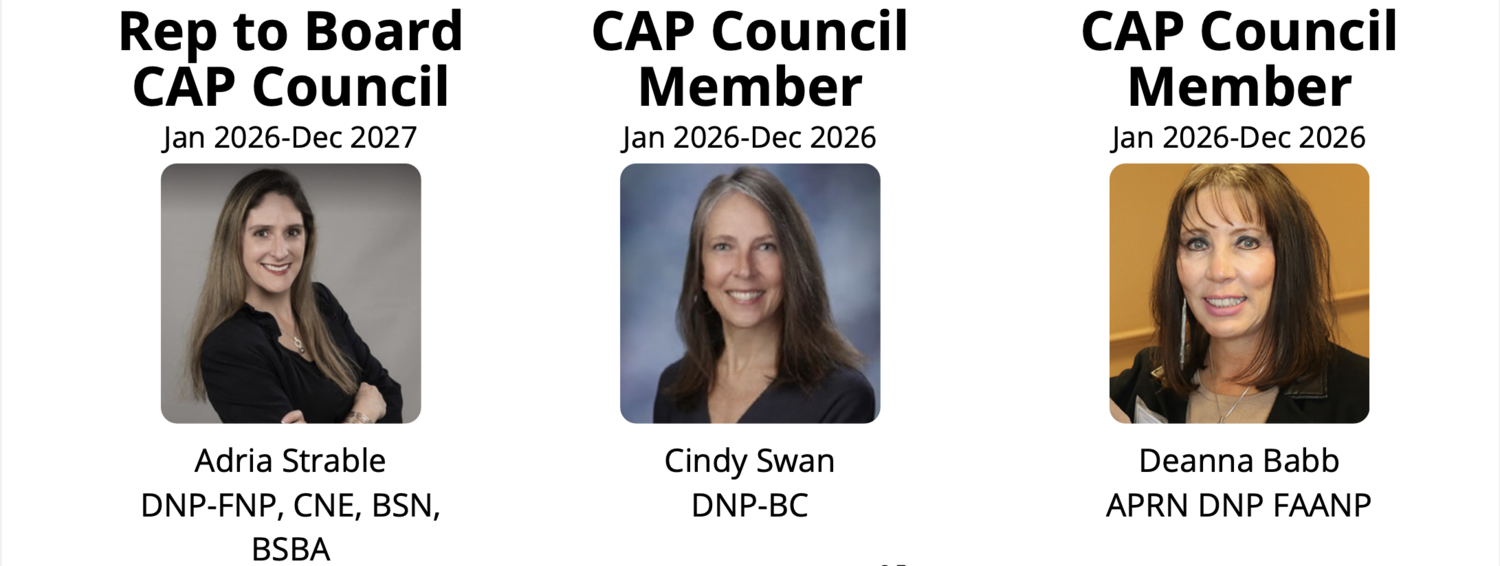
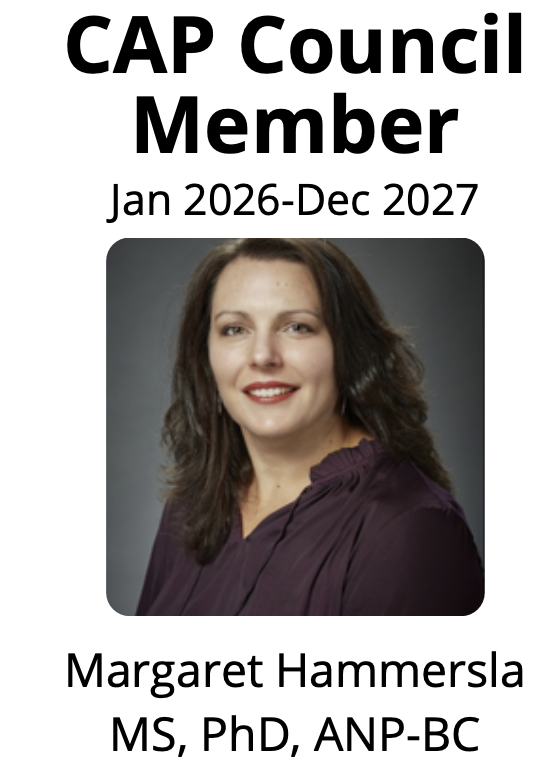
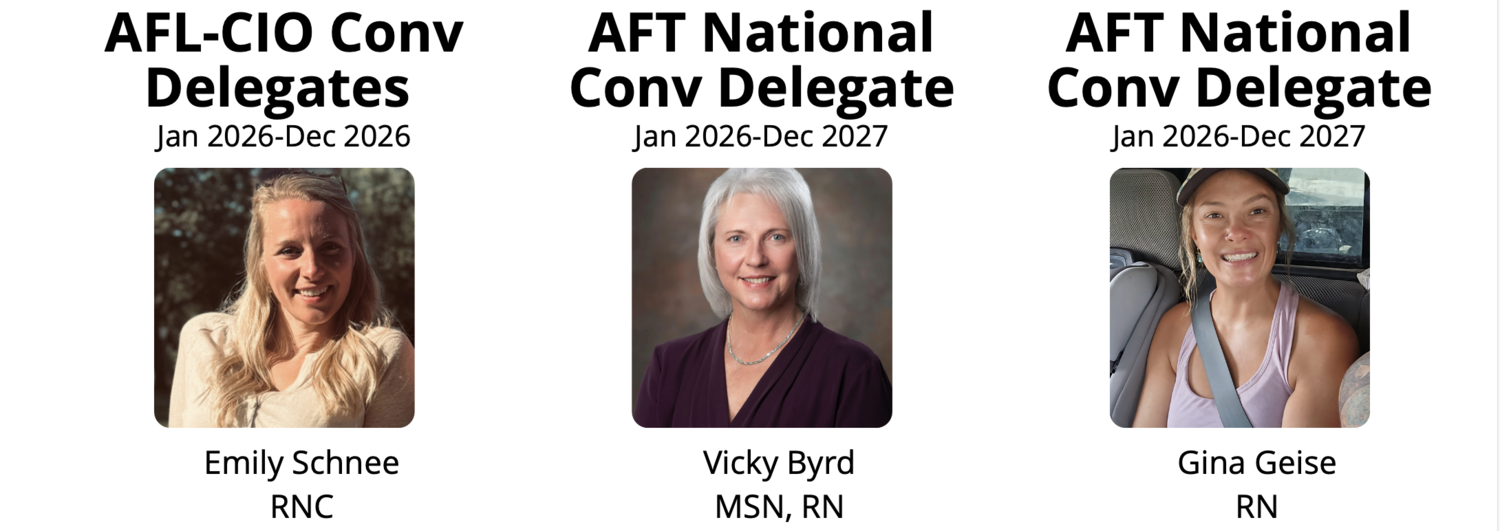
Montana Nurses Association 2026 Elected Leaders
Resolution #1 - Upholding Scientific Integrity and Evidence-Based Nursing in Public Health Policy

Whereas, the Montana Nurses Association (MNA) affirms its commitment to ethical leadership, evidence-based care, and science-driven public health policy, as outlined in its Government Relations Platform (MNA, 2023);
Whereas, the American Nurses Association (ANA) Code of Ethics (2025) calls on nurses to uphold professional integrity (Provision 5), promote social justice and health policy (Provision 9), and collaborate to protect human rights and reduce health disparities (Provision 8);

Whereas, public health decisions that ignore or contradict scientific evidence undermine the safety of communities and the integrity of nursing practice;

Whereas, MNA has long supported vaccination as a critical public health measure, consistent with recommendations from the broader healthcare and scientific community;

Whereas, nurses are recognized as the most trusted healthcare professionals have a duty to promote policies that reflect current research, epidemiological data, and peer-reviewed science;

Therefore, Be It Resolved, That the Montana Nurses Association (MNA) formally advocate for public health policy decisions to be grounded in science, research, and factual evidence, consistent with the ANA Code of Ethics and MNA’s Government Relations Platform;

Resolved, That MNA reaffirms its unwavering commitment to science-based nursing practice and opposes any policy, rhetoric, legislation, or executive action that disregards evidence-based practice, promotes misinformation, or undermines public health integrity;

Resolved, That MNA supports nurses in speaking out publicly and professionally against policies that threaten the health of Montanans by ignoring scientific consensus, data, and evidence;

Resolved, That MNA will continue issuing joint statements, legislative alerts, and professional development initiatives to combat misinformation and disinformation and uphold ethical nursing standards.

Article references 

American Nurses Association. (2015). Code of ethics for nurses with interpretive statements. ANA. 2024-2025-MNA-Government-Relations-Platform-2024-HOD-final-1.pdf

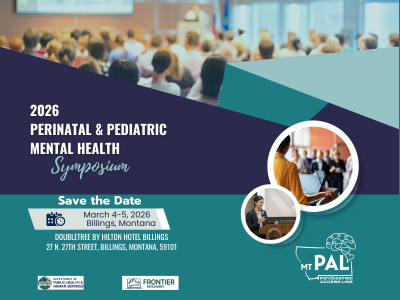
Advancing Mental Health for Montana’s Moms, Babies & Kids
You’re invited to a two-day symposium dedicated to strengthening perinatal & pediatric mental health care across our region. Connect with clinicians, care teams, & community partners as we explore best practices, emerging research, & practical strategies to support Montana families.
Learn more
Resolution #2 - Protecting Children’s Health: Upholding Immunization Standards and Countering Preventable Threats

Whereas, the American Nurses Association (ANA) Code of Ethics for Nurses states, “The nurse promotes, advocates for, and protects the rights, health, and safety of the patient” (Provision 3.1) and affirms nurses’ responsibility to advance health, human rights, and social justice in policy (Provisions 8 & 9);

Whereas, the Montana Nurses Association (MNA) Government Relations Platform affirms principles of evidence-based practice, access to quality health care, and the protection of public health through sound policy;
Whereas, childhood immunization mandates are a cornerstone of public health, and any repeal threatens herd immunity and increases the risk of outbreaks of preventable diseases such as measles and pertussis (Centers for Disease Control and Prevention [CDC], 2023);

Whereas, firearms are now the leading cause of death among children and teens in the United States, surpassing motor vehicle crashes and cancer (Johns Hopkins Center for Gun Violence Solutions, 2024);

Whereas, the convergence of declining vaccination rates and unchecked firearm proliferation poses a dual, preventable threat to child health and safety;

Whereas, during the 2025 Montana Legislative Session, House Bill 371, which sought to ban mRNA vaccines statewide, was defeated by a bipartisan majority (Montana Legislature, 2025), demonstrating public and legislative resistance to weakening immunization protections;

Therefore, Be It Resolved, That the Montana Nurses Association affirms its commitment to protecting children’s health through support of immunization policies and gun violence prevention and safety measures, consistent with the ANA Code of Ethics and MNA’s Government Relations platform;
Resolved, That the MNA will actively advocate for evidence-based public health protections, including the preservation of vaccine requirements, strengthening of public health infrastructure, and policies that safeguard children from preventable harm;

Resolved, That nurses, as trusted health professionals, will support ongoing education to the public on the safety and importance of childhood immunizations and the health risks associated with gun violence;

Resolved, That MNA will collaborate with coalitions and community partners to advance public health initiatives that protect children and families from preventable threats.

Approved MNA HOD 10.24.2025

Article references 

American Nurses Association. (2015). Code of ethics for nurses with interpretive statements. ANA.

Centers for Disease Control and Prevention. (2023). Vaccination coverage among children aged 19–35 months: United States, 2022. https://www.cdc.gov/vaccines/imz-managers/coverage/index.html

Johns Hopkins Center for Gun Violence Solutions. (2024, September 12). Guns remain leading cause of death for children and teens. Johns Hopkins Bloomberg School of Public Health. https://publichealth.jhu.edu/2024/guns-remain-leading-cause-of-death-for-children-and-teens

Montana Legislature. (2025). House Bill 371: An act prohibiting the use of mRNA vaccines. 69th Montana Legislature. https://leg.mt.gov

Montana Nurses Association. (2022). Government relations platform, 2022–2023. Montana Nurses Association. 2024-2025-MNA-Government-Relations-Platform-2024-HOD-final-1.pdf

National Association of School Nurses (NASN) Position Statement: Immunization and Vaccination Requirements. The Journal of School Nursing. 2025;0(0). doi:10.1177/10598405251386074

Explore Top Rated Nursing Programs

Education at every step. Quickly access top schools and programs by degree level & educational background. (Online and In-person options)

MSN Programs

Nurse Practitioner Programs

DNP Programs

SPONSORED
Resolution #3 - Protecting Nursing Practice, Patient Care, and Job Security in the Era of Artificial Intelligence (AI) Through Collective Bargaining

Whereas, artificial intelligence (AI) is rapidly transforming healthcare—from diagnostic tools and scheduling systems to clinical decision support—and nurses must critically assess how these changes impact their work, autonomy, and patient safety; and

Whereas, AI offers opportunities to streamline care and reduce administrative burdens, but also raises serious concerns about the impacts AI will have on the future of nursing practice, role compression, surveillance, and job security; and

Whereas, AI should support, not replace, clinical judgment, with contract language affirming that nurses are the ultimate decision-makers in patient care and protecting against AI-based directives being treated as orders (ANA Code of Ethics, Provision 4.2: Nurses are accountable for decisions regardless of technological support); and

Whereas, The introduction of AI into healthcare workplaces could result in job restructuring or displacement, requiring collective bargaining agreements to include protections against job loss, downgrading of roles, and to provide for continuing education and training on new technology- integrated roles (MNA Legislative Platform: Economic and General Welfare; ANA Code of Ethics, Provision 7.4: Nurses must advocate for workplace policies that support professional development); and

Whereas, Certain AI applications include worker surveillance, productivity tracking, and data collection without employee consent, requiring clear protections in collective bargaining agreements on what data can be collected, how it may be used, and who has access (ANA Position Statement on Ethical Use of AI: Nurses must advocate for transparency, consent, and data privacy); and

Whereas, Transparency and accountability in AI adoption are essential, bedside nurses must have representation and a voice in how AI is implemented, including through provisions for nurse participation on AI planning and oversight boards (ANA Code of Ethics, Provision 7.5: Nurses must be involved in decisions about technology development and implementation); and

Whereas, Collective bargaining is the most effective tool to secure these protections, ensuring AI is integrated in ways that enhance patient care and workplace conditions rather than undermining them (MNA Bylaws, Article X & XI: Councils on Economic Welfare and Practice & Government Affairs);

Therefore, be it Resolved, That the Montana Nurses Association (MNA) will prioritize research and education for members on the impact of AI in healthcare (MNA Legislative Platform: Education and Professional Development); and

Resolved, That MNA will assist local bargaining units in developing and bargaining strong contract language addressing AI, including provisions on clinical autonomy, job security, retraining, data privacy, transparency, and representation in decision-making (ANA Code of Ethics, Provisions 4, 6, and 7); and

Resolved, That MNA will advocate that AI in healthcare must always serve to enhance nursing practice, uphold professional standards, and protect both nurses and patients through enforceable contract provisions negotiated at the bargaining table (ANA Code of Ethics, Provision 8: Collaboration to protect human rights and reduce disparities).

Caring for Our Own Program (CO-OP)
CO-OP - est.1999, is a supplemental student support program for Native American and Alaska Native students pursuing their nursing degree at Montana State University. CO-OP’s goals are to increase the enrollment of American Indian nursing students.
Learn more
Resolution #4 - Implement a Dues Increase to Sustain and Advance MNA Programs and Staff Support

Whereas, The Montana Nurses Association (MNA) is committed to advancing the nursing profession in Montana through professional development, education, leadership, and labor representation; and

Whereas, MNA has not raised member dues since the 2015 House of Delegates meeting, in keeping with its commitment to hold dues steady for at least 10 years; and

Whereas, Over the past decade, MNA has successfully maintained and expanded critical member services and programming including continuing education, advocacy, labor representation, and support for nursing leadership and health policy without an increase in dues; and

Whereas, MNA's labor and professional development programs are essential to empowering nurses, promoting workplace safety, and ensuring high standards of patient care across Montana; and

Whereas, The cost of providing these vital programs and services has increased significantly due to inflation, rising operational expenses, and the need to competitively retain and support MNA's professional staff; and

Whereas, A modest increase of $5.00 per month (equivalent to $2.50 per paycheck or $60 annually) in member dues will ensure continued funding for the programs and staff that directly support both collective bargaining and non-collective bargaining nurses in Montana; and

Whereas, This proposed increase reflects MNA’s continued fiscal responsibility, transparency, and dedication to its mission and strategic goals.

Therefore, Be It Resolved, That the Montana Nurses Association House of Delegates approves a monthly dues increase of $5.00 per member, effective January 1, 2026; and
Resolved, The increase shall support the continuation and enhancement of professional development and labor programs, member support services, and the recruitment and retention of MNA staff who serve all members statewide; and

Resolved, That MNA will communicate this change transparently to all members, highlighting the ongoing value of membership, the direct benefits of the programs supported, and the role this increase plays in sustaining the future of nursing advocacy and development in Montana; and

Resolved, That MNA remains committed to periodic review of dues structure with input from the membership and approval by the House of Delegates to ensure continued alignment with the organization's mission, values, and financial stewardship.

Approved MNA HOD 10.24.2025

Events
Advocacy
Montana Nurses Association Government Relations Platform 2025-2026
MNA Board approved-10.22.2025

MNA HOD approved-10.24.2025

The Montana Nurses Association (MNA) is a nonprofit professional association advocating for the interests of nearly 33,000 Registered Nurses (RNs) in Montana, including over 1,500 Advanced Practice Registered Nurses (APRNs). MNA is the recognized professional organization advocating for nursing practice issues to protect both professional nurses and the public in all areas of health care.
MNA Mission Statement: The Montana Nurses Association promotes professional nursing practice, standards, and education; represents professional nurses; and provides nursing leadership in promoting high-quality health care.
1. Improve the Quality of Nursing Practice

  • Educational and Professional Development: Provide opportunities to enhance practice competency and patient care quality.
  • Funding Opportunities: Pursue funding for continuing nursing education and professional development.
  • Research Support: Secure funding for research and projects to develop evidence-based and innovative nursing practices.
  • National Certification: Promote national certification of Registered Nurses.
  • Representation: Actively represent nurses on local, state, and national advisory committees/boards.
  • Regulatory Collaboration: Support and collaborate with the Montana Board of Nursing (BON) on practice and regulatory issues.
  • Transparency and Communication: Encourage transparency and communication from the BON regarding its relationship with the NCSBN and regulatory changes.
  • Nurse Licensure Compact: Provide input on the implementation and enforcement of the NCSBN Nurse Licensure Compact (NLC) and oppose the NCSBN APRN Nurse Licensure Compact legislation.

2. Protect the Economic and General Welfare of Nurses

  • Legislative Engagement: Engage in legislation and campaigns that benefit the economic and general welfare of RNs.
  • Collective Bargaining: Ensure the right of RNs to engage in collective bargaining in Montana.
  • Oppose Anti-Labor Legislation: Oppose “Right to Work” legislation to uphold the “Blue Eyed Nurse” bill.
  • Workplace Environment: Address issues such as violence against healthcare workers, safe staffing, infectious disease, and patient safety.
  • Mandatory Overtime: Advocate for legislation prohibiting mandatory overtime and addressing safe staffing standards and workplace violence prevention.

3. Improve Access to Quality, Cost-Effective Health Care

  • Patient Commitment: Identify the nurse’s primary commitment to the patient, whether an individual, family, group, community, or population.
  • Access for Underserved Populations: Promote access to health care and coverage for unserved and underserved populations.
  • Alternative Delivery Systems: Develop cost-effective and quality alternative health care delivery systems.
  • Third-Party Reimbursements: Mandate direct reimbursements to RNs from public and private payers.
  • Remove Barriers: Eliminate barriers that deny access to qualified health care providers and approved treatments.
  • Transparent Legislation: Advocate for transparent, bipartisan legislation to achieve evidence-based healthcare reform.
  • Health Diplomacy: Collaborate with other health professionals to promote community and world health and reduce health disparities.

4. Protect Human Rights

  • Access to Health Services: Promote access to appropriate health services.
  • Privacy Rights: Preserve individual rights to privacy.
  • Ethical Considerations: Promote debate and consideration of ethical dilemmas in health care.
  • Public Health Emergencies: Protect nurses, healthcare employees, and the public from health emergencies.

5. Protect Environmental Health

  • Environmental Impact: Address environmental impacts on the health of Montanans.
  • National Engagement: Engage with national affiliates on environmental health issues.
  • Support Evidence-Based Science: Promote the work and data from professional nurses, public health nurses, APRNs, epidemiologists, physicians, infectious disease experts, and researchers.

6. Promote the Future of Healthcare and Nursing Practice

  • Scope of Practice: Support legislation that allows nurses to practice to the fullest extent of their education and training.
  • Professional Development: Promote programs encouraging professional development and educational progression.
  • Representation: Ensure representation on boards, committees, and advisory groups influencing the future of nursing and healthcare.
  • Collaborative Efforts: Work with healthcare partners to ensure healthcare as a right for all.
  • Public Health Investment: Support science and evidence-based data to drive investment in public health programs.
  • Clinical Nursing Knowledge: Advance clinical nursing knowledge to improve healthcare and human health status.
  • Public Education: Support initiatives that educate the public on the role, responsibilities, and contributions for professional nurses.

7. Represent the Interests of All Registered Nurses

  • High Standards: Foster high standards of nursing practice.
  • Workplace Rights: Promote the rights of nurses in the workplace.
  • Positive Image: Project a positive and realistic view of nurses and professional nursing practice.
  • Professional Role Modeling: Highlight exemplary nursing practices and leadership to inspire confidence in the profession.
  • Safeguard Public Trust in the Nursing Profession: promote honest and compassionate communication.
  • Legislative Advocacy: Lobby Congress, state legislature, and regulatory agencies on healthcare issues affecting nurses, patients, and the public.
  • Workforce Data: Advocate for the collection, analysis, and publication of workforce data related to professional nurses.
For 50 years, Intermountain Health has been the trusted name in healthcare.
In this name are decades of excellence sculpted by caregivers who know there’s always more we can do. In this name are our unique histories, geographies, and talents that come together to reimagine care and propel us into a healthier tomorrow.
Learn more
ANA Press Release: Department of Education’s Loan Proposal Puts Nursing Workforce and Patient Care at Risk

200,000 Nurses and Patients Urge the Department of Education to Protect Graduate Nursing Education and Access to Care


SILVER SPRING, MD – November 26, 2025 – The American Nurses Association (ANA) is deeply concerned by the Department of Education’s recent statements of “myth vs. fact” that minimize the potential adverse impact of federal loan eligibility rules under consideration by the Department.

There is bipartisan concern about the harm this proposal would cause to the nursing workforce and, by extension, patients’ access to healthcare. Across party lines, policymakers recognize that nurses are the backbone of the nation’s healthcare delivery system and that advanced practice registered nurses (APRNs) are critical to closing the nation’s gaps in access to primary care, maternal health, behavioral health, and other specialty care.

“Americans should be very concerned about the impact of this proposal on patient care. For example, advanced practice nurses, including nurse practitioners, certified registered nurse anesthesiologists, clinical nurse specialists, and certified nurse midwives, are board-certified and highly educated. Their post-baccalaureate ‘graduate’ studies lead to professional licensure as a healthcare provider. In many communities, they provide access to patient care that would otherwise be unavailable,” said ANA President Dr. Jennifer Mensik Kennedy, PhD, MBA, RN, NEA-BC, FAAN.

The Department of Education’s Reimagining and Improving Student Education (RISE) committee’s exclusion of graduate-level nursing education as a professional degree program would stand in contrast to other positive actions by the administration, which have actively supported advanced practice nursing. For example, the Centers for Medicare & Medicaid Services’ Rural Transformation Grants specifically invested in expanding the reach of advanced practice nurses in rural communities who often rely solely on nurses for access to care. The Department of Education’s proposal undermines this important progress promoted by the Department of Health and Human Services.

There was not a single nurse representative on the RISE committee, and their recommendation was based on an antiquated list that does not meet the reality of the 21st century––that APRNs are licensed healthcare providers.

“Our nation is also confronting a nurse faculty crisis,” added Dr. Mensik Kennedy. “In 2022, nursing schools reported more than 2,100 full-time faculty vacancies. These faculty vacancies resulted in over 80,000 qualified student applications being turned away. Without adequate faculty, we simply cannot educate the nurses America needs, let alone expand the advanced practice workforce that healthcare requires. Restricting graduate nursing students’ access to federal loans would only deepen this crisis by discouraging nurses from pursuing the advanced degrees required to teach the next generation.”

Recent data from the American Association of Colleges of Nursing (AACN) underscores the urgency of this faculty shortage. With a significant portion of faculty approaching retirement, the pipeline of educators is under real threat.

According to data from the National Center for Education Statistics, the cost of attendance for nurses pursuing graduate degrees on average is over $30,000 per year, which exceeds the proposed annual cap of $20,500 per year. In addition, the National Academy of Medicine recently stated that “support for education and training needs in the nursing profession, including the pursuit of higher degrees, is widely recognized as among the highest priorities for our nation’s health system.”

Nurses can make responsible financial decisions about their education, and they deserve the same respect and support afforded to the other included professionals. Advanced practice nursing degrees are in high demand and have a high return on investment, allowing borrowers to repay their loans consistently.

In the past few days, more than 200,000 nurses and patients have signed ANA’s petition calling on the Department of Education to modify the policy before issuing the proposed rule. We encourage everyone to visit RNAction.org to make their voice heard and sign the petition.

Employees working for Prairie Travelers enjoy great benefits
Competitive Wages - Health Insurance - Annual Bonus Program -Flexible Work Schedules - Mileage Reimbursement . Varied Work Settings > Acute Care/ER/ICU * Long Term Care Correctional * Mental Health * Assisted Living
Learn more
Continuing Education
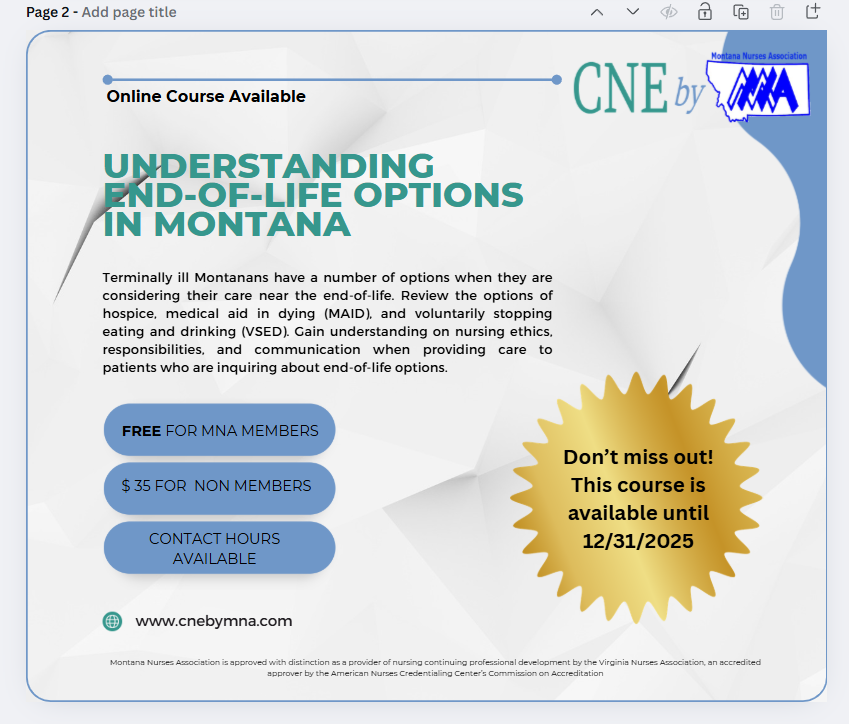
Understanding End-of-Life Options in Montana
FREE for MNA Members | Available On Demand Until Decemebr 31, 2025

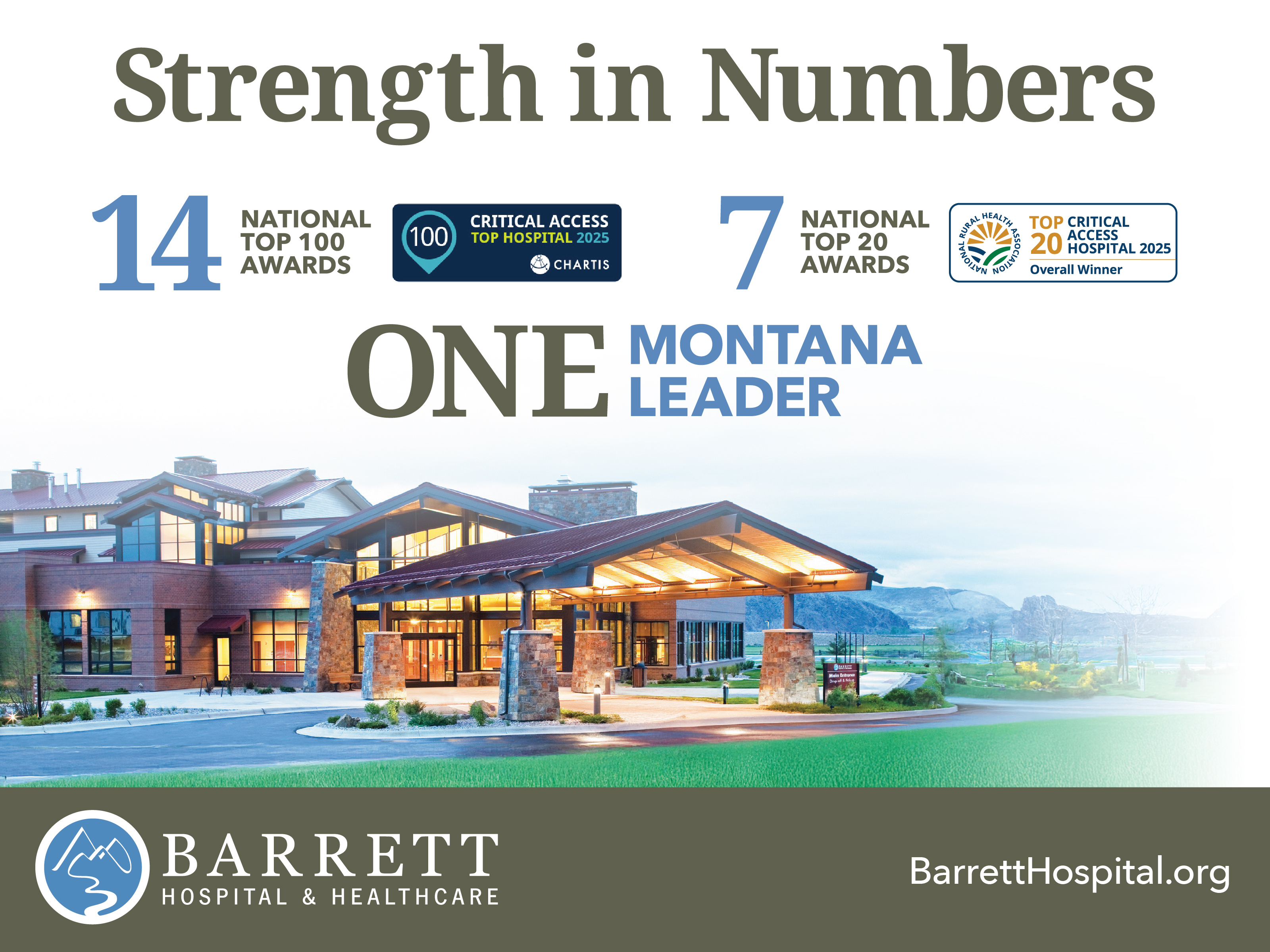
Join Montana’s Most Awarded Critical Access Hospital.
Work with a nationally ranked team! We've earned Top 20 and Top 100 Critical Access honors—proof of our commitment to excellence in rural care. Make a difference with us in Dillon, Montana.
Learn more
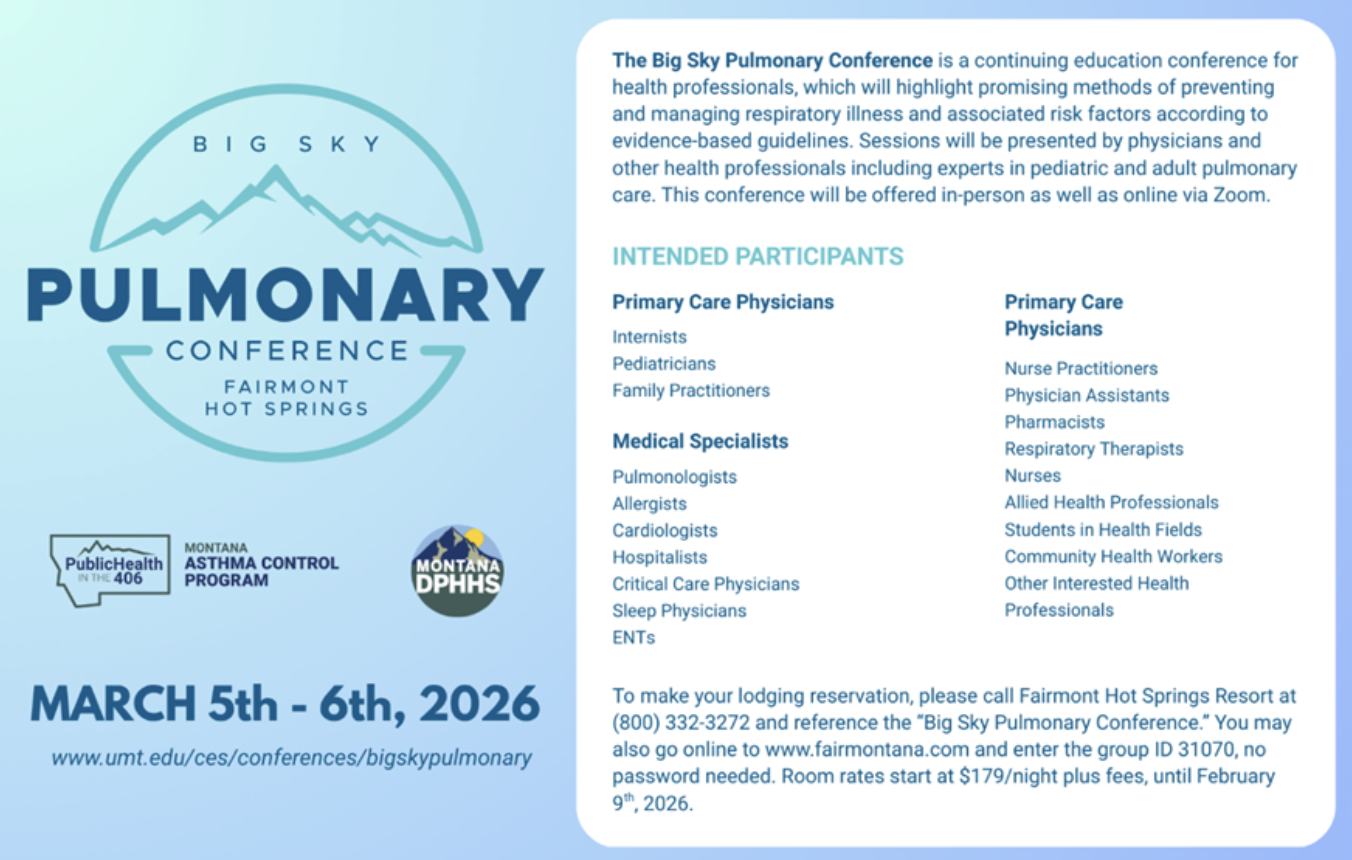
Big Sky Pulmonary Conference
March 5-6, 2026 | Fairmont Hot Springs

The Montana Asthma Control Program and the Department of Public Health and Human Services are pleased to announce that the 2026 Big Sky Pulmonary Conference will be held March 5 - March 6, 2026, at the Fairmont Hot Springs Resort. The Big Sky Pulmonary Conference is a continuing education conference for health professionals, which highlights promising methods of preventing and managing respiratory illness and associated risk factors according to evidence-based guidelines The 2026 conference will feature topics such as managing cystic fibrosis, considerations for a lung transplant, remote monitoring in patients with lung disease, wildfire smoke research, sleep health, breastfeeding and pulmonary health,  chronic cough from a primary care perspective, addressing wellness for people with pulmonary conditions, pediatric asthma, the oral and upper airway connection to respiratory health and more.

Upon registration, MDs, DOs, NPs, and FNPs will receive 1 free registration for any office staff also interested in attending the conference. If you are connected with a clinic and interested in attending, consider encouraging the clinic provider to register so you can attend as a team and get a free registration. Please contact Amy Saltzman directly to assist with this. Amy can be reached at amy.saltzman@mso.umt.edu or (406) 531-4032.

This year MACP is including an optional pre-conference spirometry training with each registration. If you are interested, make sure to "opt in" when completing the registration form. 

For those unable to attend in person, a virtual option is also available. Conference registration is only $220 if you register prior to February 15th. Interested parties can find more details and register online at umt.edu/ces/conferences/bigskypulmonary. Conference registration is open now!

Membership
Advertise in This Newsletter

Nursing associations are among the most trusted partners in healthcare. Align your brand with our association to support us, deliver your message alongside editorial level content, build brand awareness, & reach our highly engaged / established audience. 

For sponsorship rates and information within this official state nursing association publication, please contact Nursing Network at advertising@nursingnetwork.com 

We appreciate your support!

Get in touch
Terms and Conditions Cookie Policy Privacy Policy Contact Us