Massachusetts Report on Nursing
Table of Contents
President's Message Food For Thought
Editor's Column What Does It Mean To Be A Nurse?
Recognitions & Awards Celebrate our 2026 Living Legends in Massachusetts Nursing
Events Save the Date: 2026 ANAMASS Awards/FNAMA Scholarship Gala  Nurses Light Up the Skies 2026 ANAMASS Invites All RNs To Another Unforgettable Red Sox Nurses Night at Fenway Park! ANAMASS Quarterly "Drop-in" Calls
From the Association Bylaws Committee Update
Health Policy Showcasing the Power of Nurses in 2026, both Statewide and Nationally Health Policy Holiday Report
CE Corner Guidance on the Responsible Use of Artificial Intelligence (AI) in Accredited Continuing Education (CE)
Additional Continuing Education Opportunities Impact of the Trump Administration on Health Care: Policies, Practice, and the Public's Health ANAMASS Approver Unit Evening Webinar Vaccines at a Crossroads: Global Challenges, Local Realities, and the Future of Immunization ANAMASS Approver Unit Lunchtime Webinar ANAMASS Approver Unit Spring Symposium FINAL Runway to Changes
Updates from the Board of Registration in Nursing
Little Gestures
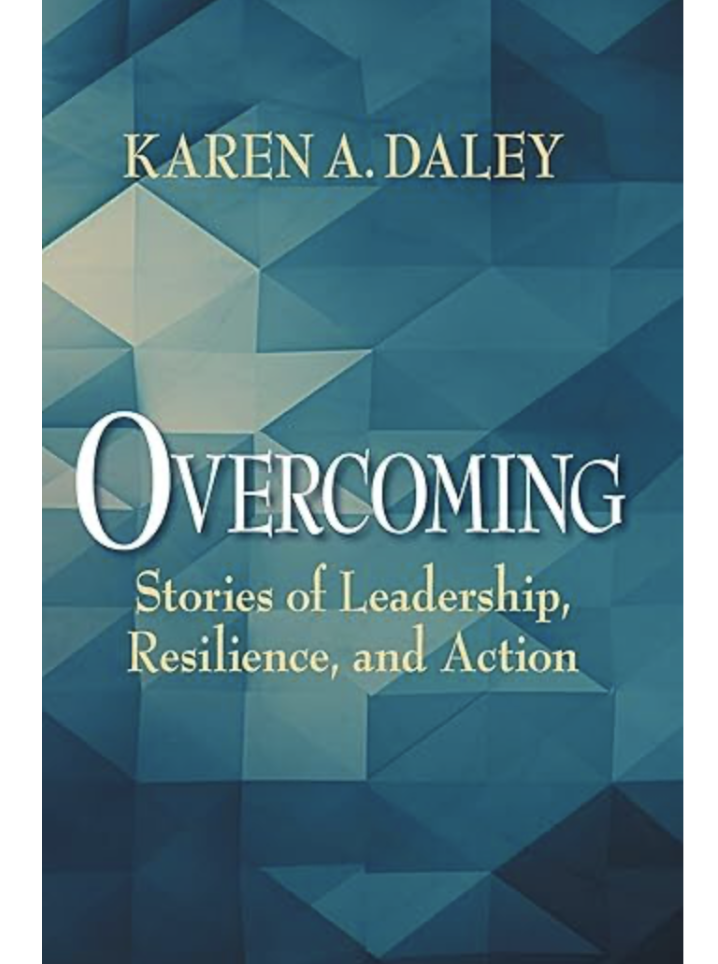
Book Review OVERCOMING: Stories of Leadership, Resilience, and Action by author Karen A. Daley.
Nursing News Professional by Practice: The Case for Protecting Graduate Nursing Education NELNE Celebrates Doctoral Scholarship Recipient ONL Foundation: Proceeds from Massachusetts RN License Plates Support the Nursing Profession
From the Foundation LOWER Your Taxes and SUPPORT Nursing Scholarships!! Donate to FNAMA TODAY!
Membership Join ANA/ANAMASS Today!
Dec, Jan, Feb 2026

ANA Massachusetts is the premier organization representing the interests of the Commonwealth's more than 130,000 registered nurses.  We are the largest voluntary professional nursing organization in the state, with members who practice in settings ranging from acute care to community health, from the bedside to the boardroom.  Since 1896, ANAMASS members have helped define, regulate, and improve nursing to the benefit of nurses and patients in Massachusetts.  

President's Message
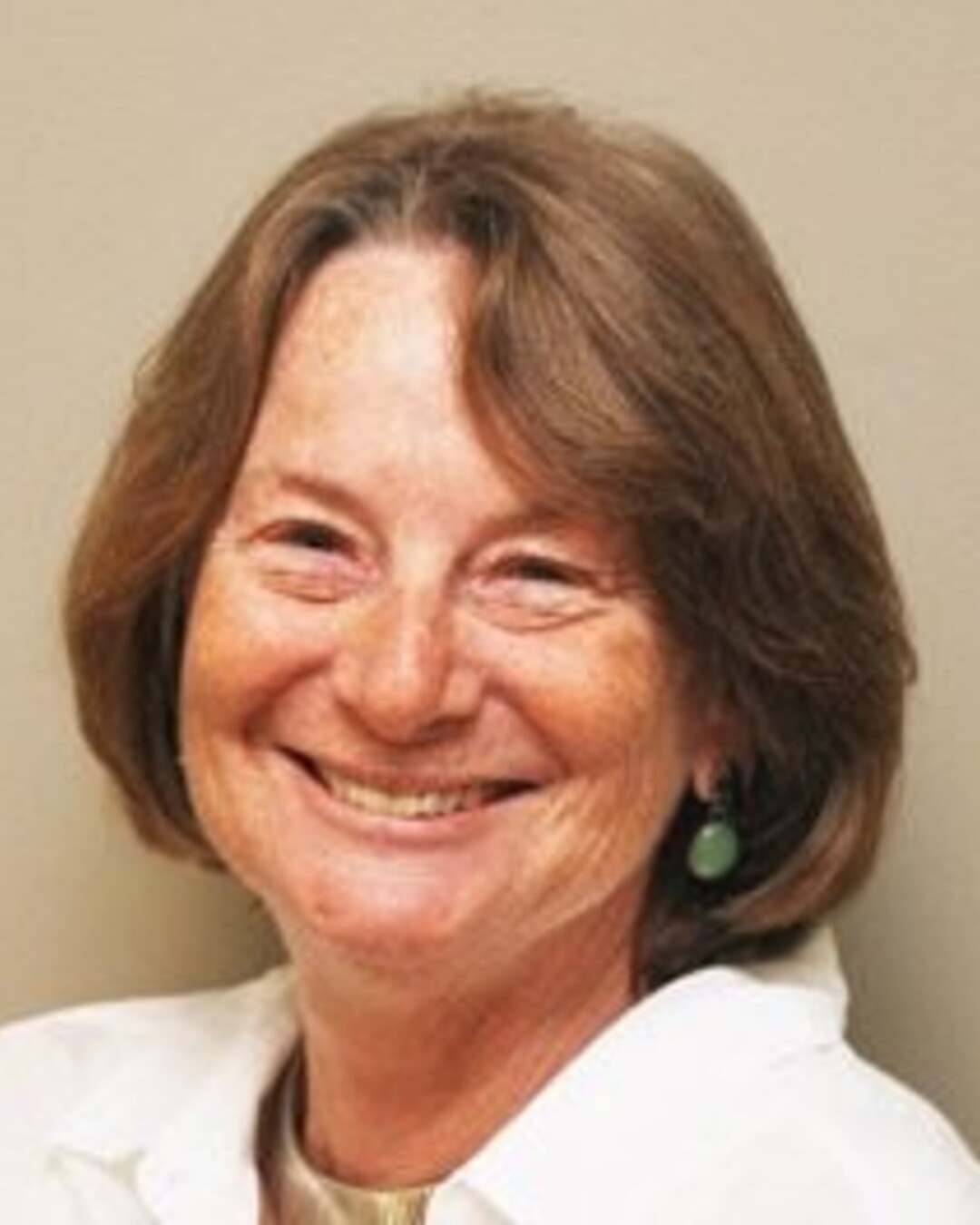
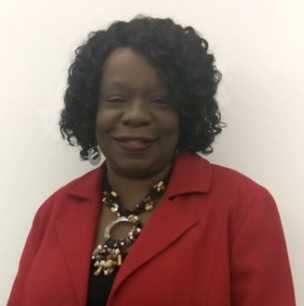
Patricia Crispi, PhD, RN, NPD-BC

Dear Nursing Colleagues, 

As we begin 2026, I hope you all find some time to refresh and recharge after the busyness of the holidays. The start of a new year always brings the opportunity for clean slates and fresh starts. It is a time when many of us set goals to improve our overall health and wellbeing, though we often find it challenging to maintain these goals.

This time of year also brings an increase in flu and respiratory viruses, leading to higher hospital admissions and acuity surges. As a result, nurses are stretched thin, experiencing work fatigue and emotional exhaustion. During this period of increased stress, I encourage you to consider Provision 5.1 in the 2025 Code of Ethics:

Nurses have a duty to take care of their own health and safety. Nurses define health, determine their level of risk tolerance, and establish work-life balance for themselves. A nurse’s professional performance and personal life may be affected by the extraordinary demands of care, leading to fatigue, weathering, or even burnout. Nurses must be alert to the signs and symptoms that their own health and well-being have been negatively affected.

While nurses have a duty to care for others, this should not come at the expense of their own health and well-being. To be their best selves for others, nurses must prioritize activities that promote human flourishing. Restorative rest, active movement, mindfulness, connecting with others, and engaging in activities that bring joy are essential. Too often, I hear that nurses are too busy to engage in personal wellness activities such as eating, hydrating, exercising, or even taking bathroom breaks during working hours.

A 2018 study by Melnyk et al. provides evidence that when nurses do not prioritize their physical and emotional health, patient care is impacted. Unknowingly, nurses may be less likely to prevent adverse events and more likely to miss care. Taking uninterrupted breaks away from the patient care unit can actually improve outcomes, yet many nurses feel they cannot step away from patient care.

How do we change the script to support our nursing colleagues and protect our patients? The new year is an opportunity to encourage new ways of thinking, new nursing care models, and a focus on human flourishing in every aspect of patient care. 

I urge each of you to take proactive steps towards your own well-being. Make a commitment to prioritize self-care, whether it is taking regular breaks, engaging in physical activity, or simply finding ways to incorporate joy throughout your day. By caring for yourselves, you are better equipped to provide the highest level of care to your patients. Let’s work together to create supportive environments where every nurse feels empowered to prioritize their health and well-being.
Food For Thought

"There is something infinitely healing in the repeated refrains of nature—the assurance that dawn comes after night, and spring after winter."

                                                                                                                — Rachel Carson

Editor's Column
What Does It Mean To Be A Nurse?
Judy L Sheehan, MSN, RN, NCPD-BC

A quote from Florence Nightingale: "I think one's feelings waste themselves in words; they ought all to be distilled into actions and into actions which bring results".


Do nurses ever really walk away from actively helping someone in need? I don't think so. Yet many times I shake my head and wish it were possible. Maybe it is for some, but many of us, whether entering the profession or approaching retirement, continue to be driven by a need to "help people." It sounds trite, yet when push comes to shove (as it sometimes does), a nurse rises to the occasion, steps into the street, calls senators or congresspeople, or otherwise jumps into the void of human need.

Nurses across all specialties, ages, and genders bring a touch of humanity to situations that can easily be dehumanized. Historically, nurses, whether on battlefields, in hospitals, in schools, or in homes, have carried a light (the Nightingale lamp, perhaps) to those in need. It may be internal, but it lights the way for so many. As Nurses Week approaches, I want to honor the light nurses bring to so many in dark situations, celebrate the courage and dedication these complicated social times require, and say a hearty "Well Done" and thank you.

Regards, Judy

Recognitions & Awards
Celebrate our 2026 Living Legends in Massachusetts Nursing

Living Legends in Massachusetts Nursing

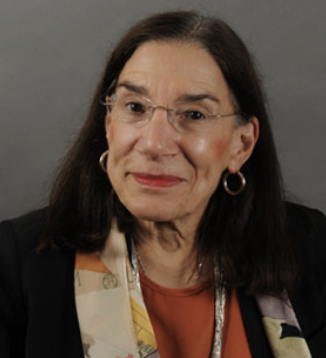
 Sharon Callender, RN, MPH, BSN (nominated by Gabrielle Abelard and NERBNA BOD)

Sharon Callender is a visionary nurse leader whose distinguished career has profoundly shaped nursing, public health, and health equity in Massachusetts. For decades, she has been a trusted and influential presence in community-based care, most notably through her work at the Mattapan Community Health Center. There, Sharon combined clinical excellence with compassionate advocacy to address health disparities and expand access to high-quality care for historically underserved populations. Her work reflects a lifelong commitment to advancing public health, strengthening communities, and upholding the highest standards of nursing practice.

Sharon’s impact extends far beyond her clinical roles through her exceptional leadership, mentorship, and service to the profession. As past president of the New England Regional Black Nurses Association, she played a pivotal role in developing and mentoring nurses of color and advancing inclusive leadership across the region. She continues to shape the future of nursing through her service as Secretary of the Foundation for Nursing Advancement in Massachusetts and her mentorship of students and emerging professionals at Boston University’s Master of Public Health Diversity Program, Roxbury Community College’s Nursing Advisory Council, and the Dotson Bridge and Mentoring Program at Simmons University. Renowned for her wisdom, integrity, and ability to inspire others, Sharon Callender exemplifies the enduring legacy of nursing leadership and is truly deserving of recognition as a Living Legend in Massachusetts Nursing.

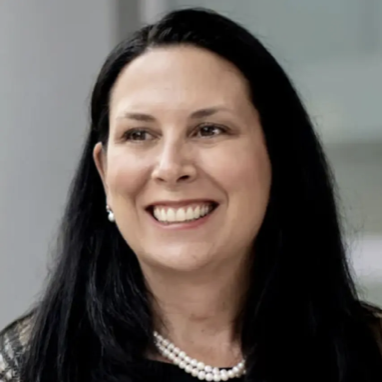
 Laura Hayman, PhD, MSN, FAAN, FAHA, FPCNA, FSBM (nominated by Michelle Boakye)

Laura Hayman is Professor in the Department of Nursing, Manning College of Nursing and Health Sciences, UMass Boston, and Adjunct Professor in the Division of Preventive and Behavioral Medicine, UMass Chan Medical School.

Professor Hayman has been a professional nurse for fifty-plus years and has practiced in clinical and public health settings prior to joining the academic nursing workforce. She has and continues to mentor undergraduate, graduate, doctoral students, post-doctoral fellows, and faculty  in nursing in the Commonwealth as well as nationally and globally. Laura joined the UMass community in 2007 as the first Associate Dean for Research in the Manning College and subsequently served as Associate Vice Provost for Research and Graduate Studies. In 2017, she decided to return to the faculty in Manning College, where she could pursue her passion for teaching and mentoring students as well as research/scholarship.  Conceptualized within a socio-ecological framework and conducted with faculty and students from nursing and other disciplines, her research and scholarship have focused on the prevention of obesity and cardiometabolic conditions across the life course with emphasis on children, adolescents, and emerging adults from diverse populations.  Her ~ 250 authored and co-authored publications have included her students and mentees and have been published in nursing and cross-disciplinary venues.  

Laura has served in several leadership roles in nursing and multidisciplinary organizations, including the American Heart Association Council on Cardiovascular and Stroke Nursing,   the Preventive Cardiovascular Nurses Association, and the Society of Behavioral Medicine. She championed the Global Cardiovascular Nursing Leadership Forum that includes nurse leaders from six World Health Organization (WHO) regions. Laura was the recipient of numerous honors and awards, including the 2024 UMass Boston Provost’s Award for Distinguished Service and the 2025 Kathleen Dracup Award for Distinguished Mentoring from the American Heart Association. She is passionate about mentoring the next generation of nurse scientists/scholars, educators, and leaders and has chaired thirty dissertation committees.  Laura views her mentees and their respective accomplishments as her most significant contribution to nursing in the Commonwealth and beyond. She is honored and humbled to be recognized as a Living Legend of ANA-Massachusetts.  

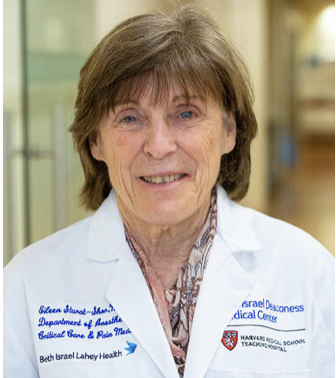
 Eileen Stuart-Shor, PhD, DHL (Hon), ANP-BC, FAHA, FAAN (nominated by Janet Dewan)

Eileen Stuart-Shor received her BSN from St Anselm College in Manchester NH, Masters degrees from Boston College as a Cardiac Clinical Specialist and an Adult Nurse Practitioner, a PhD in Health Policy and Population Health from the University of Massachusetts Boston,  completed an NIH-funded post-doctoral fellowship in Cardiovascular Epidemiology at Harvard Medical School/Beth Israel Deaconess Center, Boston and was honored with a Doctor of Humane Letters Honoris Causa from St Anselm College.  Currently Dr Stuart-Shor is a Nurse Practitioner in Anesthesia/Critical Care at Beth Israel Deaconess Medical Center, Boston, Ma and a faculty member in the Manning College of Nursing and Health Sciences at the University of Massachusetts Boston. At UMass Boston, she was part of leadership for the NIH-funded UMB/DFCI partnership to accelerate the production of minority nurses with PhDs and co-led the HRSA grant to implement the DNP program focused on increasing equitable access to healthcare for all. She is the former Chief Nursing Officer at Seed Global Health, where she was the clinical education lead for the Global Health Service Partnership (GHSP), an innovative partnership between Seed, the US Peace Corps, and PEPFAR, which aimed to improve the quantity and quality of human resources for health in some of the poorest countries in Africa. Dr Stuart-Shor has authored over 30 peer-reviewed publications and two books, led NIH-funded disparities research projects, received humanitarian awards for her work with underserved populations in Boston and Africa, lectured internationally, and serves on numerous academic and professional peer review boards. Her program of research, teaching, and advocacy focuses on underserved populations, health equity, and the advancement of universal access to care, particularly in low-resource areas. In that capacity she served as the PI on an NIH funded study to investigate disparities in cardiovascular outcomes in Boston’s underserved neighborhoods (Roxbury Heart and Sole), was a founder of the first clinic for homeless individuals in the US (the Nurses Clinic at Pine Street Inn which evolved into Healthcare for the Homeless), and served as a Fulbright Specialist in Kenya (Kenya Heart and Sole), Eswatini (FNP Program) and Liberia (Boston-Africa Anesthesia and Critical Care Collaborative) working to advance the goal of universal access to high quality, safe care. Dr Stuart-Shor is an elected fellow to the American Academy of Nursing and the Scientific Council of the American Heart Association. 

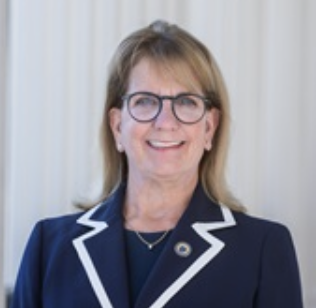
 Maria van Pelt, PhD, CRNA, CNE, CPPS, FAAN, FAANA (nominated by Amanda Choflet)

Maria van Pelt has transformed nursing education, patient safety, and healthcare professional wellness over four decades of distinguished service. As Dean of Northeastern University's School of Nursing (2019-2021), she led through the pandemic with a whole-systems approach that centered faculty and student support. Her pioneering work as Director of Wellness for the DNP Nurse Anesthesia Program has developed evidence-based curriculum addressing mental health challenges, substance use risks, and suicide vulnerability among nurse anesthetists, producing measurable improvements in burnout, help-seeking behaviors, and coping skills. Her groundbreaking research on the "second victim" phenomenon gave voice to clinicians experiencing trauma from adverse events, fundamentally changing how organizations provide support nationwide. She has secured nearly $100,000 in suicide prevention grants, including current work developing videos that will reach thousands of students across every U.S. nurse anesthesia program annually.

Dr. van Pelt's impact extends across all domains of nursing excellence. As a Fellow of both the American Academy of Nursing (2019) and the American Association of Nurse Anesthesiology (2023), she has published 24 peer-reviewed articles and delivered keynote addresses internationally. Her service on the Anesthesia Patient Safety Foundation Board of Directors and the World Federation of Societies of Anesthesiologists International Perioperative Medication Safety Expert Panel has influenced practice globally. She has mentored three PhD dissertations and numerous DNP projects while maintaining clinical practice at Massachusetts General Hospital since 2012. Through her leadership of the Massachusetts Association of Nurse Anesthetists Wellness Committee and decade of service as a Peer Advisor, Dr. van Pelt has provided confidential support to dozens of CRNAs in crisis, exemplifying nursing leadership grounded in practice, driven by evidence, and centered on saving lives while elevating the profession.

Celebrate our Friend of Nursing 

Senator Joan Lovely (nominated by Myra Cacace)

Massachusetts State Senator Joan Lovely has consistently demonstrated exceptional dedication to the nursing profession. Through her advocacy, thoughtful legislation, and community engagement, she has worked to both elevate the image of nursing and foster its continued growth throughout the Commonwealth.

During subsequent legislative sessions (192nd and 194th), she sponsored S1572: An Act relative to acute hospital/nursing home governance that requires all acute and long-term care facilities to have a clinical nurse on their managing boards of directors. and S.1718, requiring healthcare employers to implement workplace violence prevention programs—addressing one of the most serious threats nurses face and promoting a culture of safety and dignity for all care providers. She has long recognized the essential role nurses play in delivering high-quality, compassionate, and accessible care. Through deliberate legislative action, she has taken steps to enhance public understanding and respect for the profession.

During the 192nd Legislative Session, she also co-sponsored H.1284, supporting Massachusetts’ participation in the national Nurse Licensure Compact. This initiative helps streamline the licensure process and acknowledges the increasing mobility and demand of the nursing workforce. These efforts not only contribute to better health outcomes for patients but also highlight the leadership nurses bring to family and community health. By raising the visibility of nursing roles in essential services, she helps strengthen public appreciation for the profession.

In every way, Senator Joan Lovely has demonstrated an unwavering commitment to the profession—both in protecting its members and promoting its evolution. I strongly and enthusiastically recommend her for recognition by ANAMASS for their outstanding contributions to nursing in Massachusetts.

Events
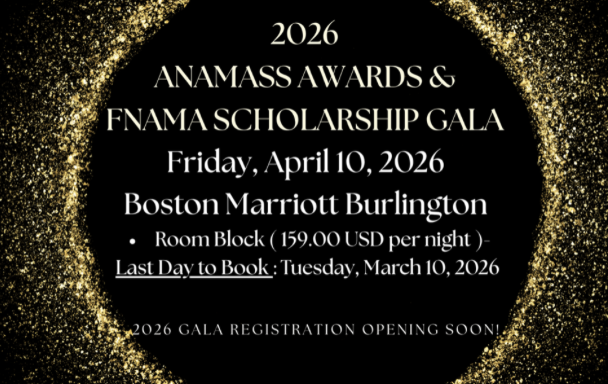
Save the Date: 2026 ANAMASS Awards/FNAMA Scholarship Gala 
April 10, 2026 | Burlington, MA

The 2026 ANAMASS Awards & FNAMA Scholarship Gala will be held at the Boston Marriott Burlington.  Registration for the event is now open.

Reserve your hotel room today! Deadline for room reservation is 3/10.

Make Your Hotel Reservation Here

Award winners were recently announced and are listed below. 

Celebrate our 2026 ANAMASS Award Recipients

Living Legends in Massachusetts Nursing

Sharon Callender, RN, MPH, BSN
Laura Hayman, PhD, MSN, FAAN, FAHA, FPCNA, FSBM
Eileen Stuart-Shor, PhD, ANP, FAAN
Maria van Pelt, PhD, CRNA, CNE, CPPS, FAAN, FAANA

Friend of Nursing Award

Senator Joan Lovely

Excellence in Nursing Education

Tanya Coutu, MSN, RN

Excellence in Nursing Practice

Kellie Olsen, DNP, NP-C, AOCNP, OCN, CBCN

Excellence in Nursing Research

Sun Kim, PhD, APRN-BC, FAAN

Mary A. Manning Nurse Mentoring Award

Chizoba Nwosu, PhD, APRN, FNP-BC

Community Service Award

Kimberly Claude, DNP, ANP-BC

Nurse Innovation Award

Donna Glynn, PhD, RN

Nurse Led-Teams Award

Alicia Hamelburg, RN
Bryanne Harrington, MSM, BSN, RN, CNOR

Diversity, Equity, Inclusion Award

Jennifer Orbeso, DNP, RN

Nurses Light Up the Skies 2026
May 5, 2026

Leonard Zakim Bridge will be lit RED on May 5th to celebrate National Nurses Week!  Nurses Light Up the Skies is a beautiful way to honor nurses, drive awareness of our advocacy efforts within the healthcare community, and elevate the profession.  This year, there will be over 200 national landmarks illuminated in RED to celebrate National Nurses Week, May 6-12, 2026.

Please join ANAMASS and nurses from across the state at the Blackmoor Bar and Kitchen on Tuesday, May 5th, from 6-8 p.m. to celebrate our profession, engage with other nurses, and get a first-class view of the Zakim Bridge. All nurses are welcome – share widely with your co-workers, colleagues, and friends. We hope to see you there!

#ThePowerOfNurses #NursesLightUpTheSky

Registration fee: $5*

*(Registration fee includes complementary appetizers!!)

Register TODAY

ANAMASS Invites All RNs To Another Unforgettable Red Sox Nurses Night at Fenway Park!
May 13, 2026 | Boston, MA

This special event is all about celebrating and recognizing the dedication of nurses like YOU!

Wednesday, May 13, 2026
Boston Red Sox vs. Phillies
Game Time: 6:45 p.m.

Secure your spot today and join us for a well-deserved night of appreciation, camaraderie, and Red Sox baseball!

Tickets: $43.22 - $59.68
(ANAMASS receives a $5 donation from each ticket sold)

Order your tickets here.

CODE: ANA2026
Ordering deadline: March 9th!!

Don't miss out — order TODAY!
First come, first served! Seats are limited!
ANAMASS Quarterly "Drop-in" Calls
March 18, 2026 | Virtual

You are invited to JOIN ANAMASS for quarterly drop-in calls to learn more about ANAMASS (events and programs) and the ANAMASS committees: Approver Unit, Awards, Bylaws, Health Policy, Membership Engagement, Newsletter, and Professional Development.

Mark your calendars and register for the Wednesday, March 18, 2026 @ 6:00 p.m. -6:30 p.m. (no fee).

REGISTER HERE

Save the Dates for future "drop-ins":

  • Wednesday, June 17, 2026
  • Wednesday, September 16, 2026

We hope that you can join us, have a chat, and get more involved in ANA Massachusetts

Questions?? Do not hesitate to reach out 617-990-2856 or info@anamass.org

From the Association
Bylaws Committee Update
MM
Mary McKenzie, EdM, MS, RN

This year ANA MASS Bylaws Committee is undergoing a 10 year review by the American Nurses Association (ANA) to insure continual compliance with ANA Bylaws. Therefore there will be no proposed Bylaw changes this year.

ANA will be holding a Membership Assembly in June. This was formerly known as the House of Delegates. At the Membership Assembly the delegates will be asked to vote on a proposed bylaw change which will will allow LPNs to to become members of ANA. If passed, this will impact state associations, as they will be required to have their bylaws comply with ANA and allow LPNs to become members. The concern is do they become full members with all the rights and privileges as RNs have or do the become associate members with limits on their function within ANA.

With full membership, LPNs would be able to hold office (president, vice president, secretary, treasurer, etc), chair committees, head task forces etc. With associate membership, there will be limits on their function within ANA and member states. This is a question for the Membership Assembly to decide in June.

Mary McKenzie

Chair, Bylaws Committee

Health Policy
Showcasing the Power of Nurses in 2026, both Statewide and Nationally
CS
Christine Schrauf, PhD, RN, MBA

State Action. As we begin the second year of the Massachusetts legislative session, nurses in the Commonwealth continue to advocate for bills that advance the interests of the patients they care for as well as their own profession. Here is the current status (as of 1/1/26) for the most critical bills on our Legislative Agenda:

  • S. 1572/H. 766 An Act relative to acute hospital and nursing home governance

Public hearings were held in September before the Joint Committee on Public Health on S. 1772 and the Joint Committee on Aging and Independence on H. 766, where ANAMASS advocated in support of the bill and the benefits of including an RN on the governing boards of these health organizations throughout the state. Legislators on the House Committee on Elder Affairs were especially engaged in asking questions of ANAMASS President Tricia Crispi, who presented our testimony on this bill. As is our custom, more extensive written testimony was also presented to both chambers' committees considering the bill, outlining how passage of this bill would benefit patient care and health outcomes. We are awaiting further action on both bills.

  • S. 1543/H. 2397 An Act establishing a nursing workforce center

Public hearings were held on this bill in June before the Joint Committee on Public Health with the goal of providing ongoing state support to the already-existing MA Nursing Workforce Center. The Center is a necessary entity to identify the nursing needs of MA citizens and identify mechanisms to ensure the "urgent collaboration from all sectors to meet the needs of changing patient demographics, address personnel shortages, tackle provider burnout, and drive meaningful change" per the Workforce Center mission at https://www.ncwsma.org/ H. 2397 was reported favorably and referred to the House Ways and Means Committee for further consideration. Hurray for this first successful step! S. 1543 is still pending before the committee.

  • S. 1482/H. 2442 An Act protecting patients and health care workers from exposure to surgical smoke

In an effort to provide needed respiratory health protection of our perioperative nurse colleagues, ANAMASS has worked in collaboration with AORN to file this legislation, as has occurred in many states throughout the country. In-person demonstrations at the State House of how appropriate smoke retrieval equipment can mitigate this risk have made a significant impact on state legislators. Both bills had a public hearing in June before the Joint Committee on Public Health. H. 2442 was referred to the Joint Committee on Health Care Financing, which has received an extension on reporting on the bill until March 18, 2026. S. 1482 was given a favorable report and referred to the Senate Committee on Ways and Means. Moving the bill to the Senate Committee on Ways and Means is a significant step in the legislative process.

  • H. 2655/S. 1718 Workplace Violence: An Act requiring health care employers to develop and implement programs to prevent workplace violence

This bill represents a topic that has been the focus of an MA legislative bill for several sessions over the years. However, competing versions of the bill have been resolved in the past two years and now have a better chance of success. H. 2655, the bill initially sent to the Joint Committee on Public Safety and Homeland Security, was redrafted as H. 4767 and has been referred to the House Committee on Ways and Means. S. 1718 was given a favorable report by the committee and referred to the Senate Committee on Ways and Means. All nurses have their fingers crossed that the House and Senate will finally act on this needed legislation, as the incidence of violence affecting health care providers has escalated in recent years.

To view all the bills on the ANAMASS Legislative Agenda, please click on the "policy" tab at our website, anamass.org

National Action. You may have read about the recent decision of the U.S. Department of Education to lower loan caps for nurses seeking graduate degrees as they implement provisions of the One Big Beautiful Bill Act (OBBBA). Under the current proposal, only physicians, lawyers, psychologists, and theologians would qualify for the higher "professional" loan caps at $50,000 annual and $200,000 total to help finance their education. Other health workers, including registered nurses and advanced practice registered nurses, would be excluded from this professional category and be limited to loans of $20,500 annually and $100,000 total.

This rule, if implemented, would clearly affect the ability of nurses to seek additional education despite the undisputed need for more nurses with higher degrees to fill needed roles in education, administration, and primary care roles throughout the country.

The reaction to this proposed rulemaking has been immediate and extensive. More than 227,000 nurses have answered the call from ANA and 25 other nursing organizations by adding their signatures to a petition asking that this decision be reversed. More than 140 federal Senators and Representatives have sent a letter to the Department of Education advising that nursing be added to the list of "professions" eligible for the higher loan amount, noting the critical need for highly educated nurses, especially in poorly served population areas and in health care arenas where they are most effective.

It is not too late for you to take action and add to the pressure to reverse the current proposed rule. Contact your federal senator and representative today! Stay tuned for more ANA updates on this important issue for nurses and patients.

Health Policy Holiday Report
Submitted by the Health Policy Committee

'Twas the night before Lobby Day and all through the statehouse

Staffers prepared for our nurses to pounce

The nurses were travelling by 2s and by 3x to learn the importance of ADVOCACY

The packets were stuffed by Lisa with care in hopes that 150 nurses soon would be there

Cammie worked hard...more than 90 appointments with staffers and members, and nurses were sent

Getting nurses on boards and a nurse workforce center

Curbing violence towards staff by all those who enter

In the Great Hall of Flags, boxes were smoking

To show how surgical smoke leads to more nurses choking

And now, as the leg session draws to a close

We look to the future; where will ANA MASS go?

The Health Policy Committee commits to the goals:

STRONG NURSES! STRONG VOICES! STRONG HEALTHCARE FOR ALL

Explore Top Rated Nursing Programs

Education at every step. Quickly access top schools and programs by degree level & educational background. (Online and In-person options)

MSN Programs

Nurse Practitioner Programs

DNP Programs

SPONSORED
CE Corner
Guidance on the Responsible Use of Artificial Intelligence (AI) in Accredited Continuing Education (CE)
Judy L Sheehan, MSN, RN, NCPD-BC

Condensed from the original ANCC statement. The full statement can be found on the ANAMASS website

AI tools can enrich educational effectiveness, foster learner engagement, and support data-informed planning and evaluation while maintaining alignment with accreditation standards. When used thoughtfully, AI can be a powerful adjunct to educational design, improving efficiency and sparking creativity, while augmenting (not replacing) human insight and professional judgment.

The following guidance from ANCC addresses accreditation-related requirements as they relate to the use of AI in CE:

  1. Safeguard Independence and Mitigate Bias

Approved Providers must ensure that AI-generated or AI-assisted content does not introduce bias or undue influence. All content must comply with the Standards for Integrity and Independence in Accredited Continuing Education.

  1. Transparently Disclose AI Use

When AI is used in the creation or development of educational content, educators and accredited CE providers should disclose its use. 

  1. Ensure Human Oversight, Accuracy, and Accountability
  2. Protect Learner Identity and Sensitive Information
  3. Limit Prohibited or High-Risk Uses

AI should not generally be used for the following purposes; if used, especially rigorous oversight and expert review should be in place:

  • Generating diagnostic or treatment recommendations without clinical validation.
  • Entering or storing sensitive content in public or non-secure AI platforms.
  • Auto-producing assessment answers are visible to learners.
  • Automating analysis or summaries that bypass bias, independence, or accuracy checks.
  1. Establish Internal Governance and Continuous Improvement Practices

Conclusion

Generative AI tools, especially those that are open-source or publicly accessible, introduce additional risks beyond educational content accuracy, including regulatory, intellectual property (IP), and confidentiality vulnerabilities (Masters, 2023; Ensign, Nisly, & Pardo, 2024). As this field evolves, so will guidance from the accrediting bodies, as responsible AI integration into CE requires flexibility, transparency, integrity, and accountability, all of which remain core to the values of accredited continuing education.

Article references 

Accreditation Council for Continuing Medical Education (ACCME). (2024). Standards for Integrity and Independence in Accredited Continuing Education. https://accme.org/wp- content/uploads/2024/05/881_20220623_Standards-for-Integrity-and-Independence-in- Accredited-CE-Information-Package.pdf

American Medical Association. (2020). AMA Manual of Style: A Guide for Authors and Editors(11th ed.). Oxford University Press. https://academic.oup.com/amamanualofstyle/book/27941

Ensign, D., Nisly, S. A., & Pardo, C. O. (2024). The Future of Generative AI in Continuing Professional Development (CPD): Crowdsourcing the Alliance Community. Journal of CME, 13(1), 2437288. https://doi.org/10.1080/28338073.2024.2437288

Additional Continuing Education Opportunities
Impact of the Trump Administration on Health Care: Policies, Practice, and the Public's Health
March 18, 2026 6:15 PM-8:30 PM | Virtual

Co-Sponsored with Harvard Pilgrim Health Care, a Point32Health company

Registration begins February 1, 2026

Date: March 18, 2026

Title: How have recent federal health policies shaped access, equity, public health, and patient care?

This dynamic panel of experts explores how Trump Administration policies have influenced cost, access, public health, and patient outcomes, and what nurses and health professionals can do moving forward. Don't miss this opportunity to gain insight, context, and practical strategies for advocacy and practice.

Contact Hours: 2

Location: Virtual Webinar via Zoom

Time: 6:15 to 8:30 pm

Fee: None

Registration Information: You MUST preregister by 3:00 pm on March 18, 2026

Register Here

ANAMASS Approver Unit Evening Webinar
March 27, 2026 6:30 PM-7:30 PM | Virtual

Register Here

Vaccines at a Crossroads: Global Challenges, Local Realities, and the Future of Immunization
April 8, 2026 6:15 PM-8:30 PM | Virtual

Vaccines save lives—but access gaps, misinformation, and policy failures are putting global and local communities at risk. Join this timely panel to examine vaccine challenges across global, national, and international levels and learn how nurses and health professionals can lead change. This is a call to action for those ready to protect the public's health, restore trust, and shape the future of immunization. Don't miss it!

Contact Hours: 2

Location: Virtual Webinar via Zoom

Time: 6:15 to 8:30 pm

Fee: None

Registration Information: You MUST preregister by 3:00 pm on March 18, 2026

These activities have been submitted to American Nurses Association Massachusetts for approval to award contact hours. American Nurses Association Massachusetts is accredited as an approver of nursing continuing professional development by the American Nurses Credentialing Center's Commission on Accreditation. For more information regarding contact hours, please email: presidents.lectureseries@regiscollege.edu

Register Here

ANAMASS Approver Unit Lunchtime Webinar
April 24, 2026 12 PM | Virtual

Small group coaching, discussion, and problem-solving.

Register Here

ANAMASS Approver Unit Spring Symposium FINAL Runway to Changes
June 5, 2026 | All Day In-Person Program

Summary, discussion, and review of key concepts. Lessons learned and case assessment, and practice.

Registration Opening soon!

Updates from the Board of Registration in Nursing

Nurse Licensure Compact (NLC)

The Board of Registration in Nursing's efforts toward full Nurse Licensure Compact (NLC) implementation continue to advance. The Board is working to obtain FBI approval to conduct federal background checks as required by the NLC. Additionally, the Board will need to amend nursing regulations and licensure fees in order to fully implement the NLC. Https://www.mass.gov/news/implementation-of-the-nurse-licensure-compact 

Renewal Years

Your RN license and APRN authorization expire at 11:59 PM on your birthday in even numbered years. Your LPN license expires at 11:59 PM on your birthday in odd-numbered years. You can renew starting 90 days before expiration. Once you complete the online renewal, we will process your request immediately.  The Board no longer prints or mails paper licenses.

Https://www.mass.gov/how-to/renew-your-nursing-license 

Scope of Practice Advisory Ruling

Issued on February 12, 2025

AR 25-01: Registered Nurse and Licensed Practical Nurse Scope of Practice

Details that nurses must acquire necessary skills and practice within accepted professional standards, highlighting individual accountability.

Https://www.mass.gov/doc/ar-25-01-rn-and-lpn-scope-of-practice-pdf/download 

Center for Health Information and Analysis (CHIA) 

CHIA is an independent agency that acts as the steward of Massachusetts health data, producing reports on costs, quality, and the health care workforce, including nurses. The Nursing Workforce Data Dashboard can be found at https://www.mass.gov/info-details/registered-nurse-rn-health-professions-interactive-data-dashboard

Little Gestures
Judy L Sheehan, MSN, RN, NCPD-BC

It's the little gestures

The smile,

         the kiss

                 The hands that give a gentle touch

Bringing comfort,

        sharing kindness,

                  holding space 

                            For tears and laughter

The leaves

         That come from months dead branches

                  Make the difference

                            between despair and hope

And...being here

          The quiet, loving energy surrounds

                  even the most angry, tired, isolated of us

                              As we become more human

Book Review
OVERCOMING: Stories of Leadership, Resilience, and Action by author Karen A. Daley.
Gail B. Gall, PhD, RN

Karen Daley has opened the doors for all to learn from her fifty years of nursing leadership in her book: “Overcoming: Stories of Leadership, Resilience and Action.” Her determination and ability to overcome challenges in family life, workplace injury, patient care, and her ongoing education demonstrate the values of education and leadership development. Karen Daley is very clear about the diverse leadership roles and supports the varied paths available through advanced education, progression to clinical leadership, and specialty certifications.

Chapters cover issues such as her home life, starting over, her career-changing injury, and her experiences as ANA President, Parts 1 and 2, and provide leadership lessons that can benefit all. Readers of “Overcoming” will encounter multiple viewpoints. Those who consider nursing a vocation, enrolled students, nurse educators, and preceptors will find many opportunities for deep thought and new insights.  

….” I found Overcoming so engrossing that I read it in one sitting.
Karen is living proof that we can be our best selves even when life throws us an outrageous curveball.
…..Karen’s story reminds us that courage and commitment are available for anyone who wants to make a meaningful difference in the world and summons us to serve as advocates and leaders in our own practices and communities.” Foreword by Marie J. Weston, PhD, RN, FAAN

Published by SDP Publishing
Email: info@SDPPublishing.com

Nursing News
Professional by Practice: The Case for Protecting Graduate Nursing Education
Jay Prosser, DNP, RN, CCRN-K, NE-BC

The following is the work of the Faculty and Education Committee, part of the Nursing Council on Workforce Sustainability.


We are facing a critical inflection point in the future nursing workforce. A proposal is under consideration by the U.S. Department of Higher Education's RISE Committee to continue to classify graduate nursing degrees as non-professional. This would fundamentally undermine the healthcare delivery system, its nursing education pipeline, and access to care for its most vulnerable residents. The Faculty & Education Committee of the Nursing Council on Workforce Sustainability (NCWS), representing more than two centuries of collective expertise in nursing practice, education, research, and leadership, strongly opposes this reclassification.

Graduate nursing education prepares the clinicians and educators who are essential to a functioning health system. Nurse practitioners (NPs), certified nurse midwives (CNMs), certified registered nurse anesthetists (CRNAs), nurse educators, and nurse leaders are not ancillary professionals; they are core providers across primary, acute, and critical care, behavioral and maternal health, and community-based services. In Massachusetts, these roles are particularly vital as healthcare systems confront provider shortages, a rising demand for mental health services, and persistent gaps in rural and underserved communities.

Keeping graduate nursing programs as non-professional degrees would immediately and materially reduce access to federal student financial aid. Limits for federal loans for non-professional graduate degrees are roughly half of the limits for loans available to students in professional programs—dropping from approximately $50,000 to $20,500 annually, and from $200,000 to $100,000 in aggregate. The average graduate nursing tuition in Massachusetts exceeds $30,000 per year, making graduate education financially inaccessible for many qualified nurses. The result: fewer advanced practice clinicians plus fewer faculty prepared to educate the next generation of nurses.

This also directly restricts access to healthcare. NPs, CNMs, and CRNAs are among the fastest-growing and most in-demand healthcare providers in the United States. They play a central role in expanding primary care capacity, delivering maternal health services, managing chronic disease, and supporting behavioral health systems. A robust body of evidence demonstrates that NP-led care produces high-quality outcomes across diverse settings, including home-based primary care, heart failure management, HIV care, and psychiatric services. Limiting the pipeline into these roles is not a neutral budgetary decision—it is a choice that reduces care availability and access.

The impact would be especially severe in rural and underserved communities. Approximately 46 million Americans live in rural areas, where access to physicians is limited, and healthcare needs are often greater. NPs are more likely than physicians to practice in these settings and are frequently the sole primary care providers in these medically underserved areas. Increasing financial barriers to graduate nursing education will disproportionately reduce the supply of clinicians willing and able to serve these communities, widening existing health disparities

Equally concerning is the threat to the nursing faculty pipeline. Graduate and doctoral education are required for nurse faculty. Massachusetts already faces a well-documented shortage of qualified nurse educators, which constrains nursing school capacity and limits enrollment despite high applicant demand. Testimony from nursing faculty across the Commonwealth consistently highlights the importance of federal loan programs—such as the Nurse Faculty Loan Program—in making graduate and doctoral education feasible while balancing employment and family responsibilities. Reduced access to these programs will further shrink the pool of qualified faculty, compounding workforce shortages at every level of nursing education

Failure to recognize graduate-level nursing as a professional career limits access to financial aid, reduces the number of advanced practice clinicians, weakens the nursing faculty pipeline, and ultimately restricts access to care. Graduate nursing education is, by both function and necessity, a professional degree pathway. Recognizing nursing's professional status is essential to maintaining a stable healthcare workforce, sustaining nursing education capacity, and ensuring equitable access to care across the Commonwealth and the country.

The question before federal policymakers is not whether graduate nursing education is professional in nature—it clearly is—but whether they will act in a way that protects the healthcare system patients depend on. Classifying these programs as non-professional would knowingly restrict access to care, weaken the nursing workforce, and deepen existing disparities. At a time of unprecedented demand for primary care, behavioral health, maternal health, and rural services, policies that constrict the supply of qualified clinicians are indefensible. Graduate nursing education must be formally recognized as a professional degree to ensure workforce stability, educational capacity, and equitable access to care.

NELNE Celebrates Doctoral Scholarship Recipient
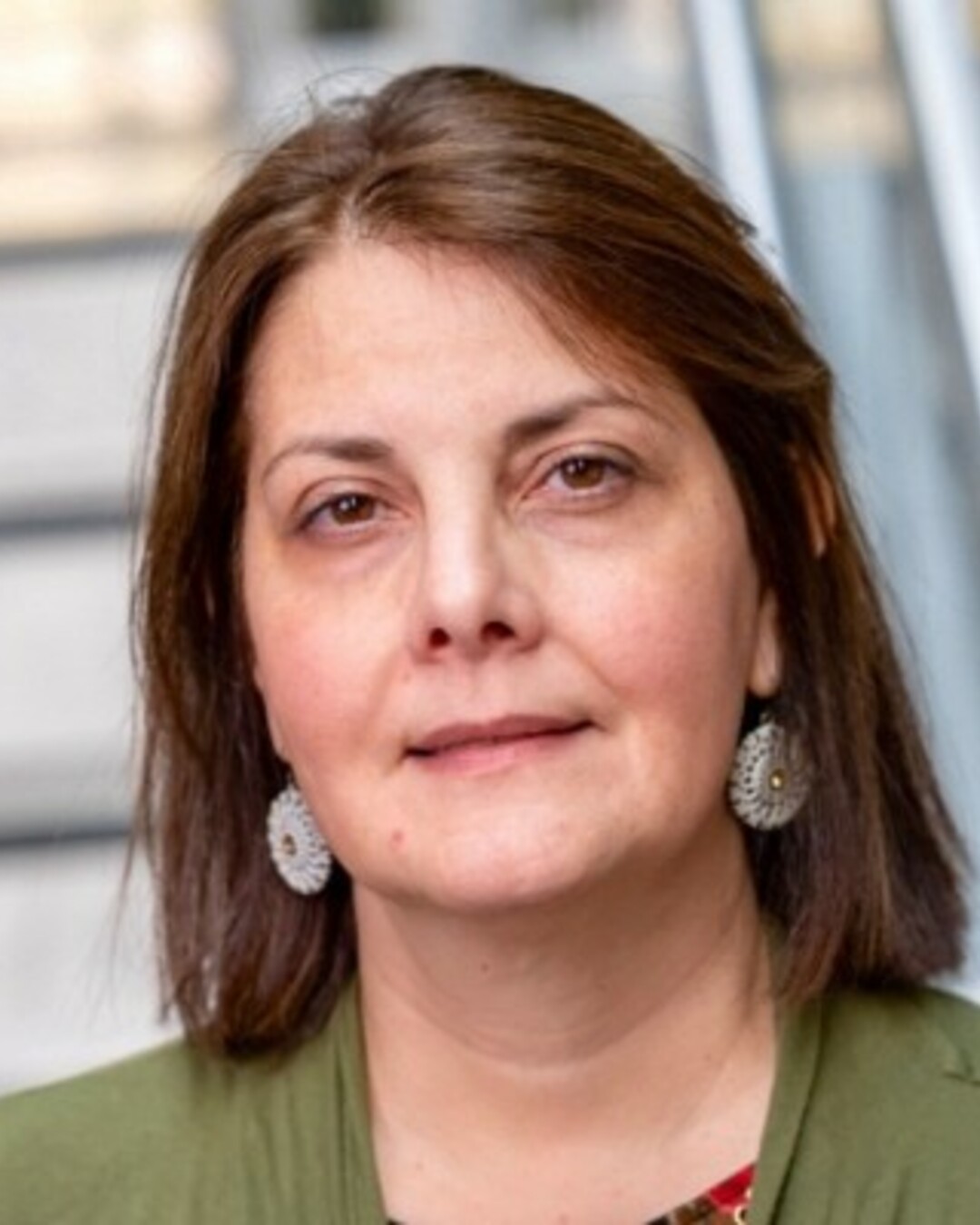
Rachael Salguero, PhD, RN-BC, CNEcl
Lisa Cross, PHD RN CNE CRRN CHPN
Angela MacDonald, DNP, RN, CNE

The New England League for Nurse Educators (NELNE) advances excellence in nursing education by supporting scholarship, fostering a strong and diverse nursing workforce, and promoting nursing education across New England to improve health equity locally and globally. A key part of this work is recognizing and supporting nurse educators and scholars whose research, teaching, and leadership reflect NELNE's commitment to health equity, inclusion, and educational excellence. Through scholarships and professional recognition, NELNE elevates nurse educators whose work strengthens nursing education and advances health equity across communities.

In alignment with this mission, NELNE is proud to recognize Diana Namumbejja Abwoye as the recipient of the 2025 Doctoral Scholarship. Diana is a PhD student at Yale University, where her research focuses on the reproductive health needs of refugee populations. Her scholarly work directly builds on her years of clinical practice serving refugee and immigrant communities and reflects a commitment to advancing health equity at both local and global levels.

In addition to her doctoral studies and clinical practice, Diana is a nursing faculty member at Middlesex Community College (MCC). Diana intentionally chooses to teach at a community college because of its mission of equity and accessibility. Diana shares the view that community colleges are entry points for first-generation students, working parents, immigrants, and those from backgrounds that have been historically excluded from higher education. By teaching at MCC, Diana shares that she can help to ensure that pathways into nursing remain open and inclusive, while supporting students in becoming both excellent clinicians and advocating for health equity.

Diana's long-term career goal is to continue shaping the future of nursing education by integrating her clinical expertise, global health experience, and doctoral research into teaching and mentorship. She envisions building strong bridges between academia, clinical practice, and global health so that nursing students are prepared not only to provide high-quality bedside care but also to lead efforts that advance health equity, inclusion, and justice across health systems.

NELNE congratulates Diana on this well-deserved recognition and is proud to support her continued contributions to nursing education, scholarship, and health equity. We hope that you will all consider joining our virtual Spring conference on April 10, 2026. More information can be found here: https://nelne.nursingnetwork.com/

ONL Foundation: Proceeds from Massachusetts RN License Plates Support the Nursing Profession

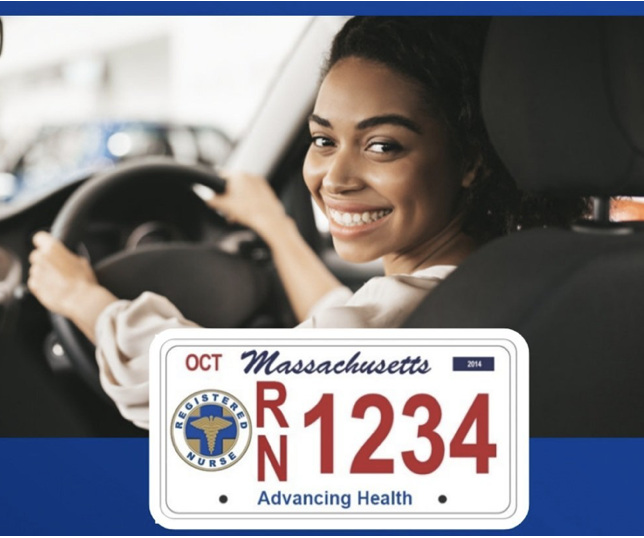
On any given day, Massachusetts roadways feature a variety of specialty license plates supporting causes close to our communities---the Red Sox Foundation, the Jimmy Fund, and even efforts to protect Right whales. Among them is a plate dedicated to a profession that touches every corner of health care: nursing.

The Massachusetts RN License Plate is more than just a symbol of pride in the profession. Proceeds from plate fees directly support the ONL Foundation, a 501(c)(3) affiliate of the Organization of Nurse Leaders -- New England. The Foundation is dedicated to empowering and developing nursing professionals through education, leadership development, research, and scholarships for continuing education. Each RN plate purchased raises both awareness of the nursing profession and financial support for these vital initiatives.

Available for all non-commercial vehicles (both owned and leased) registered in Massachusetts, the RN License Plate costs $40, and the full fee is tax-deductible. Ordering is quick and convenient through the Massachusetts RMV website, and new plates typically arrive by mail within 10 business days. Applicants only need a driver's license and current registration details to complete the process.

"The Massachusetts RN License Plate is a terrific way to celebrate the nursing profession, demonstrate pride in being a nurse, and show support for nurses," says Jennifer Thiesen, DNP, FNP-BC, ACNP-BC, NEA-BC, who serves as board chair of the ONL Foundation and as Associate Chief Nursing Officer, Professional Practice at Cambridge Health Alliance.

Order Here

Since its launch, more than 1,500 RN license plates have been purchased by nurses and non-nurses alike, and that number continues to grow.

To learn more or order the Massachusetts RN License plate, please visit www.onlfoundation.org/license-plate. To learn more about the ONL Foundation, visit www.onlfoundation.org.

From the Foundation
LOWER Your Taxes and SUPPORT Nursing Scholarships!! Donate to FNAMA TODAY!

It is never too late to make your tax-deductible donation to FNAMA. We invite you to celebrate all nurses by continuing to advance nursing by donating to the Foundation for Nursing Advancement in Massachusetts (FNAMA) today. 

The Foundation for Nursing Advancement in Massachusetts (FNAMA) is the charitable, professional, and scholarly arm of the American Nurses Association Massachusetts, Inc.

The purpose of the foundation is to advance the nursing profession through philanthropic activities that promote scholarship, nursing research, and innovation.

FNAMA was founded in 2020 as the research, education, and charitable affiliate of ANA Massachusetts. Since its inception, we have sought to advance the nursing profession through raising funds for advances in research, education, and clinical practice to the benefit of the whole health care system.

The Foundation relies on the generosity of its donors to achieve and expand on its mission and vision. Individuals, corporations, government agencies, and private foundations make it possible for us to undertake potentially life-changing research, support nurses, and improve health care in the Commonwealth.

You can accomplish all of this by making a tax-deductible donation to FNAMA. Your donation will be used to support the mission of the FNAMA. 

DONATE TODAY: https://donorbox.org/fnama-org

Membership
Join ANA/ANAMASS Today!

Joint ANA/ANAMASS members get amazing benefits to help them on and off the job. Join ANA/ANAMASS and receive FREE CNE, award-winning journals, up-to-date nursing news, and free webinars. You also get discounts on tuition, liability insurance, financial planning, student loan refinancing, and more. Join ANA/ANAMASS today! Just $15.75/month!
Exciting News! Premier Joint Membership is Here with Enhanced Member Benefits. ANA/ANAMASS is committed to providing you with the tools and resources you need to thrive in your nursing career. Premier Joint Membership offers nearly $950 of enhanced value, offering even more value and exclusive opportunities to support your professional growth and development. 

Premier Membership benefits have been expanded and includes:

  • An additional $100 discount on ANCC Certification (for a total of $200 off the cost)
  • A FREE webinar on Strategies for Certification Exam Success
  • Online courses on ethics, leadership, and more – where you can earn up to 3 free CNE credits
  • Free e-books and member-only discounts on books
  • And much more!
Advertise in This Newsletter

Thank you for your interest in sponsoring & supporting our association. For advertising rates and information, please contact Nursing Network at advertising@nursingnetwork.com 

The American Nurses Association Massachusetts (ANAMASS) is the premier organization representing the interests of every registered nurse within the state. They are the largest voluntary professional nursing organization in the state, with members who practice in settings ranging from acute care to community health, from the bedside to the boardroom.

Get in touch
Connect With Us
Facebook Instagram YouTube
Terms and Conditions Cookie Policy Privacy Policy Contact Us