Montana Nurses "The Pulse" - Quarterly
Table of Contents
CEO Report
Legislative Corner 2025 Legislative Roundup
CFO Report PRN, PDR and/or Pool RN's in Collective Bargaining
Labor Reports and News We Must Obey the Law What Does Your Nurses Union Do for You? More Than You Might Think! Armour-Globe Organizing Wins Again! The Powerful Voice of Local Nurse Advocacy Mediation at a Crossroads: National Changes and What They Mean
Professional Development Montana Nurses Association Approved Providers Choosing your own adventure!
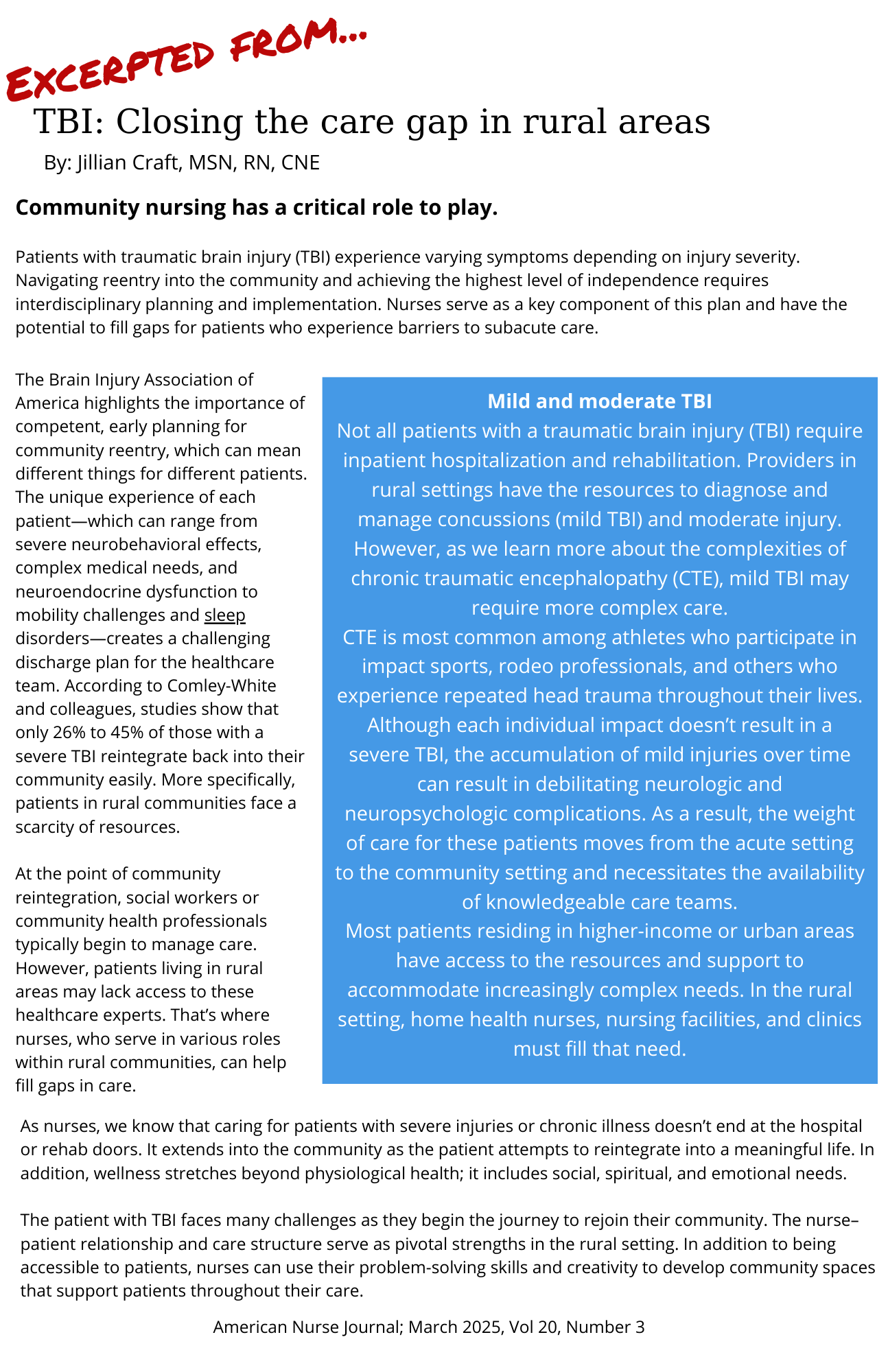
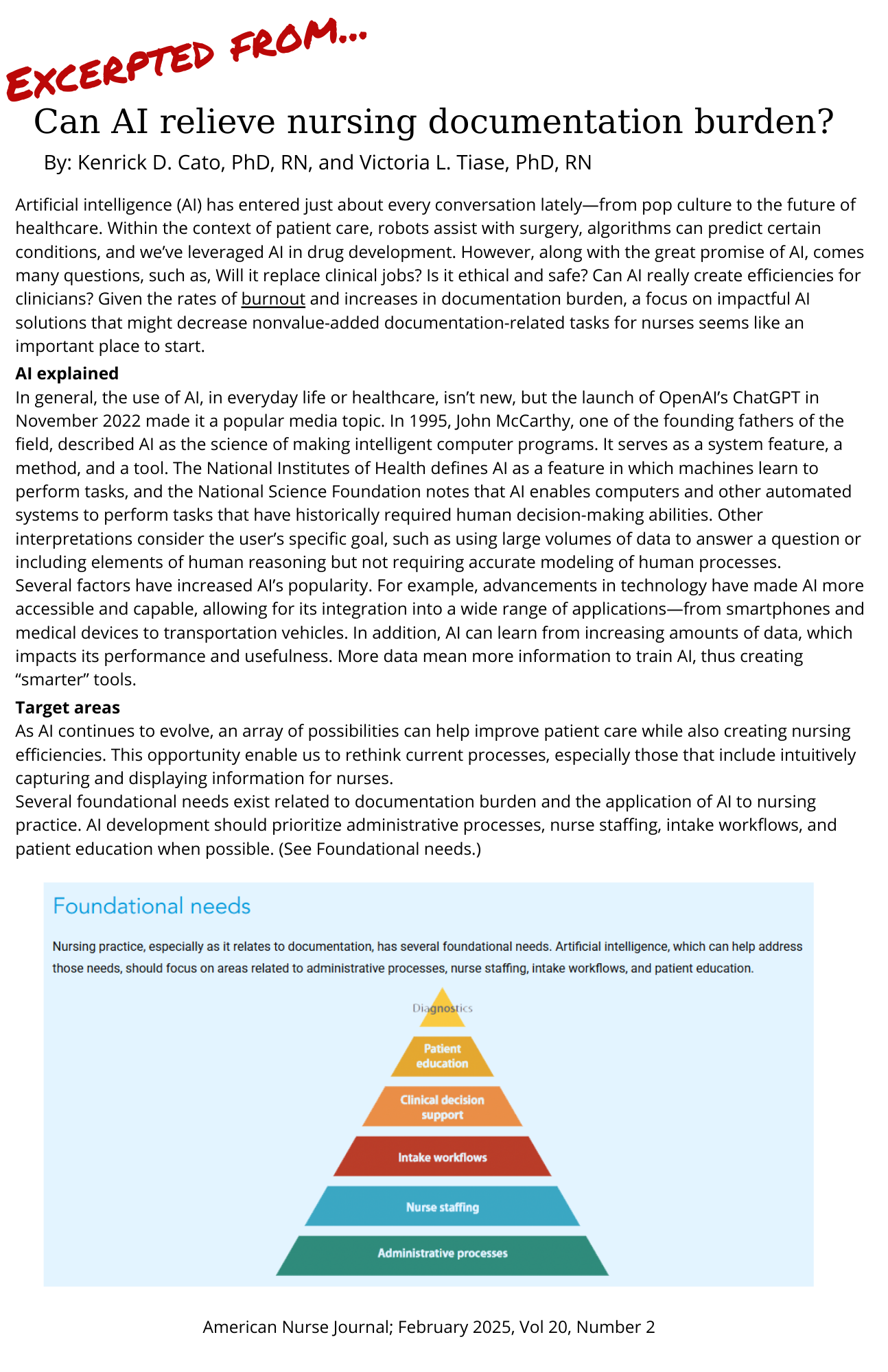
ANA Excerpts American Nurses Enterprise Celebrates The Power of Nurses™ During National Nurses Week TBI: Closing the care gap in rural areas Can AI relieve nursing documentation burden?
Join MNA Today! Lock in low 2024 rates now
May 2025

Mission Statement

The Montana Nurses Association promotes professional nursing practice, standards, and education; represents professional nurses; and provides nursing leadership in promoting high-quality health care.

CEO Report
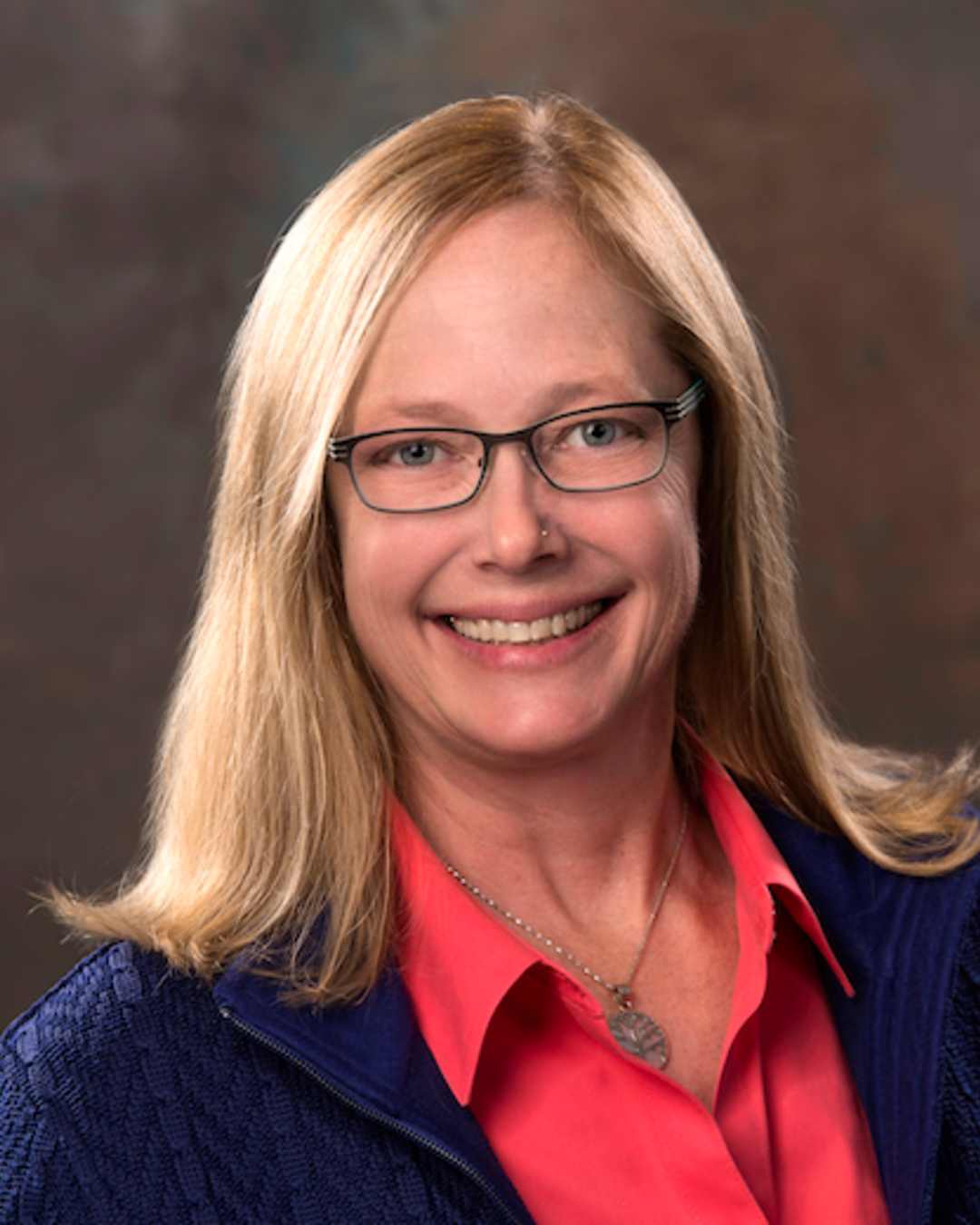
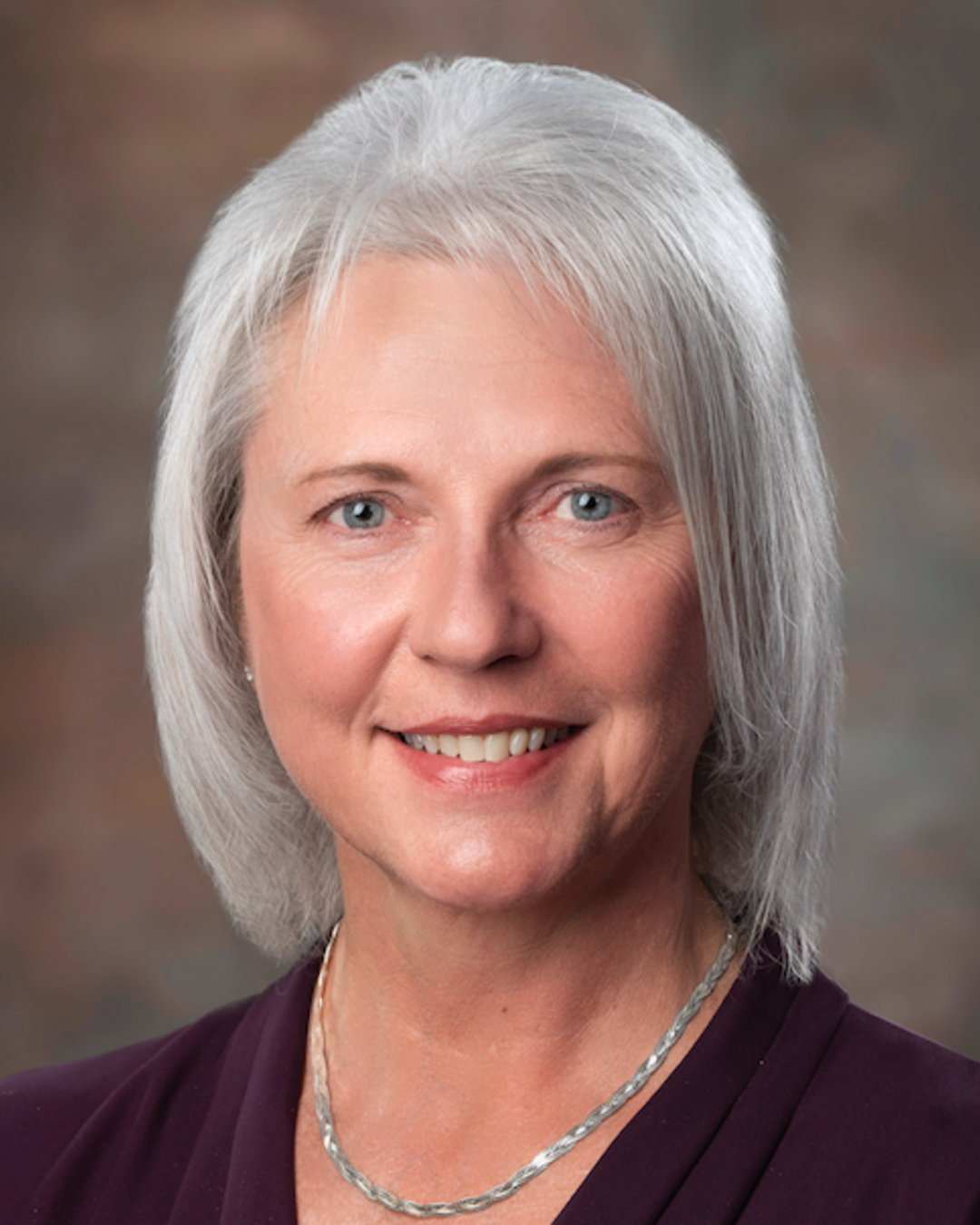
Vicky Byrd, MSN, RN - MNA CEO

April 25, 2025​

Dear MNA Members,

As dedicated professionals committed to evidence-based practice and the well-being of our communities, I feel it is imperative to address a couple of recent statements made by Robert F. Kennedy Jr., currently serving as the U.S. Secretary of Health and Human Services.​

Mr. Kennedy has publicly asserted that autism is a "preventable disease" and an "epidemic," suggesting that environmental exposures are the primary cause. He further claimed that autism "destroys families" and that affected children "will never pay taxes, hold a job, play baseball, write a poem, or use a toilet unassisted." ​

These statements are not only scientifically unfounded but also perpetuate harmful stereotypes about individuals with autism. The Centers for Disease Control and Prevention (CDC) emphasizes that autism spectrum disorder (ASD) is a complex developmental condition with multiple contributing factors, including genetics and environmental influences. Importantly, extensive research has found no link between vaccines and the development of autism. ​

Moreover, Mr. Kennedy has claimed that chronic diseases in the U.S. have increased from 3% during the 1960s to 60% today. However, data from the 1962--1963 National Health Interview Survey indicate that 44.5% of Americans reported having one or more chronic conditions at that time, not 3%. For children under 17, the figure was 20.1%, contradicting Kennedy's claim of 2%. ​(Follow this link for the whole article: The Washington Post).

These are just two examples of misinformation and disinformation. As nurses, our practice is grounded in scientific evidence and a commitment to public health. Spreading misinformation undermines public trust and can lead to harmful health decisions. It is crucial that we advocate for accurate information and support policies that reflect the best available science.​

I encourage all members to continue relying on reputable sources such as the CDC, World Health Organization (WHO), and, most importantly, peer-reviewed medical literature for guidance. Together, we can uphold the integrity of our profession and ensure the health and safety of our communities.​

Sincerely,

Vicky Byrd, MSN, RN
Chief Executive Officer
Montana Nurses Association
Legislative Corner
2025 Legislative Roundup
Vicky Byrd, MSN, RN - MNA CEO

  • Opposed and defeated all "Right to Work" legislation preserving MT "Blue Eyed Nurse Bill" of 1967.
  • Opposed HB 526 "An Act Adopting the Advance Practice Registered Nurse compact"-partnered with AANP in defeating this bill.

  • Supported HB 543 "An Act Repealing the Sunset on Reporting and Disclosure of Violence Against Health Care Employees"-Passed the Senate and House awaiting Governor's signature!

  • Supported SB 497 "An Act Addressing Career Fatigue and Wellness in Certain Health Care Providers" -Passed the Senate and House awaiting Governor's signature!

  • A confidential, non-disciplinary self-referral process that is independent of BON oversight.

  • Nurses need support, not stigma. A Safe Haven type of program.

  • A non-punitive, confidential mental health pathway is essential to retain and protect the nursing workforce.

  • Legislative and institutional changes are needed to ensure nurses can seek help without fear of professional consequences.

  • Supported SB 372 "An Act Establishing Safe Staffing Standards for Nurses; Creating Nurse Staffing committees in Hospitals to Protect and Enhance the Safety and Quality of Patient Care; and prescribing Minium Nurse to Patient Ratios"-tabled in committee.
CFO Report
PRN, PDR and/or Pool RN's in Collective Bargaining
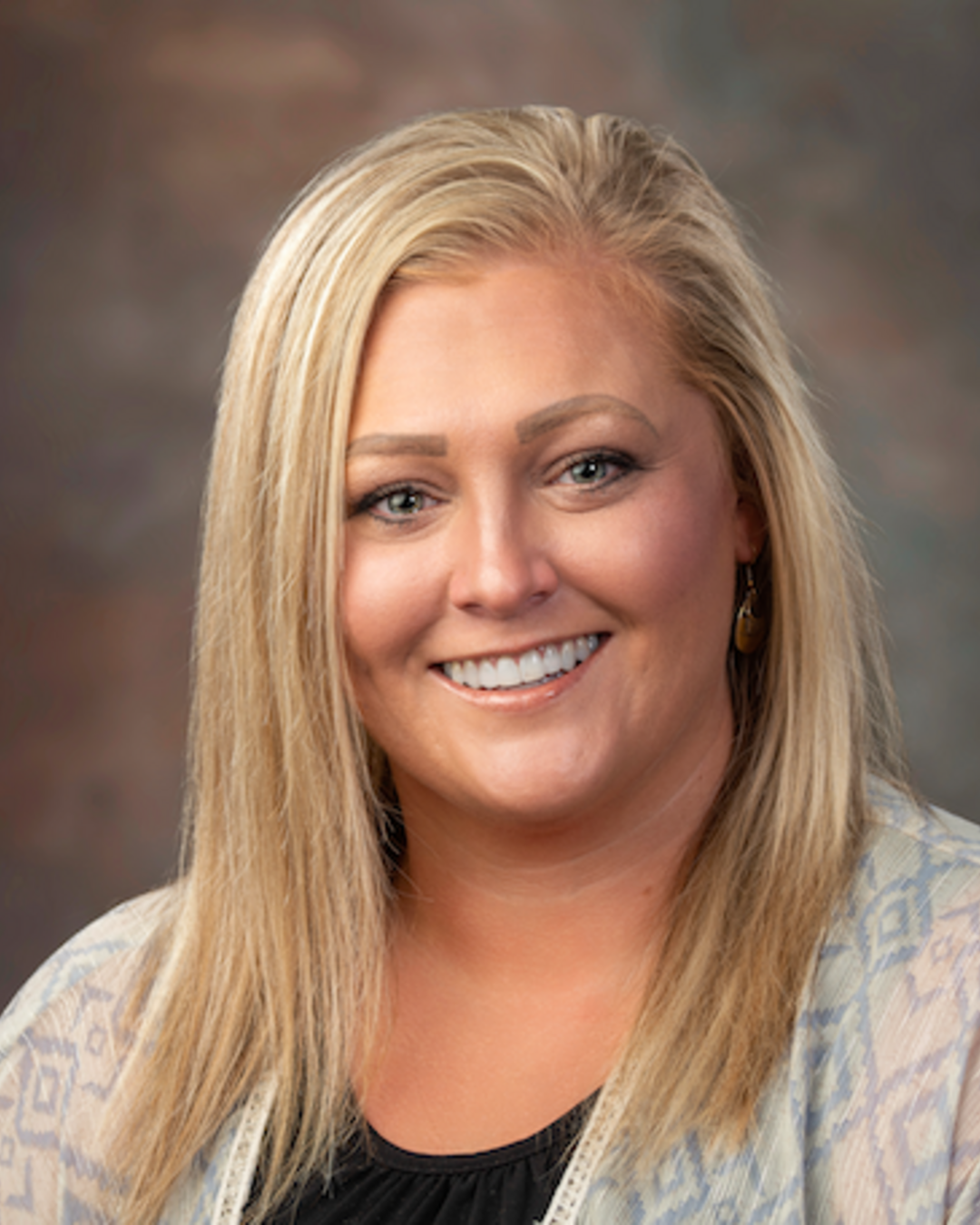
Brandi Dearing, AA, CFO

Please check your membership status.

PRN, PDR and/or Pool RN's in a Collective Bargaining:

PDR RN's do not always maintain compliance with the MNA union contract language when paying required monthly dues through the payroll deduction option; therefore we need to update your payment method to maintain your membership to MNA and ANA and your compliance with the MNA contract. Applications can be found at www.mtnurses.org/about/join/.

Annual, Credit Card and EFT Membership Payments:

Did your annual membership expire? Did your credit or debit card expire? Remember to keep MNA updated with your current information.  Be sure to contact MNA with any changes to your name, address, phone number and payment details.

To provide MNA with information on your status or to receive additional information on MNA membership please e-mail Brandi Dearing, Brandi@mtnurses.org

Labor Reports and News
We Must Obey the Law
Nurses Holding Compact Licenses- Beware!
Amy Hauschild, BSN, RN Labor Representative

The Montana Board of Nursing (BON) has established parameters for nurses practicing nursing in Montana while holding a multistate nursing license; those have become incorporated into the Administrative Rules of Montana (ARM); these regulations must be followed by all nurses.

One requirement changed in January 2024. Starting Jan 2, 2024, a new Nurse Licensure Compact (NLC) rule will be in effect. Nurses relocating to another compact state have 60 days from the time they move to apply for a new license by endorsement in a new primary state of residence. Nurses must apply for a Montana Nursing License even if their compact license from another state has not expired yet. Here is the language: "402(2) A multistate licensee who changes primary state of residence to another party state shall apply for a multistate license in the new party state within 60 days" https://boards.bsd.dli.mt.gov/nursing/.

MNA is encountering more and more nurses who have not complied with the 60-day rule and are thus practicing nursing in Montana without an active Montana nursing license. That is a violation of the law and places both the nurse, their patients, and their employer in great peril. Nurses have also been subject to severe disciplinary action by their employers. We all need to do our best to protect ourselves and our patients by following the law.

There is another rule constituting unprofessional conduct for nurses that I have found many nurses are unaware of, ARM 24.159.2301 (1) (b): (b) All nurses shall notify the board office of any change in address within ten days of the change. Failure to notify the board of an address change may result in a fine. If the BON needs to contact a licensee about an official matter, e.g., investigating a complaint about their practice, those communications are done by U.S. Mail; the nurse is responsible for keeping the licensing board aware of their current mailing address.

Two other aspects which constitute unprofessional conduct are ARM 24.159.2301 (2) (q) "failing to report a license or certificate in a related health care discipline in Montana, another state or any jurisdiction denied, revoked, suspended, placed on probation or voluntarily surrendered for any reason that would constitute a basis for disciplinary action in this state" and ARM 24.159.2301 (2) (u) "failing to report to the board office within 30 days of the date of the final judgment, order, or agency action, any malpractice, professional misconduct, criminal, or disciplinary action in which the nurse or the nurse's employer, on account of the nurse's conduct, is a named party". Violations are a big deal, protect your license.

Please take a few moments and review the entire code of conduct; you are responsible for being aware of and following the code. Search the Montana Secretary of State website for "Montana Administrative Rules 24.159.2301 CONDUCT OF NURSES".

What Does Your Nurses Union Do for You? More Than You Might Think!
Emily Peterson, Labor Representative

Between long shifts, short staffing, and nonstop patient care, it's easy to overlook what your union is doing in the background. But here's the thing: your union is one of your biggest allies on the job. From fighting for fair wages and safer nurse-to-patient ratios to making sure you're protected from burnout and backed legally when things get tough, your union has your back more than you might realize. Let's break down some of the ways your union is working hard for you, so you can keep doing what you do best: caring for others.

1. Better Pay and Stronger Contracts

One of the most visible wins unions fight for is better pay. Through collective bargaining, your union negotiates contracts that ensure you're getting fair compensation for the work you do---and regular raises that keep up with inflation and industry standards. Without a union? You're on your own at the negotiating table.

2. Safer Staffing Ratios

Ever been stretched too thin on a shift? Your union is behind the push for safer nurse-to-patient ratios. They advocate for policies that protect both you and your patients, because quality care starts with a nursing team that's not overwhelmed. At the state level, MNA is and will continue to advocate for safe staffing standards legislation for our Montana nurses.

3. Legal Support and Representation When You Need It Most

From disciplinary meetings and patient complaints to wage discrepancies and workplace investigations, your union stands by your side. You won't face difficult conversations or legal matters related to your contract alone --- we're here to support and advocate for you every step of the way.

4. Health & Retirement Benefits

Unions often bargain for and secure better healthcare options and retirement plans than what's offered outside of a unionized facility. This means lower premiums, better coverage, and peace of mind knowing your future's being looked after.

5. Protection from Burnout

Your union isn't just focused on wages, it's also fighting for securing reasonable and manageable schedules, guaranteed rest breaks, paid time off (and access to it!), and mental health support. When you are protected and supported, your patients, families, and anyone who counts on your benefits.

Have more questions or want to learn more? Contact your MNA representatives and set up a time to chat.

Find your Local representative by clicking the link below and selecting your local # or name. Your region representative's card is listed under your local landing page.

https://www.mtnurses.org/left-sidebar-2/

Armour-Globe Organizing Wins Again!
Kate Sheridan-Crego, MS - Labor Organizer

In February, we welcomed two new groups of MNA RNs into Local 32: Lake County Home Health and Hospice and Missoula Home and Community-Based Services (HCBS). These groups, part of Partners in Homecare, had not previously been part of Local 32, although they worked alongside unionized nurses or floated to cover shifts in Missoula County. Nurses from both groups reached out to MNA separately, citing concerns around work policies and wanting union protections and representation moving forward in their roles. Thanks to successful advocacy, these nurses were given the option to vote for MNA representation through an Armour-Globe election.

What is an Armour-Globe Election?

As discussed in the previous issue of the Pulse, Armour-Glove refers to two legal cases that established the precedent for allowing workers to join an already existing union. When our Labor Department receives a call from a nurse interested in organizing their workplace, one of our first steps is to determine the size and scope of the unit. For Lake County and HCBS, although they were distinct entities, their preference was to join Local 32 rather than create separate unions.

We petitioned the National Labor Relations Board (NLRB) separately for each group, requesting their inclusion in Local 32 pending successful votes for MNA representation. Partners in Homecare agreed to allow Lake County and HCBS to vote to join Local 32.

Successful Outcomes

In February, we observed vote count and successful elections of both Lake County and HCBS to join Local 32! During our organizing, Local 32 was in negotiations for their new contract, which was ratified shortly after the Armour-Globe elections. Bargaining teams from each new group will engage in "effects bargaining" this spring with Labor representative Leslie Shepherd to incorporate their units into Local 32, while being able to make amendments to the current contract that are specific to their sites or roles.

The Armour-Glove process strengthens existing locals by increasing membership and ensuring that nurses working alongside each other enjoy the same protections and benefits that union representation provides. If you or a nurse colleague have questions or want to know if your group may qualify for an Armour-Globe, please reach out to our Labor Director, Robin Haux.

The Powerful Voice of Local Nurse Advocacy
Leslie Shepherd, BSN, RN - Labor Representative

Union Officer. Unit Representative. Shop Steward. Nurse Steward. Union Leader. Grievance Officer. While these titles may vary, they all touch on a single, powerful concept: Nurse Advocate. Advocacy isn't merely a peripheral duty in nursing; it's a foundational for nursing as a profession. Nurses are the unwavering voices for our patients, the compassionate support for their families, and the dedicated champions for the health and well-being of our communities.

Just as advocacy is intricately linked to the essence of nursing, it forms the very bedrock of our unions. Consider the descriptions of an advocate: supporter, backer, promoter, spokesperson, campaigner, and yes, even fighter. When a nurse steps into the role of a leader within their union, they gain the ability to embody each of these aspects. You become the steadfast ally, standing shoulder-to-shoulder with your fellow nurses, passionately fighting for positive and sustainable changes in your daily working conditions.

Perhaps you find yourself wondering if you need to know all the intricacies of your contract, Montana labor law, or the National Labor Relations Act. The answer is a resounding no. The fundamental requirement for becoming a powerful Nurse Advocate is simply a genuine willingness to support your peers. Everything else -- the understanding of union procedures, the familiarity with contract language -- these are skills and knowledge that can be learned over time with the help from your Labor Representative. The Montana Nurses Association (MNA) is wholeheartedly committed to fostering and promoting advocacy at the local level and providing the resources and guidance you need to thrive in this vital role.

You, the nurses working directly within your departments and facilities, are the true experts. You possess an intimate understanding of the daily realities, the challenges, and the opportunities for improvement that exist within your specific environments. This firsthand knowledge makes you the ideal individuals to step forward and become the driving force for positive change as Nurse Advocates.

If the possibility of strengthening your voice and supporting your colleagues resonates with you, we encourage you to explore Union Leadership positions within your Local. Reach out to your Labor Representative or connect with your dedicated Local Leadership to learn more about how you can get involved. Remember, the more united we stand, the more unwavering our support for one another, the stronger and more effective our unions will become. Together, we can advocate for a better future for ourselves, our patients, and the nursing profession as a whole

Mediation at a Crossroads: National Changes and What They Mean
Robin Haux, BS - Labor Program Director

What is Mediation?

Mediation, in relation to a collective bargaining agreement, is a voluntary and confidential dispute resolution process in which a neutral third-party mediator assists the union and employer in either contract negotiations or resolving disagreements---typically over the interpretation, application, or terms of the agreement, your collective bargaining agreement.

Mediation for a disciplinary action refers to a voluntary and confidential process where a neutral third party (the mediator) helps the union, and the represented employee resolve a dispute as a result of a grievance being filed with the employer.

Mediation for contract negotiations follows the same structured approach. A neutral mediator assists the union, along with the bargaining team, and employer in overcoming impasses and finding common ground to reach an agreement. It is especially helpful when parties become "stuck" and need support to move forward productively.

What is the Federal Mediation and Conciliation Service (FMCS)

The Federal Mediation and Conciliation Service (FMCS) is an independent U.S. government agency established in 1947. It provides mediation, conflict resolution, and training services to support unions and employers in resolving labor disputes, particularly those involving collective bargaining.

Key functions of the FMCS include:

  • Assists in contract negotiations between labor unions and employers, especially when negotiations have become unproductive and could reach impasse.

  • Provides mediators to help resolve grievances, strikes, or other labor disputes.

  • Offers training in conflict resolution, labor-management relations, interest-based bargaining, and intentional bargaining.

  • Promoting collaborative labor-management relationships to help prevent disputes before they arise.

FMCS services are typically voluntary, free of charge, and strictly neutral.Bottom of Form

How Does Mediation Benefit MNA Members?

Most Montana Nurses Association (MNA) collective bargaining agreements include contract language that outlines a mediation process for grievances. This allows us to use mediation as a tool to settle disputes without escalating them further.
In contract negotiations, MNA has the option to request FMCS mediation support if both parties agree it's necessary. Your MNA Labor Representatives, in coordination with your bargaining teams, are well-versed and they are experts in determining when mediation may be an appropriate step.

It's important to note that mediation requires mutual agreement from both the union team and the employer.

2025 National Changes to FMCS and Their Impact on MNA

In early 2025, the Federal Mediation and Conciliation Service (FMCS) experienced significant operational reductions following a March executive order by President Donald Trump. This directive, part of a broader initiative to streamline federal agencies, mandated that FMCS reduce its functions to the minimum required by law. Consequently, over 90% of FMCS staff were placed on administrative leave, and all field offices were closed, leaving only a minimal presence in Washington, D.C.

These changes are expected to have a notable impact on how MNA can access mediation services. Here's what you need to know:

  1. Grievance mediation -- The FMCS may still offer grievance mediation, but this will be at a significantly reduced capacity. Given the agency's limited capacity, there may be delays or restrictions in service provision. Alternatively, MNA will consider other services as needed, however, this option could come at a much higher cost.

  2. Contract mediation -- Despite the recent reductions, the FMCS has stated that it remains operational and continues to perform its statutorily mandated functions, including mediation services for the private sector; however, with the agency's limited capacity, we are expecting significant delays. If significant delays occur, MNA will investigate and consider other possible mediation services.

Moving Forward

We are closely monitoring this evolving situation. As Labor Program Director, I believe it is essential that local bargaining units are kept informed of these national developments. The changes at FMCS are likely to affect both grievance resolution and contract negotiations, and MNA is committed to adapting our approach to effectively continue advocating for and representing our members.

If you have any questions or would like further clarification, please reach out to your MNA Labor Representative.

Professional Development
Montana Nurses Association Approved Providers
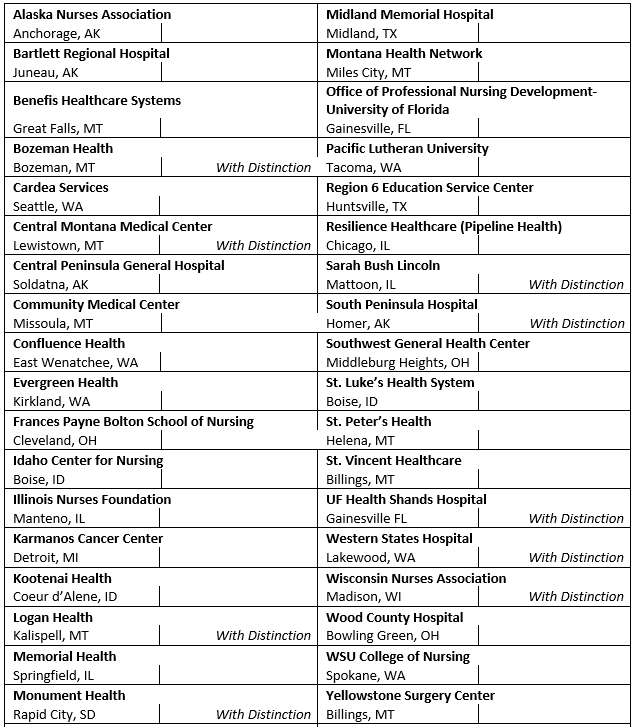
MNA thanks all of the Approved Provider Units we work with for their commitment to advancing and promoting quality nursing practice through continuing nursing education.

Choosing your own adventure!
Kelly Hunt, MN, RN, CNL, NPD-BC - Director of Professional Development

As we all know, one of the foundations of nursing practice is lifelong learning. The healthcare delivery system continues to change so rapidly that this has never been a more important aspect of your responsibility to your patients. An exciting development has been the development and integration of many new teaching methods and engagement strategies for your continuing education activities. As you are searching for topics that are of interest to you in your practice, it is important to know how you best learn and retain information and seek out experiences that meet your needs. We are all different and all have different preferences in the way we like to access new information. I want to discuss a few different formats that you might want to explore when you are signing up for your next professional development course. You truly are the owner of your experience from both content and format. Only you can decide what new information you might want to seek out to provide the best care for your patients.

While there will always be the required annual training provided by your employers, there are many other opportunities offered every day in many ways on countless nursing-related topics. Curiosity and exploration can help you access some exciting topics offered in ways that work with your schedule. Shortform, on-demand platforms like podcasts bring cutting-edge practice updates to your fingertips. Utilizing a platform like this allows you to listen while driving, cooking dinner, working out, going for a walk, or even while folding laundry. The great thing about a podcast episode is that if you find it to be particularly helpful or informative, it is easy to save it for access again and again. Audio books are another option for those learners who struggle to find the time for professional development because of all their additional life responsibilities.

Open-access journal articles are also widely available on nursing topics. As more and more research funding requires publishing the findings on an open-access platform, nurses have wider access to best practice reports and nursing research papers than ever before. This means that you can access articles even if you don't have the extra money to subscribe to a nursing journal. Not all journals have open access, and sometimes one or two articles per issue are open access while the rest of the content remains protected. As you are searching for information about practice updates and professional development opportunities in the future, check out your options for open access.

Continuing your professional development remains a responsibility of the nurse. Lifelong learning ensures that nurses continue to grow and change along with the rest of the healthcare team. A variety of formats and platforms allows individuals to customize their learning experiences.

ANA Excerpts
American Nurses Enterprise Celebrates The Power of Nurses™ During National Nurses Week
Recognizing, Honoring, and Amplifying the Impact of Nurses Across the Nation

SILVER SPRING, MD – Today, the American Nurses Enterprise — encompassing the American Nurses Association (ANA), the American Nurses Credentialing Center (ANCC), and the American Nurses Foundation (ANF) — kicks off National Nurses Week (May 6–12) with a powerful message: The Power of Nurses™. This year’s campaign shines a national spotlight on nurses as the driving force behind compassionate care, innovation, and transformative changes in healthcare. From coast to coast, the enterprise is launching a series of high-impact events — including a national press conference, educational webinars, landmark light-ups, and direct engagement with policymakers—to celebrate the unparalleled contributions of nurses and call on the public to honor their essential role in shaping a healthier future for all.
“As a nurse, I’m deeply honored to join my colleagues at the American Nurses Association in leading this year’s National Nurses Week observance. Nursing is more than a profession — it is a calling grounded in purpose, compassion, and service. This week is a moment to honor and elevate the voices of nurses who are improving lives, strengthening communities, and leading transformative changes across the healthcare system.” — Jennifer Mensik Kennedy, PhD, MBA, RN, NEA-BC, FAAN, President, American Nurses Association.
“I am proud to celebrate those who embody the very best of what it means to serve. Let this be a national moment of gratitude — to celebrate nurses for who they are, what they do, and the extraordinary impact they make every single day,” said Bradley Goettl, DNP, DHA, RN, FNP-C, FAAN, Chief Nursing Officer of the American Nurses Enterprise.

Summary of activities and events happening during National Nurses Week:

  • May 5: National Nurses Week kicks off early in collaboration with the Maryland Nurses Association at Suburban Hospital in Bethesda, Maryland with giveaways and breakfast for nurses. Premier Protein will be offering free shakes to nurses and presenting a check to the American Nurses Association to honor the contributions of nurses and advance their well-being.
  • May 5: ANA’s Center for Ethics & Human Rights presents “Unlocking the Code of Ethics for Nurses” — a webinar sponsored by Capella University. It will take place at 3:00 p.m. Led by Carol Taylor,PhD, MSN, RN, FAAN, professor of Medicine and Nursing at Georgetown University, the session will explore The Power of Nurses through the lens of the Code of Ethics for Nurses and its critical role in everyday practice across all care settings. Register and watch here.
  • May 6: National Nurses Week will “Light up The Sky”. More than 100 monuments, buildings, bridges, hospitals, and landmarks across the country will illuminate in the color red to honor nurses. Visit the National Nurses Week website to find a location near you, take a selfie and post to social media to share your pride! *Happening throughout the week.
  • May 6: ANA releases its updated position statement on workplace violence, articulating the responsibilities of nurses and employers to share and sustain a culture of respect, which is free from violence. Find the full statement here.
  • May 7:The third installment of the Mary Eliza Mahoney Lecture Series: “Social Justice and Ethics: Building on the Legacy of Mary Eliza Mahoney,” celebrates the enduring legacy of Mary Eliza Mahoney, the first professionally trained African American nurse and a trailblazer in the field of nursing. This compelling panel discussion will explore Provision 9 of the association’s newly revised Code of Ethics for Nurses, which calls on nurses to advance social justice, eliminate health inequities, and promote human flourishing across all communities. Register and watch here.
  • May 8: ANA's Policy and Government Affairs Division will host a special reception on Capitol Hill for members of Congress, aimed at raising awareness of key issues and policies impacting nurses and the nursing profession. *Photos and quotes will be available for media members.
  • May 9: A special networking and fireside chat event with enterprise leadership and local state representatives takes place at BayCare Health System in Tampa Bay, Florida. The event will convene the newly appointed Chief Nursing Officer of the American Nurses Enterprise, Bradley Goettl, DNP, DHA, RN, FNP-C, FAAN, and the Chief Executive Officer of BayCare Health System, Stephanie Conners, MBA, BSN, RN, among others to discuss critical topics in nursing and share insights on the future of the profession. The session will be streamed live and shared following the event.

*More details on this event and additional events happening in Dallas and Boston can be found online here.

  • May 9: ANA presents the "Redefining and Elevating the Value of Nursing" webinar, sponsored by LinkedIn, at 2:00 p.m. The session will feature insights from enterprise experts, the Vice President of Individual Credentialing and Research, Heidi McNeely, PhD, RN, PCNS-BC, Executive Vice President of Policy and Government Affairs, Tim Nanof, MSW, along with Olga Ysakusheva, PhD, from Johns Hopkins School of Nursing.Register and watch here.
  • May 12: Watch the premiere of the American Nurses Foundation’s mini documentary, highlighting the Nurse Well-Being: Building Peer & Leadership Support program here. It features real stories of nurses who successfully used this program at USA Health in Alabama.

“I am very grateful for the incredible work nurses do every single day. They are the backbone of our healthcare system and consistently rank as the most trusted professionals in the country — and for good reason. That’s why National Nurses Week is so significant. It gives us all a moment to pause, reflect, and express heartfelt appreciation for the extraordinary contributions nurses make in every community,” said Angela Beddoe, Chief Executive Officer of the American Nurses Enterprise. “Our mission is to champion nurses by prioritizing their well-being and ensuring they have the support, recognition, and resources needed to thrive. I’m especially thankful for our generous corporate sponsors — Capella University, LinkedIn, and Premier Protein — and our corporate donors, Quince and Springer Publishing as well as Chipotle and Skechers, who have both been longtime contributors that have supported the American Nurses Foundation for several years through annual register round-up campaigns at their locations nationwide. These partnerships make it possible to celebrate nurses in a way that truly honors their impact.”

 All are encouraged to use social media to share their gratitude for nurses everywhere. Using #ThePowerOfNurses, share your gratitude and snap a pic of your favorite nurse who is making a difference to share how nurses have made a positive impact in your life. For resources to celebrate National Nurses Week, more information on the National Nurses Week observance, and full schedule of activities, visit the National Nurses Week 2025 website.

Join MNA Today!
Advertise in This Newsletter

Nursing associations are among the most trusted partners in healthcare. Align your brand with our association to support us, deliver your message alongside editorial level content, build brand awareness, & reach our highly engaged / established audience. 

For sponsorship rates and information within this official state nursing association publication, please contact Nursing Network at advertising@nursingnetwork.com 

We appreciate your support!

Get in touch
Terms and Conditions Cookie Policy Privacy Policy Contact Us